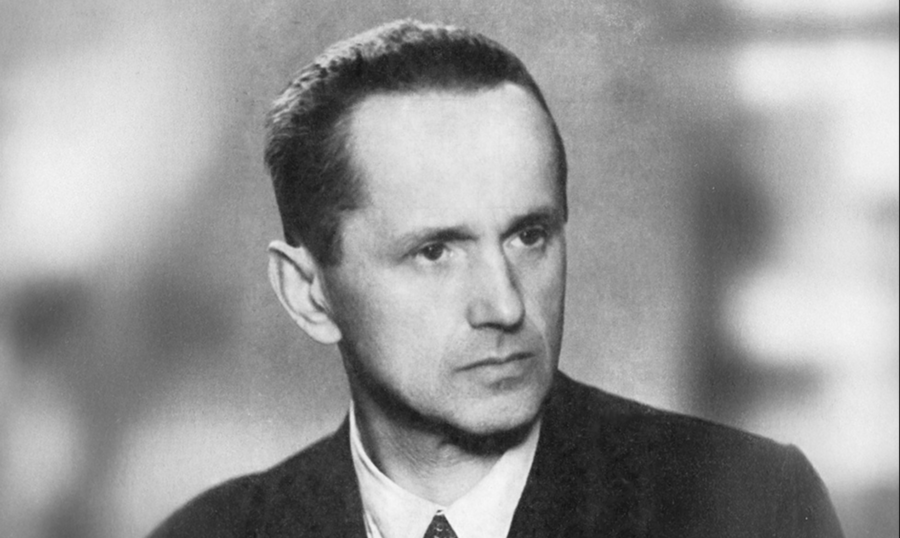
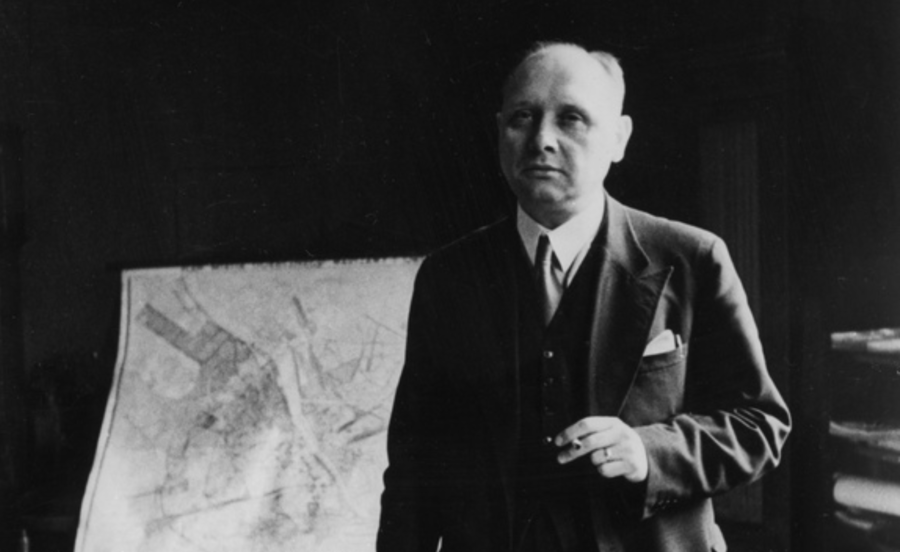
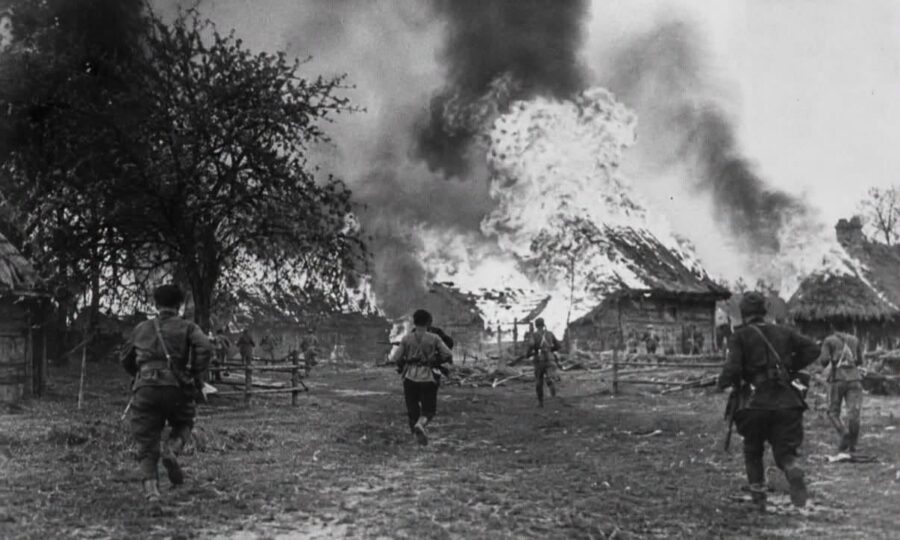
Bolesław Wieniawa-Długoszowski was a multifaceted figure in the history of the Second Polish Republic. He was a soldier, poet, diplomat, and close associate of Marshal Piłsudski. He played a prominent role in Poland’s military and political life during the interwar period and was briefly named President in exile at the outbreak of the Second World War. Though his life ended in exile and tragedy, he is remembered as one of the most colourful and influential personalities of his era.
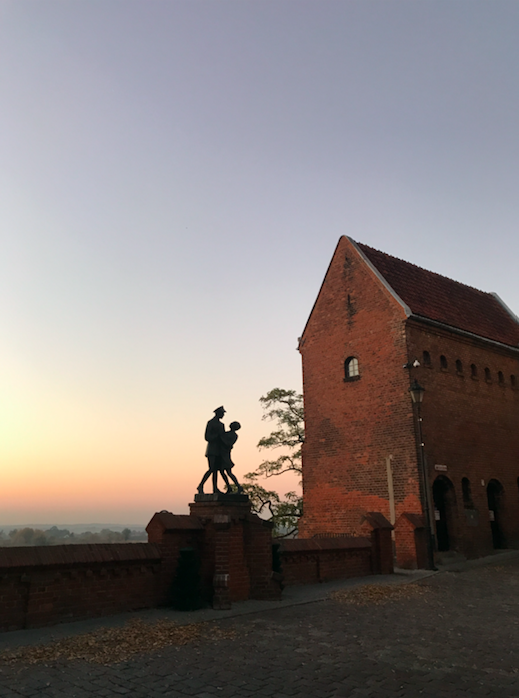
His military career began at the outbreak of the First World War, when he enlisted in the First Cadre Company. Fighting alongside Austro-Hungarian forces against Tsarist Russia, he soon rose through the ranks.
By October 1914, he was commanding a platoon within the 1st Uhlan Regiment of the Polish Legions and was later promoted to lieutenant. In recognition of his service during the war, he was decorated with the Virtuti Militari, Poland’s highest military honour. In 1915, he became aide-de-camp to Józef Piłsudski, an alliance that would shape much of his later life. Towards the war’s end, he was imprisoned by the Soviet Cheka due to his involvement with the Polish Military Organisation, but was eventually released.
With Poland’s independence restored, Wieniawa-Długoszowski took an active part in the Polish-Soviet War of 1919–1921, commanding the 1st Cavalry Division under Marshal Piłsudski during the crucial campaigns against Bolshevik forces. His leadership earned him a string of military decorations and further cemented his status within the new Polish army.
In the politically volatile years that followed, he remained a staunch Piłsudski loyalist. He was instrumental in supporting Piłsudski’s May Coup of 1926, aligning himself with the Sanacja movement that dominated interwar Polish politics. His military career continued to flourish; throughout the 1930s, he held senior command posts in both the I and II Cavalry Divisions. In 1931, he was promoted to Brigadier General by President Ignacy Mościcki.
Wieniawa’s lifestyle in Warsaw was sometimes a point of controversy discussed among the elite. His behaviour, full of bravado and panache, was recorded in many popular anecdotes.
Wieniawa was famous for his dramatic entrances. One night in Warsaw, after a long day of military duties, he rode his horse straight into a fashionable nightclub. The crowd parted in astonishment as he dismounted at the bar, ordered a drink, and toasted the patrons — all while still in full uniform and spurs.
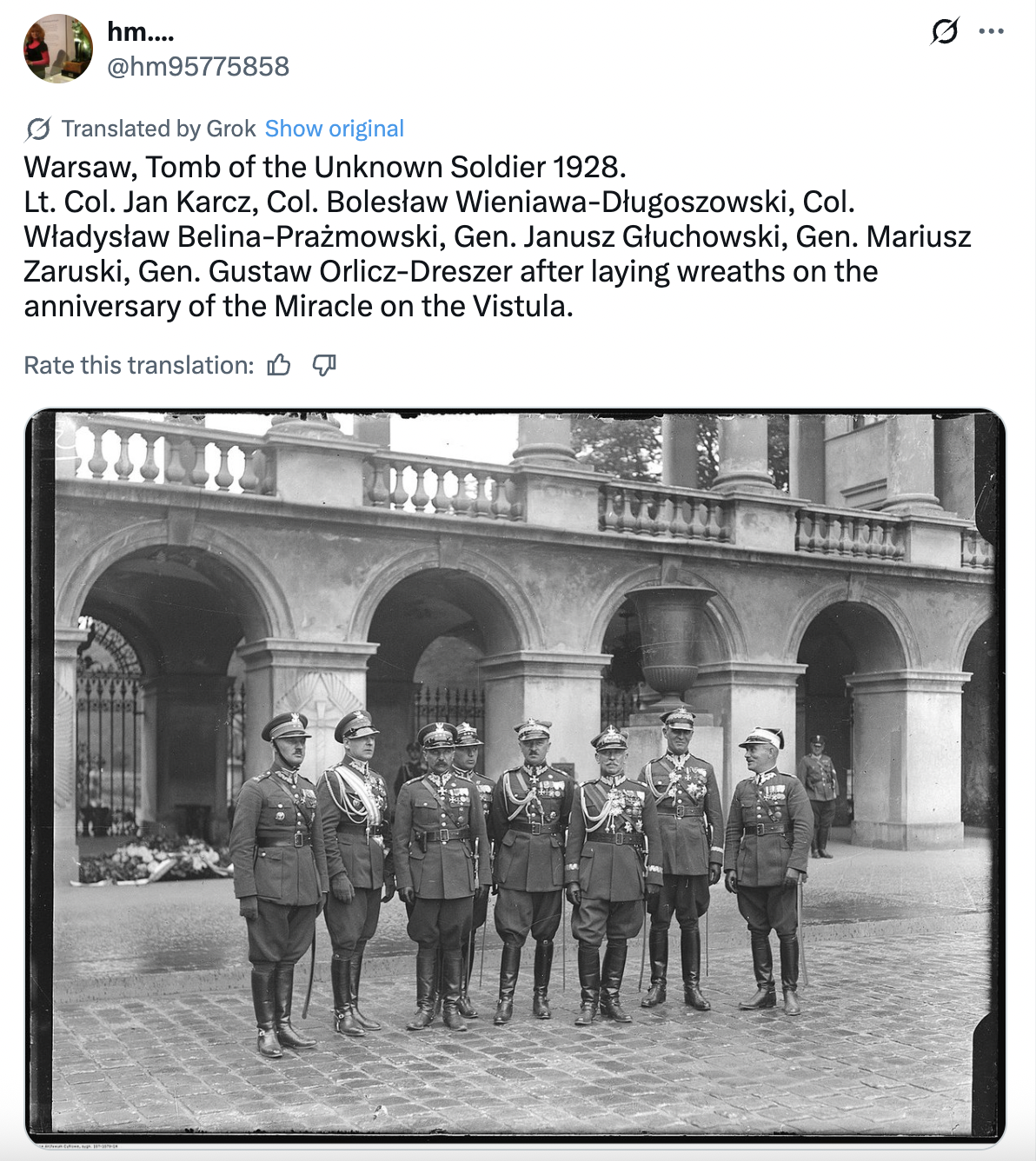
His friends used to joke that only Wieniawa could list “doctor, general, poet, diplomat, and ladies’ man” on a business card without exaggerating. Once, when someone addressed him simply as “General,” he corrected them with mock seriousness: “Excuse me, but it’s Doctor General Poet Wieniawa-Długoszowski, if you please!”.
At a Paris café, Wieniawa once loudly requested “a glass of cognac — but only if it’s made in Poland!” When the confused waiter explained that cognac was a French product, Wieniawa replied: “True, but everything tastes better when you believe in it patriotically!”
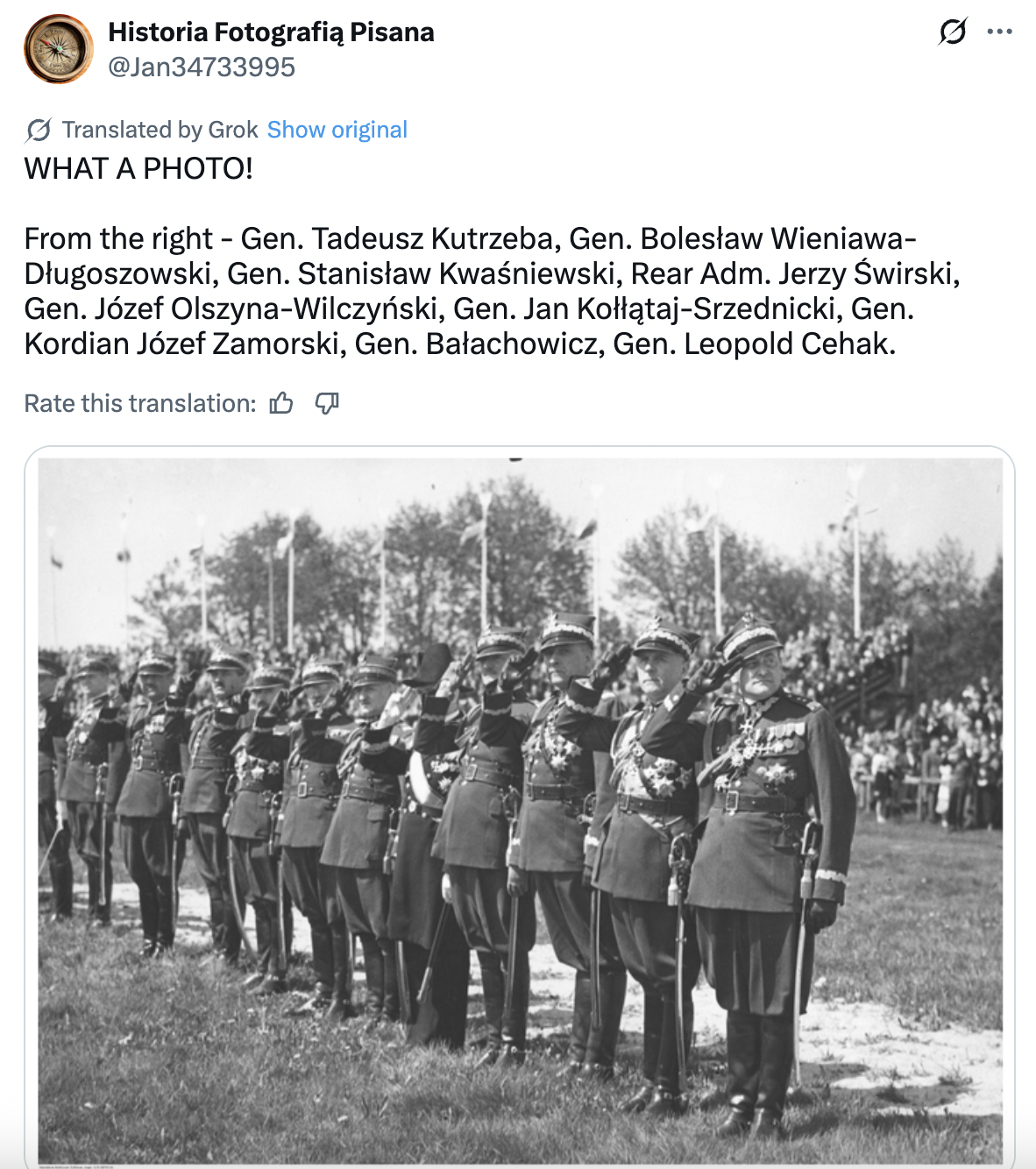
Diplomatic service followed. From 1938 to 1940, Wieniawa-Długoszowski served as Poland’s ambassador to Italy—an appointment that coincided with the outbreak of the Second World War. On 17 September 1939, as Poland was simultaneously invaded by Nazi Germany and the Soviet Union, President Mościcki named him his successor. However, his nomination as President-in-exile was swiftly blocked by General Władysław Sikorski and rejected by both the British and French governments. Though technically head of state for a single day, he was never able to take office.
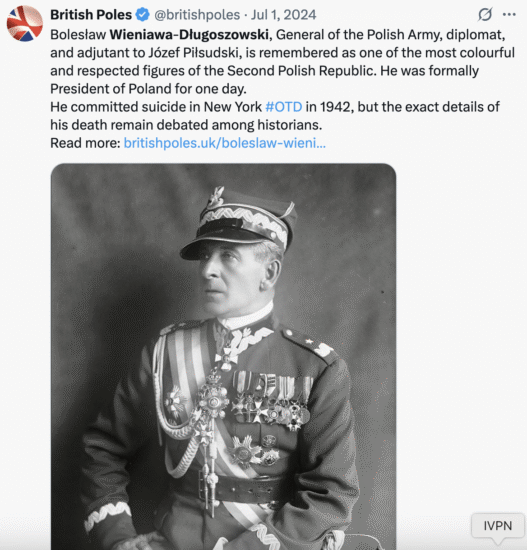
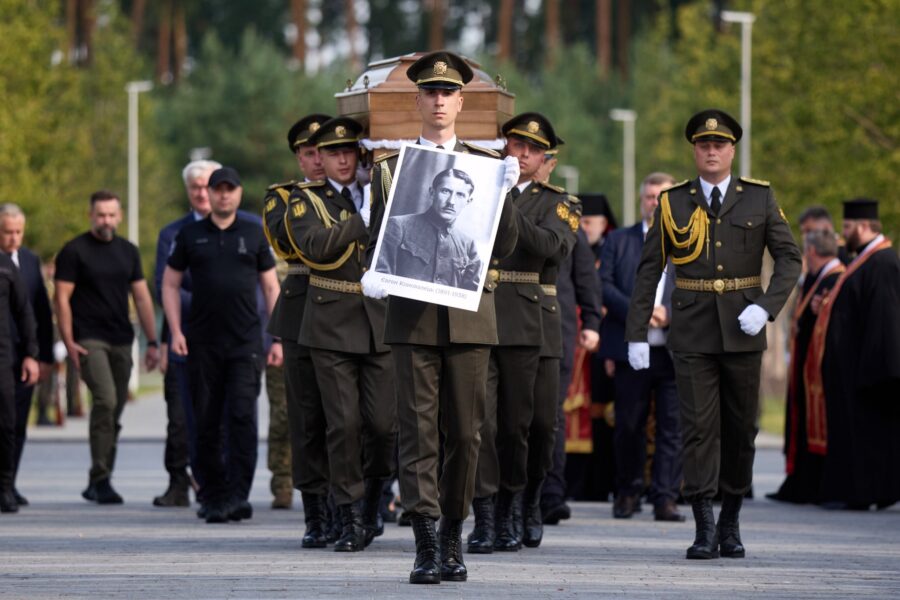
After the fall of France, Wieniawa-Długoszowski found refuge in Lisbon before settling in New York. Isolated and politically sidelined, he died by suicide in 1942 under circumstances that remain the subject of speculation.
Despite the tragic end to his life, Wieniawa-Długoszowski is remembered as a charismatic and versatile figure—one whose legacy captures both the grandeur and the turmoil of the Second Polish Republic.
Bolesław Wieniawa-Długoszowski remains one of the most vivid and distinguished personalities of the Second Polish Republic. A man of many talents—poet, general, diplomat, and briefly head of state—he played a dynamic role in Poland’s turbulent journey through the first half of the 20th century.
Source: British Poles
Photo: @K_Walnik
Tomasz Modrzejewski