Earlier this week, four German states (Berlin, Brandenburg, Mecklenburg-Vorpommern and Saxony) expressed their opposition to the planned construction of a nuclear power plant in Poland. The Brandenburg Ministry of Health and the RBB portal made the information public.
Officials from these three regions raised concerns regarding the perceived risks of a nuclear catastrophe and compliance with international safety standards. In their opinion, „following the backdrop of the devastating nuclear accidents in Chernobyl and Fukushima, plans for further use of nuclear energy in the interests of the population and the environment of all Baltic countries should be abandoned,” – as RBB reports.
From the Polish point of view, the attitude of the four German states mentioned above is regarded as yet another attempt of Poland’s western neighbour to slow down the country’s development somewhat and strive to make the most of its potential.
In the last few days, several Polish politicians drew attention to the fact that the German state of Mecklenburg-Vorpommern is not in a position to lecture Poland about its energy policy, given the fact that it was among the most enthusiastic states when it comes to the construction of both Nord Stream pipelines.
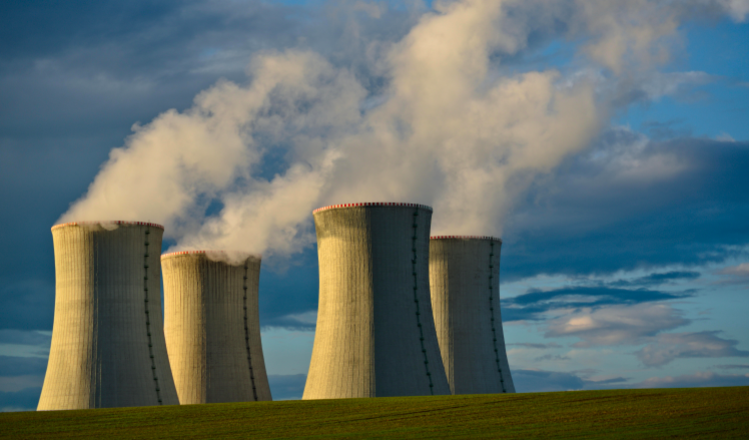
Germany has been opposing the development of nuclear energy in Poland for quite some time. Berlin now has new reasons to worry, given the fact that Warsaw recently signed its first contracts with American and South Korean companies to construct two nuclear power plants, which are expected to start producing electricity by 2033.
Subsequent units are to be implemented every two to three years, and the entire nuclear program assumes the creation of 6 to 9 GW of installed capacity in this technology in the long run.
Image: Unsplash
Author: Sébastien Meuwissen