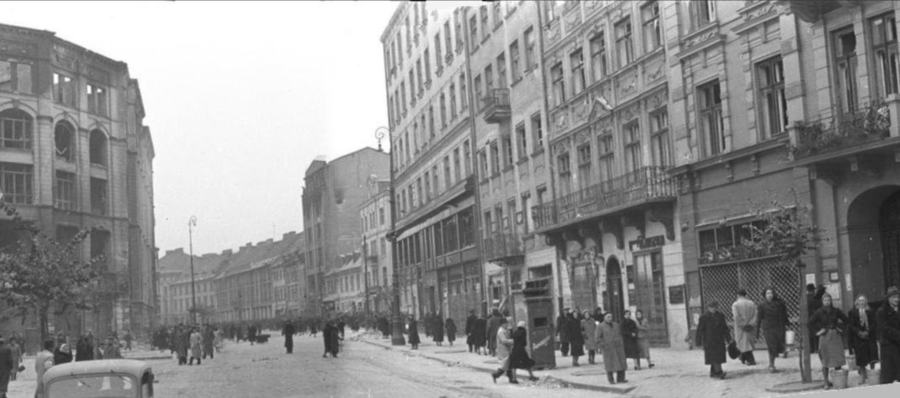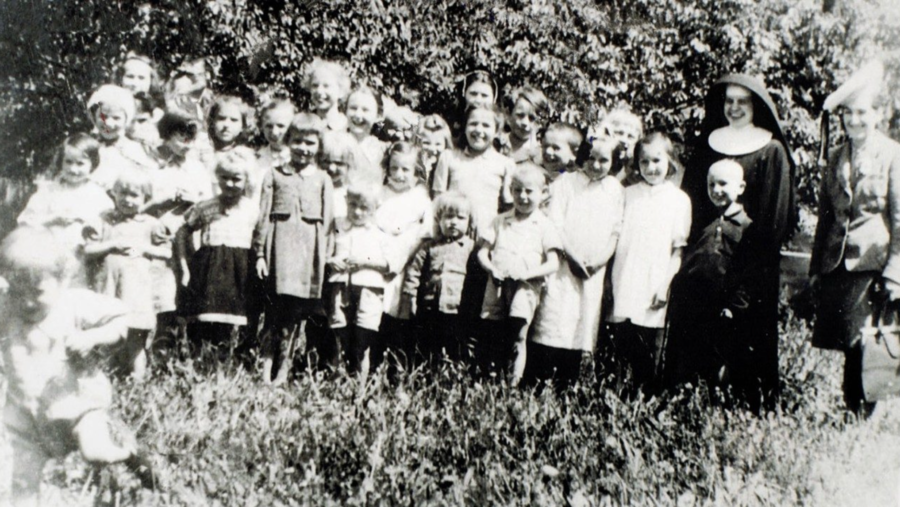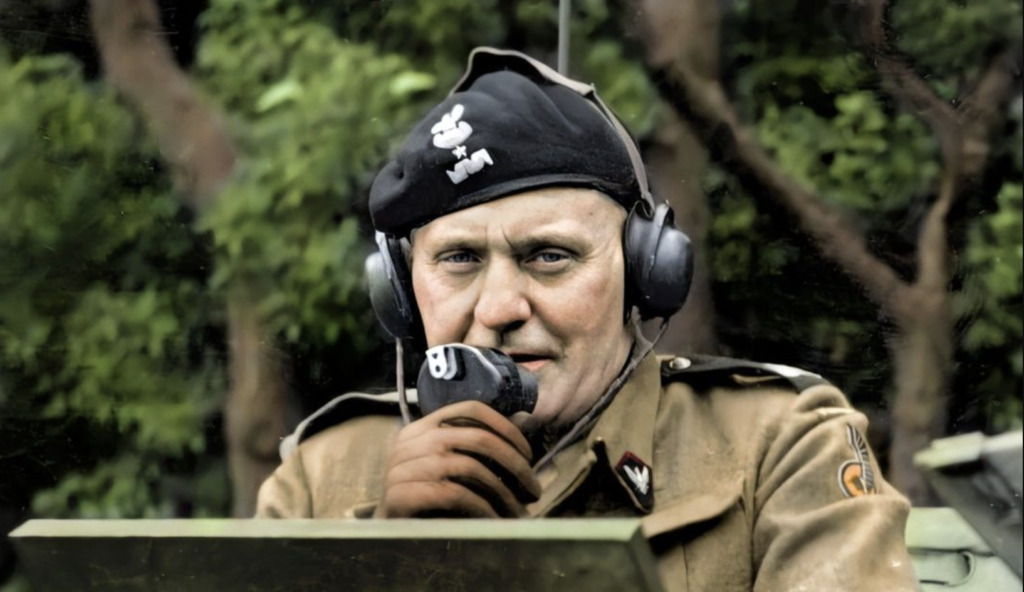
Despite his fate after the end of the 2 World War, Generał Stanisław Maczek remains a symbol of the Polish professional military. The inhabitants of the European cities liberated by Maczek’s armoured division commemorate his great care to avoid any civilian casualties during the fight for German-occupied cities.
Stanisław Maczek was born in Szczerzec, today’s Ukraine. At first, his life developed far from the military. He became a student of philosophy at Lviv University. During that time he also became a member of the Polish Strzelec paramilitary organisation that allowed the volunteers to practice the use of weapons.
During the 1 World War Maczek was sent to the Italian front, he also graduated from Austrian special military schools. After the education period, he was sent to the frontline near Isonzo. While he was a commander of an infantry company, he became famous for numerous actions for which he received Austrian decorations. In February 1918, he was wounded and taken to a hospital in Vienna.
At the end of the Great War Maczek left the Austro-Hungarian Armed Forces to become a member of the newborn Polish Army. He served during the Polish-Ukrainian War in 1919 and the Polish-Bolshevik War. His great asset was good military training and a will to use his knowledge in forming new types of troops within the Polish army, like f.e. special attack troops based on the idea of an Austrian “Jagd-commando”.
In 1939, Maczek and his units took part in defence battles and delaying actions in support of the Kraków and Karpaty Armies. He inflicted heavy losses on the German XXII Panzer Corps in the battles of Jordanów, Nowy Wiśnicz, Rzeszów and Łańcut. After the Soviet attack on Poland on 17 September 1939 he decided to cross the Polish-Hungarian border and left the country to save his soldiers. He then moved to France and finally travelled to Scotland where he started forming his famous armoured unit.

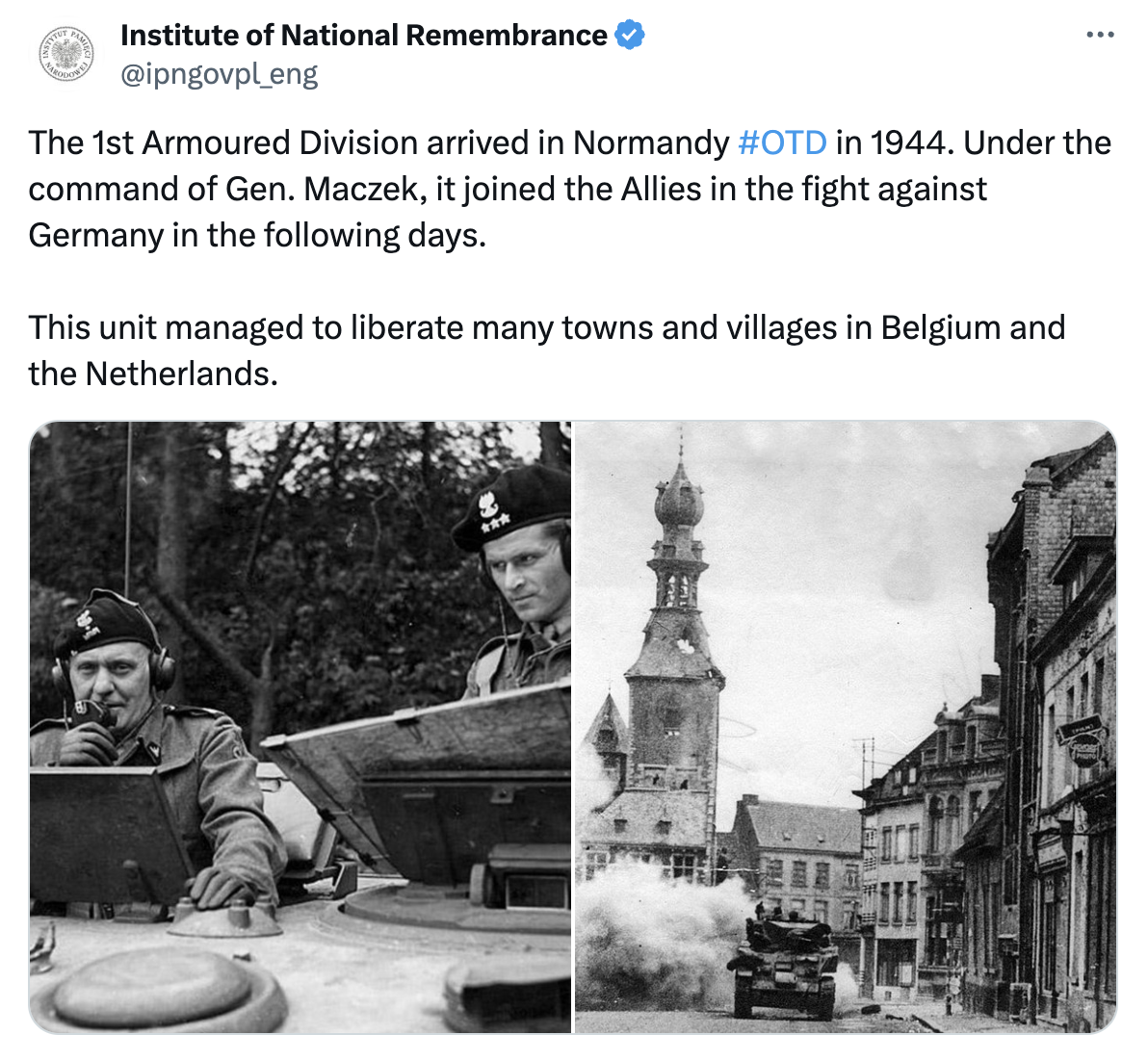
The most important part of his service was the fight on the Western Front in 1944-1945. His first victory was the Battle of Falaise in which he managed to close the retreatway for the retreating German troops. The Polish Armoured Division was later called by the Germans the famed and feared “Black Devils”.

In the next battles with the Germans, General Maczek led the division towards Belgium and the Netherlands. The Polish Armoured Division liberated Ypres, Ghent and Passchendaele. Maczek’s troops liberated Breda without civilian casualties.
On 26 March 1945, under the Arc de Triomphe in Paris, Stanisław Maczek was awarded the French Legion of Honour medal.
On 9 May 1945, in the German town of Haren in Saxony, General Stanisław Maczek created temporary accommodation for Polish soldiers, POWs and people freed from German concentration camps. Approximately 5,000 Poles lived in the town, including 1,728 women, participants of the Warsaw Uprising, imprisoned in Stalag VI camp in Oberlangen. The initial name of the Polish town was Lwów.
After the 2 World War Maczek decided to stay in Scotland where his troops were stationed before the D-Day landing in France. In 1946 Maczek lost Polish citizenship by the decision of the communist government. The explanation of the decision said it was his punishment for: “accepting, without the consent of the competent Polish authorities, a public office in a foreign country, and this by undertaking to co-found the Polish Resettlement Corps, a paramilitary formation forming part of the British Army”.
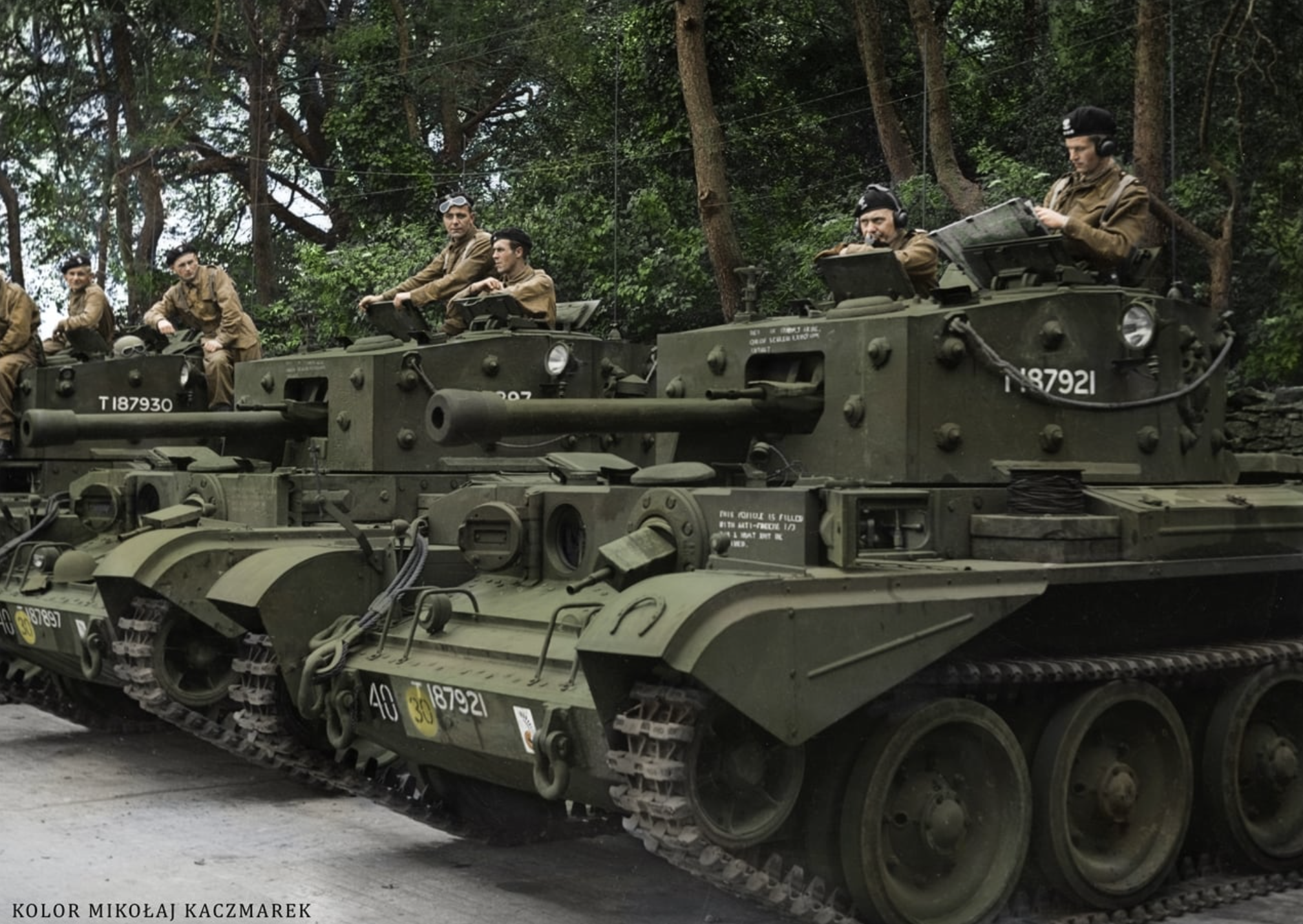
From 1945, he also lost the financial benefits for the Allied military’s combatants who were of the 2 World War. He began working as a salesman and then bartender in hotel restaurants such as „Dorchester” and „Learmonth” in Edinburgh.

At the request of more than 40,000 inhabitants of Breda, the general Stanisław Maczek was granted honorary citizenship of the Netherlands. On 11 November 1990 he was promoted by the President of the Polish Republic in exile to the rank of Lieutenant General.
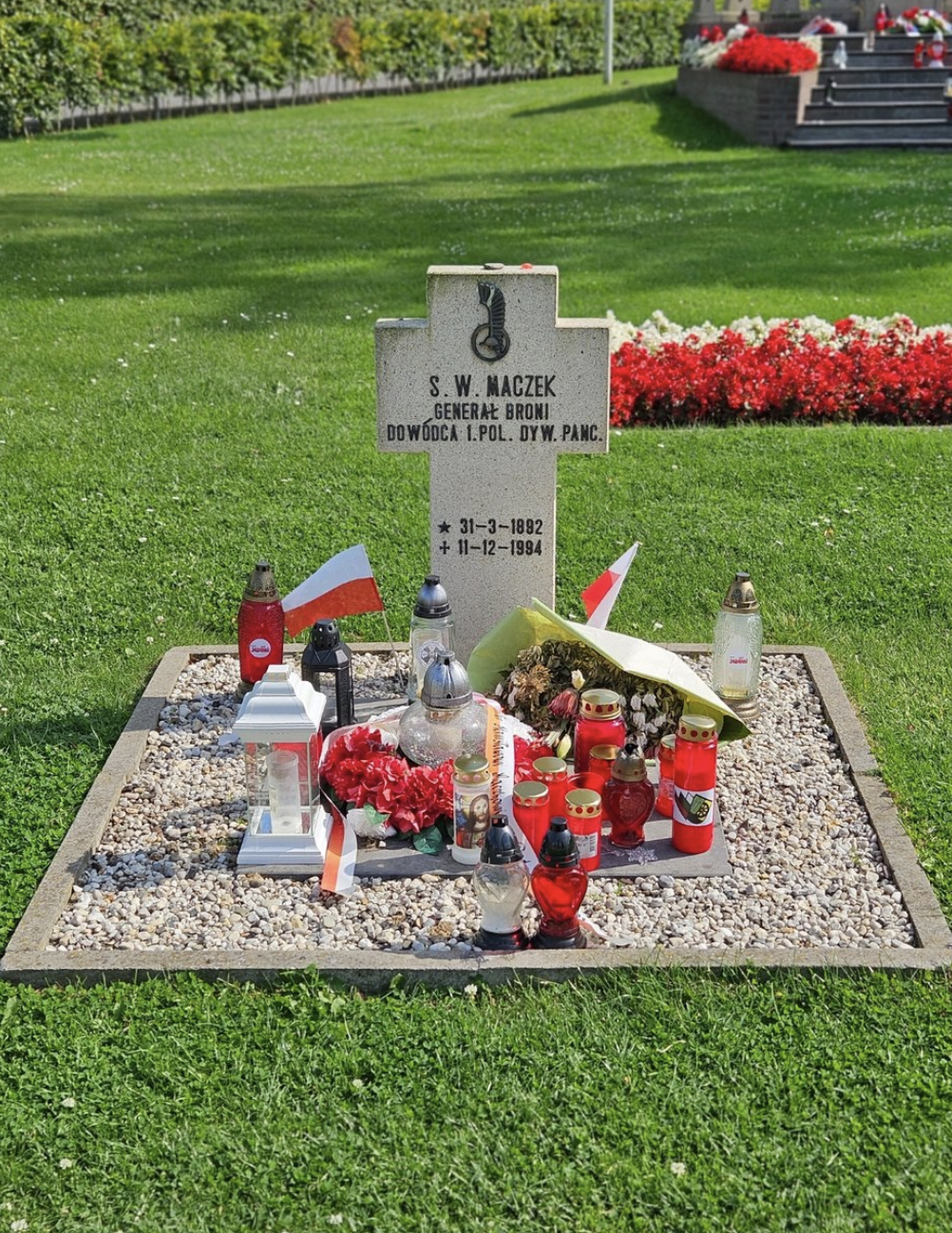
General Stanisław Maczek died at the age of 102 in Edinburgh. He is buried in the Polish soldiers’ cemetery in Breda.
Tomasz Modrzejewski
Photos: IPN
Colouristaion: Mikołaj Kaczmarek – Kolor Historii