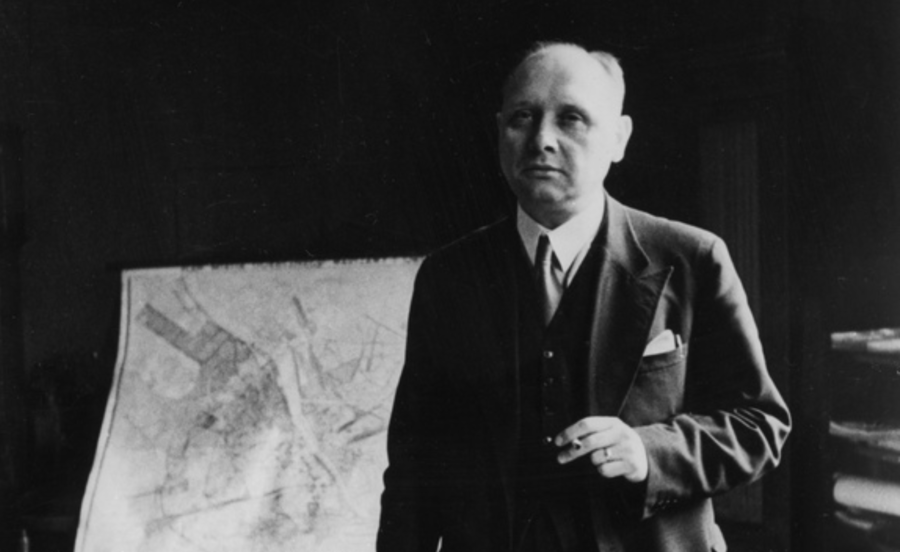
In 1966, Poland became the stage for a symbolic showdown over national memory and spiritual identity. On one side stood the communist state under Władysław Gomułka; on the other, the Catholic Church led by Cardinal Stefan Wyszyński. At stake was not merely the celebration of the millennium of Poland’s baptism but the authority to shape the nation’s collective consciousness.
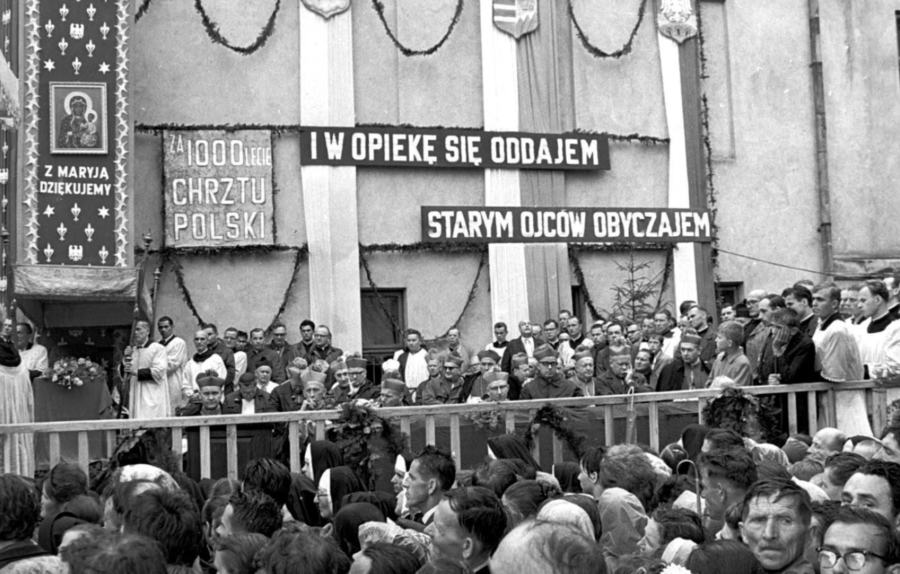
The year 966 – the symbolic date of Mieszko I’s baptism – became the foundation for two parallel and competing narratives about Polish identity. For the communist authorities, it marked the birth of statehood. For the Church, it signified Poland’s Christianisation and the nation’s spiritual cornerstone. Preparations for the 1966 anniversary spanned years, with each side crafting its message and meaning.
For Władysław Gomułka and the Polish United Workers’ Party, the anniversary was a chance to glorify a strong, secular state guided by Marxist-Leninist principles. The authorities promoted the slogan “The Millennium of the Polish State” and orchestrated grandiose state celebrations – from the construction of thousands of schools (the so-called “millennium schools”) to public rallies and military parades, culminating in central events in Gniezno and Częstochowa.
The state narrative stressed that Poland had survived and flourished thanks to the strength of its secular institutions, not religion. In this version of history, the Church belonged to the past – a relic to be subdued or marginalised.
Cardinal Stefan Wyszyński, often referred to as the “interrex” of communist Poland, responded with a spiritual mobilisation of society. The Church launched the “Great Novena” – a nine-year programme of national moral renewal and religious revival. Its climax came in 1966 with the Church’s own celebrations of the “Millennium of Poland’s Baptism”. The focal point was the pilgrimage to the Jasna Góra Monastery, where millions of faithful gathered.
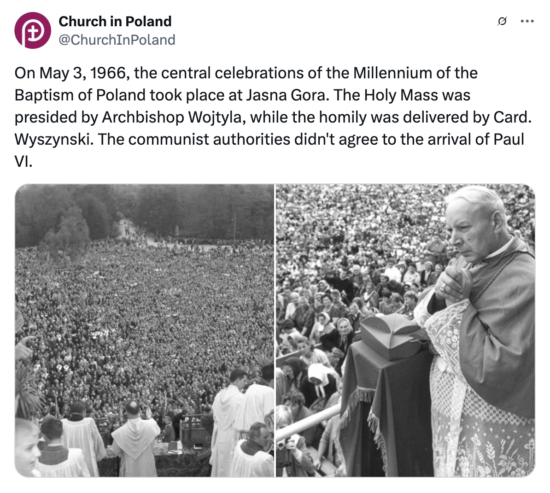
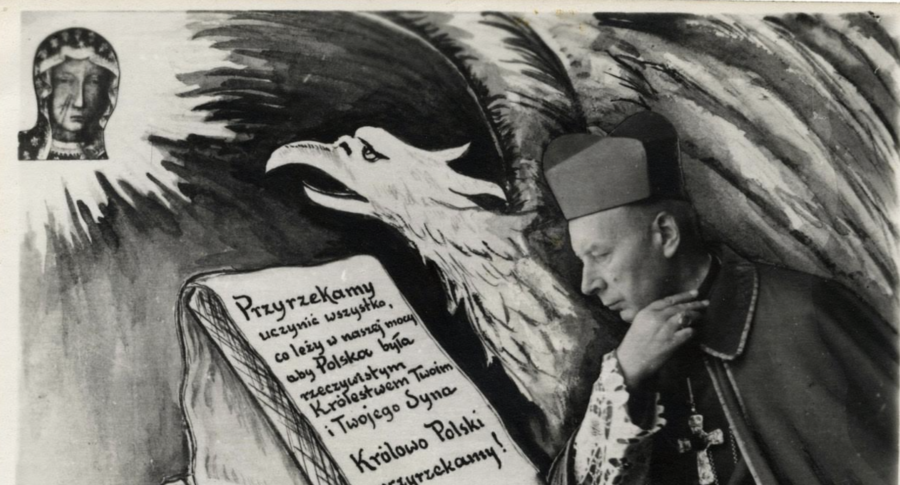
With the precision of a strategist, Wyszyński crafted a message that linked Christianity inseparably with the nation’s history. It was not the Party, he insisted, but the Catholic faith that had preserved Polish identity through partitions and occupation.
Tensions reached a peak in 1966. The Polish government blocked Pope Paul VI from visiting, despite a formal invitation from the Polish Episcopate. Borders were closed to Vatican envoys, and state propaganda attempted to downplay the Church’s influence, while security services placed limits on pilgrimages and harassed clergy.
In response, the Church turned absence into a powerful symbol. An empty papal throne placed at the Jasna Góra altar became a quiet but striking image of both repression and spiritual defiance. For many, it represented the moral victory of the Church over the machinery of the state.
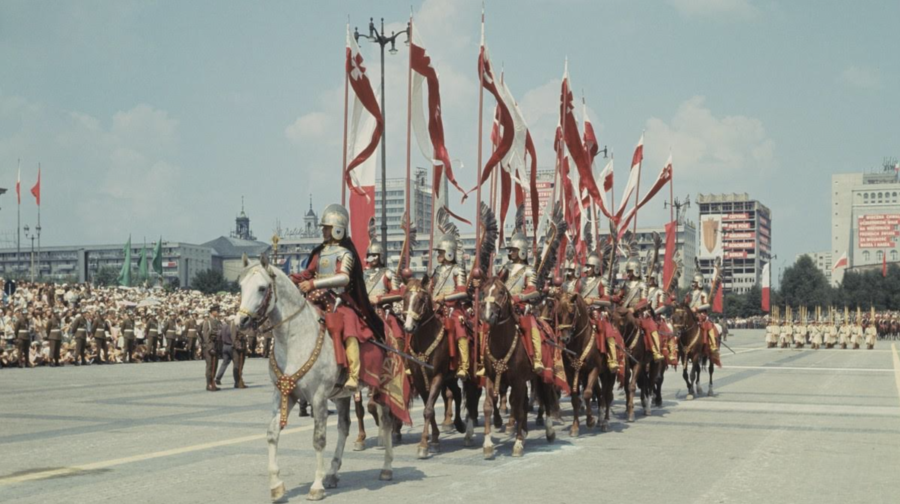
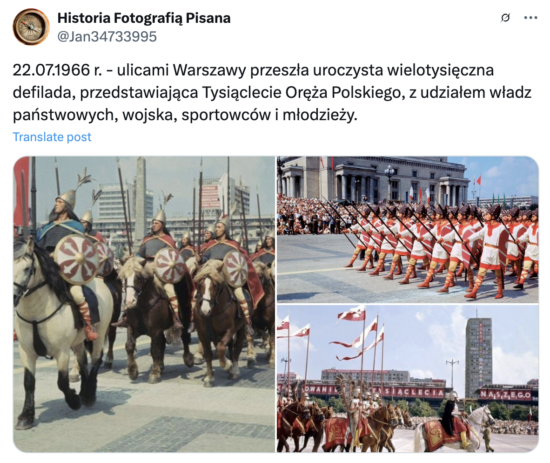
The 1966 millennium military parade in Warsaw, held on 22 July – the National Day of the Rebirth of Poland – was one of the most spectacular displays of state power during the communist era. Organised as part of the official Tysiąclecie Państwa Polskiego (Millennium of the Polish State) celebrations, the event featured thousands of soldiers, tanks, and aircraft parading through the capital.
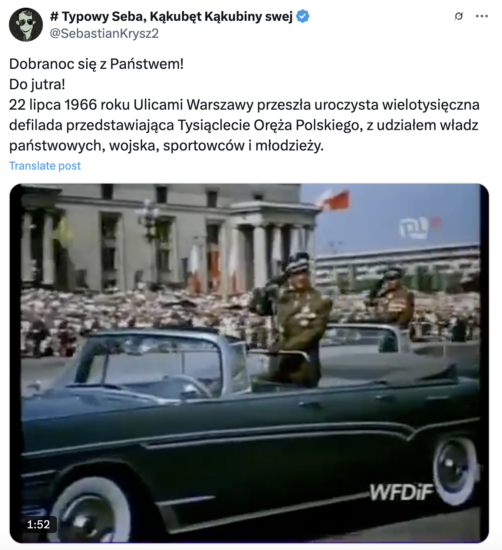
The regime, led by Władysław Gomułka, used the parade to project an image of strength, modernity, and national unity under socialism, deliberately contrasting it with the Church-led religious celebrations taking place that same year. The spectacle aimed to solidify the state’s narrative that Polish history and identity were rooted in secular, progressive statehood rather than religious tradition.
The 1966 celebrations exposed deep rifts between the nation and the authorities and highlighted the rivalry between two visions of national identity. Gomułka lost in the hearts of millions of believers, even if his regime still wielded power. Wyszyński had no police force or military, but he had the Church – an institution that sustained a sense of independence from the state.
Today, the year 1966 remains a potent symbol of the struggle between the Polish People’s Republic and the Catholic Church – a cultural and spiritual confrontation whose echoes reverberated until the fall of communism. More than a mere anniversary, the millennium was a clash of values and visions. And while history has since rendered its verdict, that year stands as one of the most symbolic standoffs of the Cold War era in Poland.
Source: Dzieje.pl
Photo: X @ChurchInPoland
Tomasz Modrzejewski