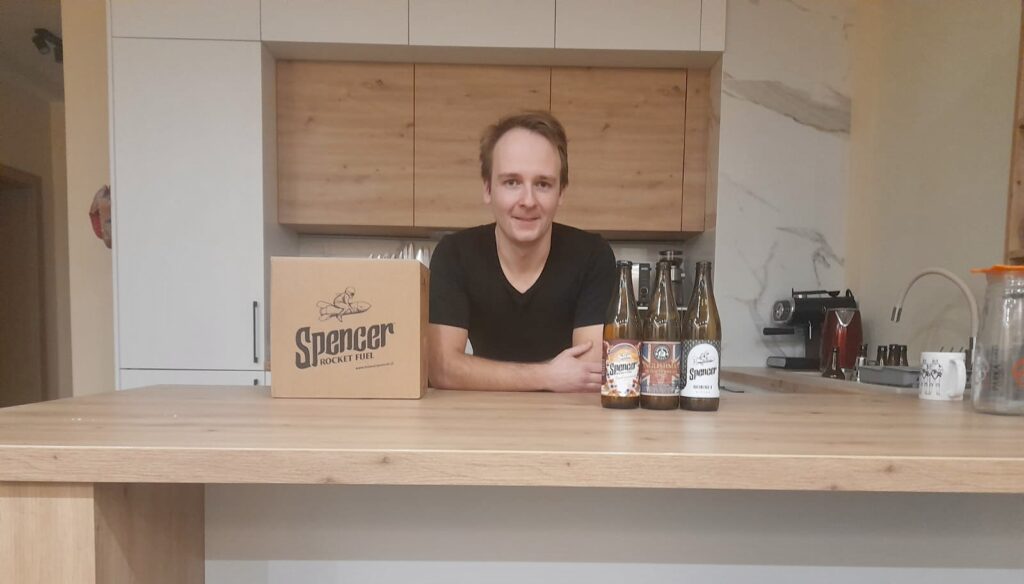
Tom Spencer is a Brit who moved to Poland at age 7. He opened a “gypsy brewery” in late 2019, but was forced to give up on his dream following the repeated lockdowns. Nevertheless, this ambitious businessman did not say his last word. British Poles contacted him to learn more about his inspiring story, the challenges he faced, and his plans for the future.
British Poles: Can you introduce yourself in a few words for our readers?
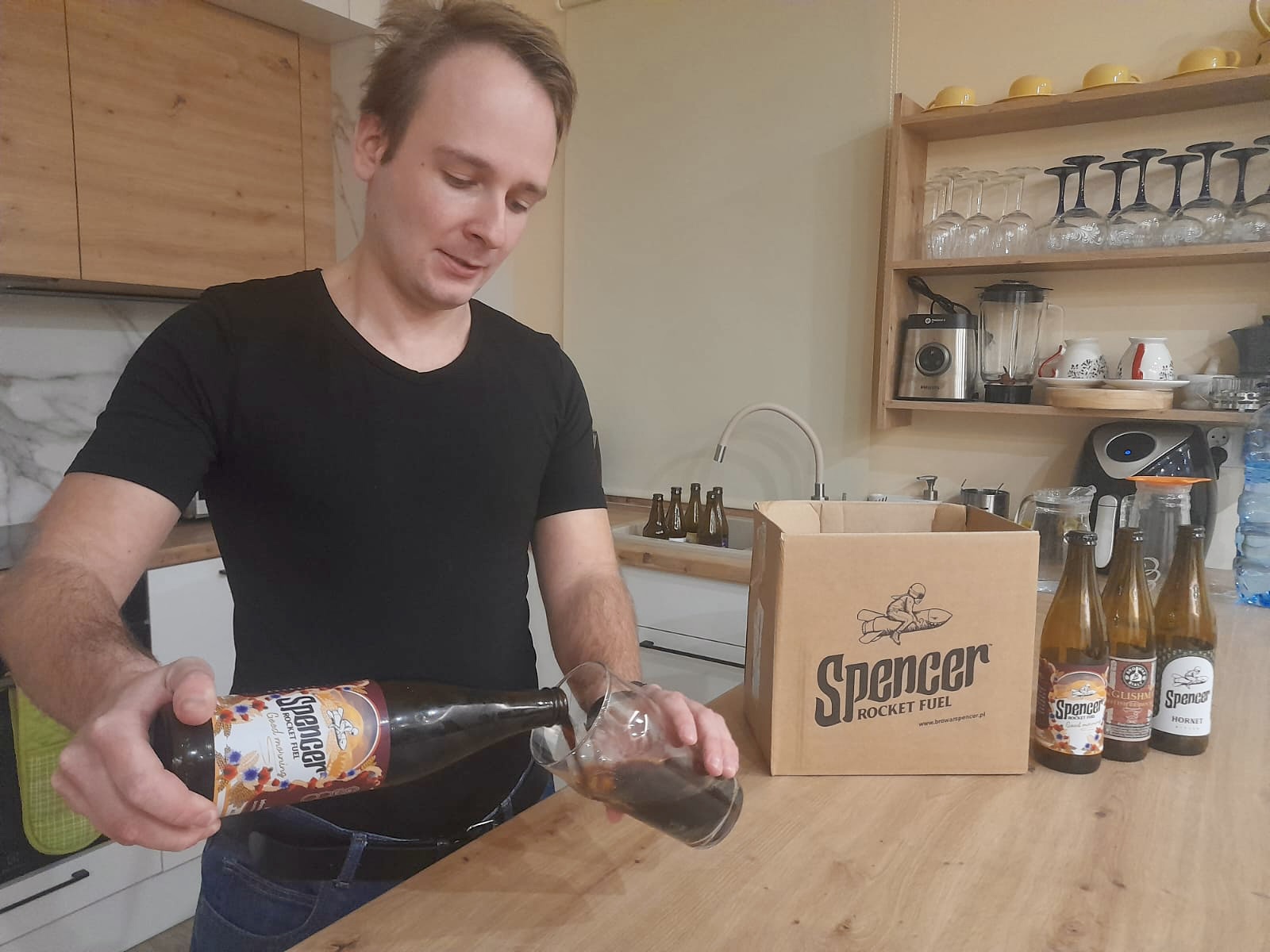
Tom Spencer: I was born in London. I moved to Poland when I was about 7, and I’ve been living in Warsaw ever since. I’m a home brewer who once decided to become a brewer. Although it will close in a couple of months, I still own a gypsy brewery that I launched at the end of 2019, the worst possible moment to do so, given that it was just a few months before the first lockdown in Poland.
BP: What’s a gypsy brewery?
TS: There are two types of breweries. One of them is when you have your own tanks and machines, and you brew your own beer and sell it. A gypsy brewery is a relatively new term in the brewing business. It’s basically a brewery that rents space from an existing brewer, for example, for a month. You create a recipe and they brew your beer. It’s much easier because you’re just renting the machines and not owning them. In this way, you don’t have to invest millions in your own equipment.
BP: Can you tell us more about how you started your business?
TS: My plan was to open my own gypsy brewery. If that worked and people would like my beers, I’d open a normal brewery. Sadly, I didn’t succeed. Virtually all the sales were to be made through pubs. The problem is all pubs were closed for three months, so I couldn’t sell anything. You also can’t sell the beer you’re left with because it becomes stale. So after about four months, I lost basically all of my batteries of beer. Then I started again in the summer. And again there was another lockdown. And there was even a third one in 2021. However, I’m still young and everybody tells me I’ll open a brewery someday despite all that.
BP: What kind of beers were you mainly brewing?
TS: As with most small breweries, I was focusing on creating new stuff, new beers. That’s what is working now. More than half of my beers were British-style beers such as bitters, English IPAs, Mild, British Brown Ale, and so on. I also brewed these new varieties of beers like New England IPAs and Double Dry Hop beers. But these were mainly to maintain the sales. The idea was that these beers would fund the British ones I wanted to have in my portfolio.
BP: Which main differences are to be observed in the way Poles and Brits enjoy beer? Are there some things that surprised you about what you’ve observed in Warsaw?
TS: First, beers are stronger in Poland as a rule. I’m not sure my figures are exact, but I’ve got the feeling that the average beer served here has about 5.6-5.7% of alcohol, whereas in England we’re closer to 4-4.5% on average. When it comes to the craft beer market in Poland, they tend to be even stronger. In England, the Lagers will have about 2.5%, Ales about 4.5%. That means that the stronger craft beers which have between 7 and 10% compete with light beers in comparison. Whereas in Poland, these same strong craft beers compete with beers that already have about 6% alcohol.
BP: What’s your take on that?
TS: In England, you can go to the pub, drink two or three pints of beer – which have about 4% – and then come back home and be fairly sober. This also allows you to get ready to go to work the next morning without any headaches. But when you do that in Poland with three beers at 6%, you know it’ll be a tough morning. So I wanted to change that a little. I wanted to introduce this new style of drinking to Poland.
BP: That’s an ambitious plan.
TS: Yeah, I’m an ambitious person, I think [laughs]. My recipes were adapted to what Poles like. Nobody would’ve bought beers with 3.5% of alcohol. So I was selling bitters with 4.9%, which is close to the maximum of alcohol for this type of beer, and it was still considered low here.
BP: So you had to make a compromise between your ideal about what beer should be like and what you knew would sell.
TS: Yes. I wanted to first introduce this style on the market. And quite frankly, you can find much more Bitters and Milds in Polish shops than a decade ago. I don’t want to say that I had such a huge impact, but I probably contributed to this evolution to a certain extent.
BP: Although you were forced to shut down your business, how do you sell your beers now?
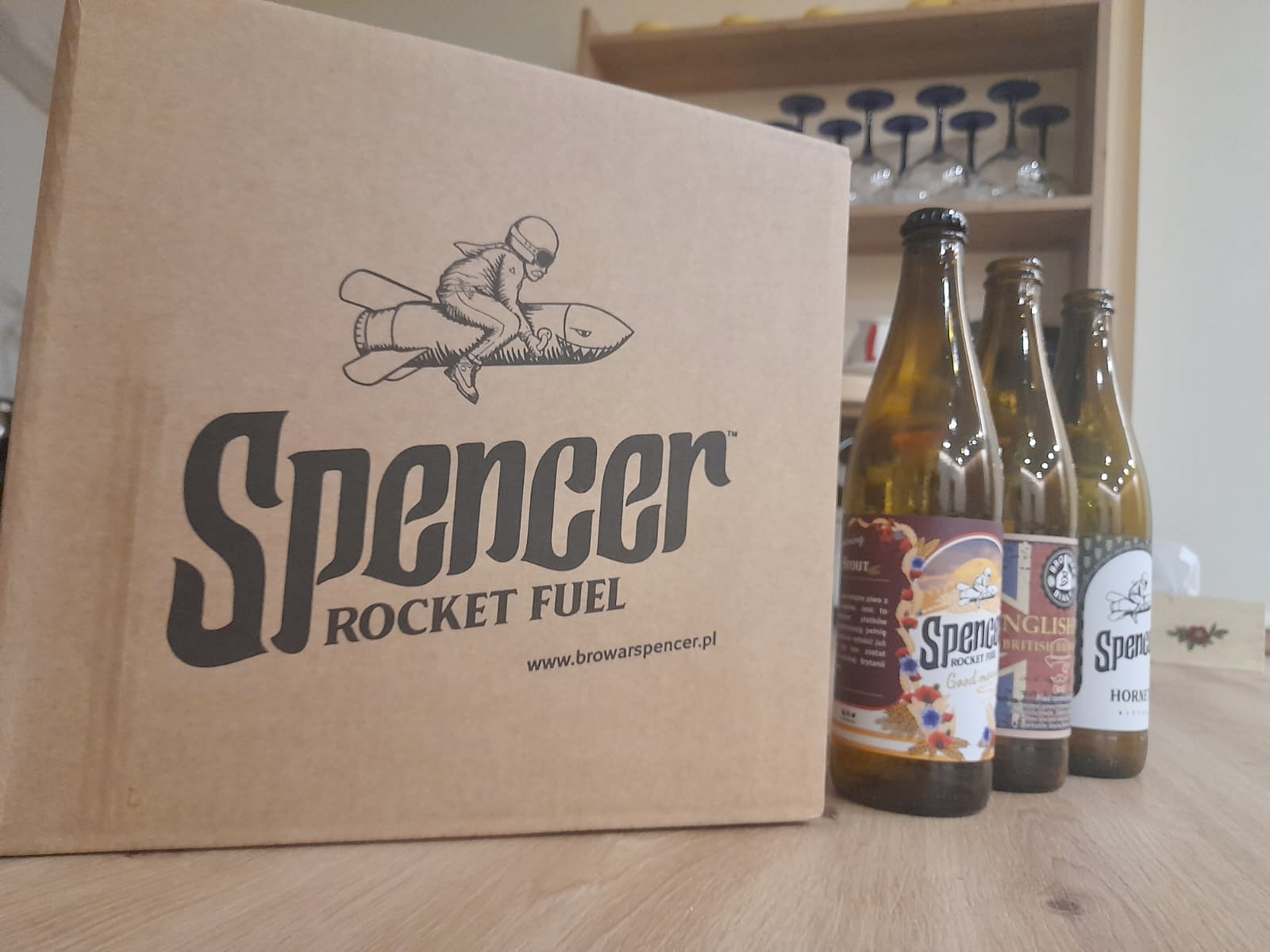
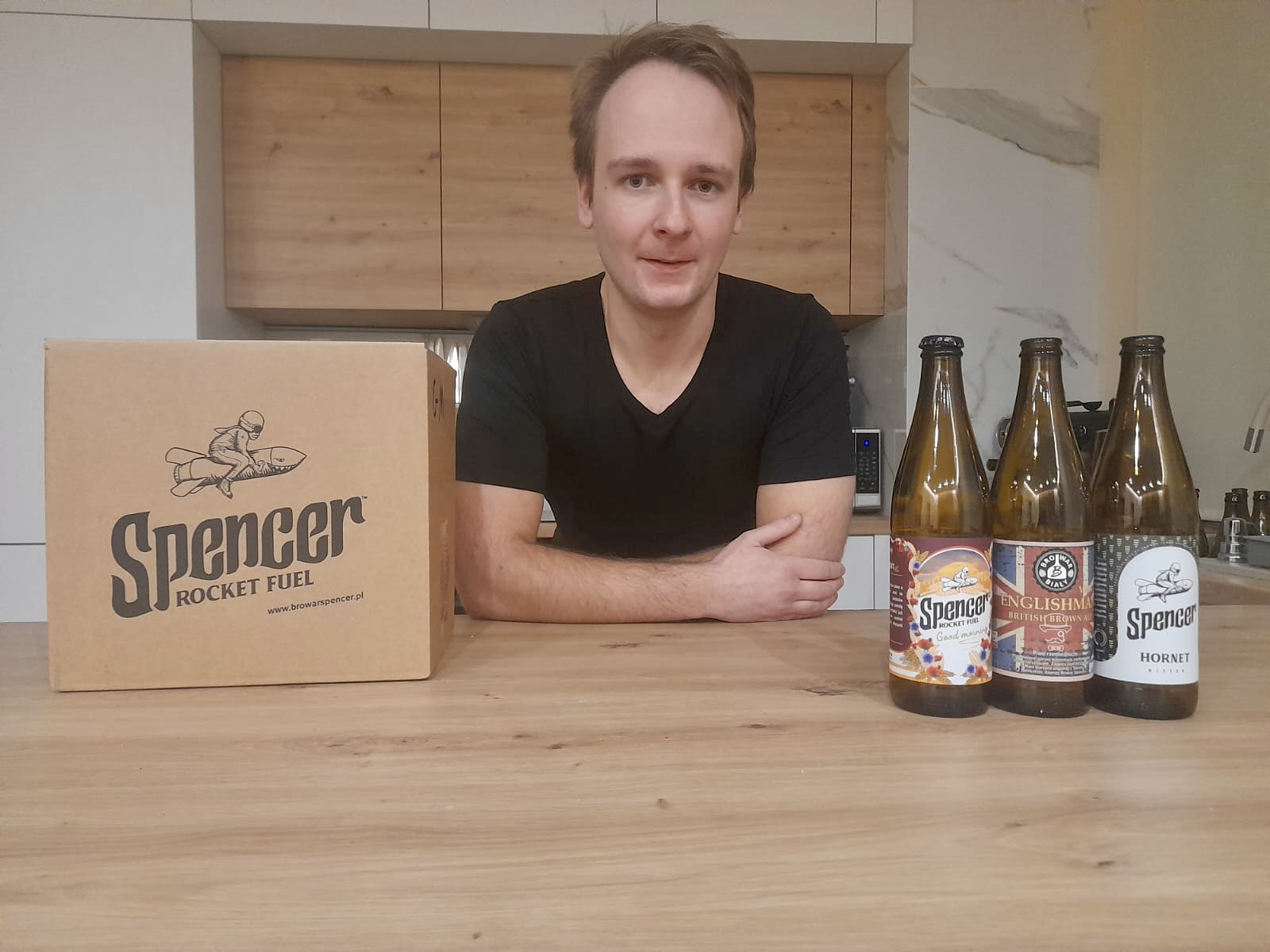
TS: In late 2021, two Polish breweries reached out to me to brew British-style beers for them: Browar Biały from Białystok and Browar Brofaktura from Siedlce. So I brewed two bitters in about two months. Since then, I collaborate with them on a regular basis.
BP: You mentioned that your relatives are optimistic regarding your future. How do you see it yourself?
TS: I’m still quite young. I’m under 30, so I’ve opened and shut a business rather early. As the saying goes, never say never. I know deep down that I’ll probably come back to the brewing business. I now need to take a break and rest after the tough few years I’ve had. My collaboration with Browar Biały and Browar Brofaktura is enough for me at the moment. Hopefully, I will open my own brewery before 2030. But I’m not planning on opening one at the moment, so let’s wait and see.
BP: Let it be so. Thank you for your time!
TS: My pleasure.
Pictures: British Poles
Interviewer: Sébastien Meuwissen