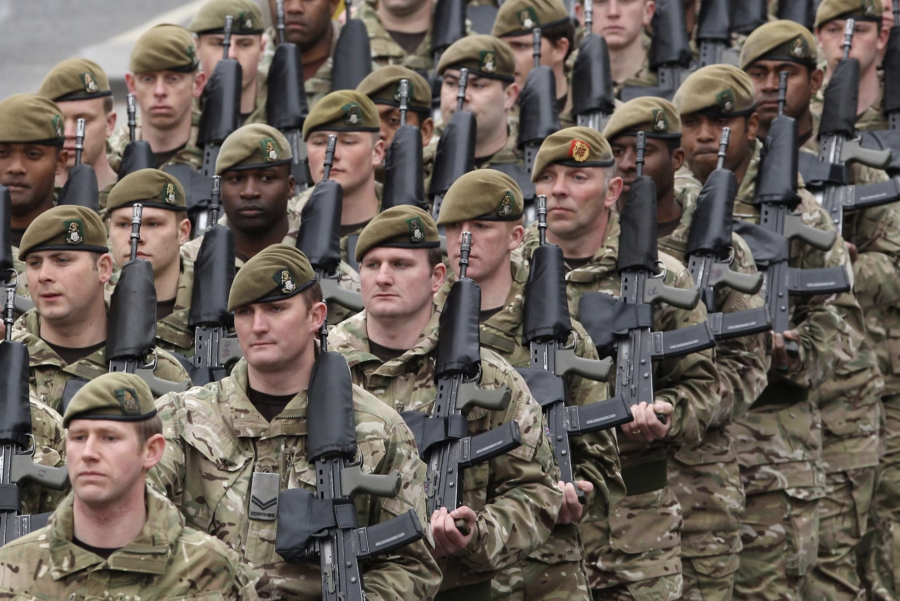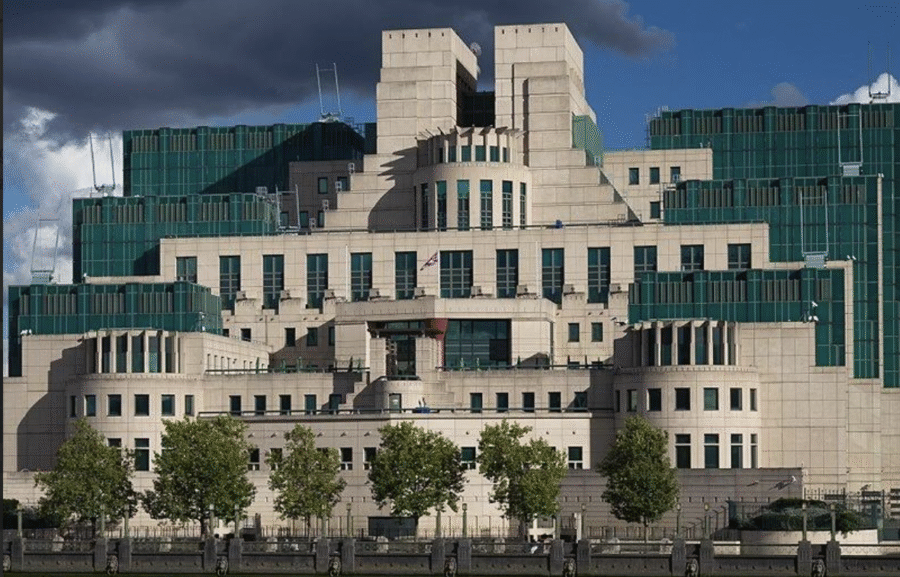
A long-suppressed scandal involving a major Afghan data breach has now come partially into public view, revealing that over 100 members of Britain’s special forces, MI6 operatives, and senior military officials had their identities compromised, raising fears of Taliban retaliation.
Initially, the press was prohibited from reporting on the most sensitive aspects of the leak due to a strict superinjunction. However, following a recent court decision, elements of that order have now been lifted, allowing parts of the story to be made public for the first time.
The Ministry of Defence (MoD) had previously fought to suppress coverage, citing national security risks. Defence Minister John Healey acknowledged in Parliament that high-ranking personnel had been named in the leaked files. Still, media outlets were unable to report this due to the renewed gag order imposed earlier this week.
After sustained legal pressure, the MoD conceded that the release of certain details would not breach the terms of the injunction, effectively loosening the state-imposed muzzle on the press.
According to The Times, sources within the defence establishment revealed that the dataset included personal details of intelligence operatives and senior officers who had advocated for Afghan allies to be relocated to the UK. Emails from government officials were also among the trove, some referencing a covert channel for Afghan evacuations.
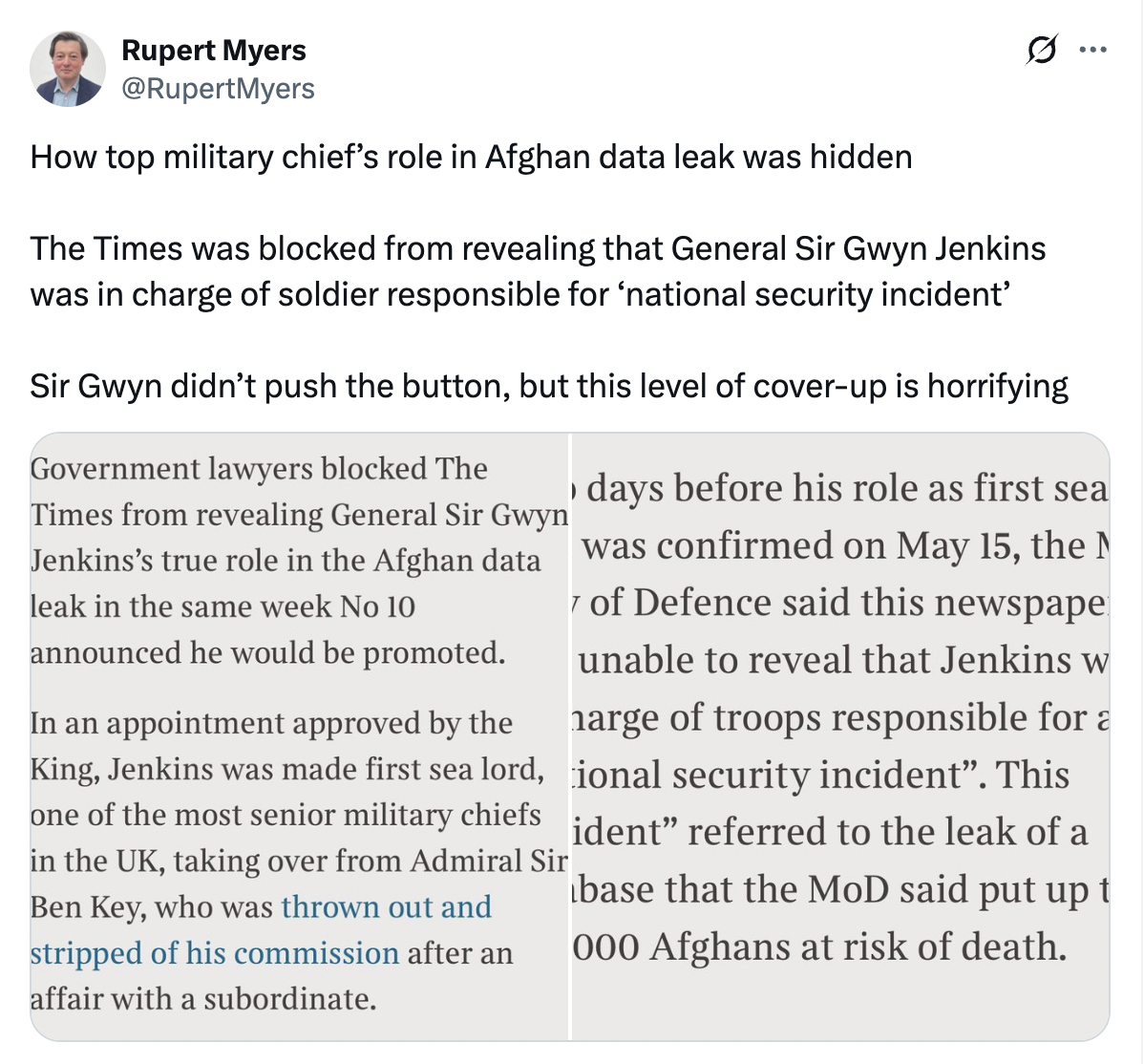
The Shadow Defence Minister, James Cartlidge, informed Parliament that the data breach had sparked a blackmail attempt against the UK government. This alarming development, too, had been under wraps until now, due to legal restrictions.
Meanwhile, The Telegraph reports that legal teams are preparing to invoke human rights legislation in a bid to bring tens of thousands of Afghans to Britain. A judicial review is expected to challenge the MoD’s assertion that the crisis has abated, arguing that those named in the breach remain in danger.
Insiders at the MoD claim that fraudulent asylum claims have proliferated. According to one source, for every genuine case, as many as 15 are bogus, raising questions over the vetting process. The email at the heart of the scandal was reportedly sent by a Royal Marine attempting to separate legitimate cases from false ones, but in doing so, triggered a catastrophic leak.
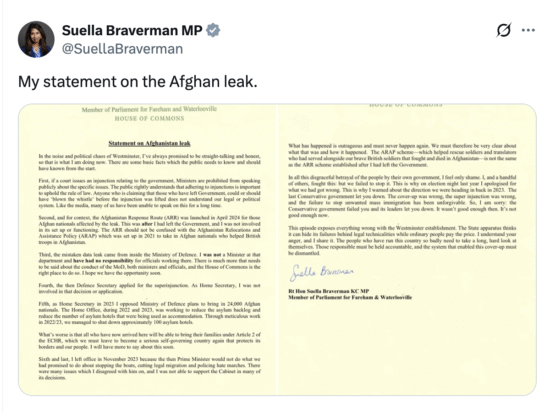
The data breach is now fuelling a growing wave of legal action. Reports suggest that Afghans affected by the exposure are being urged to sue the UK government. A WhatsApp message, seen by several outlets, encouraged recipients to contact British law firms—specifically Barings of Manchester, which specialises in data privacy and breach litigation. The firm is reportedly representing over 1,000 claimants, with new cases emerging at a rate of approximately 100 per day.
In a significant escalation, Parliament’s Intelligence and Security Committee has invoked statutory powers to compel the MoD to surrender all risk assessments and intelligence used to justify the secrecy of the past two years. The committee has also raised concerns over why the High Court was reportedly kept in the dark about certain aspects of the case.
The British government announced targeted sanctions against more than 20 Russian spies, hackers, and intelligence units, citing a sustained campaign of “malicious cyber activity” aimed at European governments and institutions.
Poland has voiced strong support for the United Kingdom’s decision to impose sanctions on three units of Russia’s military intelligence agency, the GRU, along with several of its officers, in response to their involvement in hostile cyber operations.
In a statement published on the Polish foreign ministry’s website, Warsaw underscored its solidarity with London and confirmed that its position aligns with declarations made by both the European Union and NATO. The ministry also warned that the scale and intensity of Russian cyberattacks across Europe, including in Poland, have increased significantly, particularly since the start of Russia’s full-scale invasion of Ukraine.
Source: The Spectator, PAP
Photo: X/@pseudodeucalion
Tomasz Modrzejewski