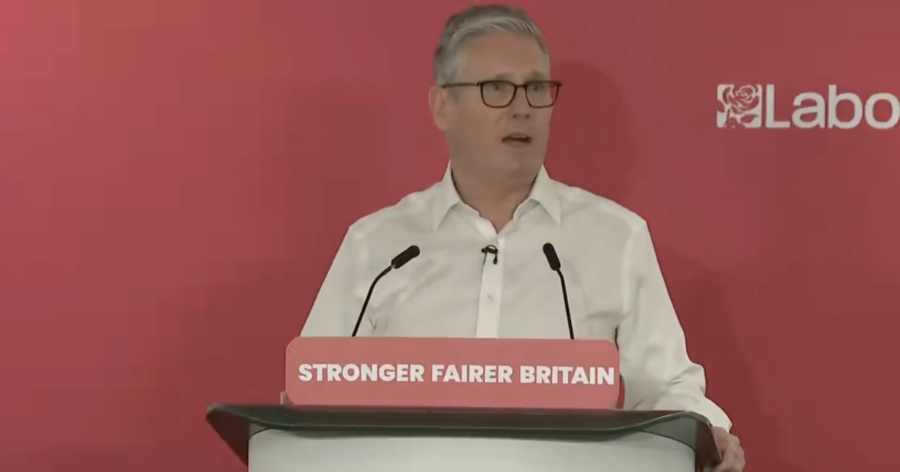
Sir Keir Starmer is facing the gravest political crisis of his premiership so far, with growing calls from within Labour for him to step aside after disastrous local election results and a series of ministerial resignations. Yet despite the mounting pressure, the Prime Minister has made clear that he has no intention of quitting voluntarily.
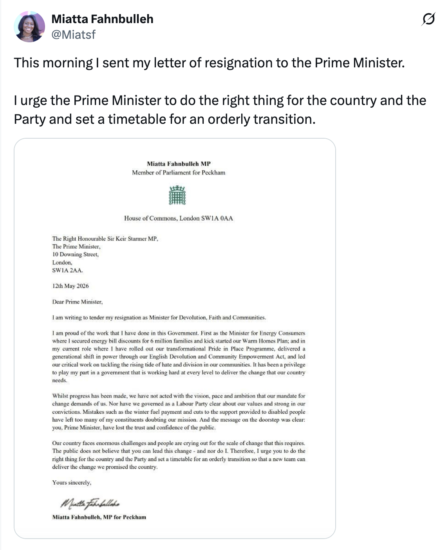
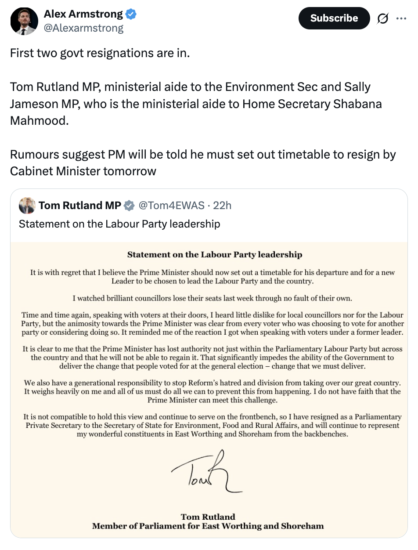
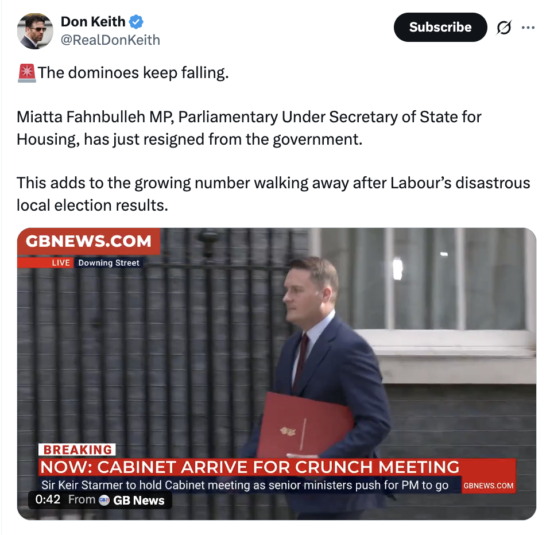
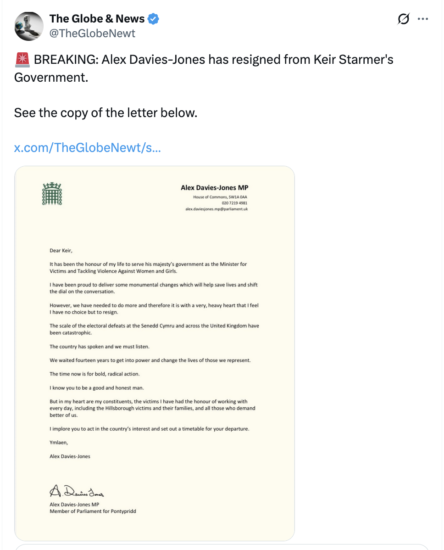
The turmoil intensified after several junior ministers resigned within hours of each other, openly criticising the government’s direction and leadership. Safeguarding minister Jess Phillips was among those to leave, warning that Labour was failing to deliver meaningful change. Ministers Alex Davies-Jones and Miatta Fahnbulleh also stepped down, further fuelling speculation that a coordinated effort is underway to force Starmer from office.
Inside the cabinet, divisions are becoming increasingly difficult to hide. Reports suggest that senior figures, including some around the top table of government, have privately urged Starmer to consider setting a timetable for his departure. Health Secretary Wes Streeting has emerged as one of the names most frequently linked with a possible leadership bid, while Angela Rayner and Greater Manchester Mayor Andy Burnham are also being discussed as potential successors.
However, Starmer remains publicly defiant. During a tense Cabinet meeting on Tuesday, he reportedly told ministers that he would not resign unless formally challenged under Labour Party rules. He insisted the government must continue governing rather than descend into internal warfare.
The crisis follows months of political damage stemming from controversies surrounding former ambassador Peter Mandelson and wider concerns over Labour’s direction in government. Starmer’s authority has been weakened by repeated internal rebellions, declining poll numbers and accusations that Labour has drifted away from its electoral promises.
Recent local elections appear to have accelerated the unrest. Labour suffered heavy losses across parts of England, while parties such as Reform UK and the Greens made significant gains. Critics inside the party argue that voters have become disillusioned with the government and fear that Starmer may now be an electoral liability ahead of the next general election.
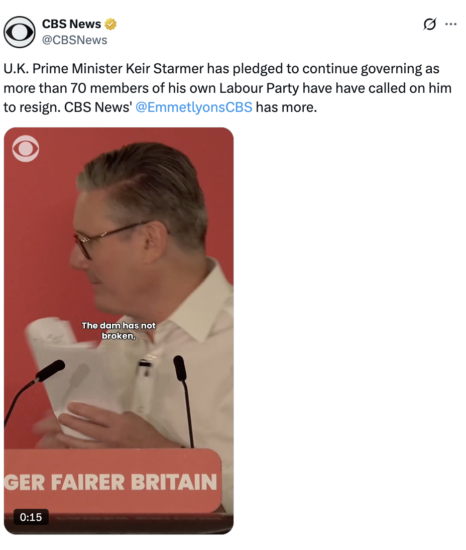
The number of Labour MPs openly calling for a change in leadership climbed to 81 on Tuesday, a politically significant threshold, as that is the minimum level of parliamentary backing required for a formal leadership challenge to proceed.
For now, however, no senior figure has stepped forward to confront Keir Starmer directly, and the growing anti-Starmer camp remains divided over who, if anyone, should replace him. Still, the fact that roughly one in five Labour lawmakers are now publicly questioning his leadership underlines the increasingly fragile position of the party leader and highlights mounting tensions within Labour’s parliamentary ranks.
Starmer appears determined to fight on. But the combination of Cabinet unrest, ministerial resignations and public dissatisfaction means the question is no longer whether Labour has a leadership problem but whether Starmer can realistically survive it.
Photo: X/@TheTelegraph
Tomasz Modrzejewski