British Poles: How do you assess responsibility for the deaths of the two Polish civilians in Przewodów?
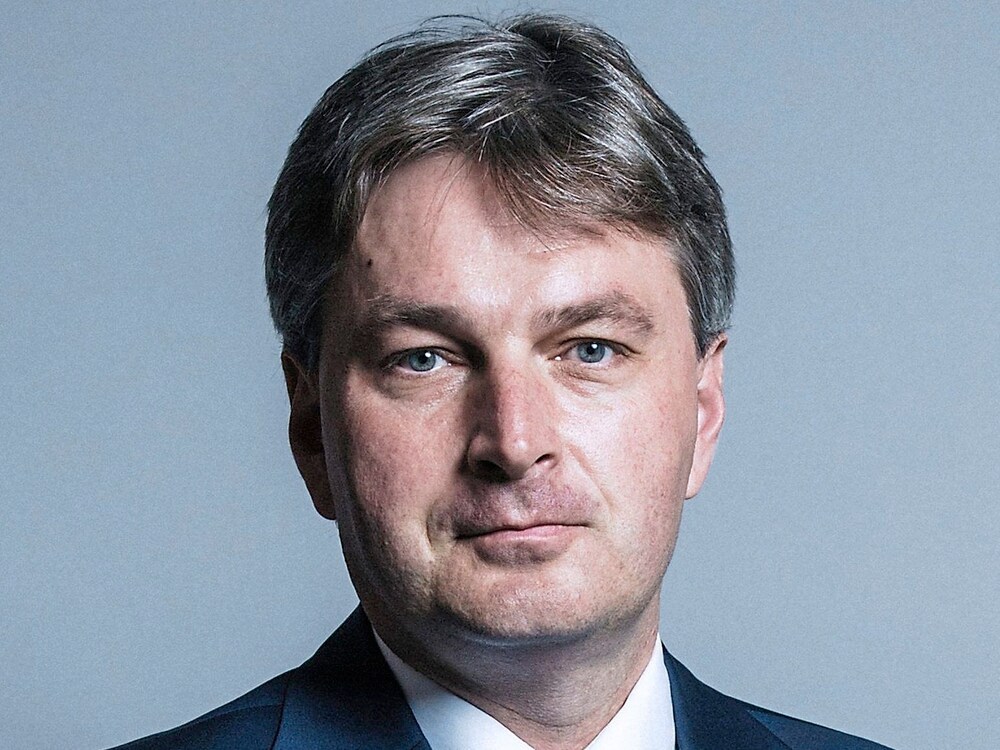
Daniel Kawczynski MP: The investigation continues, and early indications are that the missile was part of Ukraine’s air defence response to a large-scale Russian rocket attack that day. That does not alter the fundamental point. Vladimir Putin launched this war of aggression. He ordered the sustained barrage that forced Ukrainian forces to defend their own critical infrastructure so close to the Polish border. Those two people would not have died if Russia had not invaded. Moscow’s regime must be held to account for the full range of crimes committed in Ukraine since February, and for now our support for Poland itself has to be unambiguous and sustained.
BP: You recently visited Warsaw with other parliamentarians. What did that show you about the geopolitical and refugee pressures on Poland?
DK: The scale is unlike anything I have seen in Europe in my lifetime. Millions of Ukrainians have crossed into Poland, turning it into one of the world’s largest refugee-hosting countries almost overnight. Local services such as housing, schools, healthcare are under severe strain, and the economic cost is running into many billions of pounds. Poland is doing a great deal, but it cannot carry this alone indefinitely. EU financial assistance so far has been very limited relative to the actual expenditure. That imbalance needs to be corrected if the broader effort is to remain sustainable.
BP: Poland has also been one of the largest providers of military support. How significant is that in practical terms?
DK: It has been decisive in several areas. Poland has supplied substantial quantities of equipment, including systems developed jointly with British industry that have proven highly effective. At the same time, Warsaw is increasing its own defence spending well above the NATO target and has set a clear path toward a higher figure still. That stands in contrast to some larger European partners whose contributions have been slower and whose own defence budgets remain below agreed levels. Poland’s eastern regions are effectively serving as a logistics and staging area for much of the assistance reaching Ukraine; that role carries real risks and costs that should be recognised more fully by allies.
BP: Looking beyond the immediate crisis, what does Poland’s approach to energy security tell us?
DK: Poland stopped importing Russian gas and has invested for years in alternative routes, LNG terminals and the Baltic Pipe linking it to Norwegian supplies. It warned repeatedly about the dangers of over-dependence on Russian energy and the risk of political blackmail. Those warnings have been borne out. The country is also connecting its power grid with Ukraine’s, which strengthens both. Poland’s determination to reduce vulnerability was not accidental; it reflected a clearer-eyed assessment of Russian intentions than some of its neighbours adopted. That same realism should guide the longer-term support we give both Poland and Ukraine if the war is to be contained and eventually finished.
Daniel Kawczynski is the Conservative MP for Shrewsbury and Atcham and chairs the All-Party Parliamentary Group on Poland.