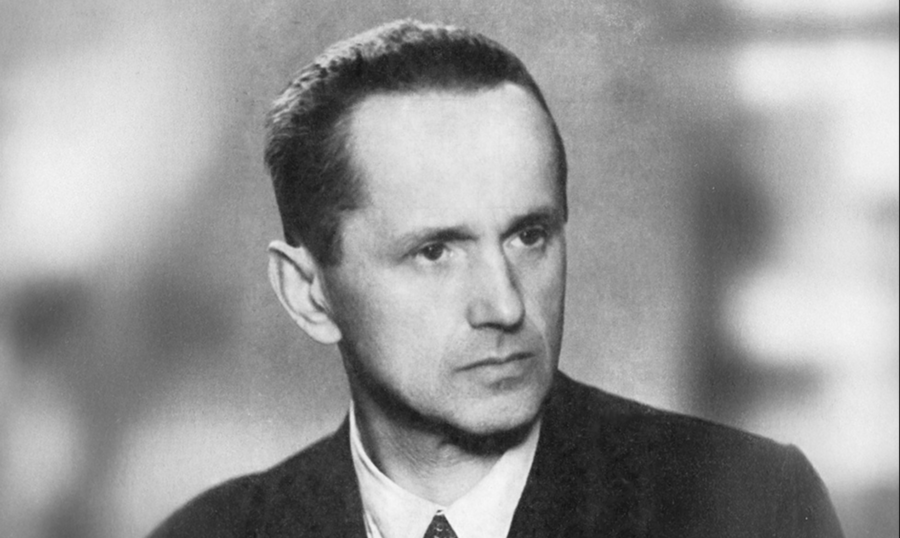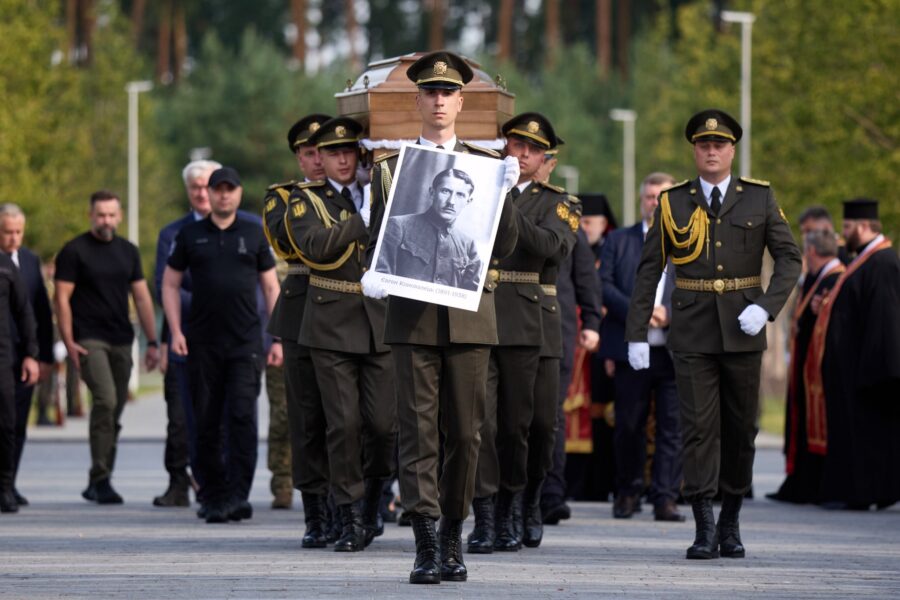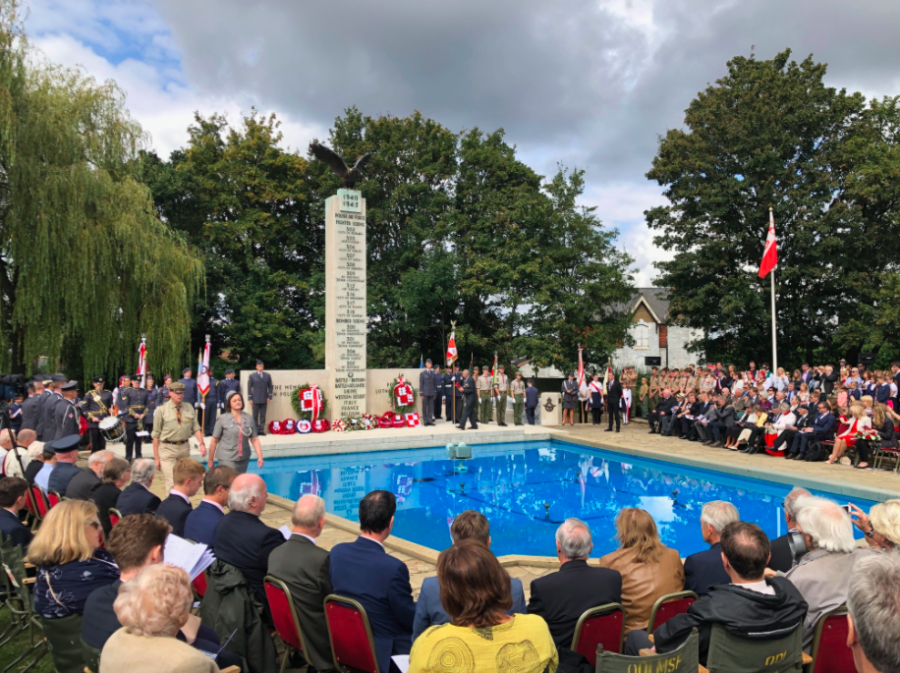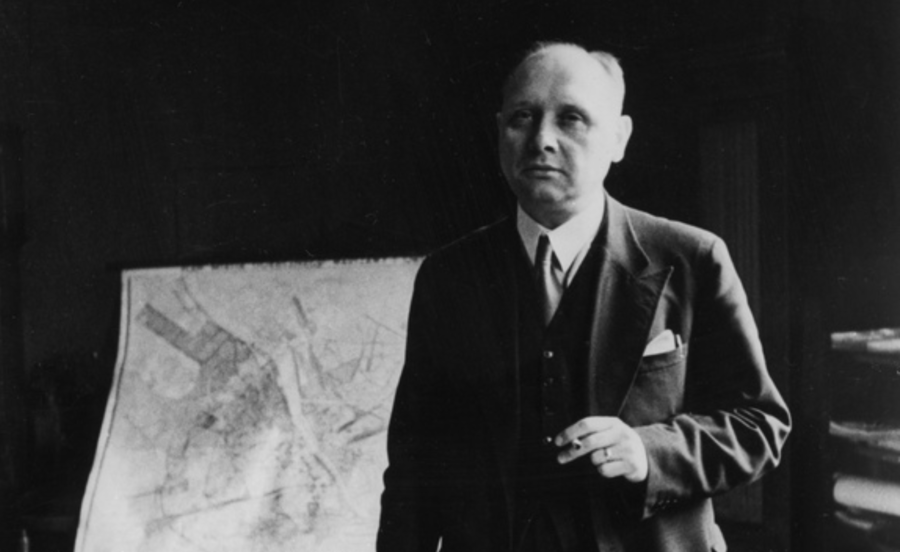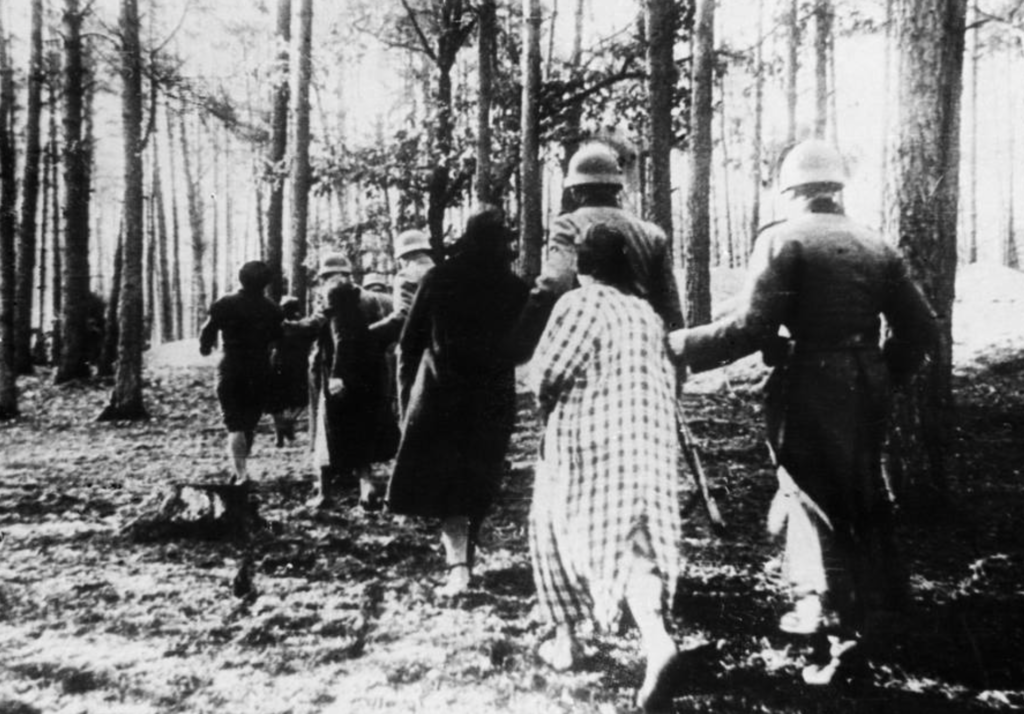
The Speaker of the Polish Parliament Maciej Rataj and famous athlete Janusz Kusociński, were among those killed in the largest execution carried out by the Germans on 20-21 of June 1940 in the forest of Palmiry. Between December 1939 and July 1941, the occupation authorities carried out 21 executions, in which more than 1,700 people were killed. Situated on the edge of the Kampinos Forest, the name of the village is synonymous with the fate of the Polish intelligentsia during the German occupation.
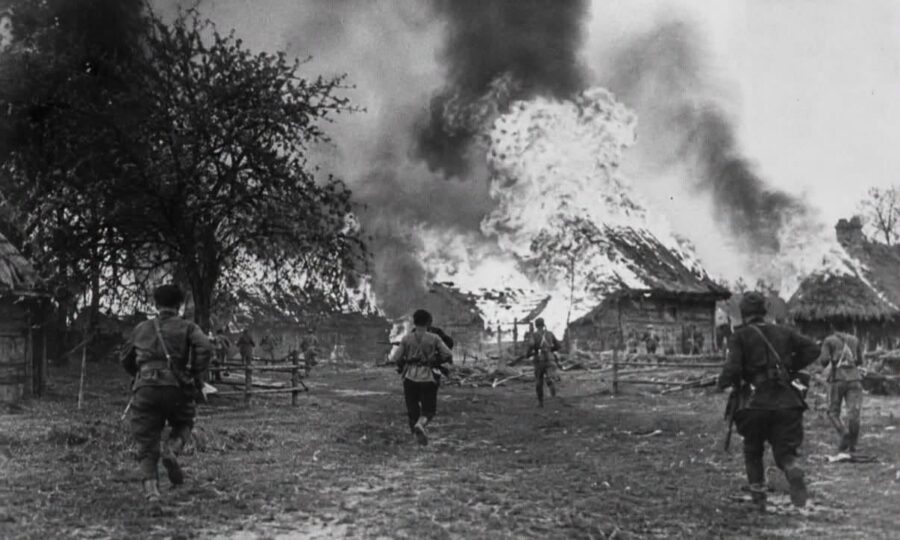
From the start of the German aggression against Poland, the “new authorities” implemented large-scale extermination operations against the Polish society, described by German institutions as an action of “political cleansing of the territory”. One of these operations was called Intelliligenzaktion (Intelligentsia Action), although its victims were – besides representatives of the Polish elite – all those considered to be associated with the idea of an independent Polish state.
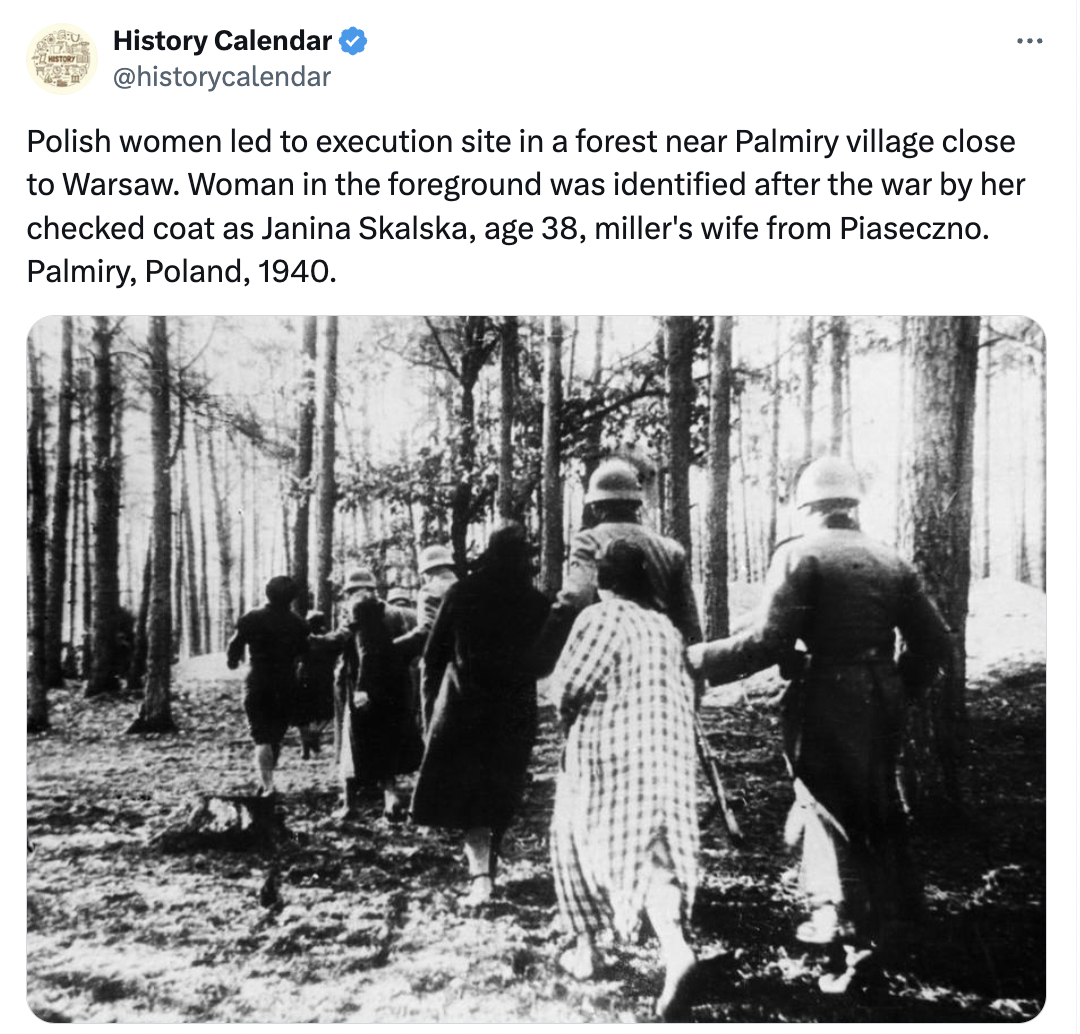
The repressions took particularly bloody forms in the lands directly incorporated into the III Reich, especially in Pomerania, on which the population had to match the standards of becoming Reich’s citizen or accept other humiliating roles. In the General Government, established on the territory of central Poland, extermination operations continued in the spring and summer of 1940 as part of the so-called Operation AB. Another specific place for such operations was the Polish capital city – Warsaw – as the natural point of resistance.
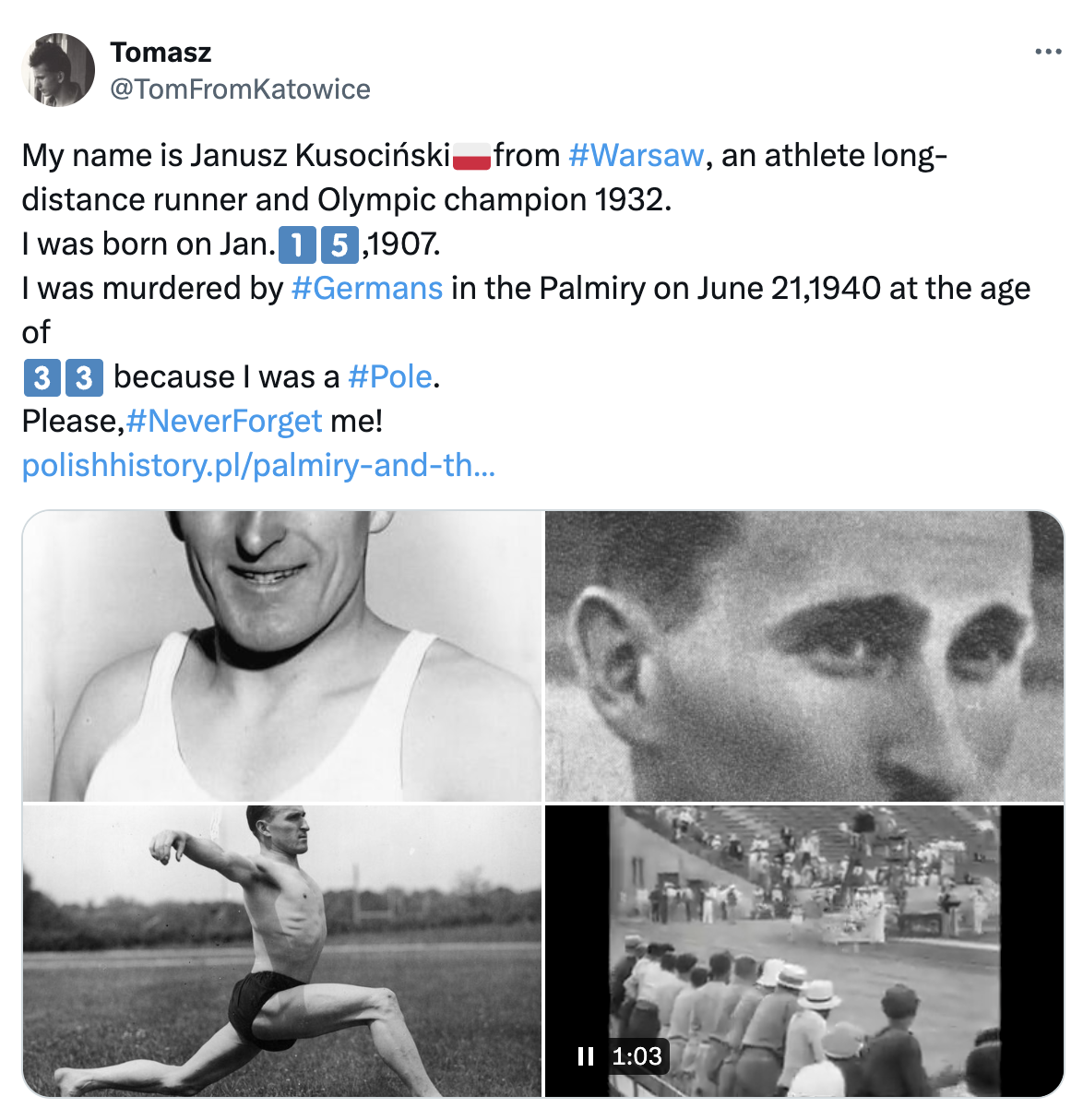
The victims were mainly selected among lawyers and other legal professionals, engineers, artists, doctors, soldiers, athletes, political activists, civil servants, including the Speaker of the Polish Parliament Maciej Rataj, socialist activist and MP Mieczysław Niedziałkowski and Janusz Kusociński, famous athlete and recipient of a gold medal at the 1932 Olympic Games in Los Angeles.
The executions were mainly perpetrated by SS and Security Police units. The SS and police commander for the Warsaw district, Josef Meisinger, was responsible for the plan. He was sentenced to death in Warsaw in March 1947. Another criminal, the commander of the SD and police for the Warsaw district, Ludwig Hahn, was sentenced to life imprisonment in July 1975. The direct executors were not identified and remained unpunished.
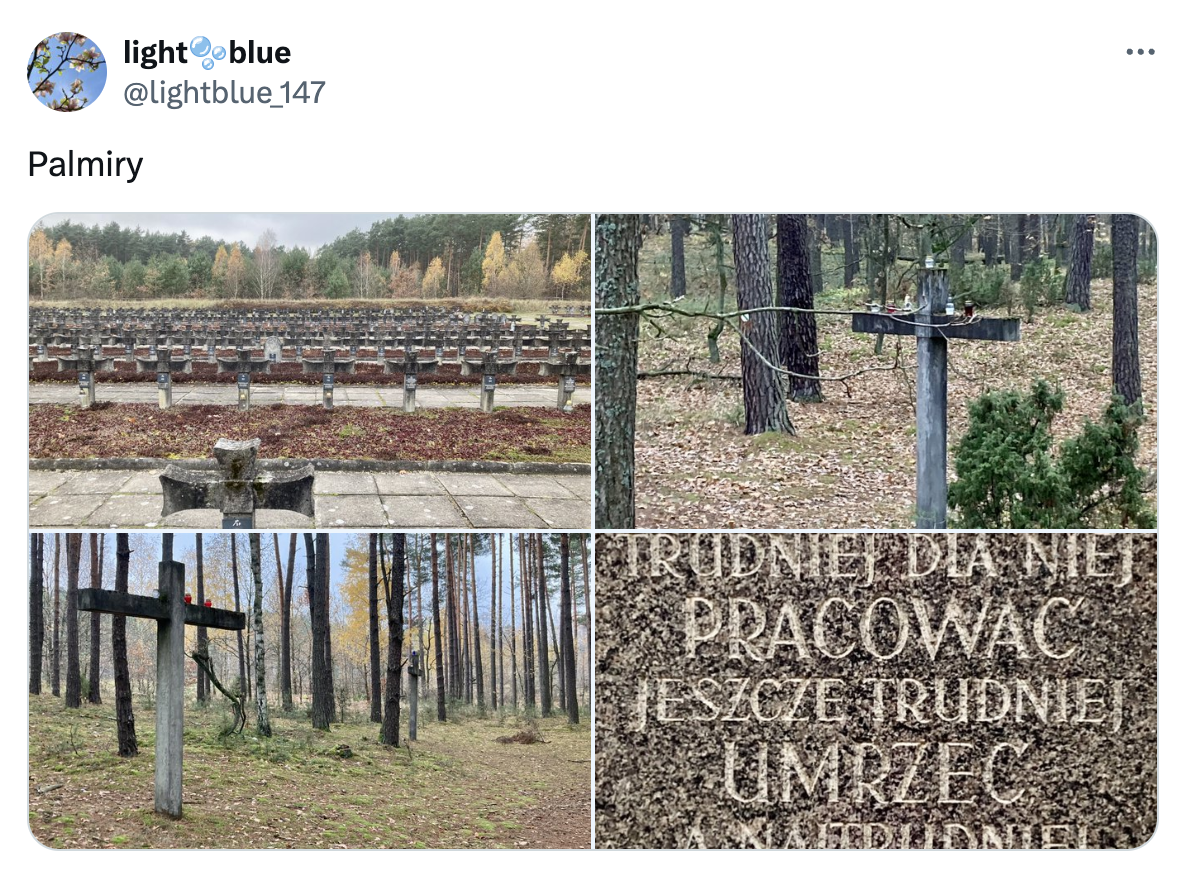
The cemetery, established in 1948, holds the remains of 2,115 victims found in the Kampinos Forest and Chojnowskie Forests. There are 577 tombstones of identified people and 485 names of people known to have died in Palmiry but whose bodies have not been recognised are also known. Other victims remain nameless. The Museum of Struggle and Martyrdom at Palmiry was established in 1973 and has now operating under the name of Palmiry Memorial Museum since 2010.
Tomasz Modrzejewski
Photo: IPN