A recent letter published in the Financial Times has renewed attention on the often-understated contribution of Polish cryptologists to one of the most decisive intelligence achievements of the Second World War. Written by Professor Robert Gawłowski of WSB Merito University in Bydgoszcz, the letter responds to a column by Professor Muffy Calder on contemporary cyber threats and the need for a “Bletchley Park 2.0”, arguing that the historical lesson of Enigma lies not only in technical brilliance but in international co-operation.
Professor Gawłowski reminds readers that the success associated with Bletchley Park “was not down to its own efforts, but rather the result of international teamwork and the continuation of the efforts started in previous years”.
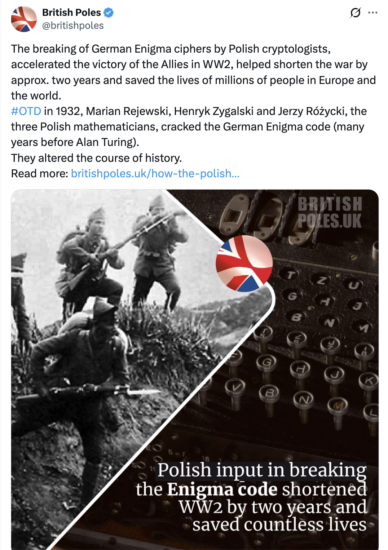
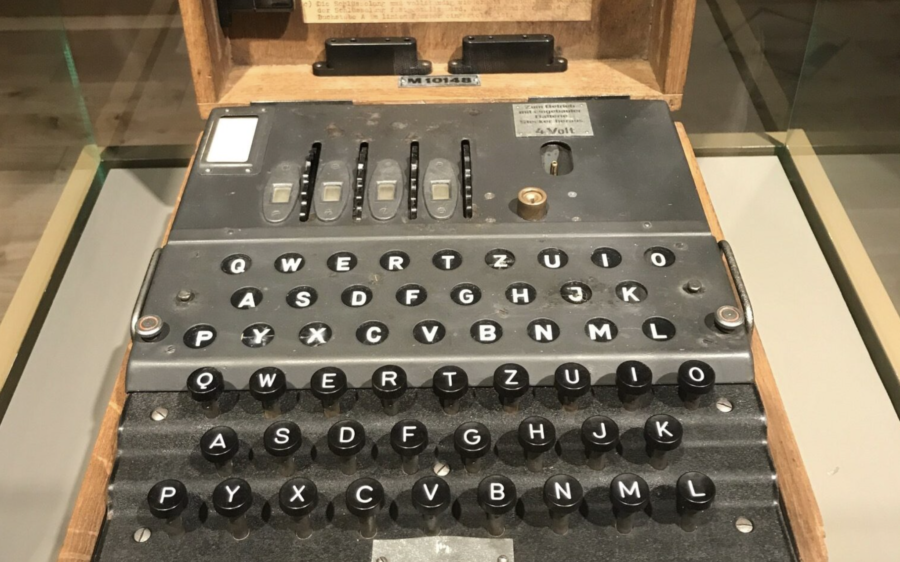
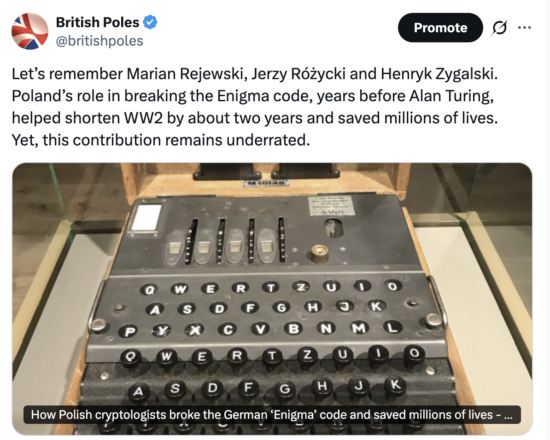
Central to those earlier efforts were the Polish mathematicians Marian Rejewski, Henryk Zygalski and Jerzy Różycki, who broke the Enigma cipher as early as 1932 and developed methods that allowed it to be read on a daily basis.
The letter highlights a decisive moment in July 1939, when the Polish team met their French and British counterparts in Pyry, near Warsaw. At that meeting, Rejewski and his colleagues “demonstrated how to crack the machine and gave each Allied side a replica of it”, effectively transferring the knowledge that would later underpin British wartime codebreaking.
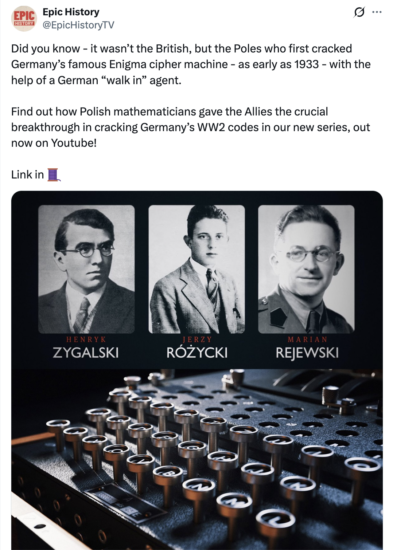
As Professor Gawłowski puts it, the Polish cryptologists passed on the Enigma “relay baton”, enabling Alan Turing and others to continue the work at Bletchley Park.
Further collaboration followed even after the outbreak of war. In January 1940, the Polish team met Turing in Paris to share their expertise in person. According to the letter, “in light of the current cyber threats, the significance of this meeting cannot be overstated”.
It is presented not merely as a historical footnote, but as “a valuable lesson in co-operation and trust”.
The letter places this history firmly in a modern context. While acknowledging Professor Calder’s warning about cyber threats posed by hostile states and organised crime,
Gawłowski stresses that such dangers “are certainly not just a challenge for states” but global problems requiring multilateral solutions.
The anniversary of the meeting between Rejewski and Turing is therefore described as especially meaningful today, symbolising the power of shared knowledge in confronting complex security challenges.
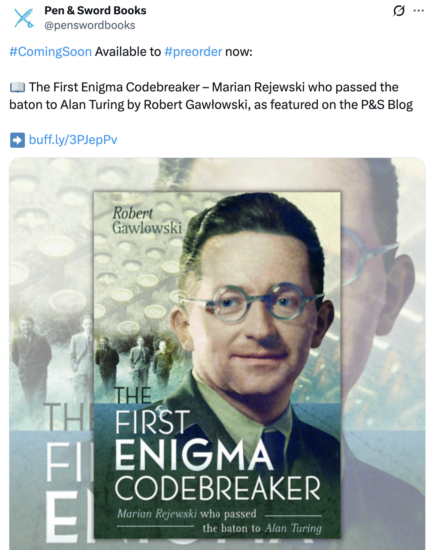
By foregrounding Poland’s role in the Enigma story, the letter calls for a more complete understanding of how one of the 20th century’s most famous intelligence successes was achieved. Its central message is clear: technological breakthroughs matter, but without international trust and collaboration, even the most brilliant ideas may never reach their full potential.
Source: Financial Times
Tomasz Modrzejewski