In what German media described as an “incident” on Monday in the border town of Gubin, Brandenburg, German federal police were prevented from returning two Afghan nationals to Poland after Polish border authorities refused to accept them.
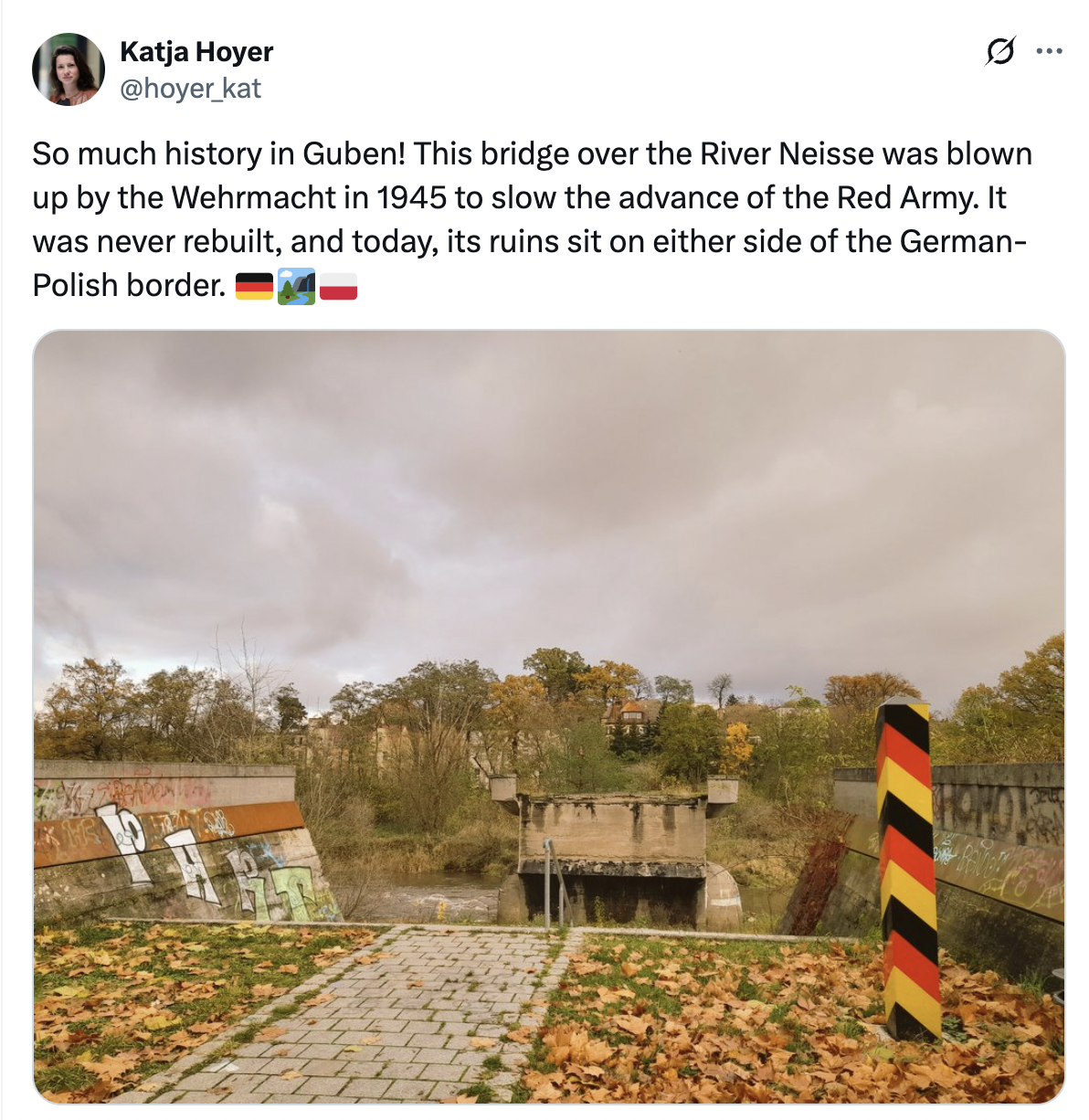
According to a report published by Der Spiegel, the two men, aged 20 and 23, were intercepted near the Polish border at approximately 5:45 am, close to a railway bridge crossing the River Neisse. Lacking valid residency documents, the pair informed officers they had just crossed the bridge from Poland. Shortly after their detention, they expressed their intention to seek asylum in Germany.
Despite this declaration, German authorities attempted to return the men to Poland under new rules introduced by the German government the previous week. The new policy allows federal police to turn back asylum seekers at the border if they are arriving from another EU member state or Switzerland—countries considered “safe” under German law.
However, the Polish Border Guard refused to accept the return of the two Afghan citizens, effectively blocking the German officers’ efforts. With no alternative, the men were transported to the migrant reception facility in Eisenhüttenstadt.
This case underscores the growing tension and operational complications arising from Germany’s tightened border controls and highlights the lack of cooperation in certain cross-border asylum procedures.
In the aftermath of the recent border incident in Gubin, Polish officials made it clear that the two Afghan nationals had lodged an asylum request in Germany. Citing information from German police sources, Der Spiegel reports that, from the Polish perspective, this activated the Dublin Regulation.
Under the terms of this EU-wide agreement, Germany is now obliged to admit the asylum seekers and determine which member state is responsible for processing their application. This mechanism is designed to prevent multiple asylum claims across the EU and to ensure that one member state assumes responsibility for each case.
The Dublin Regulation grants German authorities a six-month window to initiate a transfer to the responsible country, typically the first EU state entered by the applicant. If no such transfer occurs within that period, responsibility defaults to Germany, and the individuals must be allowed to remain.
This interpretation by Polish border authorities effectively blocked the immediate return of the Afghan men, highlighting the legal complexity and diplomatic friction surrounding border enforcement and asylum law within the European Union.

Previous attempts to return migrants from Germany to Poland faced protests in the border towns between the two EU countries.
According to various sources, between January 2024 and February 2025, German authorities returned over 11,000 migrants to Poland. This figure encompasses both formal transfers under EU agreements and informal returns conducted during border checks.
Only about 1,000 were returned based on the Dublin Convention. In most cases, the German police worked based on mobile border controls, often without prior notification to Polish authorities.
Source: PAP
Photo: @ZaPLMundurem
Tomasz Modrzejewski