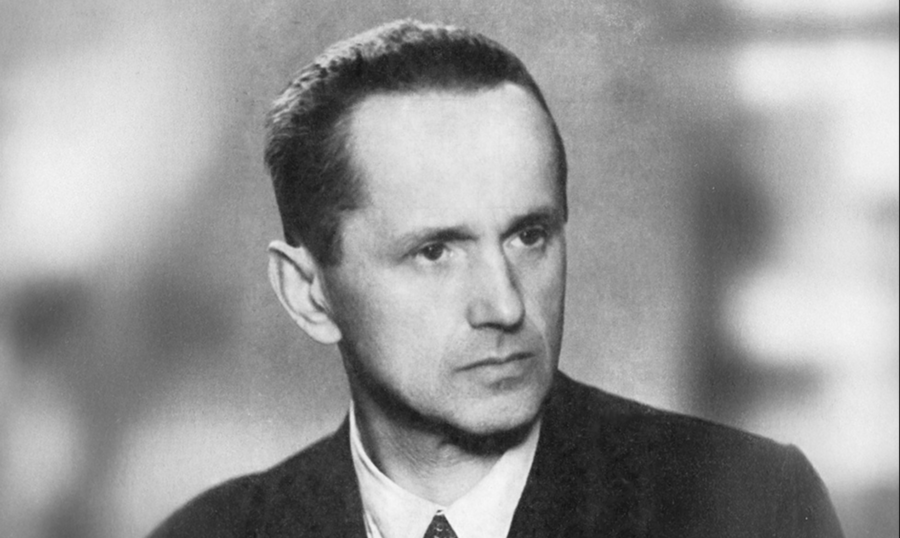
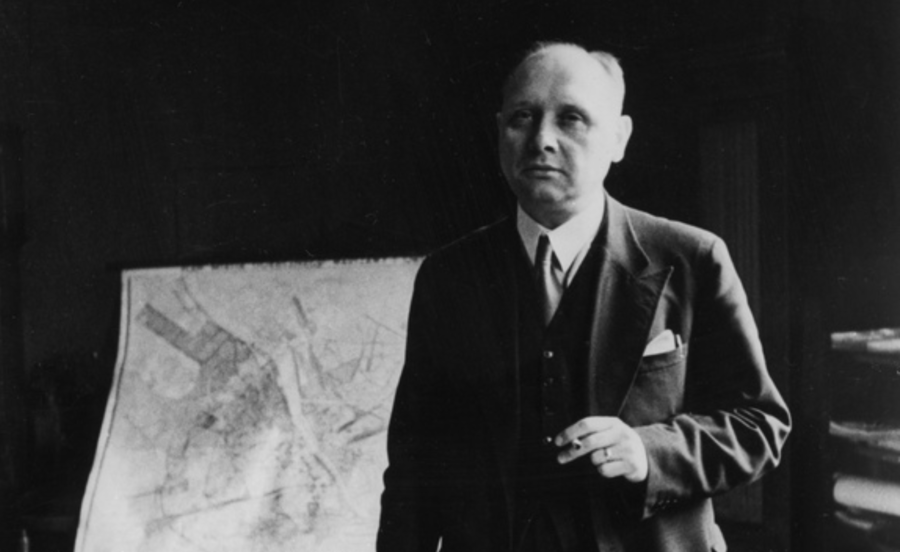
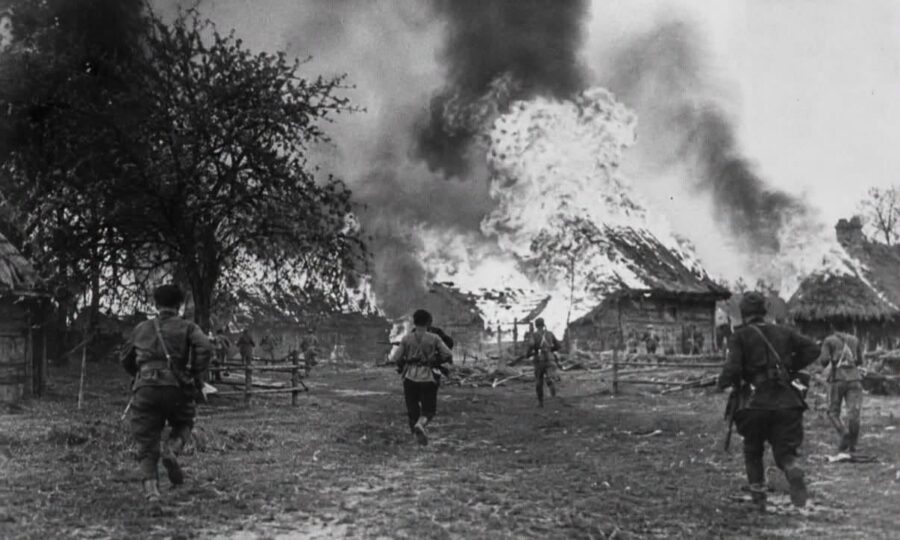
Born in 1895, in the town of Piotrków Trybunalski, into a family shaped by noble traditions and an unwavering belief in Poland’s right to independence. That child, Stefan Rowecki, would grow into one of the most influential leaders of the Polish resistance during the Second World War. Rowecki’s journey reflects both the tragedy and tenacity of a nation fighting to reclaim its future.
In 1911, barely into his teens, Rowecki established one of the first clandestine Scout units in the region, an early sign of his leadership and defiance of Russian imperial rule. A year later, he moved to Warsaw to study electrical engineering at the Wawelberg and Rotwand School of Mechanical and Technical Sciences. But even as he pursued technical studies, his focus remained fixed on Poland’s national liberation.
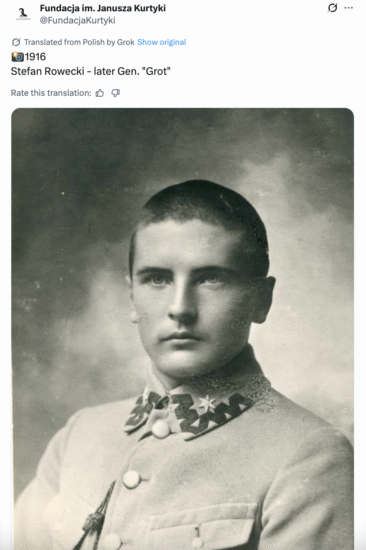
By early 1913, Rowecki had joined the Polish Rifle Squads (Polskie Drużyny Strzeleckie), adopting the nom de guerre “Radecki.” After attending a winter instructor course in Rabka in 1914, he returned to Warsaw as a non-commissioned officer and led a unit within the capital’s Rifle Squad company.
That summer, as war swept across Europe, Rowecki joined the Polish Legions that fought along the Austro-Hungarian Army, fighting initially with the 1st and later the 5th Infantry Regiment. He was promoted to second lieutenant in December 1914 and sustained serious injuries during fierce engagements near Klimontów in 1915 and later near Maniewicze during the retreat from Kostiuchnówka in 1916.
Following the so-called Oath Crisis of 1917, Rowecki was interned by the Germans in Beniaminów. Upon release in early 1918, he became an instructor at the cadet school in Ostrów Mazowiecka under the German-organised Polish Armed Forces.
At the close of the First World War, Rowecki led a small Polish unit that captured a German company near Sadowo an act that epitomised the shifting tides of power in the region. By 1919, he became a lecturer in fortifications at Modlin and a student at the General Staff War School. His wartime credentials earned him the rank of captain and a role in the newly formed Polish General Staff.
During the Polish-Soviet War of 1920, Rowecki played a crucial role in leading a daring breakout from encirclement near Lutsk. He soon became head of intelligence for the South-Eastern Front and later for General Edward Rydz-Śmigły’s strike group.
Following Poland’s hard-won independence, Rowecki moved into key staff roles, first as deputy chief of Operational Planning and then as section head within the War Council’s secretariat. A short secondment to a front-line infantry regiment in Suwałki in 1922–23 kept him grounded in field realities.
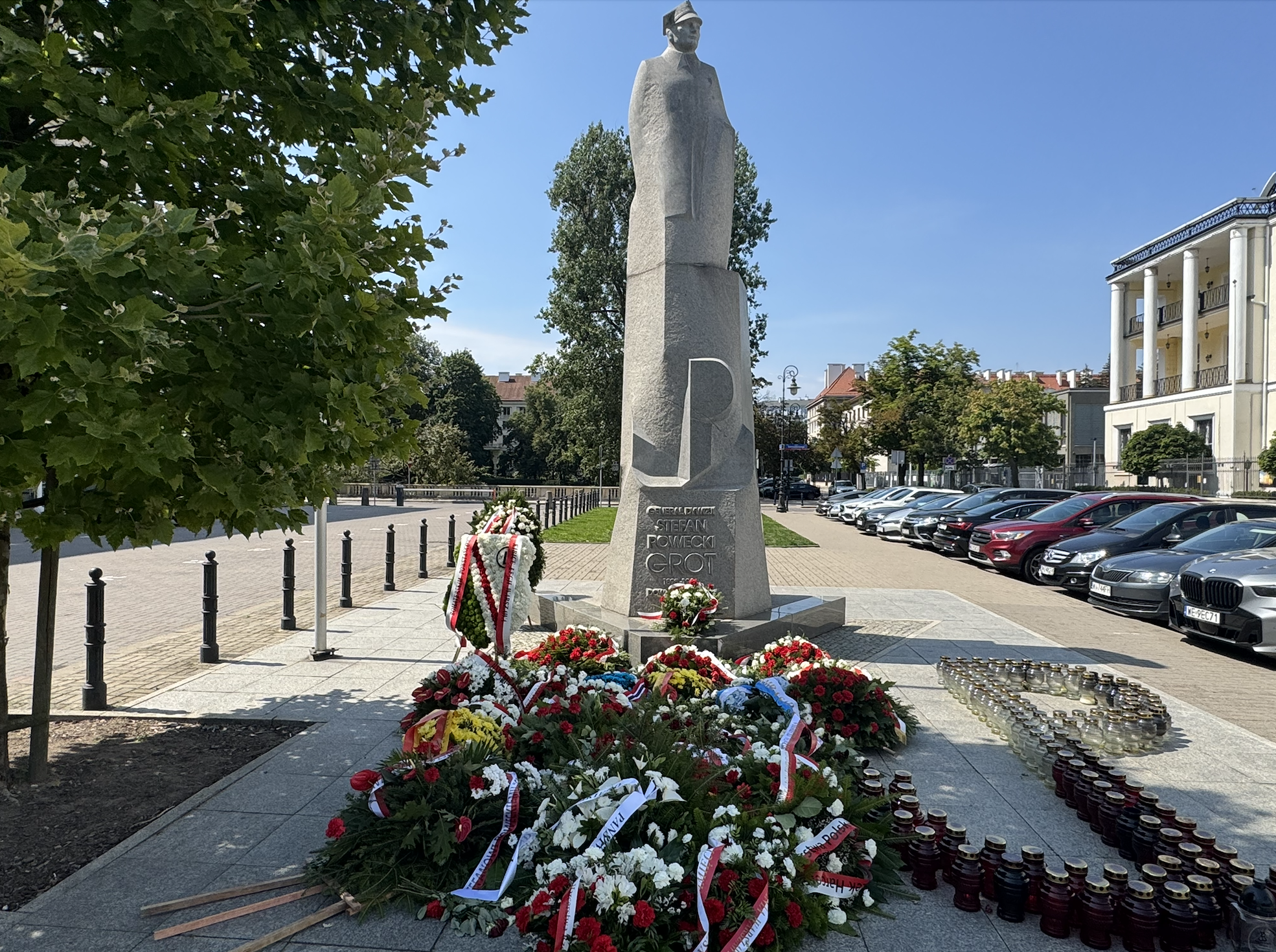
From 1923 to 1926, he directed the Scientific and Publishing Department of the Military Institute, where he launched the influential Przegląd Wojskowy (Military Review). His editorial work also extended to Bellona, Sapper, and Military Engineer, as well as Cavalry Review. Fluent in several languages, he translated military theory from Russian, German, and French, always keen to apply international insights to the Polish context.
Neutral during the May Coup of 1926, Rowecki was nonetheless promoted that year to the rank of staff lieutenant colonel. He went on to serve in high-level staff positions and, in 1930, took command of the 55th Infantry Regiment in Leszno. In 1936, he assumed leadership of the Border Protection Corps Brigade “Podole,” and two years later became deputy commander of the 2nd Infantry Division in Kielce.
Just before the outbreak of the Second World War, Rowecki attended a command course for senior officers in Toruń. In June 1939, he was entrusted with forming the Warsaw Armoured-Motorised Brigade.
When World War 2 started, Rowecki’s brigade fought bravely under the banner of the Lublin Army during the German invasion, holding ground along the central Vistula and in the Lubelskie region. After the army’s capitulation near Tomaszów Lubelski on 20 September 1939, he slipped into Warsaw.
In October, Rowecki joined the underground resistance as deputy commander of the Service for Poland’s Victory (SZP). Known by numerous aliases, “Grot”, “Rakoń”, “Tur”, “Kalina”, and more, he became a central figure in the embryonic Polish Underground State.
By January 1940, he was heading ZWZ District I (Warsaw) and, by March, he was officially appointed Commander of ZWZ (Union for Armed Struggle) in German-occupied Poland. In May, he was promoted to brigadier general and, from June 1940, served as the organisation’s Chief Commander.
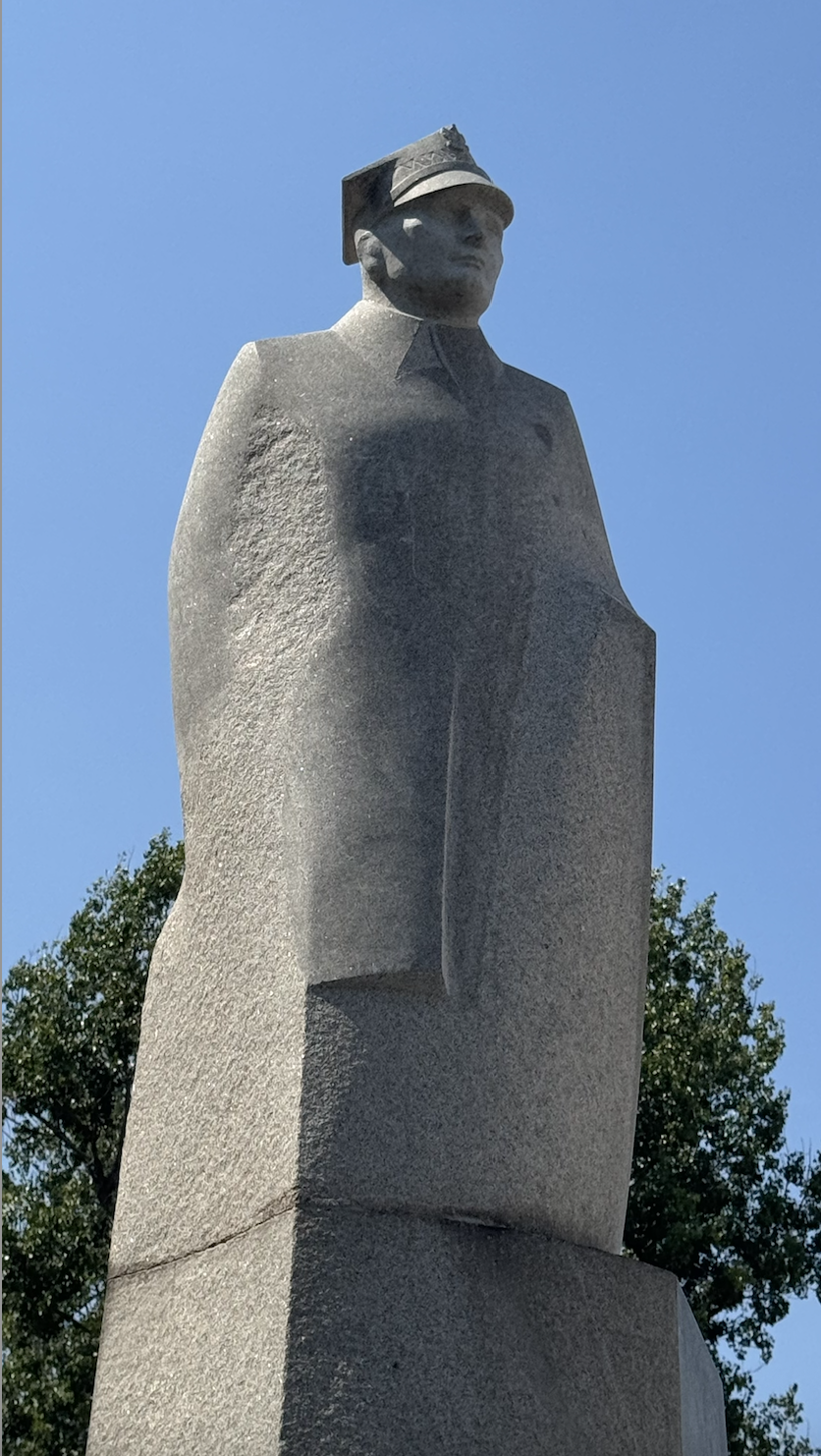
Under his direction, ZWZ underwent major professionalisation. He oversaw the founding of “Action N”, a covert propaganda and psychological warfare unit targeting the German occupiers. In the summer of 1941, he initiated the creation of the sabotage organisation “Wachlarz,” aimed at disrupting German operations in the East.
On 14 February 1942, ZWZ was transformed into the Home Army (Armia Krajowa, AK), with Rowecki as its first Commander-in-Chief. He was adamantly opposed to cooperation with the communist Polish Workers’ Party (PPR) and began planning for a national uprising. From December 1942, he also acted as the in-country representative of the Minister of National Defence.
Rowecki’s name topped the Gestapo’s most-wanted list in occupied Poland. Despite the danger, he rejected full-time personal protection and often travelled around Warsaw without an escort, insisting on limiting his security to official meetings only.
Tragically, Rowecki’s downfall came not at the hands of the enemy in battle, but through betrayal from within. On 30 June 1943, he was arrested by the Gestapo in a Warsaw flat after being denounced by three agents within the AK’s intelligence network: Blanka Kaczorowska, Ludwik Kalkstein, and Eugeniusz Świerczewski.
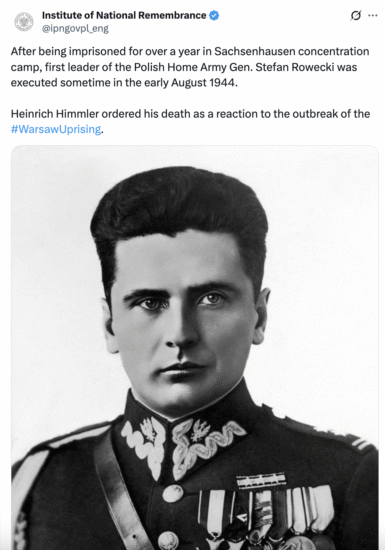
Taken to Berlin, Rowecki refused offers of collaboration. He was then transferred to the Sachsenhausen concentration camp, held in a section reserved for high-profile prisoners. Shortly after the outbreak of the Warsaw Uprising, on the direct orders of SS chief Heinrich Himmler, he was executed most likely between 2 and 7 August 1944. The exact circumstances of his death and the location of his grave remain unknown.
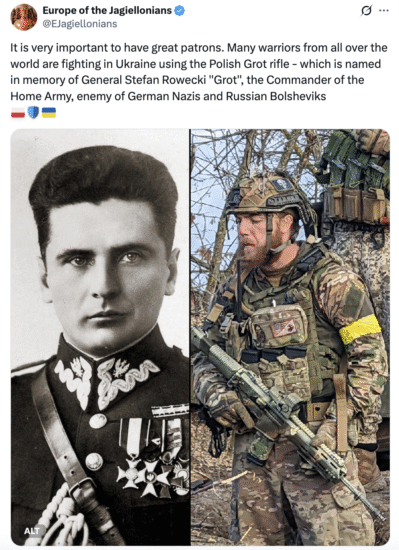
General Stefan Rowecki, known by his wartime pseudonym „Grot” (“Arrowhead”), remains a towering figure in Poland’s struggle for freedom. He was posthumously honoured with some of the nation’s highest awards, including the Virtuti Militari (Classes IV and V), the Cross of Independence, the Order of Polonia Restituta (Class IV), and the Cross of Valour, awarded to him nine times.
Source: PAP
Photo: IPN, British Poles
Tomasz Modrzejewski