On 10 July 1940, the skies above southern England became the stage for one of the most pivotal confrontations of the Second World War—the Battle of Britain. For Adolf Hitler, it was meant to be a prelude to invasion. For Winston Churchill, it was a fight for national survival. When the Luftwaffe failed to gain air superiority, Hitler’s dream of conquering the British Isles was decisively dashed. Among the many who helped secure this outcome were the Polish pilots, whose valour and skill became legendary.
When France fell to Germany in June 1940, Adolf Hitler anticipated swift British capitulation. Isolated, vulnerable, and seemingly without options, Britain appeared ready to accept German terms. But the Führer underestimated Winston Churchill. The newly appointed Prime Minister refused any compromise with fascism and steeled the nation with unforgettable words: “We shall defend our Island, whatever the cost may be… we shall never surrender.”
Churchill’s resolve marked the beginning of a new chapter in the war—one that would unfold not on land, but in the skies.
Unable to launch an amphibious invasion while the Royal Navy ruled the seas, Hitler turned to the Luftwaffe. Operation Sea Lion, the codename for the planned assault on Britain, would begin with a massive air campaign designed to break RAF resistance and pave the way for German troops. Hermann Göring, head of the Luftwaffe, was confident that his bombers and fighters could sweep the skies clear.

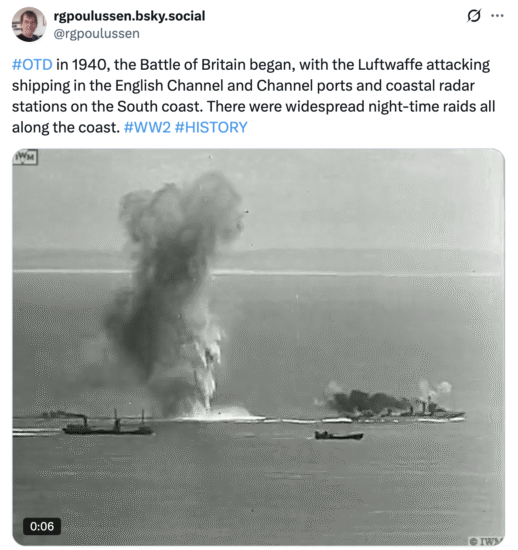
Initial attacks targeted British convoys and ports along the Channel. But the campaign quickly escalated. By August, the full fury of the Luftwaffe was directed inland—airfields were bombed, radar stations disabled, and aircraft factories pounded. As German squadrons intensified their raids, major cities such as Birmingham, Liverpool, and Norwich became nightly targets.
Sorties by RAF pilots surged from 400 to almost 1,000 per day. Yet despite Britain’s ability to produce new aircraft, it was the shortage of experienced fighter pilots that threatened to tip the balance.
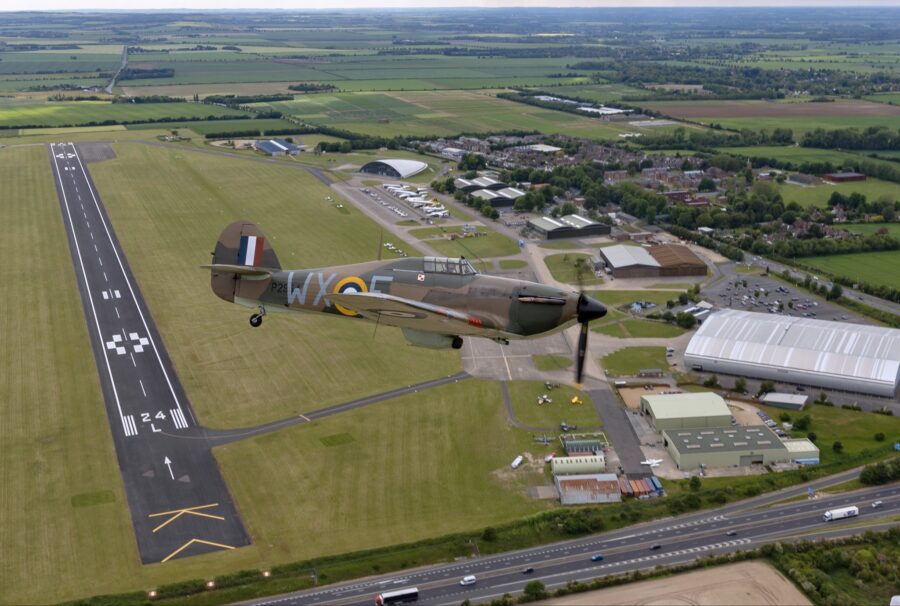
To close the gap, the RAF turned to its allies. In August 1940, squadrons made up of Polish, Czech, and Canadian pilots were thrown into the fray. Among them were the now-legendary Polish 302 and 303 Fighter Squadrons, as well as the 300 and 301 Bomber Squadrons. Their arrival was timely: Luftwaffe raids were reaching their peak.
The Polish pilots brought not only exceptional skill but also raw determination. Having seen their homeland overrun in 1939, they had every reason to fight. They attacked with distinctive aggression, closing the distance to near point-blank range before firing and often diving into German formations to break their cohesion. Their style was unorthodox but effective, and their bravery earned widespread respect.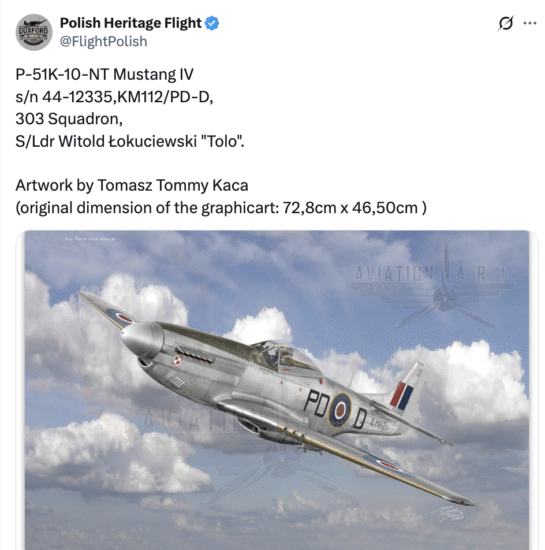
As German hopes for a quick victory began to fade, Hitler shifted tactics. From September, the Luftwaffe turned its attention to terror bombing Britain’s cities. On 7 September alone, more than 900 bombers descended on London, beginning a relentless campaign that killed over 2,000 civilians in its first week.
But the tide was turning. On 15 September—now honoured as Battle of Britain Day—the RAF shot down over 60 German aircraft in a single afternoon. The Luftwaffe suffered devastating losses, and its momentum was broken. From that point on, large-scale raids became rare, and the once-ominous drone of enemy bombers over London grew less frequent.
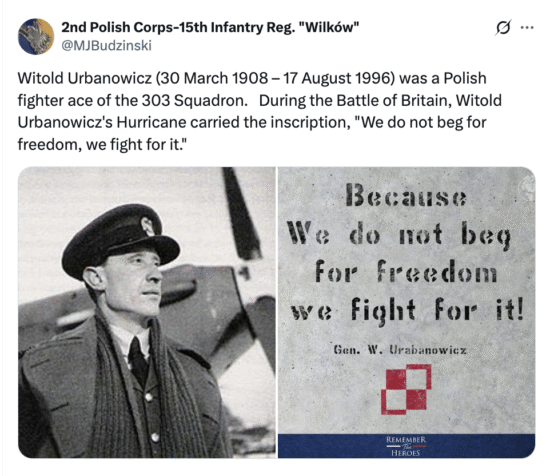
Polish pilot Witold Urbanowicz, commander of 303 Squadron, later described the chaos and spectacle of those dogfights: “Burning planes, parachutes, tracer fire—it must have looked extraordinary from the ground… sometimes it was so confused we even shot at our own.”
By October, Luftwaffe raids had dwindled to sporadic night-time attacks. The final major bombings of London, on 6 and 8 October, caused destruction but failed to produce any strategic advantage.
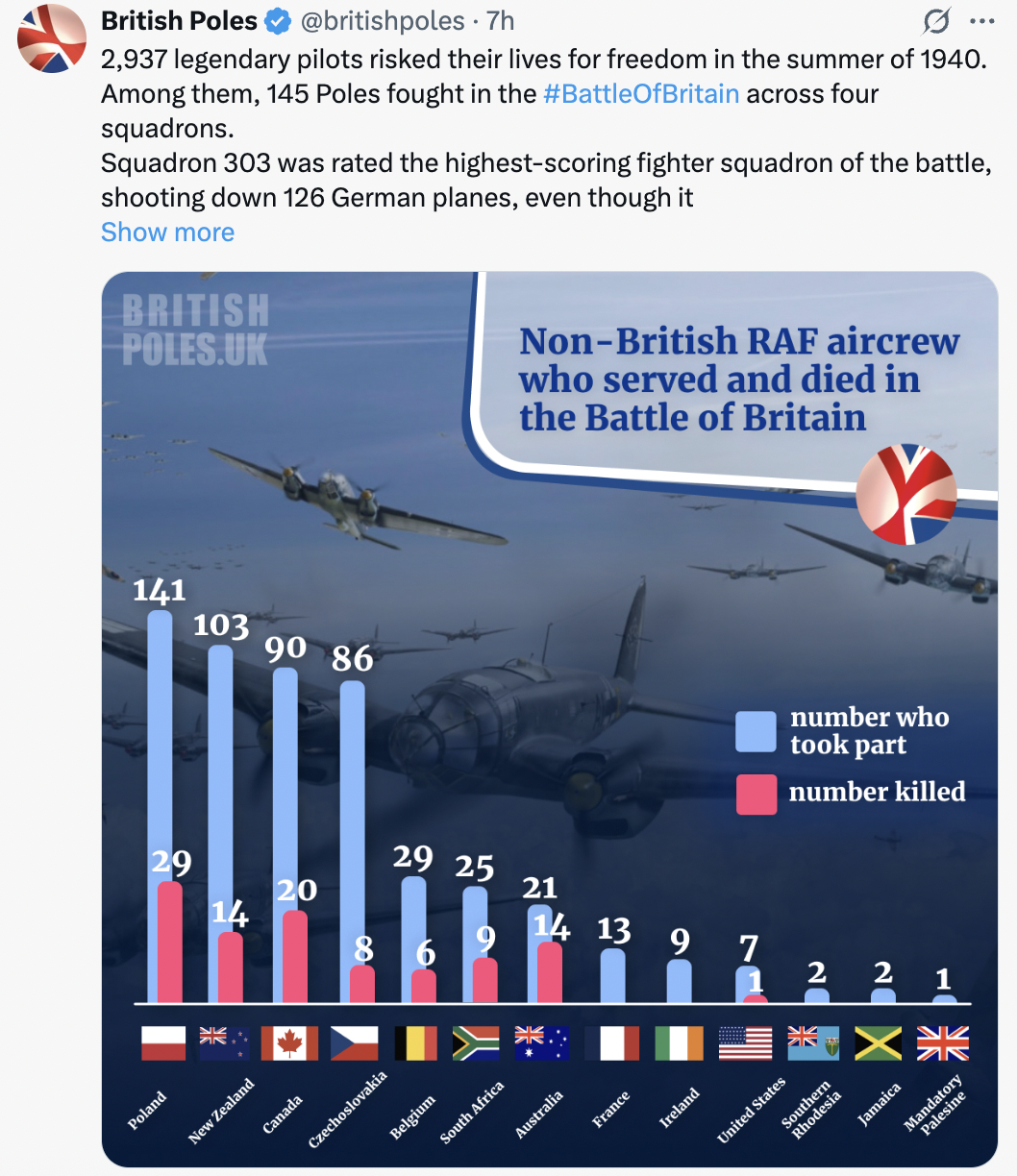
Britain’s factories remained operational, its military unbroken. The Luftwaffe, meanwhile, had lost 1,733 aircraft and more than 2,500 aircrew—half the force it had committed. The RAF, though battered, retained its defensive edge, having lost 1,087 aircraft and hundreds of pilots.
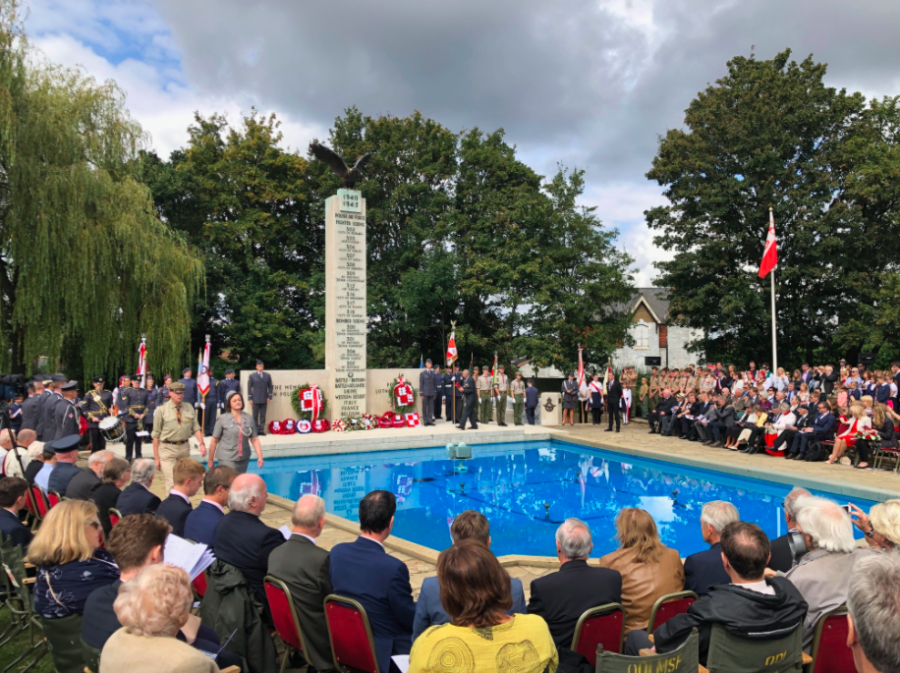
Among the 144 Polish pilots who fought in the Battle of Britain, 29 were killed. Together, they were credited with shooting down 170 German aircraft and damaging dozens more. Their skill and sacrifice became one of the war’s most remarkable, if often overlooked, contributions.
One of the most celebrated Polish pilots was Stanisław Skalski, already a veteran from the September Campaign. Assigned first to 302 Squadron and later to the RAF’s 501 Squadron, Skalski scored his first kill on day one. Just days later, on 5 September, he was shot down and wounded, but managed to parachute to safety. He would go on to become the top Polish ace of the war, with 18 confirmed kills and 11 unconfirmed.

After returning to Poland in 1947, Skalski became an instructor but was soon arrested by the communist authorities under fabricated charges of espionage. He endured brutal interrogations, a tragic postscript to a heroic war record.
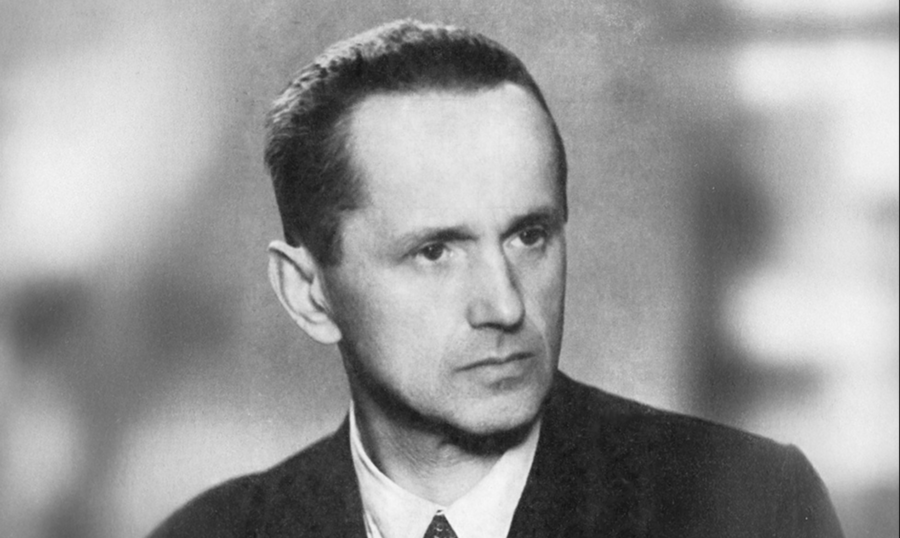
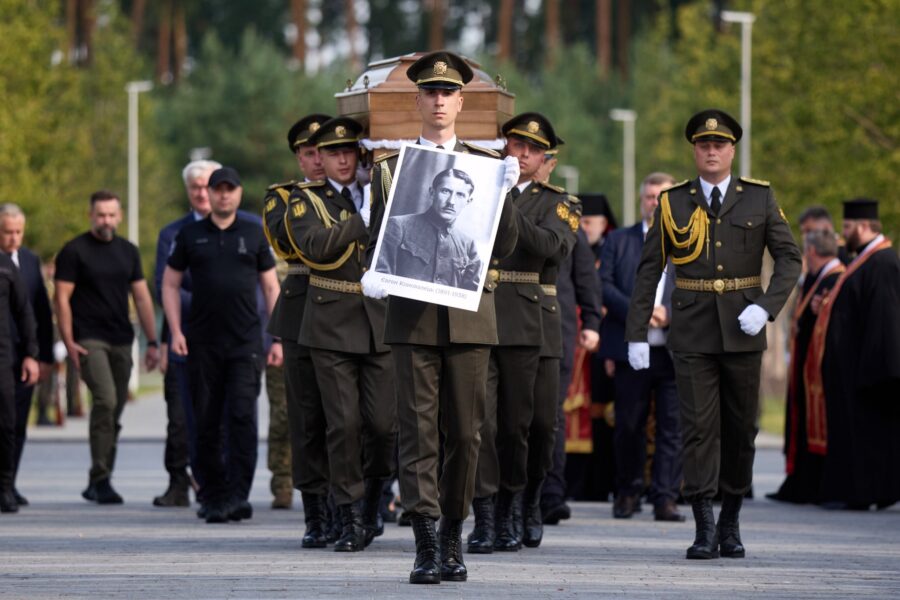
Another remarkable figure was Zdzisław Krasnodębski, the original commander of 303 Squadron.

A veteran of multiple conflicts, he was shot down and badly burned during a September sortie. From his hospital bed, he received the Silver Cross of the Virtuti Militari. After the war, he remained in exile. In 2009, he was posthumously awarded the Commander’s Cross of the Order of Polonia Restituta.
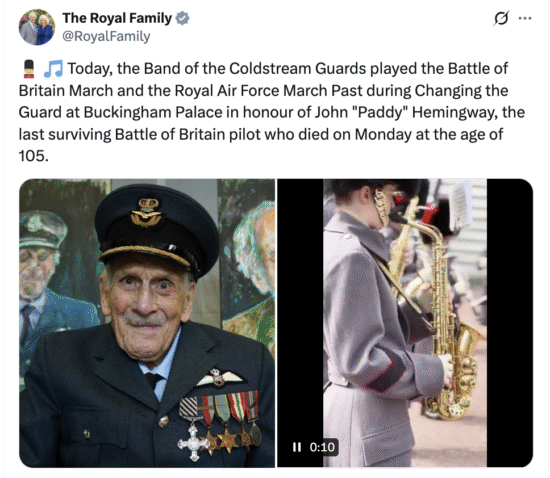
In March 2025, the final living veteran of the Battle of Britain, John “Paddy” Hemingway, died at the age of 105. With his passing, the last living link to “The Few” faded into history.
But the story remains. The Battle of Britain was more than a military clash—it was a testament to defiance, courage, and solidarity across nations. For the Polish pilots who had already lost their homeland, defending Britain was not only an act of duty—it was a fight for freedom itself.
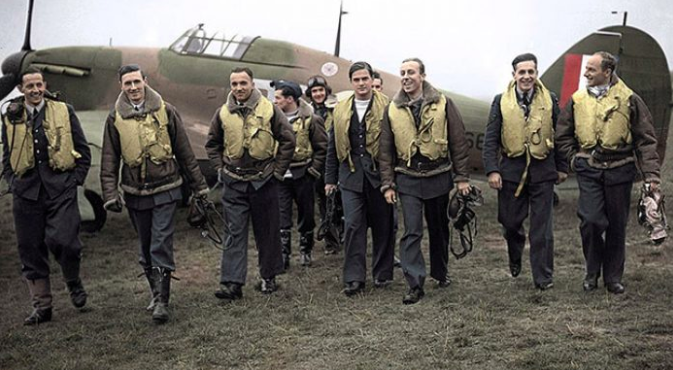
Cover photo: A group of pilots of No. 303 Polish Fighter Squadron RAF with one of their Hawker Hurricanes, October 1940. They are (left to right): Pilot Officer Mirosław Ferić, Flight-Lieutenant John Kent, Flying Officer Bogdan Grzeszczak, Pilot Officer Jerzy Radomski, Pilot Officer Jan Zumbach (wearing helmet and goggles), Pilot Officer Witold Łukuciewski, Pilot Officer Bogusław Mierzwa (obscured by Łokuciewski), Flying Lieutenant Zdzisław Henneberg, Flight Sergeant Jan Aleksander Rogowski, Flight-Lieutenant Eugeniusz Szaposznikow
Tomasz Modrzejewski