On 1 April 1918, the Royal Air Force (RAF) was officially established, marking a turning point in military history. For the first time, air power became an independent branch of the armed forces, separate from both the army and the Navy. This bold step resulted from merging the Royal Flying Corps and the Royal Naval Air Service, creating a unified and more effective aerial force.
At its inception, the RAF was the largest air force in the world, with over 230,000 personnel. In the years following the First World War, it was deployed across the British Empire, taking part in operations in regions such as Somaliland, Aden, and Afghanistan, and early demonstrations of how air power could shape global military strategy.
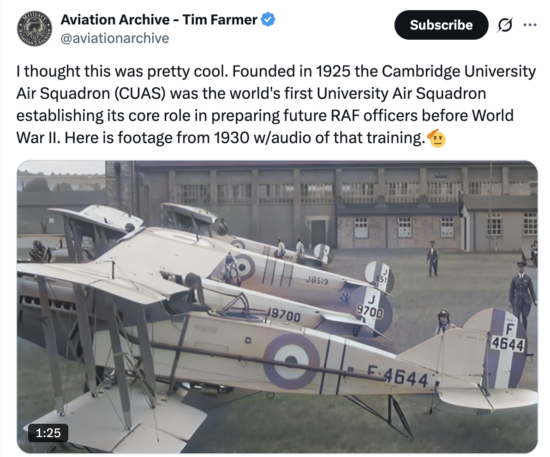
In 1936, anticipating the growing threat in Europe, the RAF underwent a crucial restructuring. Three major commands were formed: RAF Fighter Command, RAF Bomber Command, and RAF Coastal Command. This structure proved decisive just a few years later, when Britain faced one of its greatest challenges.

The RAF’s defining moment came during the Battle of Britain (July–October 1940). In a fierce aerial struggle, RAF pilots defended the skies against the German Luftwaffe, preventing the planned invasion of Britain, Operation Sea Lion.
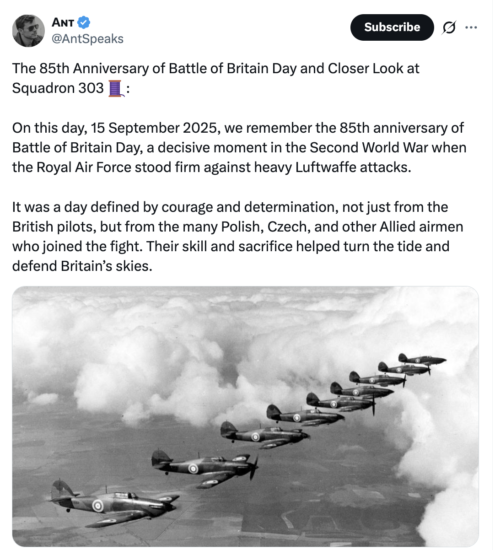
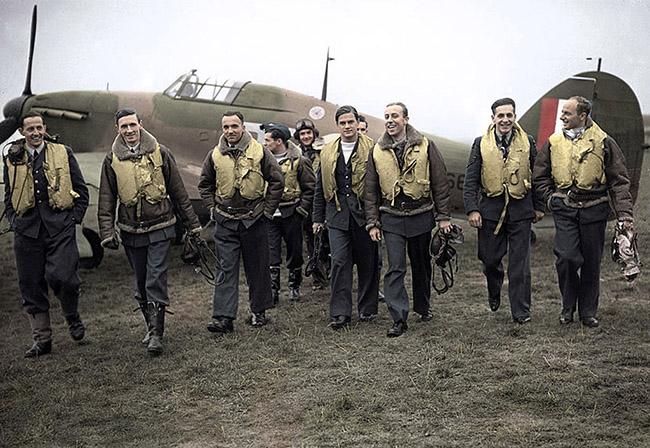
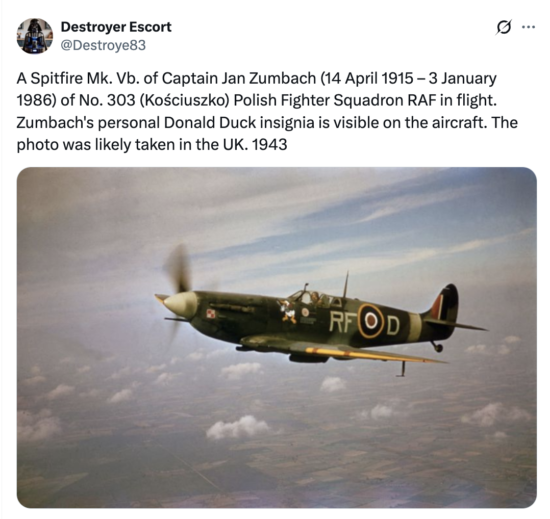
Among those who fought with extraordinary courage were Polish pilots, many of whom had escaped occupied Poland and continued the fight in exile. The legendary No. 303 Squadron RAF became one of the most effective units in the entire campaign. Flying Hawker Hurricanes, their pilots achieved some of the highest victory rates of the battle.
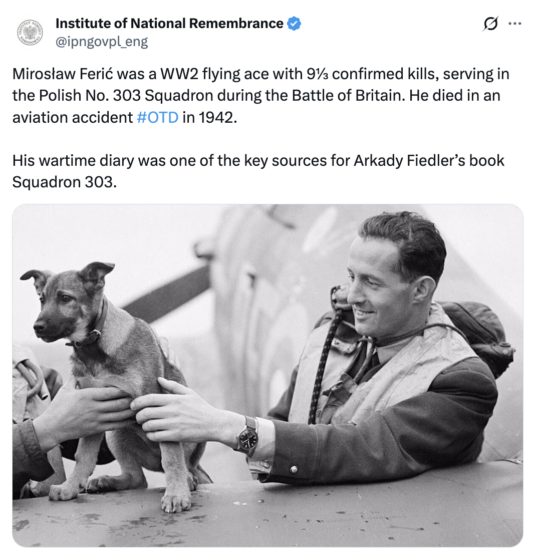
Figures such as Witold Urbanowicz and Jan Zumbach became symbols of skill and determination. Despite language barriers and the trauma of war, Polish airmen distinguished themselves through discipline, bravery, and exceptional combat effectiveness. Their contribution was not just significant; it was vital.
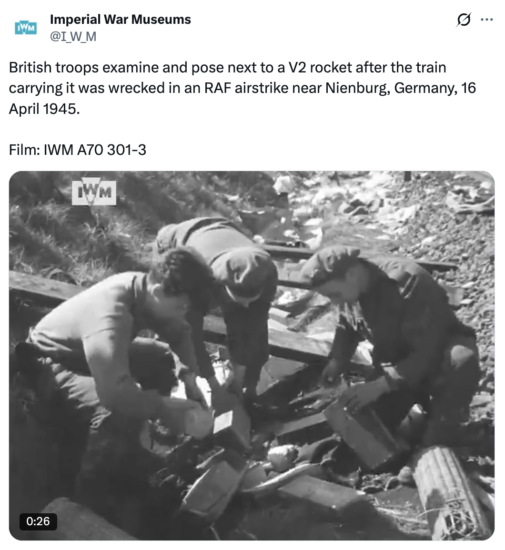
As the war continued, the RAF expanded its operations, conducting strategic bombing campaigns over Germany, including raids on Hamburg and Dresden, escorting convoys, and supporting ground forces across multiple theatres of war.
After 1945, the RAF adapted to a rapidly changing world. One of its most notable missions was participation in the Berlin Airlift (1948–1949), a humanitarian and logistical effort that supplied West Berlin during the Soviet blockade.
In the decades that followed, the RAF took part in numerous conflicts and international operations from the Korean War and the Falklands War to missions in the Persian Gulf and NATO-led interventions.
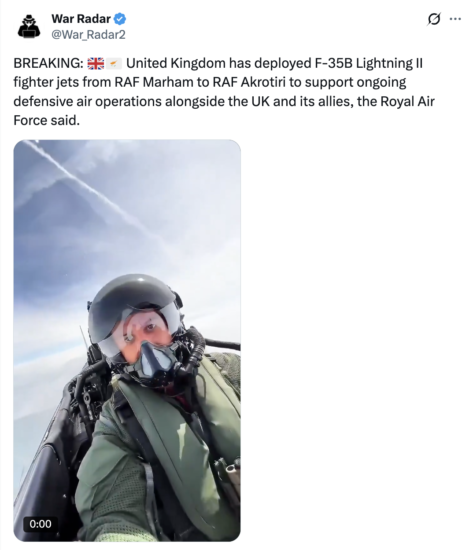
Today, the RAF remains one of the world’s leading air forces. It operates around 37 bases across the United Kingdom and overseas territories, including Gibraltar, Cyprus, the Falkland Islands, and Ascension Island. Its headquarters are located at RAF High Wycombe, and it continues to play a central role in both national defence and international security alliances.
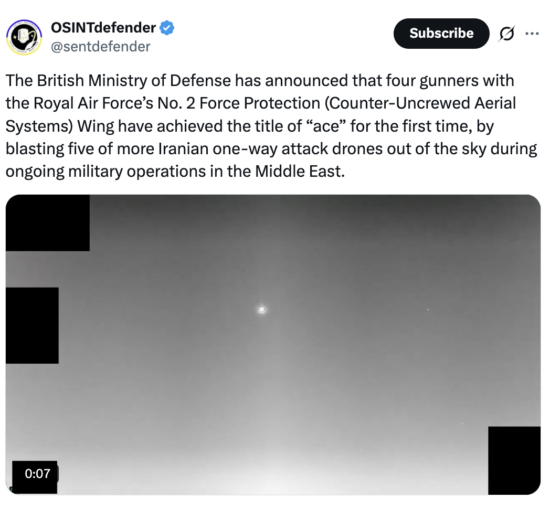
The anniversary of the RAF is not only a celebration of technological progress and military achievement, but it is also a tribute to the foreigners who served under its banner. Among them, Polish pilots hold a place of honour. Their courage during the Battle of Britain and throughout the Second World War stands as a powerful reminder that the defence of freedom often transcends national borders.
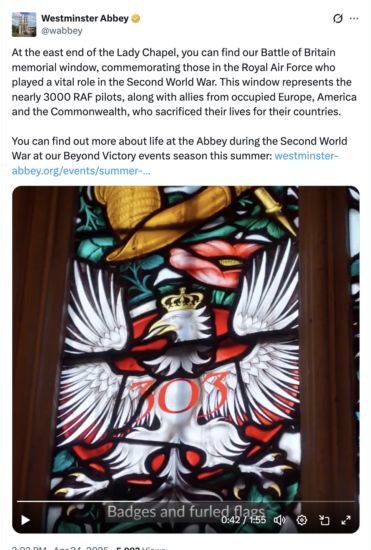
More than a century after its founding, the RAF endures as a symbol of innovation, resilience, and international cooperation, its legacy forever intertwined with those who fought in its ranks, including the brave airmen from Poland.
Photo: Wikipedia, public domain
Tomasz Modrzejewski