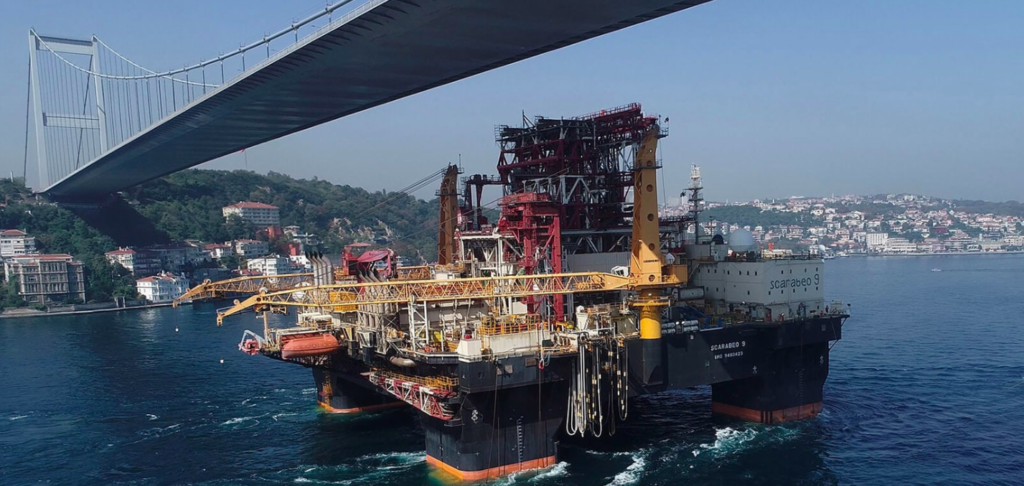
The completion of the underwater part of the Baltic Pipe can be considered as the achievement of one of the project’s key stages. The project is being developed by the Danish gas and electricity transmission system operator Energinet and the Polish state-owned gas transmission system operator Gaz-System.
In a recent press release, Gaz-System announced the completion of the 275-km subsea section of the new pipeline, which will have an annual capacity of 10 billion cubic metres of Norwegian gas coming from the North Sea to Poland via Danemark.
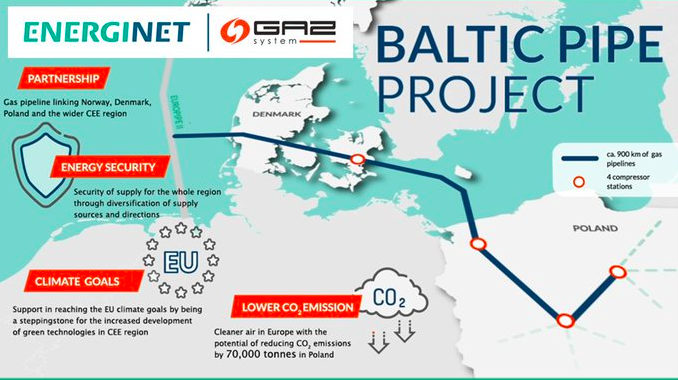
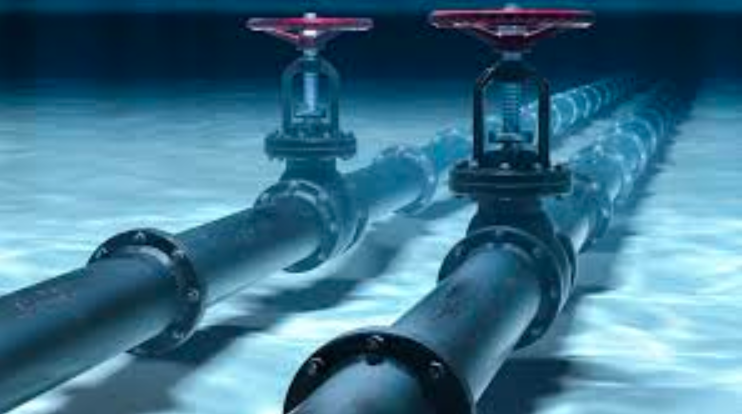
“On 18 November of this year, the last weld of the gas pipeline connecting the coasts of Denmark and Poland was completed (…) This marks the completion of the most important phase of work on the Baltic Pipe project,” the press release reports.
In this document, Polish vice-minister of economy in charge of strategic energy infrastructure, Piotr Naimski explained that this new step “brings us significantly closer to the desired secure diversity of energy supply sources for Poland in 2022.”
Quoted by Money.pl, Piotr Naimski also recalled that “the commissioning of the Baltic Pipe [scheduled for the 1st of October 2022], which is a positive solution to the issue of gas supply for the Polish economy, including the Polish energy sector, is part of a broader strategy that will lead to Poland having various possibilities to produce electricity in 20 to 30 years’ time,” he explained.
Gaz-System CEO Tomasz Stępień explained that some technical and acceptance tests were still needed: “We have about a year to conduct these tests, so that we can start the commercial transfer of gas from Norway to Poland on the 1st of October 2022.”
The completion of the Baltic Pipe pipeline project in the coming year is aimed at allowing Poland to diversify its sources of energy and thereby stop being dependent on Russian gas deliveries.
Author: Sébastien Meuwissen
Picture: Twitter @Berlaymont, @theUBN