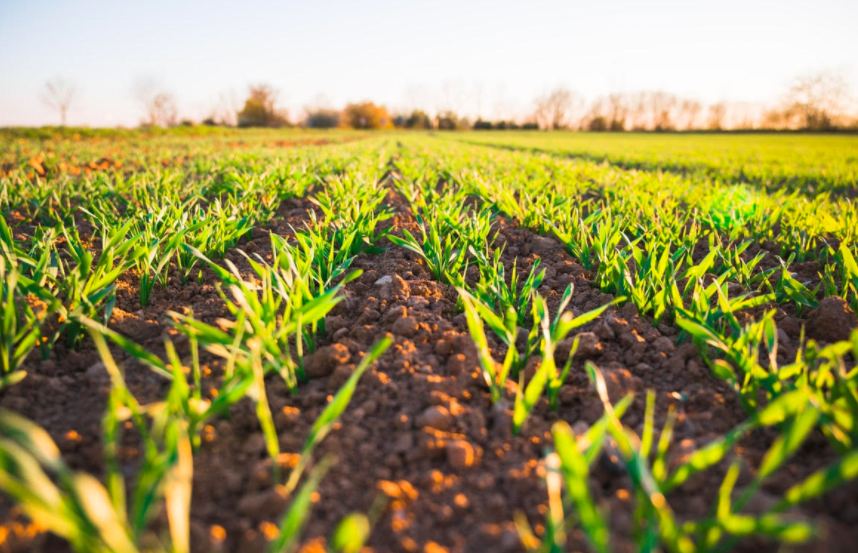
The government announced that it will offer 30,000 visas for workers coming to the UK for up to six months to collect flowers, vegetables and fruit. In the future, this number is expected to increase to 40,000.
British authorities warned that from the beginning of 2023, the number of visas will start to decline. They explained that they are calling on the agricultural sector to „develop a plan to be less dependent on foreign labour.” The government stressed that the industry “must, first of all, improve wages and employment conditions„.
In the aftermath of Brexit Brexit, it became obvious that the UK largely depends on migrant workers in various low-paid sectors, including agriculture. Therefore, the government launched a pilot scheme in March 2019 in order to encourage seasonal workers to seek employment in Great Britain.
In September 2021, UK authorities also announced that they would offer 10,500 three-month visas for truck drivers and poultry workers as the country began to experience severe problems with its food and gas supplies.
Today, nearly half of UK companies experience a staff shortage. A survey was conducted by the Institute of Directors. Staff shortages and global supply chain disruptions are likely to slow the UK’s economic growth in the coming months.
According to the British Chamber of Commerce, at the end of 2023, the corporate investment may fall by 5,4 per cent below pre-pandemic levels, while consumer spending is expected to be 5,1 per cent higher.
Author: Sebastien Meuwisen
Photo: Unsplash