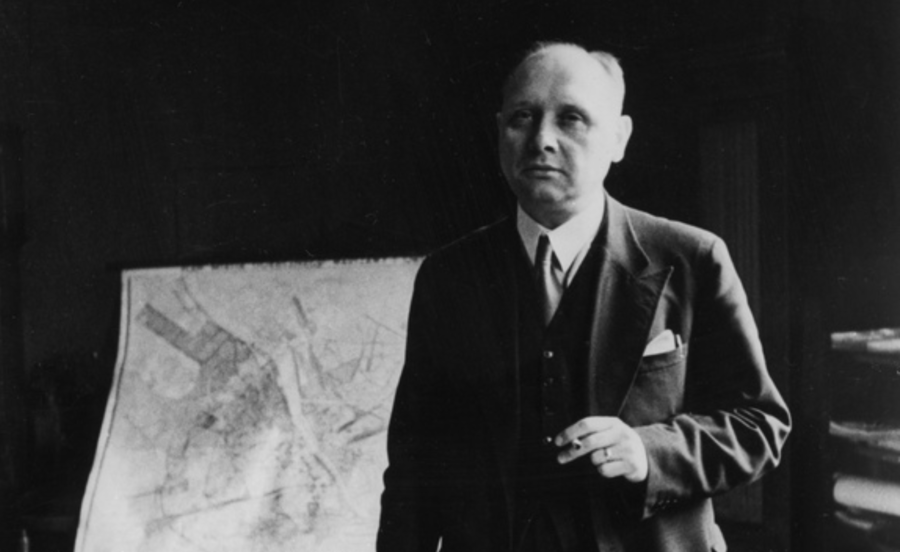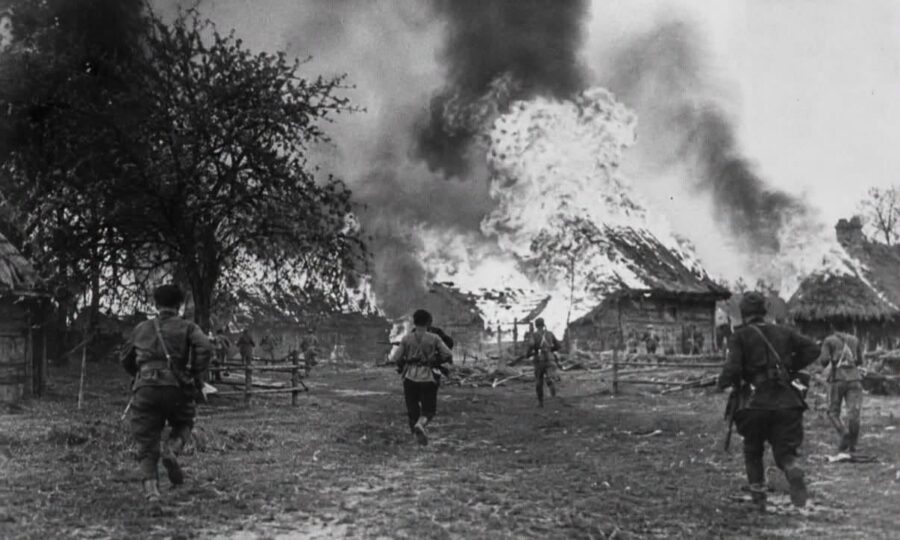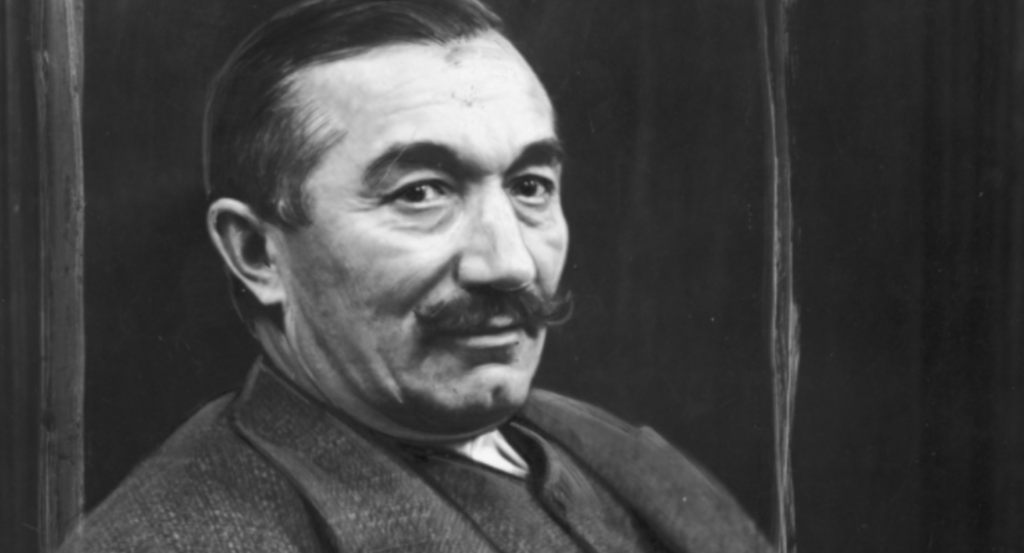
The reconstruction of a Polish State after over a century of enslavement was a remarkable phenomenon. The efforts, sacrifice, and commitment of many Poles, combined with efficient diplomatic actions, led to the creation of the Second Republic of Poland. This process was made possible by the “Fathers of Independence”.
Along with the most famous among them, namely Józef Piłsudski, Roman Dmowski and Ignacy Paderewski, there are also other names that deserve to be mentioned such as Ignacy Daszyński, Wojciech Korfanty but also the leader of the Polish People’s Party in the first half of the 20th century. You can read about them at our article The Fathers of Polish recovered Independence.
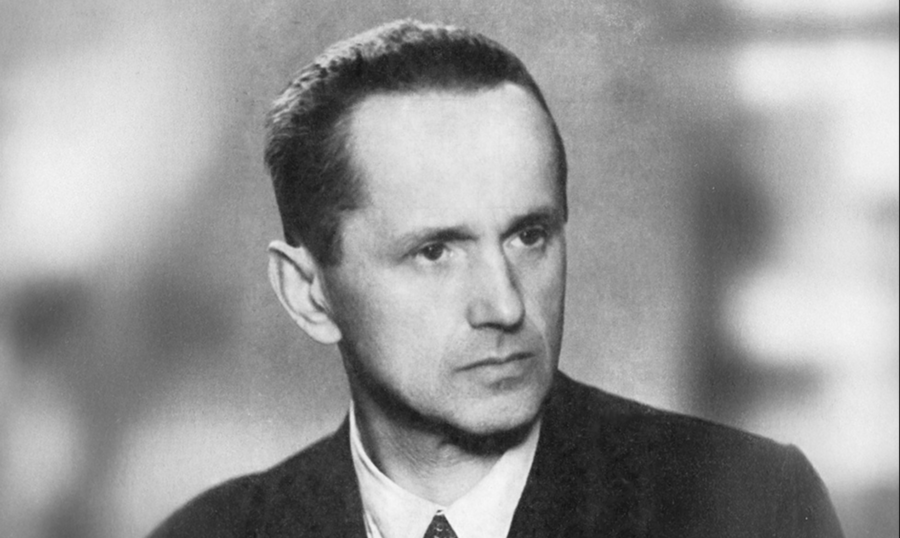
Wincenty Witos grew up in the countryside of Southern Poland in the late 19th century under Austrian rule. He got politically involved already as a teenager. At the age of nineteen, he published his first newspaper article in the Przyjaciel Ludu (“Friend of the People”). He then joined the Polish People’s party in 1895.
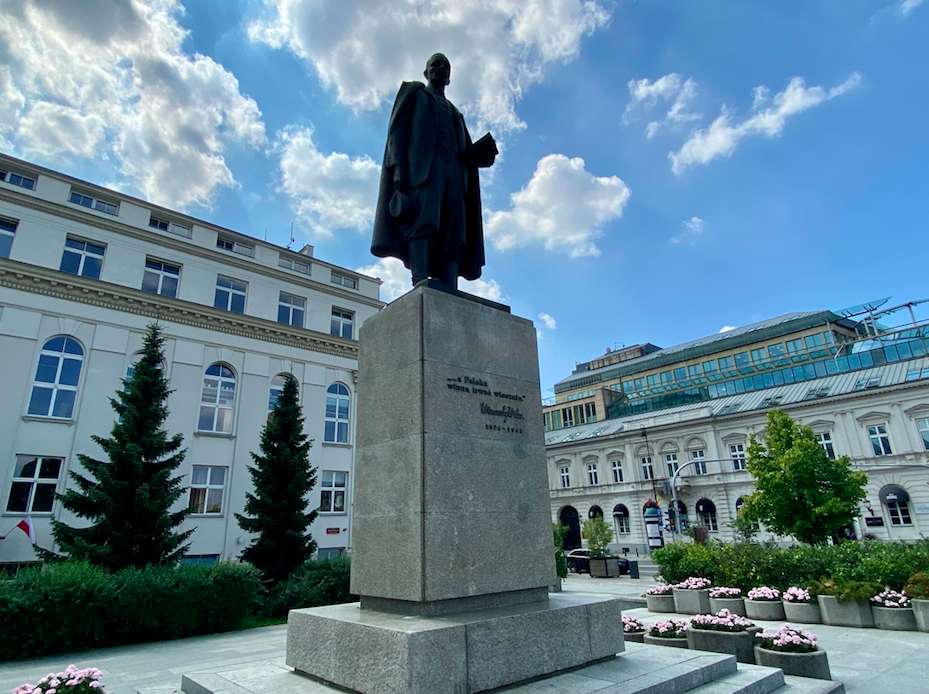
Eight years later, he was elected to the Executive Committee of the party. Shortly before the outbreak of the Great War, the People’s Party split into two factions and Witos was elected as vice president of the newly created Polish People’s Party “Piast”.
On 16 June 1917, he delivered his only speech to members of the State Council, in which he criticised the authorities in Vienna for pursuing an anti-Polish policy. More importantly, he announced the creation of an independent state of Poland. It’s worth reminding that his involvement in the Polish cause got him awarded the prestigious Order of the White Eagle in 1922.
In the aftermath of WWI, Wincenty Witos served three times as Poland’s Prime Minister: in 1920-1921, 1923, and eventually in 1926. In 1926, Witos’ government was overthrown by Piłsudski’s coup d’état. He was imprisoned shortly thereafter, then lived in exile in Czechoslovakia during most of the 1930s.
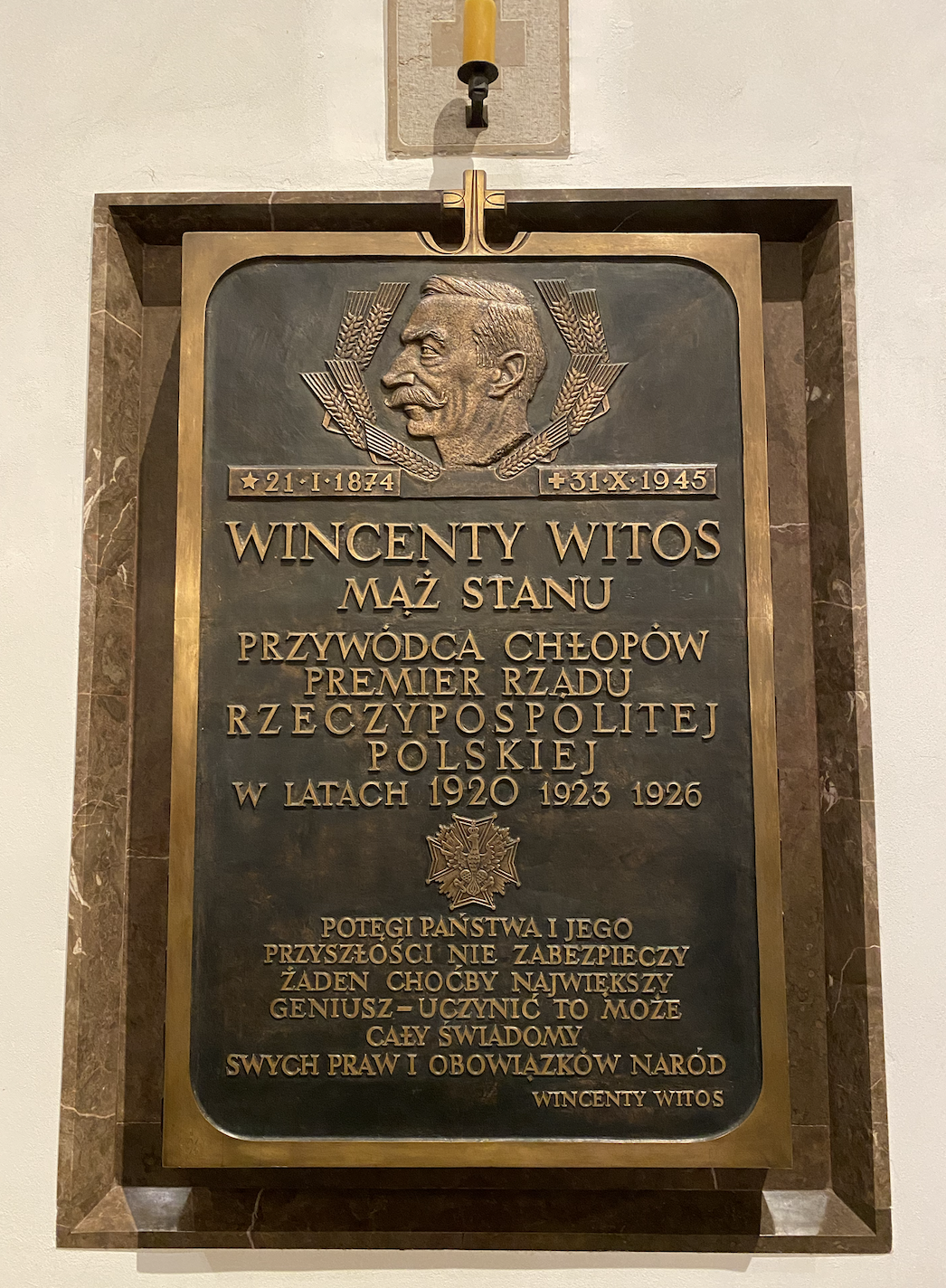
During this period, he participated in several meetings with key Polish political figures such as Władysław Sikorski, Józef Haller, and Ignacy Daszyński to name a few. He devoted them to uniting forces opposed to the Sanation rule established by Józef Piłsudski.
After the outbreak of WWII, he was put on supervised release by the Germans. In July 1944 the German authorities requested him to declare an anti-Soviet appeal, but he refused to comply. In 1945, he was nominated as one of the vice-chairmen of the State National Council and died shortly after.
Image: Twitter @ipngovpl
Author: Sébastien Meuwissen
Photos: Caroline Byczynski, British Poles