The Polish population that faced repression from Germany before and after the 1st World War waged a border conflict against even more oppression from its new government. In a series of three armed demonstrations, the Polish Silesians were able to secure their connection to Poland within an autonomous region that would become the richest in the 2nd Polish Republic, with most of its steel and coal industry.
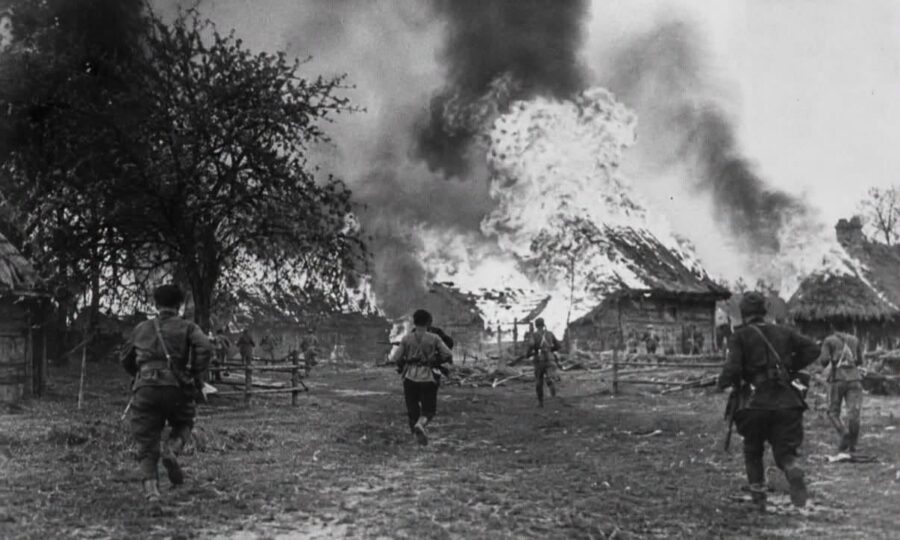
In the early hours of 3 May 1921, armed conflict erupted in Upper Silesia. It was the start of the Third Silesian Uprising—the final and most decisive of three insurrections by the region’s Polish population. The stakes were high, and so were the consequences: two months of fighting would ultimately shift the borders, granting Poland a far greater portion of Upper Silesia than international authorities had initially planned.

Tensions had been simmering for months. Just weeks earlier, on 20 March 1921, a plebiscite had been held to determine whether Upper Silesia would join the newly re-established Polish state or remain part of Germany. While the vote included residents, it also controversially allowed participation by those who had previously emigrated from the region. Over 180,000 such individuals arrived from Germany, compared to just 10,000 from Poland.
Voter turnout reached an extraordinary 97 percent. Of those who cast ballots, roughly 19 percent were returnees. The final results saw 40.3 percent voting in favour of unification with Poland—a clear minority.
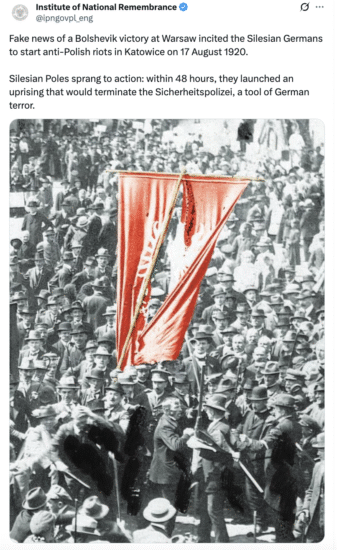
The outcome was a blow to Polish hopes. The Inter-Allied Plebiscite Commission, interpreting the results, proposed awarding nearly the entire territory to Germany. Poland would receive only the Pszczyna and Rybnik districts.
Disappointment quickly turned to unrest. In the days following the decision, scattered strikes—initially driven by economic hardship and high unemployment—intensified. On 2 May, these protests escalated into a general strike, paralysing nearly 97 percent of industrial workplaces across Upper Silesia.
On the eve of the Uprising, the Polish leader Wojciech Korfanty famously wrote: “There is no power in the world strong enough to shackle us once again in German chains.”

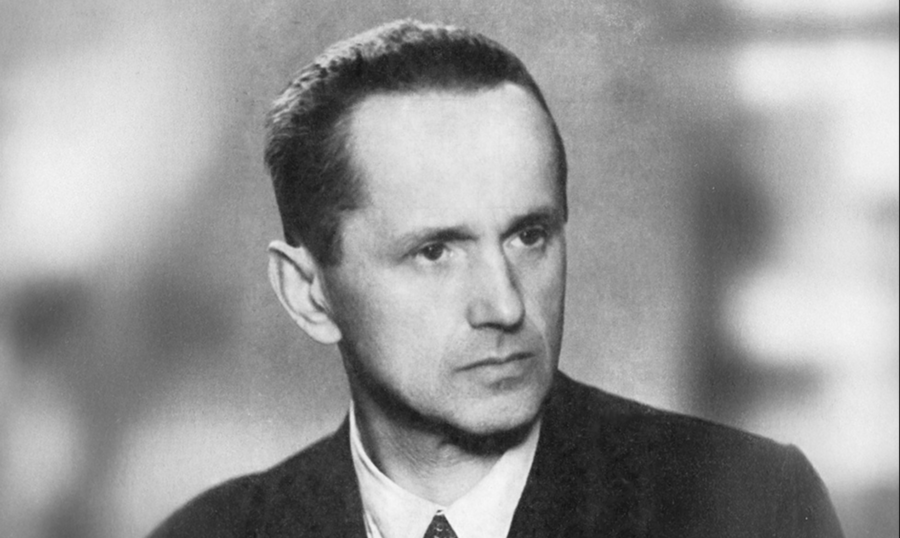
In the opening hours of the Third Silesian Uprising, a daring operation known as Action Mosty („Bridges Action”) marked a turning point—not only in the conflict, but in Polish military history. Carried out on the night of 2–3 May 1921 by Grupa Wawelberga, a sabotage unit led by Lieutenant Tadeusz Puszczyński (codename „Wawelberg”), the mission targeted key rail and communication infrastructure across Upper Silesia.

The group successfully destroyed 9 key bridges on the Breslau-Oberschlesien railway and disrupted German troop movements, effectively delaying a military response to the uprising. Grupa Wawelberga is widely recognised as the first special forces formation in the history of the Polish armed forces, setting a precedent for covert operations and unconventional warfare in future Polish military doctrine.
By nightfall, a full-scale uprising was underway.
The Third Silesian Uprising drew its strength from a broad cross-section of the local Polish-speaking population, including miners, industrial workers, peasants, and veterans of the First World War. These grassroots fighters, many of whom had little formal military training, were united by a shared determination to see Upper Silesia become part of the newly reborn Polish state.
The uprising was led by several local commanders and community leaders. Among the most notable were Wojciech Korfanty, who served as the political head of the movement, and Robert Oszek, a former sailor turned insurgent commander known for his daring and effectiveness in combat.

Other key figures included Walenty Fojkis, Józef Ludyga-Laskowski, and Tadeusz Puszczyński, whose sabotage group Grupa Wawelberga played a critical role in launching the revolt. Together, these leaders helped transform a regional protest into a coordinated and ultimately consequential military campaign.

Though the Third Silesian Uprising lasted just two months, its impact was lasting. Polish insurgents, better organised and more determined than in earlier efforts, managed to seize key strategic areas. Their success prompted a reassessment by international powers.
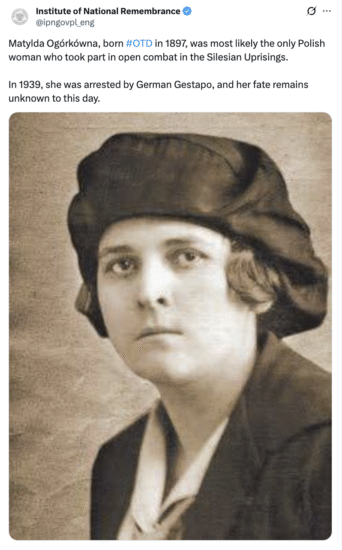
Wojciech Korfanty played a central political and strategic role in the Third Silesian Uprising. A prominent Upper Silesian activist and former member of the German Reichstag, Korfanty became the political leader of the uprising, declaring himself its civilian commissioner.

Though not a military commander, his leadership was crucial in organising the insurrection, negotiating with Allied powers, and coordinating efforts between the Polish insurgents and the civilian population. Korfanty’s ability to combine diplomacy with grassroots mobilisation helped legitimise the uprising and influenced the eventual decision to award more territory to Poland.

Eventually, a revised border settlement awarded Poland a significantly larger share of Upper Silesia, including many of its vital industrial assets. It was a rare case where military pressure and grassroots mobilisation swayed international diplomacy.
The new region created by a special act of law by the Polish parliament, the Silesian Voivodeship, was an autonomous region with its parliament, treasury and bilingual school system to secure the rights of the German-speaking population.
Today, the Third Silesian Uprising is remembered not only as a regional conflict but as a pivotal episode in the post-First World War reshaping of Europe.
Source: Dzieje.pl
Photo: Polona
Tomasz Modrzejewski