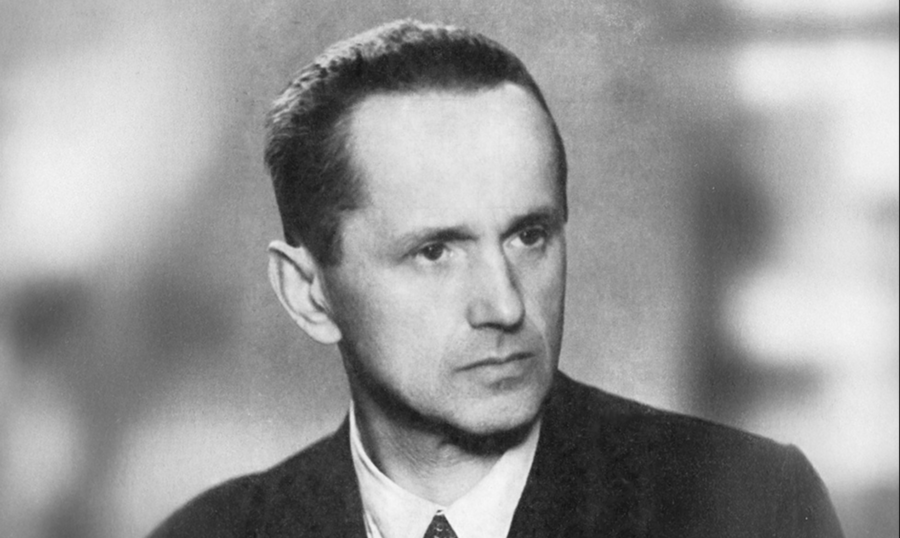
Operation Market Garden was supposed to shorten the World War 2 by six months. It was one of the most disastrous Allied defeats in the war. After the war, responsibility for its failure was blamed on the 1st Independent Parachute Brigade commander, General Stanisław Sosabowski.
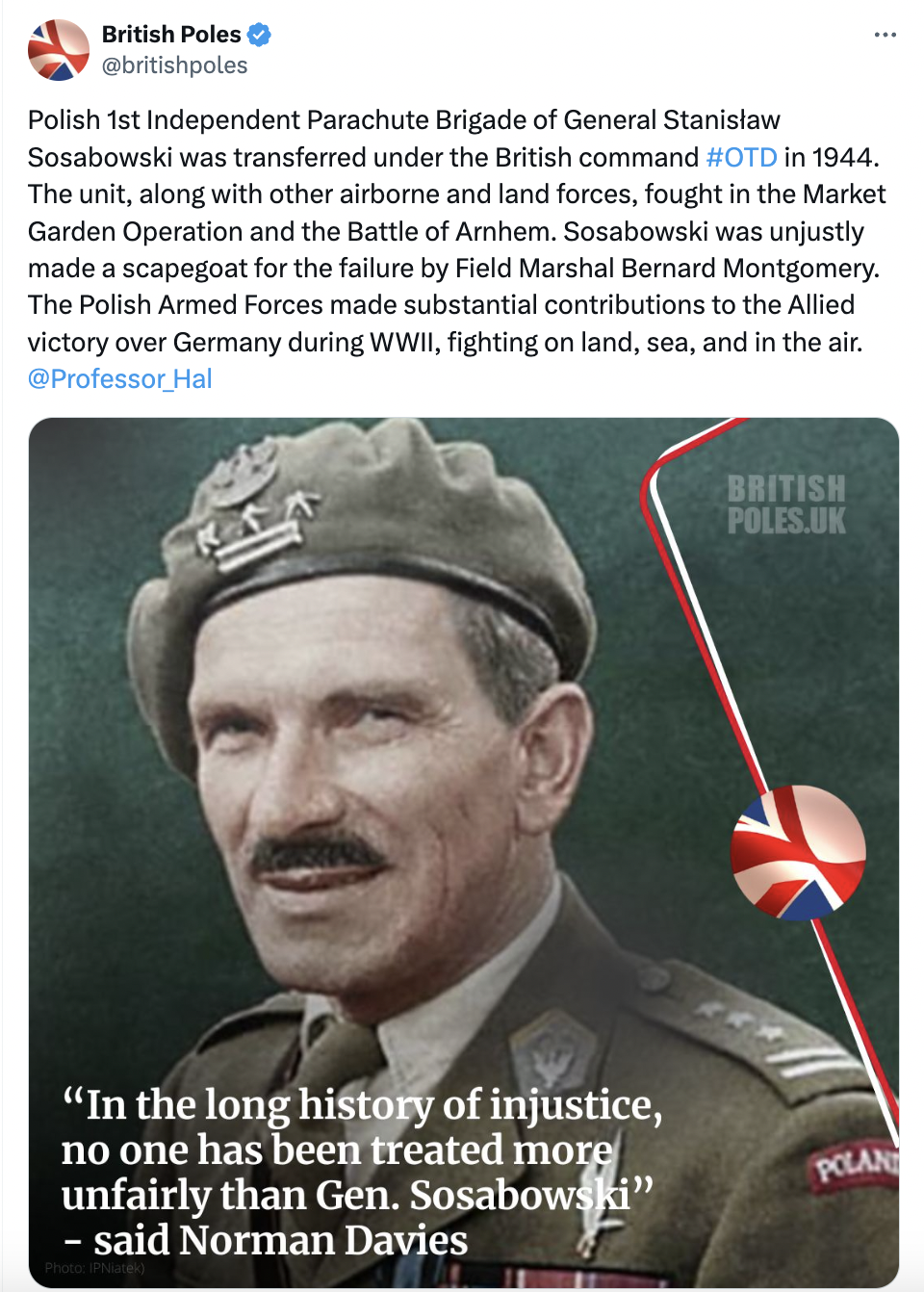
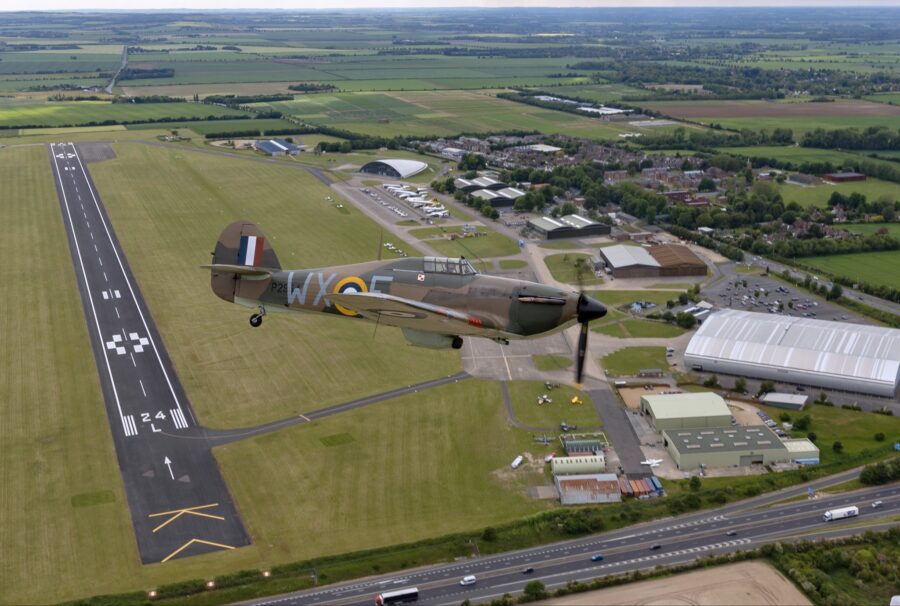
On 17 September 1944, 1,500 planes lifted off from twenty-four English airfields. Each contained more than 20 parachute soldiers.
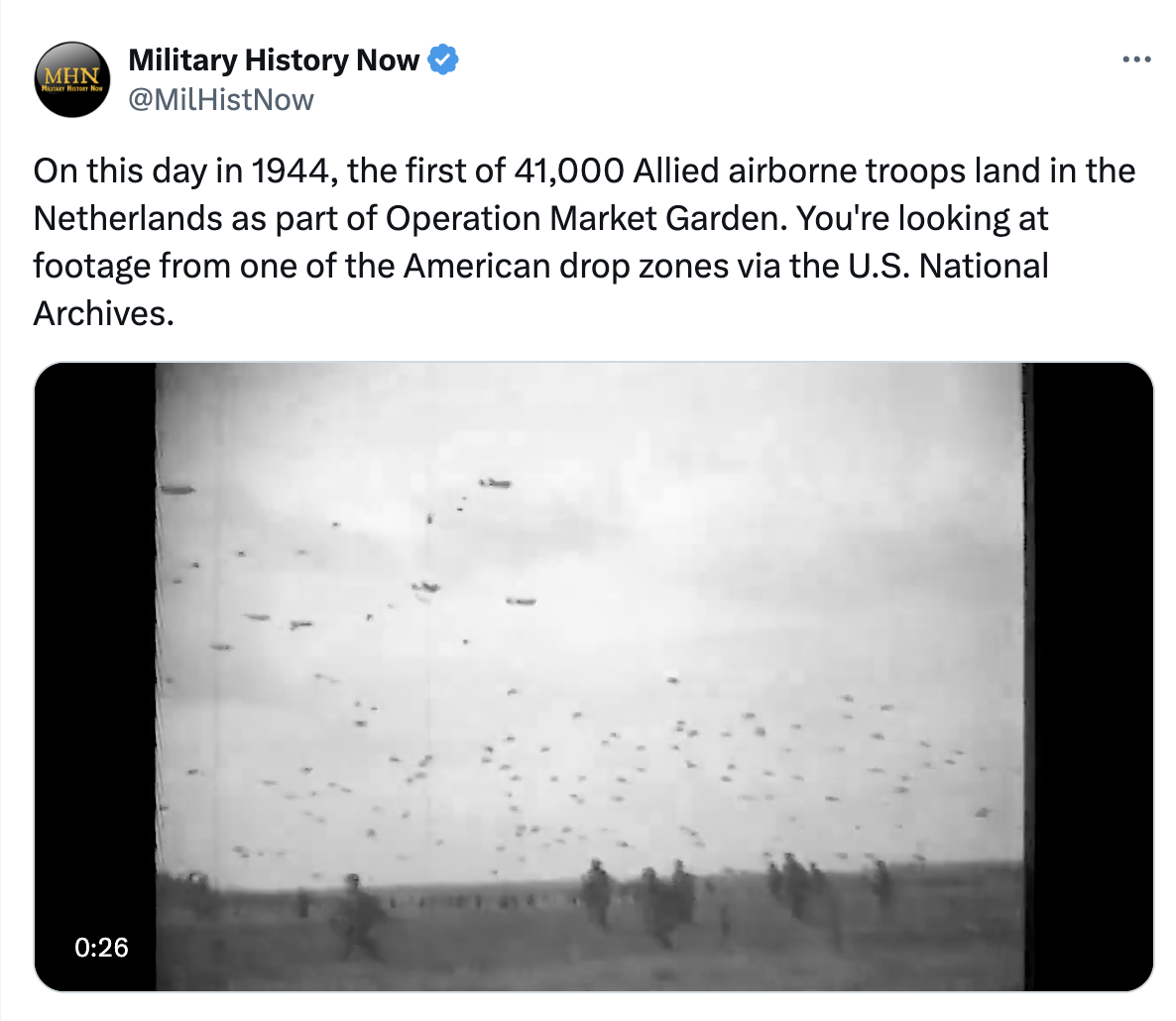
Already at this stage, the first serious shortcomings of the bold plan became apparent. The Allies did not have enough aeroplanes to transport all the troops to the combat area at once. As the transportation part took three days the surprise factor was lost and the Germans were able to prepare their defence and counterattack.

The operation failed, as the Allied forces were unable to capture and hold the last bridge at Arnhem. The 1st Independent Parachute Brigade suffered heavy losses. They reached nearly 25% of the personnel of those units that fought at Arnhem and Driel.
The British blamed the Polish brigade and Gen. Sosabowski for the failure of the operation. They hailed the Polish general’s outrage as an unacceptable criticism of the British command. As a result, the Polish authorities, under pressure from London, dismissed Gen. Sosabowski, who lost command of his brigade.
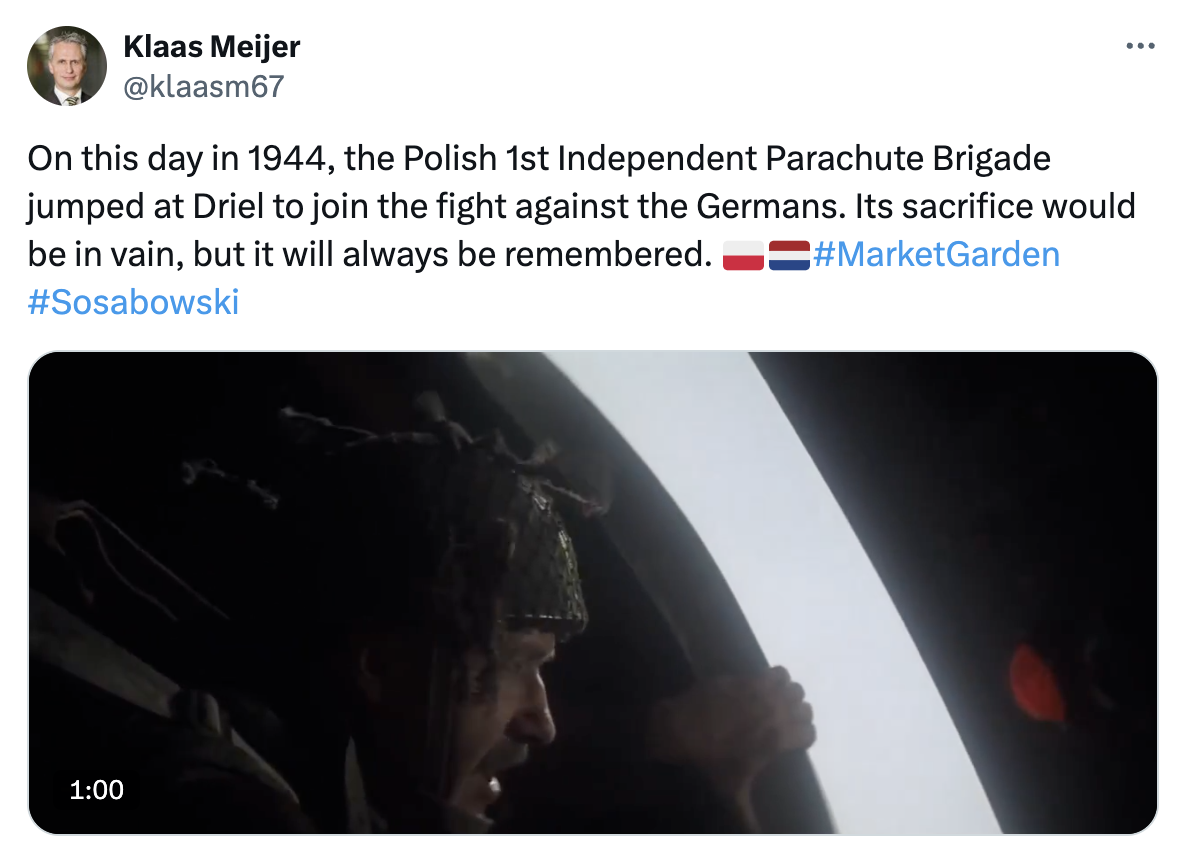
Communications and anti-tank artillery soldiers from the 1st Independent Parachute Brigade fought alongside the British from the first day of the operation. Their airdrop took place in a different place than planned. Instead of at the southern end of Arnhem, the Brigade captured the area around the village of Driel on the south bank of the Rhine. From there, some Poles crossed the river to the British positions at Oosterbeek.
Four days later, after facing overwhelming enemy forces, the decision was made to withdraw the remnants of the “Red Devils” division. The retreat of the English was covered by Polish troops.
At that point, the operation was practically an Allied defeat.
“The Polish Parachute Brigade, which had been preparing for two years to liberate Warsaw, was sacrificed,” the British historian Norman Davies said.
“Not only did the Poles lose several hundred soldiers, but it was to them – and in particular to Gen. Sosabowski – that responsibility for the defeat was wrongly attributed. Gen. Browning found a scapegoat in the Polish commander,” Davis said.
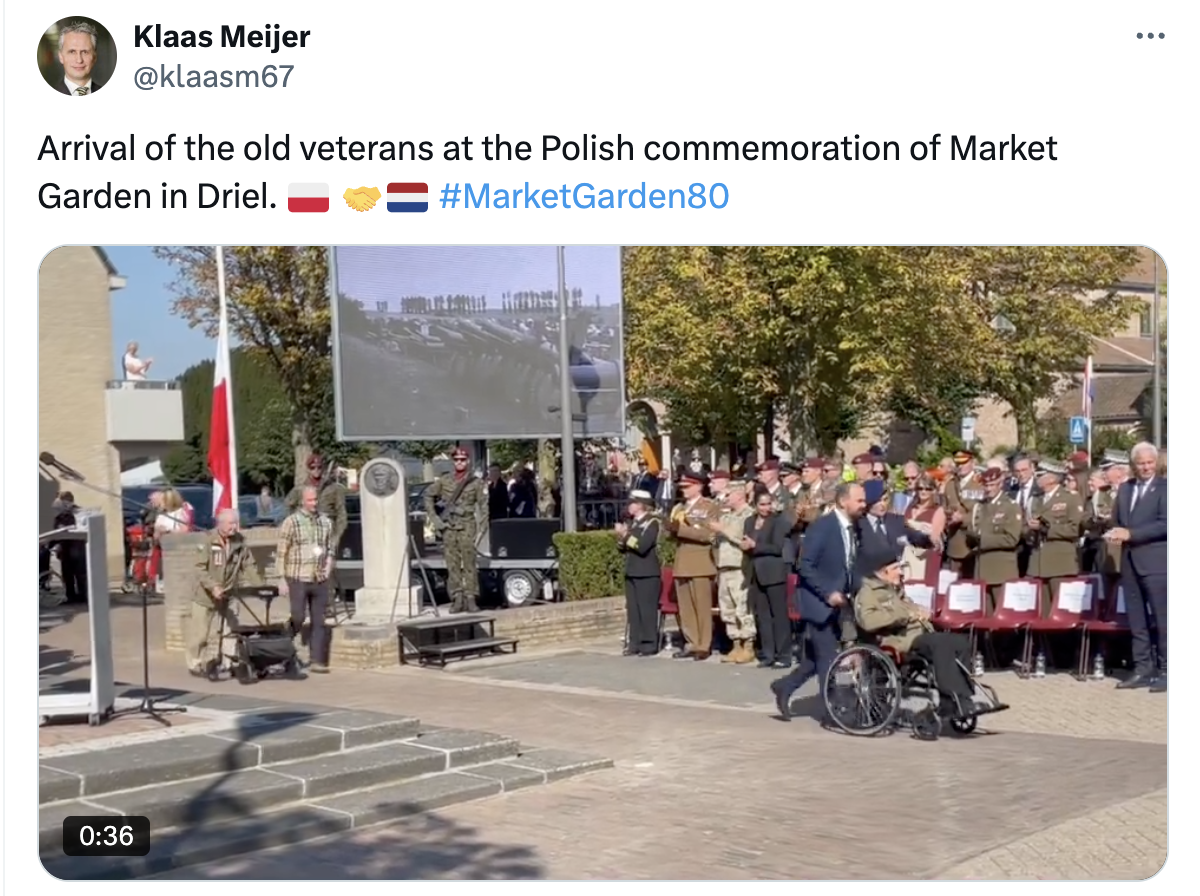
The ambition race between Marshall Montgomery and General Patton cost the lives of more than 15,000 soldiers. As the failure was later blamed on General Sosabowski another cost was the reputation of Polish commander and his soldiers.

“Let us today treat their example as a mission. A mission to stand here and now in defence of the freedom and values for which they fought with such dedication and determination 80 years ago,” Dutch Prime Minister Dick Schoof said during the commemorations in Driel.
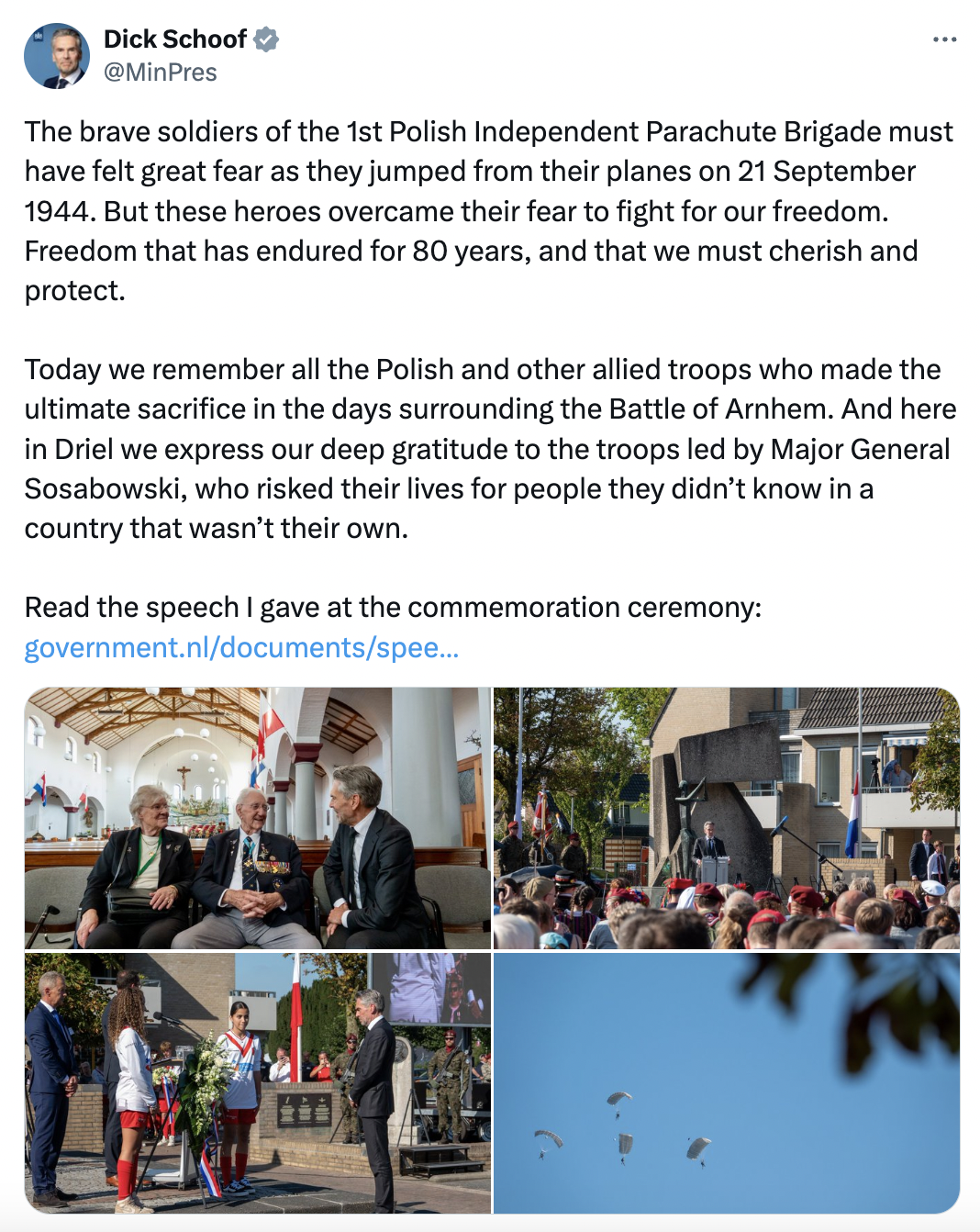
Prime Minister Schoof also referred to the war in Ukraine, pointing out that war is no longer something “that belongs to the complete past”.
“In Poland, one of the countries where our liberators came from, it is felt even more than here,” the Dutch Prime Minister added.
Source: Polskie Radio, Historykon, PAP
Photo: IPN
Tomasz Modrzejewski