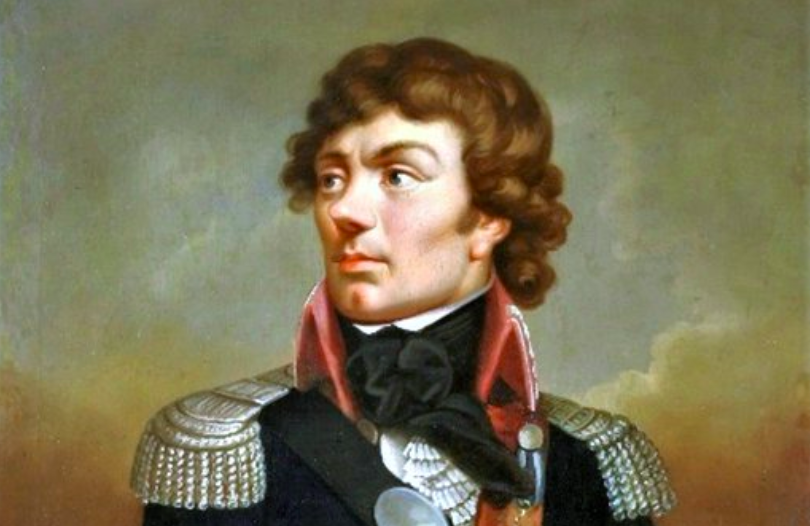
Tadeusz Kościuszko grew up in what is today Western Belarus. He started a military career at a young age. At the age of 20, he joined the Cadet Corps of the Knight School and participated in a special engineering course for outstanding students. He graduated from the school as a captain.
Due to the reorganisation of the Knight School in 1769, he went to Paris, where he studied at the Academy of Painting and Sculpture. He then returned to Poland for a short time in 1774, but in the absence of any prospects of finding employment in a small army, he left for Dresden.
In the mid-1770s, Kościuszko moved to North America, where he took part in the American Revolutionary War as a colonel in the Continental Army. His actions contributed to the surrender of some British forces at Saratoga. He also built numerous bridges that enabled the American forces to leave the encirclement several times. In March 1780 he was nominated an engineer of the American army. Three years later, the Continental Congress promoted him to brigadier general.
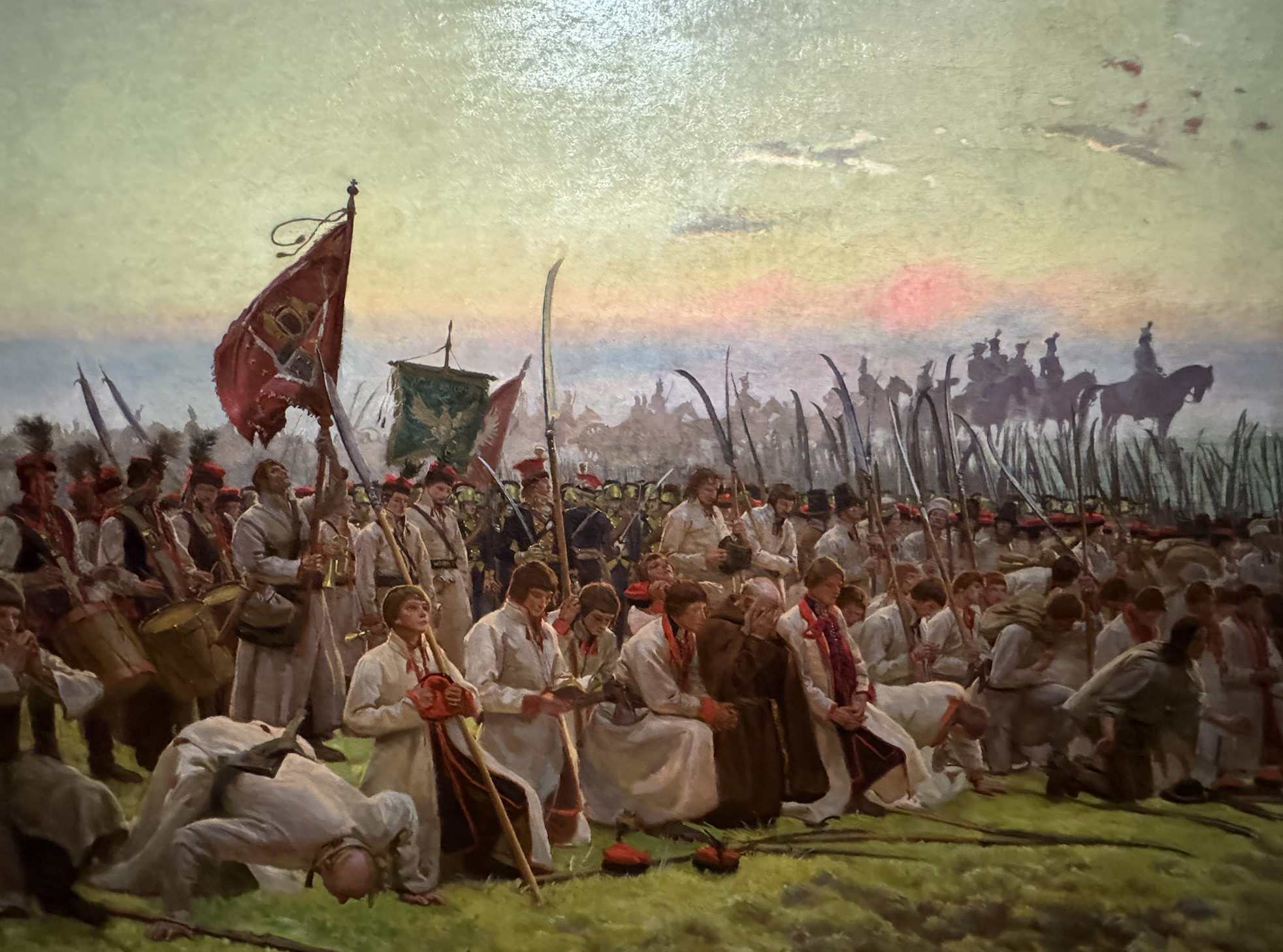
Upon returning to Poland in 1784, Kościuszko was commissioned as a major general in the Polish–Lithuanian Commonwealth Army in 1789. After the Polish–Russian War of 1792 resulted in the Second Partition of the Polish-Lithuanian Commonwealth, he commanded an uprising against the Russian Empire in March 1794 before being captured. The defeat of the Kościuszko Uprising led to the Commonwealth’s Third Partition in 1795.
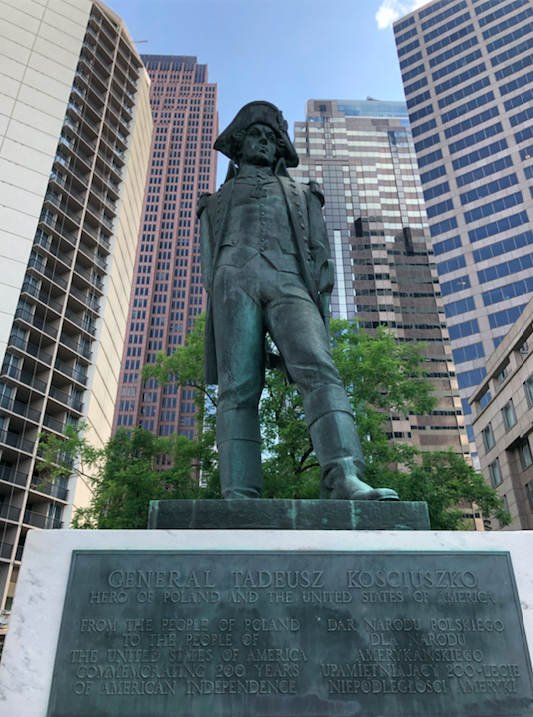
In 1796, following the death of Tsarina Catherine II, Kościuszko was pardoned by her successor, Tsar Paul I, and he emigrated to the United States. In a will written to his friend (and future US President) Thomas Jefferson in 1798, he dedicated his U.S. assets to the education and freedom of African slaves. However, none of the money that he had earmarked for their manumission and education was eventually used for that purpose.
Kościuszko eventually returned to Europe and lived in Switzerland until he died in 1817. He is considered a national hero in Poland, Lithuania, Belarus, and the United States up until this day.
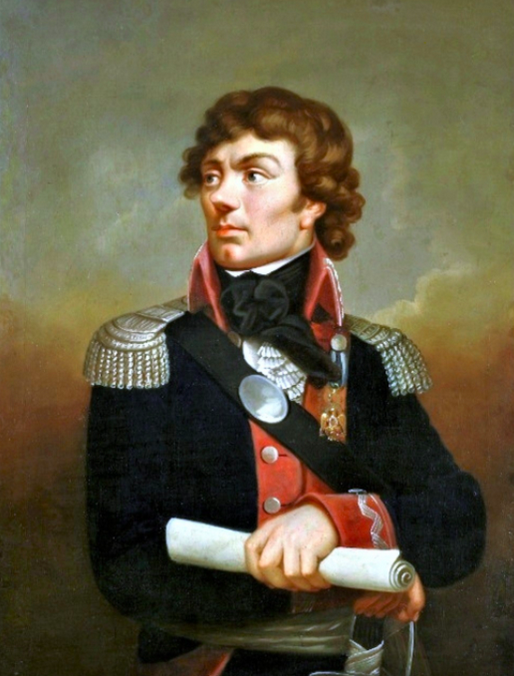
Cover photo: „Portrait of Tadeusz Kościuszko” by Karl Gottlieb Schweikart. National Museum in Warsaw. Source: Wikimedia Commons
Author: Sebastien Meuwissen