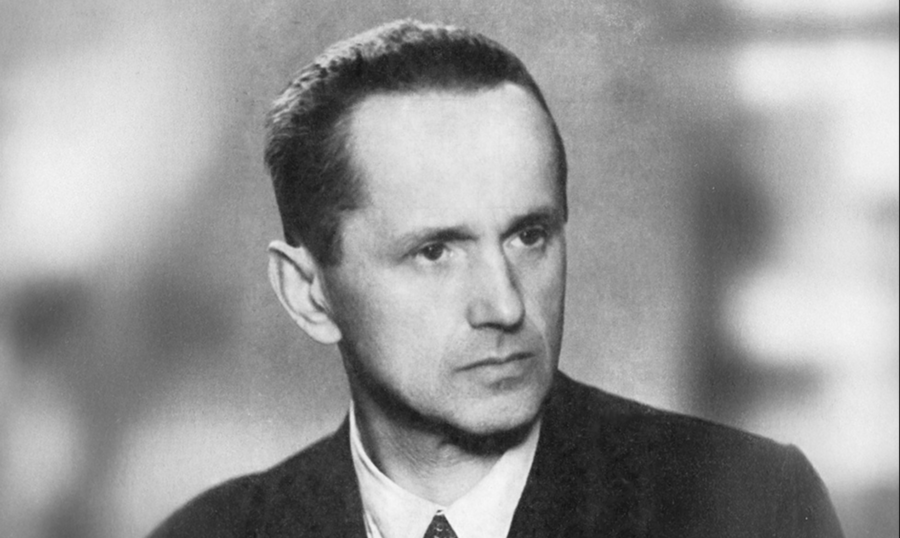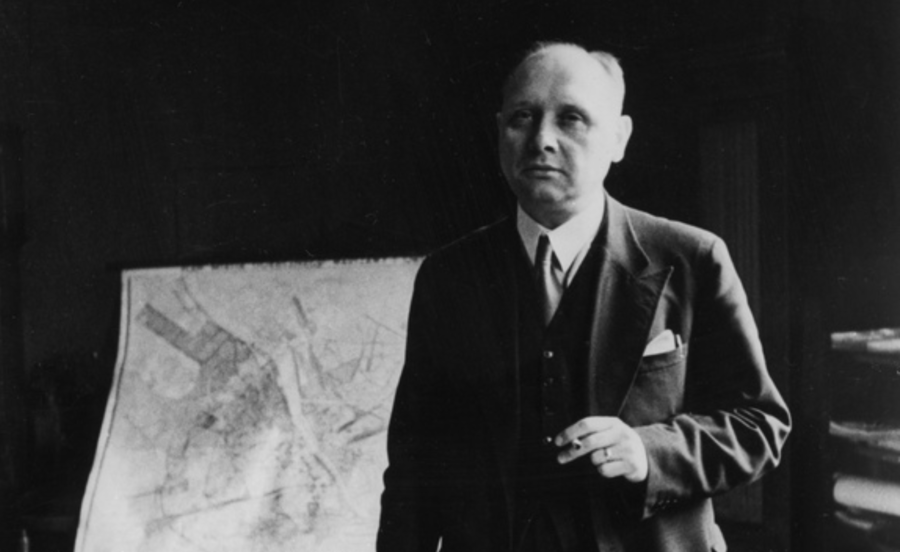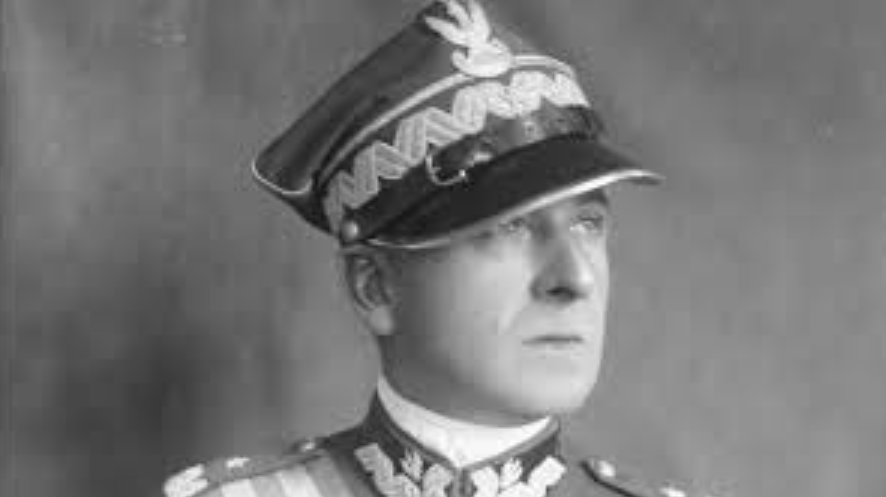
Bolesław Wieniawa-Długoszowski was a Polish politician, diplomat, general, and poet. He was formally President of the Second Polish Republic for one day shortly after the outbreak of WWII.
At the start of WWI, Wieniawa-Długoszowski joined the First Cadre Company, which was fighting on the Austro-Hungarian side against Russia. In October 1914, he became a commander of a platoon of a squadron in 1 Pułk Ułanów Legionów Polskich before being promoted to lieutenant.
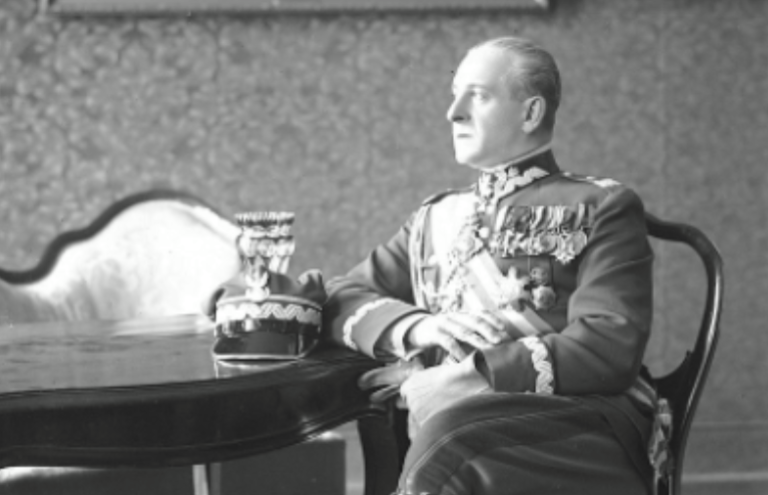
In the aftermath of the war, he was awarded the prestigious Virtuti Militari honorary title. In 1915, he became an aide-de-camp of Józef Piłsudski. At the end of the conflict, he was arrested by the Soviet Cheka as a member of the Polish Military Organisation but was freed after several months.
Shortly after Poland regained its independence, Wieniawa-Długoszowski helped Marshall Piłsudski to defeat the Bolsheviks between 1919 and 1921, among others, as commander of the 1st Cavalry Division. Following Poland’s victory, he was awarded numerous prestigious medals.
In the mid-1920s, he endorsed Józef Piłsudski’s vision and actively supported the latter in successfully organising his 1926 coup.
During the 1930s, he was commander of the I and II Cavalry Division. In 1931 he was promoted by President Ignacy Mościcki to the rank of Brigadier General. Between 1938 and 1940, he was the Polish Ambassador to Rome.
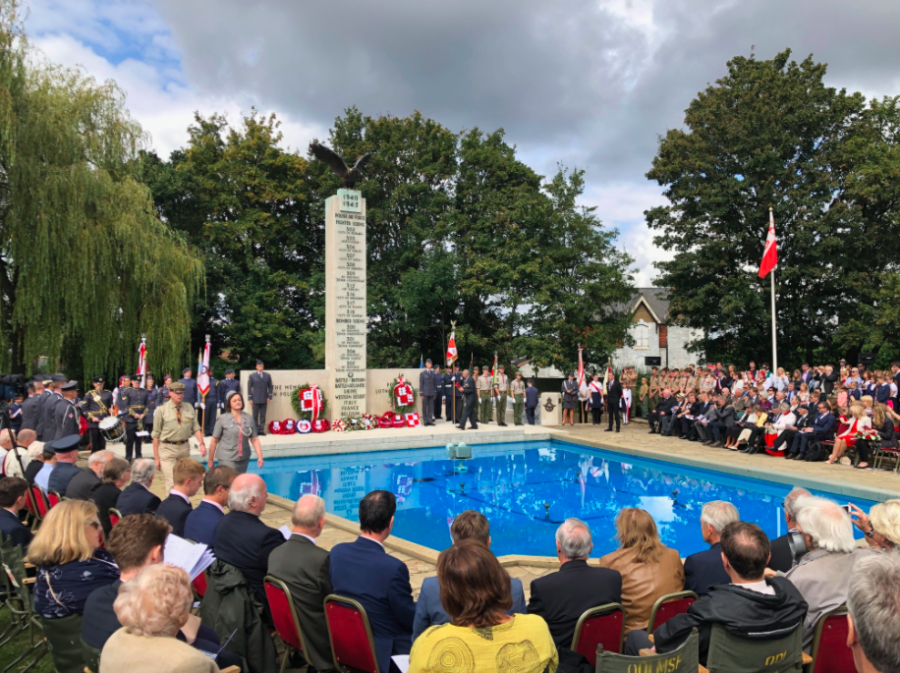
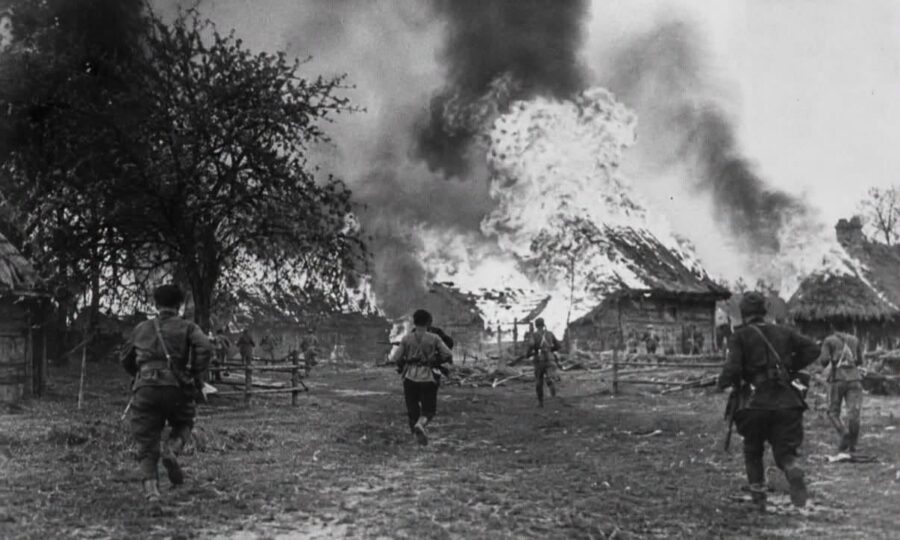
This period corresponds to the start of WWII. On the 17th of September 1939, Ignacy Mościcki nominated him President of Poland, in the midst of his resignation. At the time, Poland was being invaded by not only Germany, but also the Soviet Union. Wieniawa-Długoszowski travelled to Paris to perform his new role but was blackballed by Władysław Sikorski, the French Third Republic, and the United Kingdom.
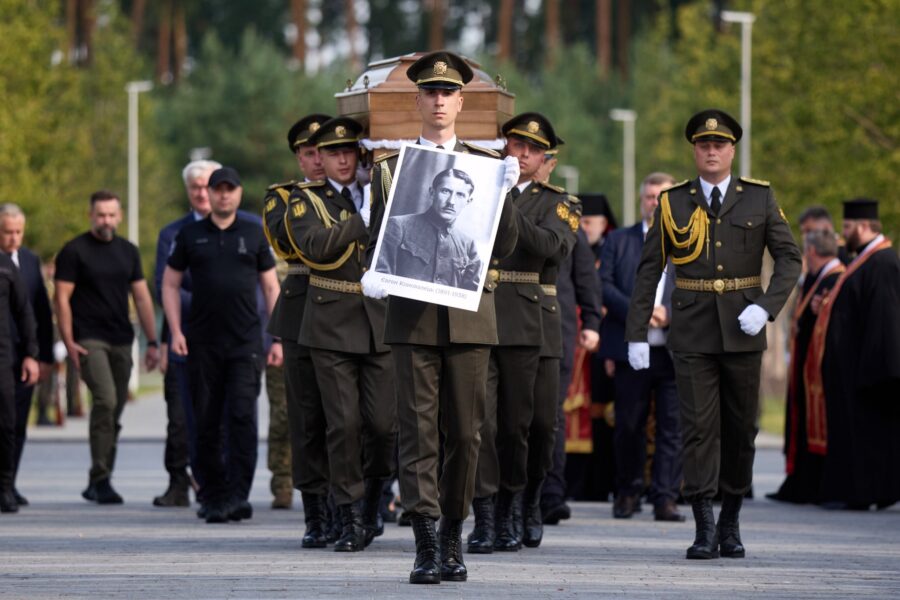
Following France’s capitulation, he emigrated to Lisbon before moving to New York, where he reportedly committed suicide. He is remembered as one of the most colourful and, simultaneously, meritorious figures of the Second Polish Republic.
Image: Twitter @PortalHistory, British Poles
Author: Sébastien Meuwissen