„The Massacre in Warsaw’s Wola district from the first days of the uprising was the largest single murder of Poles during the war. Those responsible for it were never punished. In numbers, the hecatomb of Wola is only less deadly than the Holocaust and the massacre of Poles in Volhynia. According to various estimates, in a small area of just one city district, between 30,000 and 60,000 completely defenceless people were murdered in just a few days,” Piotr Gursztyn, Polish historian and the author of „Slaughter of Wola. A crime unaccounted for” said in an interview with the British Poles.
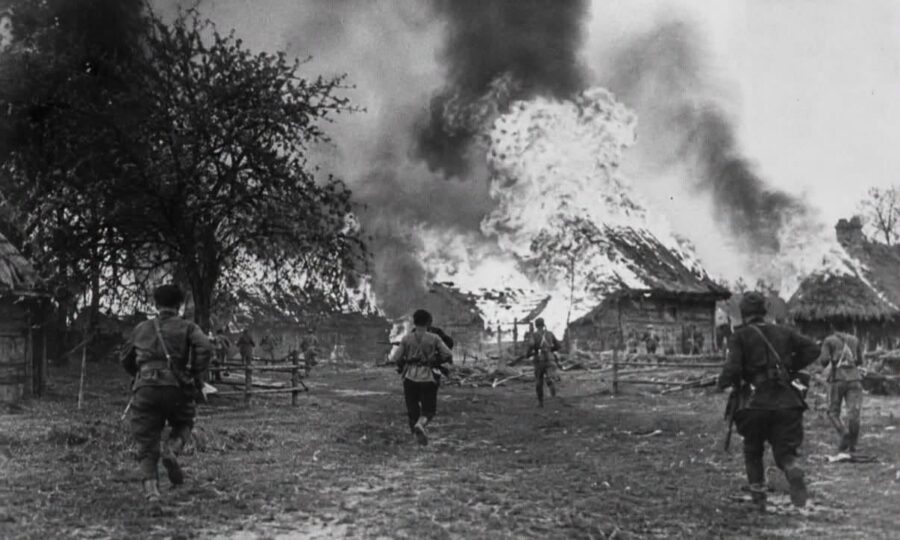
The extermination of the inhabitants of Wola lasted from the so-called Black Saturday of 5 August to 7 August 1944. The Germans were killing anybody without regard to age or gender. Occupation forces did not take anyone prisoner, they murdered small children and pregnant women and burned many people alive. They did not spare churches, hospitals or orphanages. The wounded were shot in the head. The bodies of the victims were burned. 12 tonnes of human ashes were found in Wola after the German forces left Warsaw.
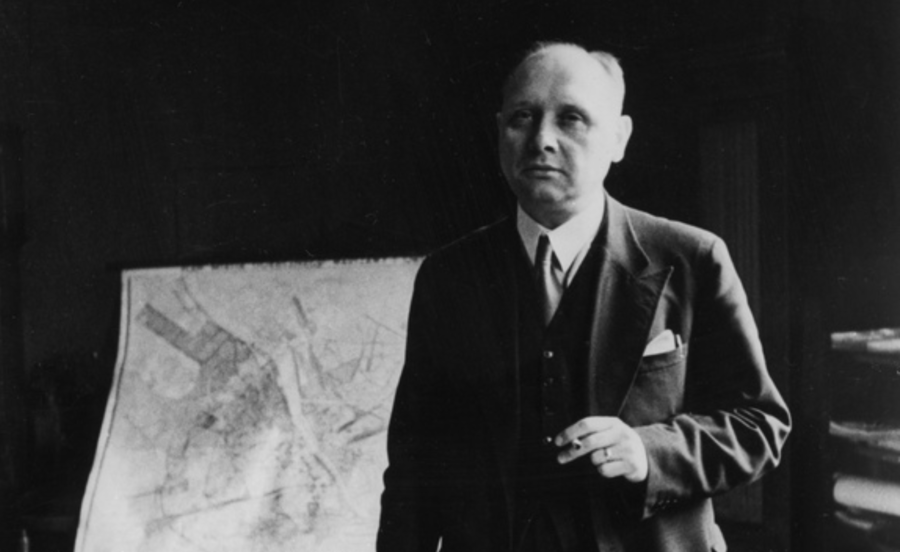
Heinz Reinefarth, who was responsible for the slaughter, lived his life as a mayor of the resort town of Westerland and a member of the Landstag after the war. He was never under trial for his deeds in Warsaw.

The Wola massacre started as a direct implementation of Adolf Hitler’s order to destroy Warsaw and murder all its inhabitants. During the massacre on August 5–7, 1944, thousands of Polish men, women and children were murdered in numerous mass and individual executions, including patients and staff of three Wola hospitals.
On Piotr Gursztyn’s consent, we quote parts of his book about the Wola Massacre.
August 5, Saturday. „The German relief force began combat operations this morning at 10 a.m. in three places on the edge of the city,” reported Governor General Hans Frank to the head of the Reich Chancellery, Hans Lammers.
„After the uprising and its suppression, Warsaw will rightly succumb to the fate of its destruction or will be subjected to it,” he wrote a few sentences later.

What did Hans Frank mean when he wrote about the beginning of the relief operations at 10? Fight or extermination of civilians? The German troops that launched a direct attack on the insurgent positions had already been fighting much earlier, even from 6 a.m.
The main attack started at 9.30. Those groups of Germans that intended to exterminate the civilian population began to operate shortly before 10 a.m. It is necessary to note that the worst crimes took place in the areas controlled by the Germans throughout the uprising. These areas had no direct connection with military operations. War crimes occurred in the area captured as a result of the fighting, but their scale was incomparably smaller than the murders committed by the Germans in places where they did not have to fight.

“On Saturday morning there was a bombing from planes, windows were flying, everything was burning and collapsing. They do it despite wounded soldiers and civilians. The wounds are terrible” – this was how „Ms Stasia”, a Home Army soldier and a nurse from the Karol and Maria Hospital, remembered the beginning of that day.

Here you can see the documentary film „The Massacre of Wola„. Directed and written by: Rafał Geremek.
Piotr Gursztyn told the British Poles that this horrific crime had never been legally settled.
“History is the source of our identity and that is why we should at least commemorate this crime, talk about it, and mark with dignity the places where it happened. This is our moral obligation. Political gestures are also important. It is sad that no one from the German authorities ever paid tribute to those murdered at the Warsaw Monument to the Victims of the Wola Massacre. There were visits at the local government level – the mayor of Westerland laid a wreath twice and the German ambassador did that once. The German Chancellor or the Minister of Foreign Affairs never appeared there,” Gursztyn said.
Maria Byczynski
Translation: Tomasz Modrzejewski
Photos: British Poles and screenshot from the film „Warsaw 44”