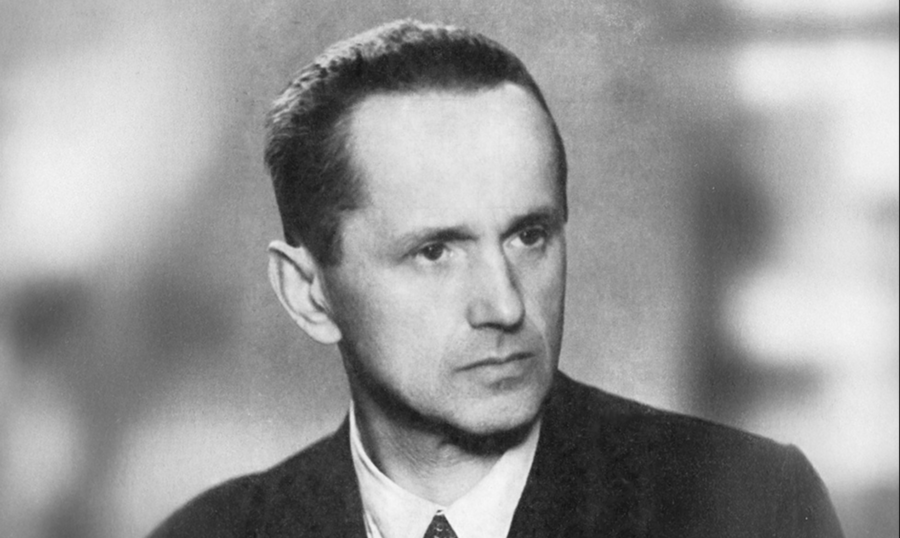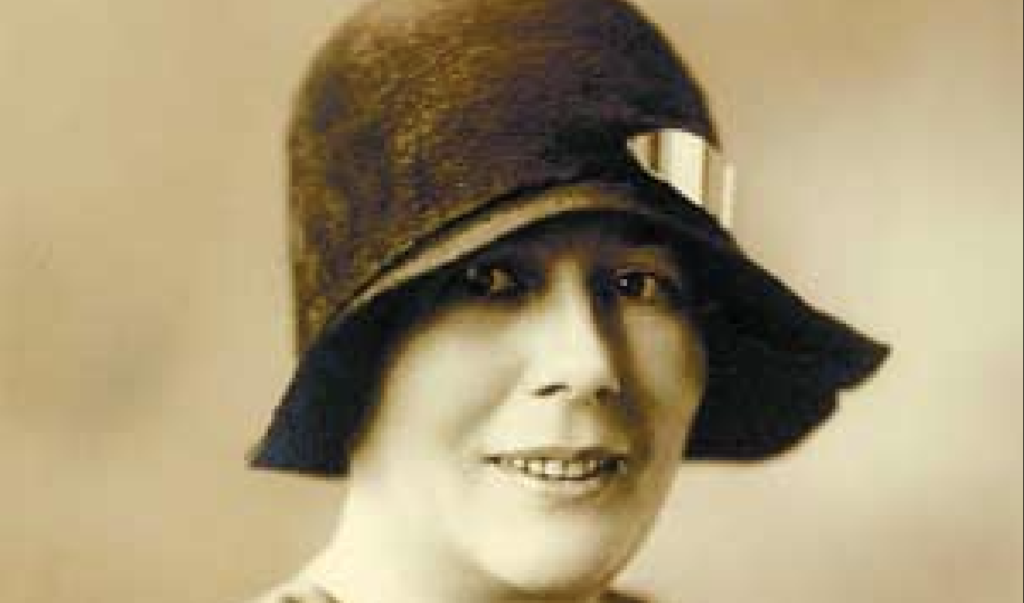
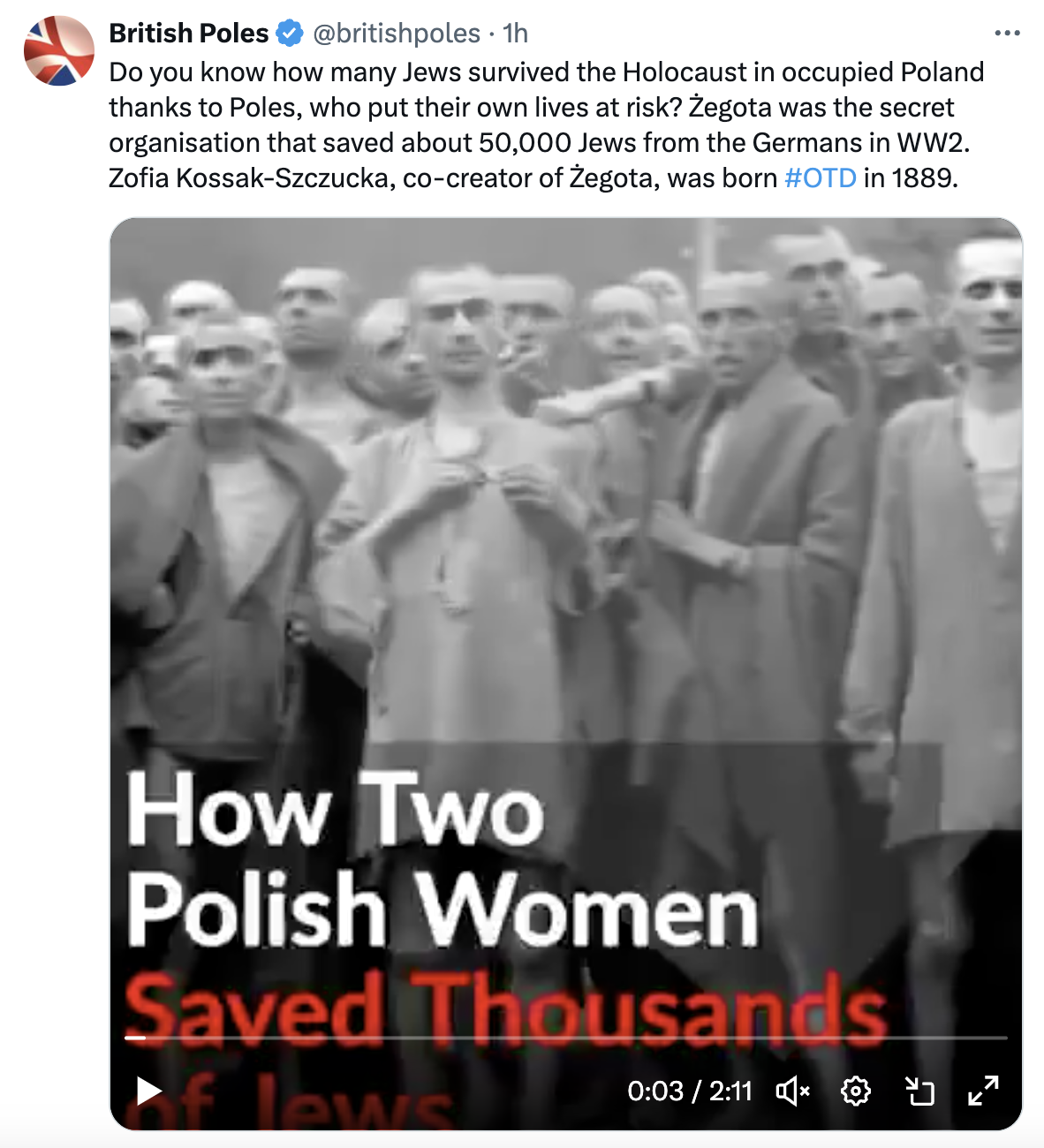
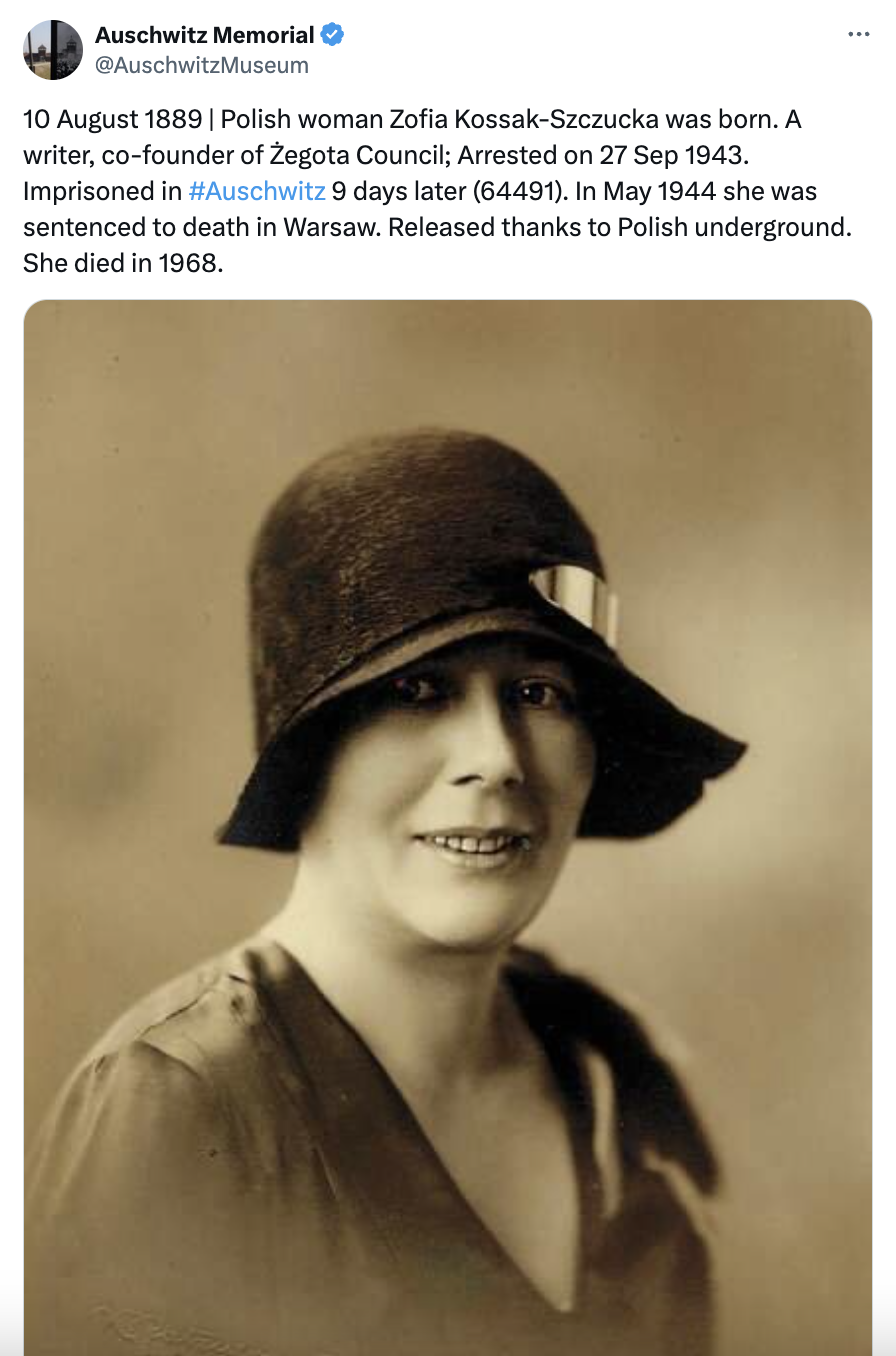
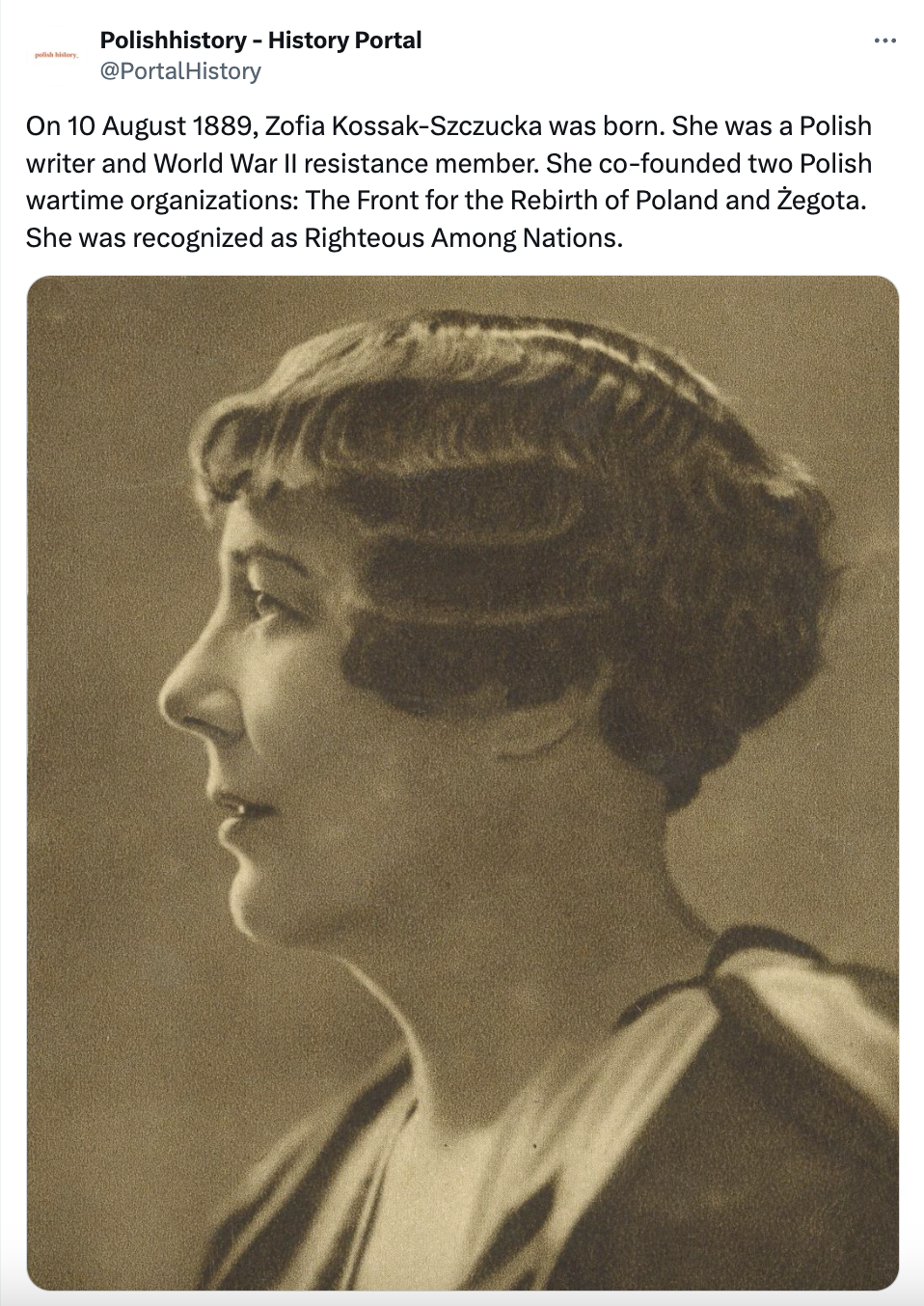
Zofia Kossak-Szczucka was one of the organisers of the so-called Konrad Żegota, or just Żegota organisation, whose official name was the Council to Aid Jews With the Government Delegation For Poland. The structure was coordinated from London and run in German-occupied Poland to save as many Jews as possible.
Zofia Kossak-Szczucka was a renowned author in pre-war Poland, associated with the right-wing catholic social and political circles. She was also known as a critic of the relations with the Jewish minority in the II Polish Republic, especially in economic influence and the representation of Polish Jews in the internationalist-socialist movement. It is important to note that her political views presented a very critical perception of antisemitic race-based theories and aggression against the Jews.
Zofia Kossak also noted that the ideological roots of communism and nazism are the same, and they both mean “abandoning God”.
Her true convictions were best depicted by her attitude towards Jews during the 2 World War and the German occupation.
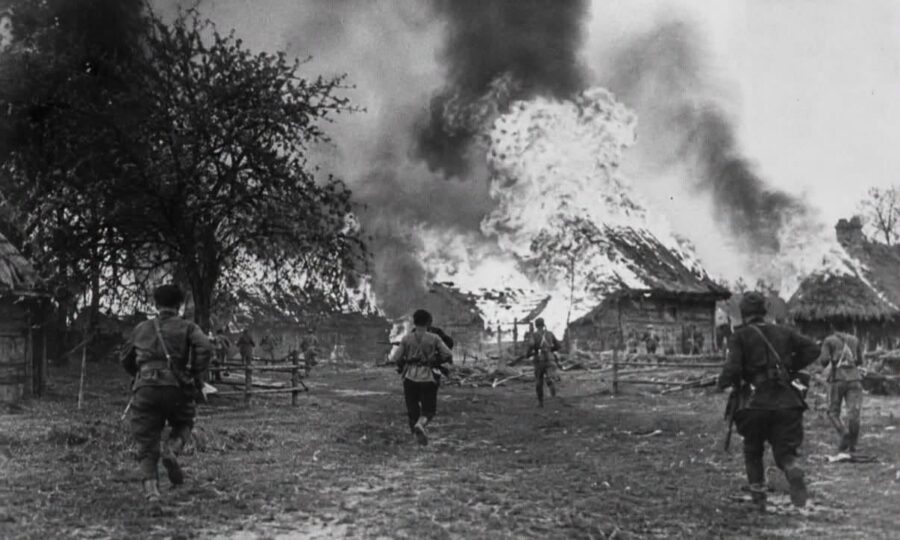
In December 1941, the Germans began mass extermination of the Jewish population in concentration camps. Auschwitz-Birkenau was among the worst camps, but in 1942 they also operated a death camp in Treblinka that was strictly aimed at killing people in gas chambers and mass shootings.
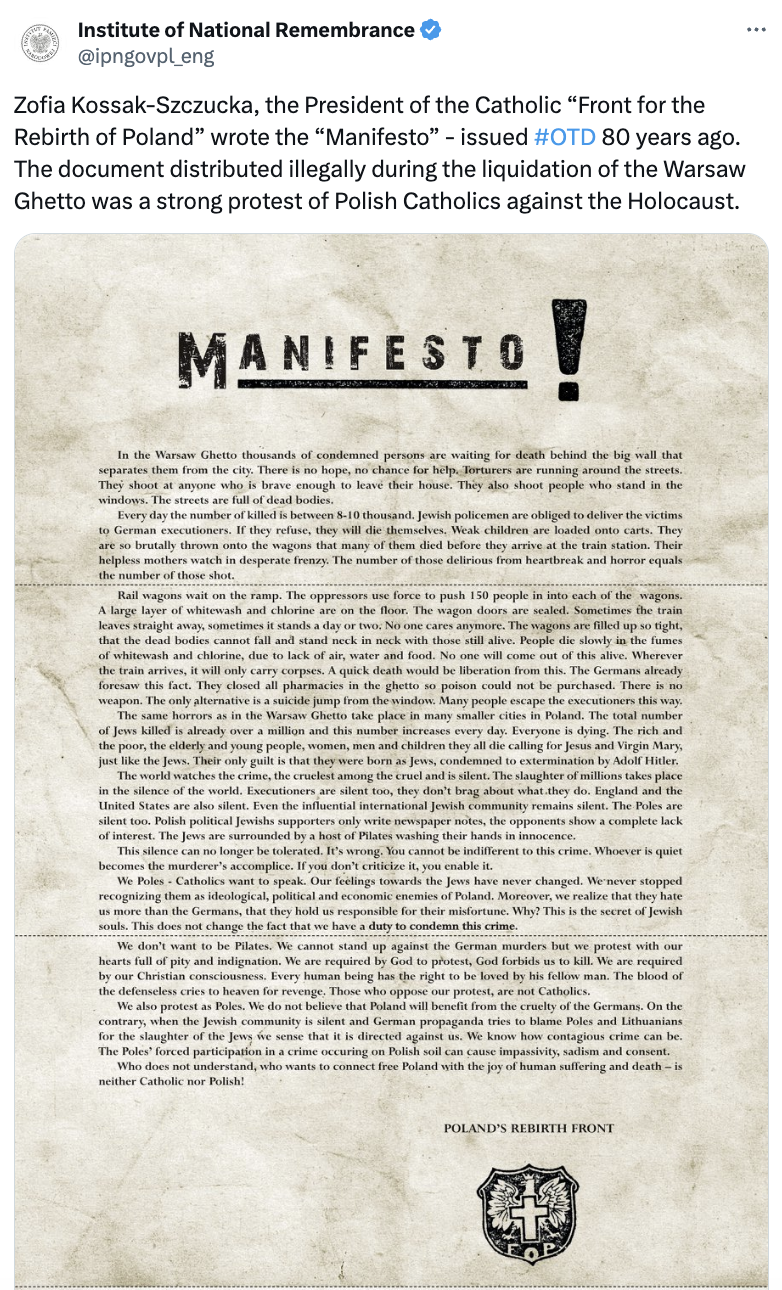
On 11 August 1942, during the deportations of Jews from the Warsaw Ghetto to concentration camps Zofia Kossak-Szczucka, who was then the president of the Front Odrodzenia Polski (a continuation of the pre-war Catholic Action), published an article against the persecution of Jews under the title „Protest!”. The article expressed the unconditional damnation of German atrocities against Jews.
Because of that wide protest on 27 September 1942, the Konrad Żegota Provisional Committee to Aid Jews was founded by Zofia Kossak-Szczucka and Wanda Krahelska-Filipowicz. The organisation reached its final form on 4 December 1942 becoming an official entity of the Polish Government-in-Exile.
As the German occupation laws were ruthless against all people helping Jews – any such help was punished with death sentence – the council had to operate with great care and name the most productive fields for aid.
It operated in five main areas: helping Jews to obtain baptism certificates or other documents, financial aid, medical care, creating safe places to hide and saving Jewish children.
Children were often hidden by foster families, in public orphanages and other educational institutions. Families hiding children received funds to care for them. In Warsaw, the Children’s Division of the Żegota, headed by Irena Sendlerowa, provided help to around 2,500 Jewish children.
In cooperation with various Catholic convents, Żegota supplied the Jews with Catholic baptism certificates, which helped them to survive. The organisation provided 50,000 documents for the persecuted Jews.
An important aspect of Żegota’s activities was the medical care for Jews in hiding. They had to avoid leaving the flats for fear of being recognised by Germans. For this reason, even complicated medical procedures had to be carried out in home conditions.
Zofia Kossak was arrested and taken to Auschwitz on 5 October 1943. After she refused to collaborate with the Germans against the Soviet Union, she left the penitentiary system and joined the Polish Underground again. She participated in the Warsaw Uprising.
After the World War 2 she and her husband, Stanisław Szatkowski, had to move to Britain because of possible persecution from the communist government. The couple lived in Cornwall for twelve years in a farmhouse near Launceston.
They had to begin a new life as farmers to provide for themselves and their children who studied in Ireland and Switzerland.
The farmhouse became a safehouse for Poles who had to leave their homeland now dominated by the communist regime. They also had great relations with their English neighbours.
A story from that time says the local Anglican community pastor tried to convince the couple to convert to his faith. According to the story, the pastor asked: “You Poles are such devoted Catholics, but how did this happen? Poland did not have any Polish Pope yet?”
Zofia replied: “No, but we have patience and still have time and we will wait.”
Zofia’s prediction became reality some 30 years later when Karol Wojtyła became the first Polish pope – John Paul 2.
Zofia and her husband remain members of the Catholic parish in RC Church of St. Cuthbert Mayne. They loved to spend their holiday at beaches of Bodmin and Dartmoor.
For her outstanding activism to save Jews across Poland she was posthumously awarded the title of Righteous Among Nations in 1982.
Today, Zofia Kossak and her books are falling into memory oblivion, sometimes due to disgraceful attempts to declare the author an anti-Semite because of her pre-war journalism. However, it is worth remembering that every day of the occupation she could have paid with her own life for helping to save the Jews. To understand Kossak’s past we must add her imprisonment in Auschwitz and the Pawiak prison and her fight in the Warsaw Uprising.
Tomasz Modrzejewski
Photo: IPN
From the editor:
Zofia Kossak is among the 7,117 Poles (more than any other country) honoured as “The Righteous Among the Nations” at the Yad Vashem Holocaust Memorial in Jerusalem. Poles constitute the largest national group within the Righteous Among the Nations recognised by Yad Vashem. 27.921 people have been recognised so far. More than 25% of which were Polish. More can be read at the official Yad Vashem website. We need to remember that throughout the German occupation of Poland, many Poles risked their own lives – and the lives of their families – to rescue Jews from the Germans. To date, 7,112 Poles Christian Poles have been awarded the title of Righteous Among the Nations by the State of Israel, more than those of any other nation (to compare Germany just 641). Considering the harsh punishment that threatened rescuers, this is a most impressive number. Polish citizens were hampered by the most extreme conditions in all of German-occupied Europe. Occupied Poland was the only territory where the Germans decreed that any kind of help for Jews was punishable by death for the helper and their entire family. At least 50.000 Poles were executed by the Germans solely as a penalty for saving Jews.