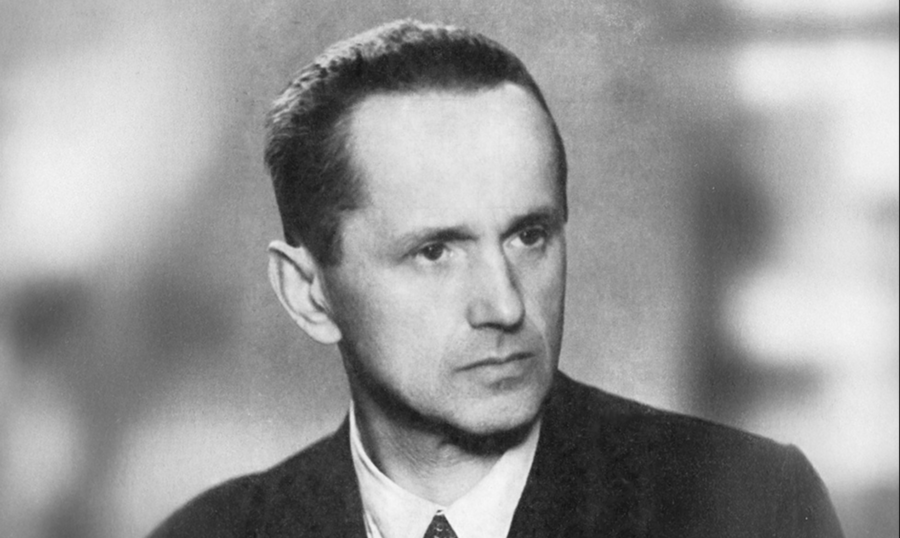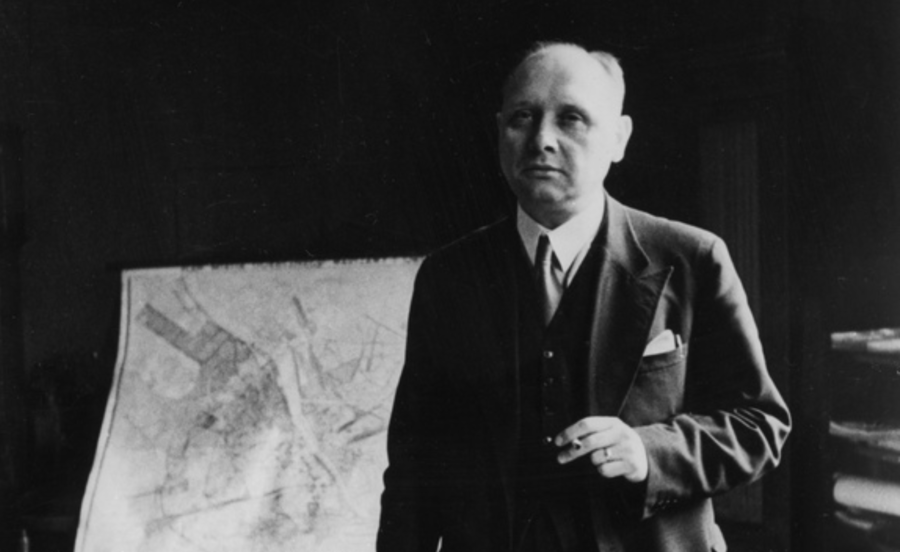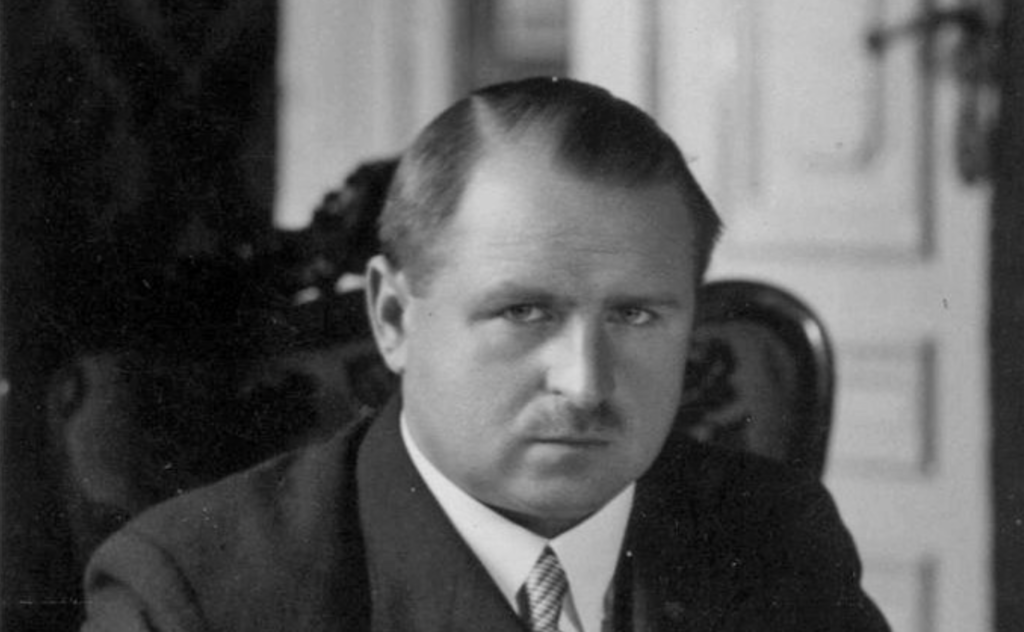
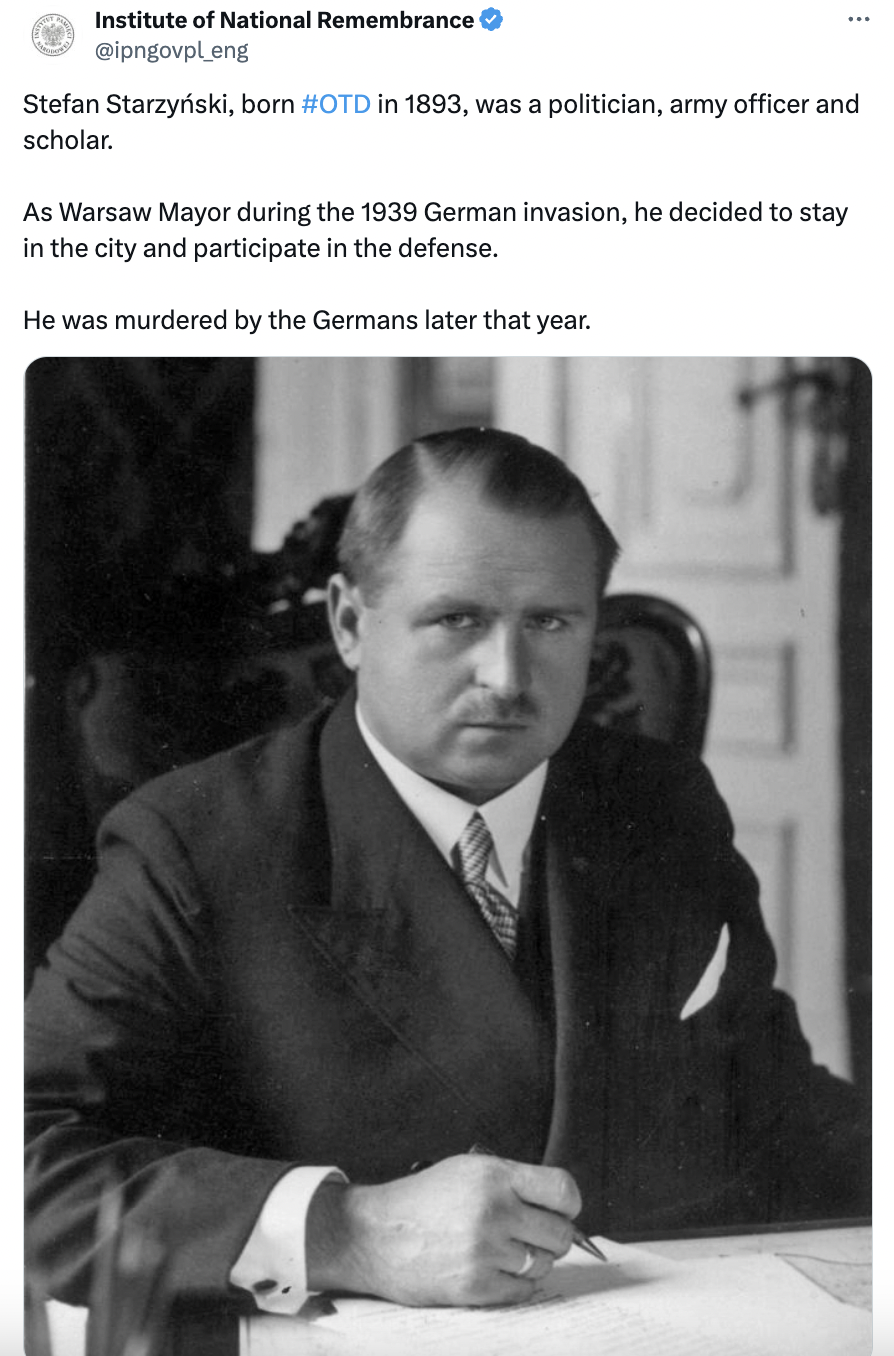
Stefan Starzyński was the president of pre-war Warsaw. When taking office he was calm with promises. Still, during his administration, the capital developed its sewer systems, built the great National Museum and re-created the wall in the Old Town. Starzyński could, and according to his orders, leave Warsaw in 1939. He refused and stayed with his people for which he paid the ultimate price of his life.
Stefan Starzyński was born on 19 August 1893 in Warsaw but grew up in Łowicz. He attended his primary schools in Łowicz but finally graduated from the famous E. Konopczyński private secondary school in Warsaw.
During the revolution of 1905, Starzyński and his brother became involved in solidarity school strikes with those taking place in the German-occupied part of Poland. As a secondary school student at 17, he was incarcerated at Warsaw’s Citadel prison.
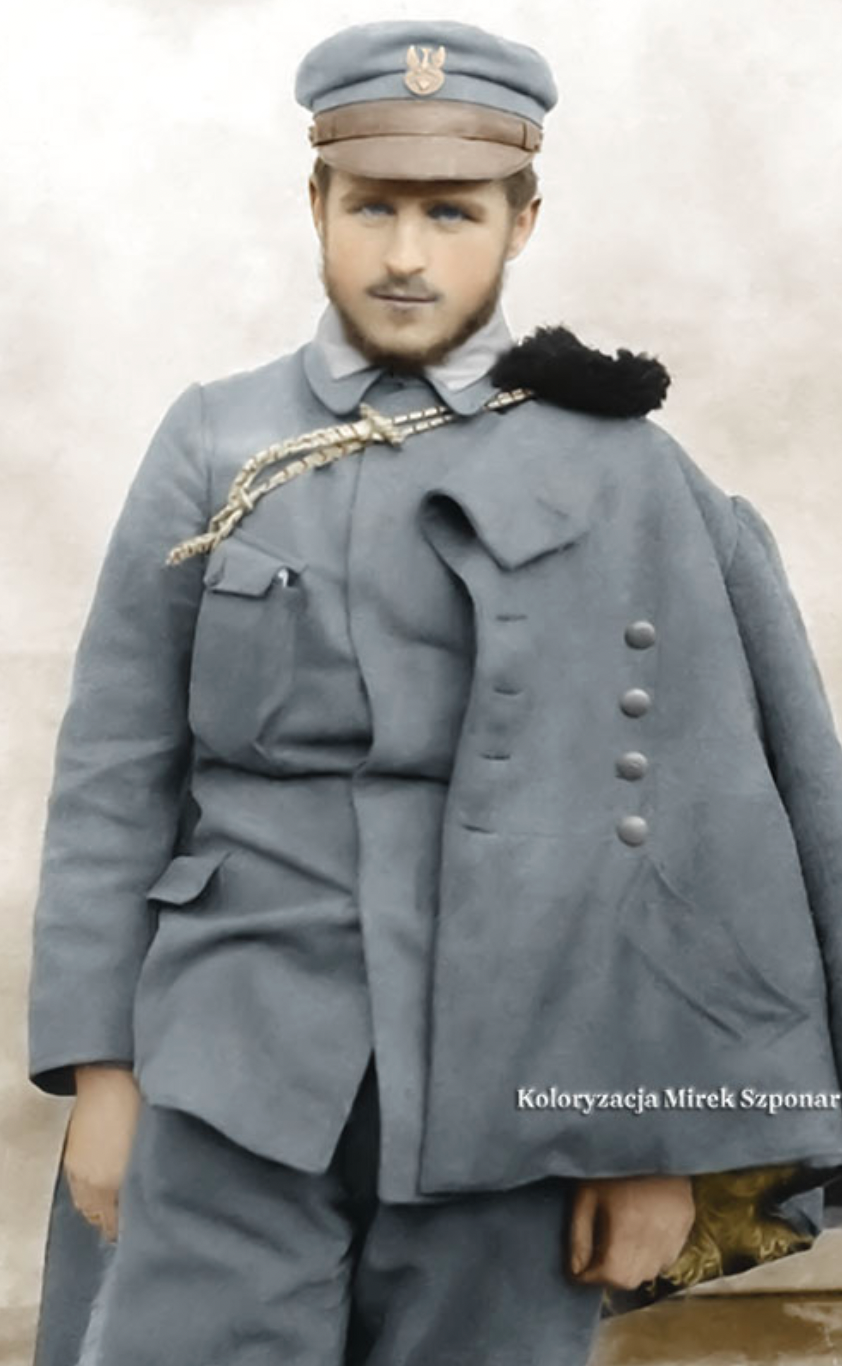
As a 19-year-old, Starzyński was already involved in independence activities. Together with his brother, he fought in the ranks of the First Brigade of the Polish Legions created under the Austro-Hungarian monarchy in the Great War.
Because of his involvement in the political initiatives of Józef Piłsudski, the later head of the Polish state, Starzyński remained in close circles of the political elite, especially after the coup d’etat in 1926, when Piłsudski’s political allies dominated the country’s political life.
On 2 August 1934, he became commissioned President of Warsaw, which at first did not make him popular among the citizens or the city’s youth as most of them preferred to choose their president in free elections.
Despite the initial scepticism, Starzyński’s works made him popular among the Varsovians and closely associated with the city’s prosperity in the pre-war period.
During Starzyński’s 5-year term in Warsaw, he was able to work on the construction of over 100,000 flats with additional infrastructure, the building of 30 schools and the modernisation of several dozen older education facilities.
The most important investments of that time were the construction of the National Museum, the Tourist Home building, the Żoliborz market hall and the Przemienienie Hospital, the renovation of the Blank Palace, the Arsenal and the Brühl Palaces, the partial re-discovery of of Warsaw’s medieval city walls in the Old Town, the preparation of a preliminary project for the construction of the Piłsudski Bridge and a 25 km-long underground network, the modernisation of Warsaw’s arterial roads, the modernisation of seven other hospitals, and the construction of a new tunnel system that was the first investment in the Warsaw underground railways.
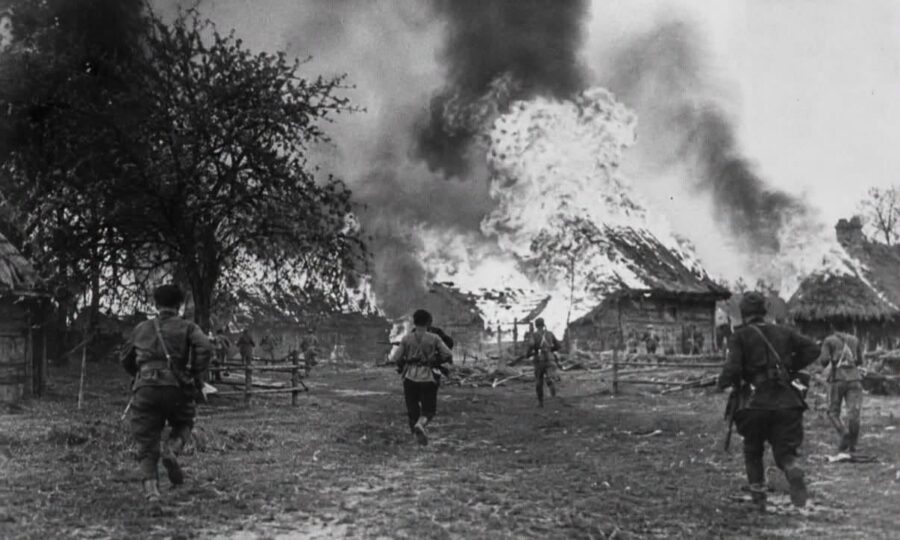
The most important episode of President Starzyński’s rule was the dramatic days of September 1939.
President Starzyński was encouraging the citizens of Warsaw to remain calm and support the defence of the capital. He made several fiery speeches on Polish radio that survived to this day as archive recordings.
On 27 September 1939, the Polish side began capitulation negotiations with the German command. The Polish negotiator’s group included Stefan Starzyński.
He was advised to leave Warsaw together with the rest of the Polish high administration and officials.
“I cannot abandon the Varsovians. I was with them and I will stay with them,” Starzyński responded.
President Stefan Starzyński was arrested by the Germans on 27 October 1939 in the city hall. He was interrogated at the Gestapo headquarters in Szucha Avenue and later imprisoned in Pawiak prison.
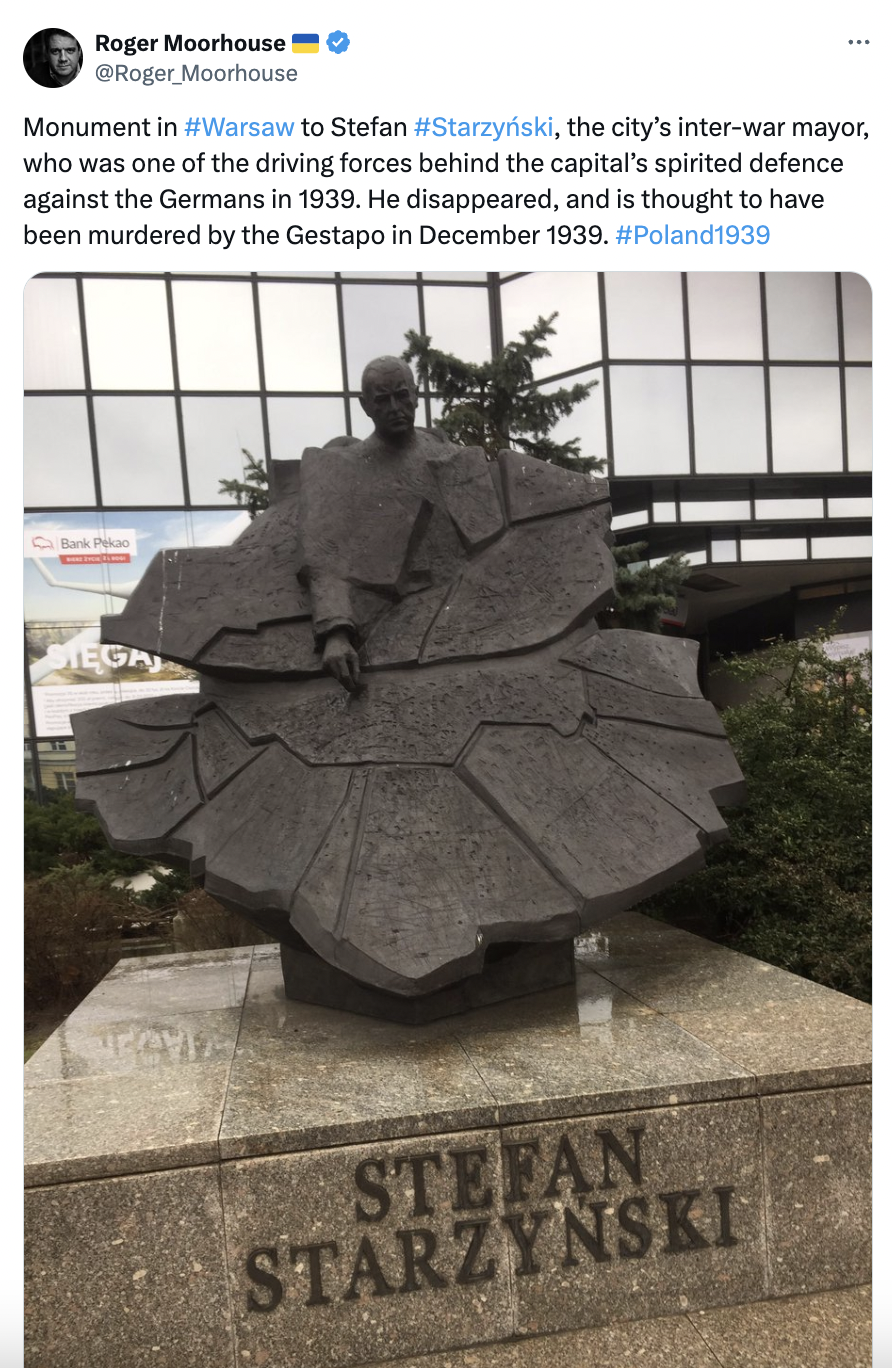
The circumstances of the death of the President of Warsaw have been established by the investigation of the Commission for the Prosecution of Crimes against the Polish Nation in Warsaw, operating at the Institute of National Remembrance.
According to the investigation of the Polish prosecutor’s office President Stefan Starzyński was murdered by the Germans between 21 and 23 December 1939.
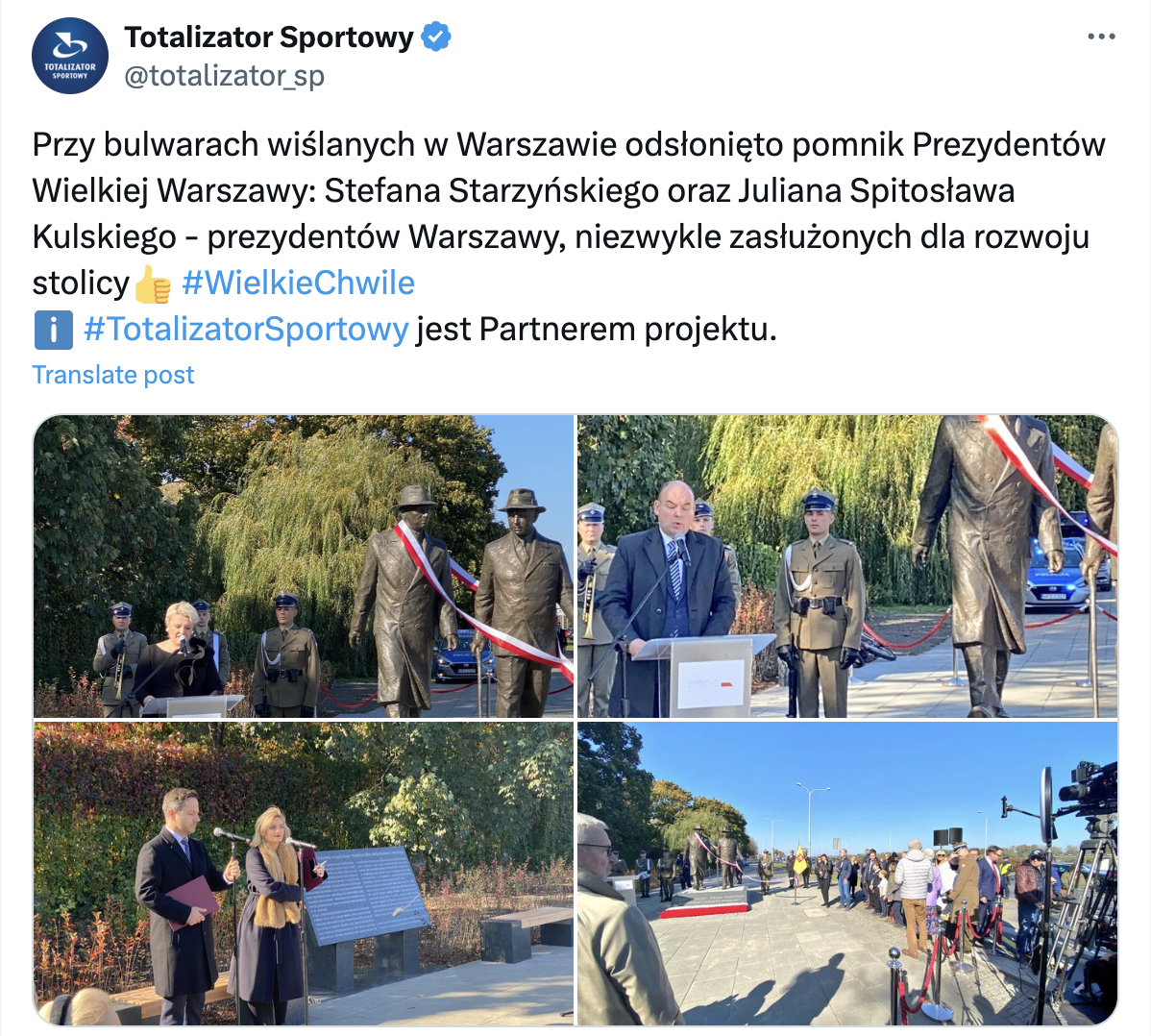
The memory of President Starzyński is beautifully commemorated by the monument of the Presidents of the Great Warsaw, showing Starzyński and his vice-president Julian Spitosław Kulski while walking down the Vistula river boulevards.
Sources: IPN, Polskie Radio
Tomasz Modrzejewski
Photo: IPN