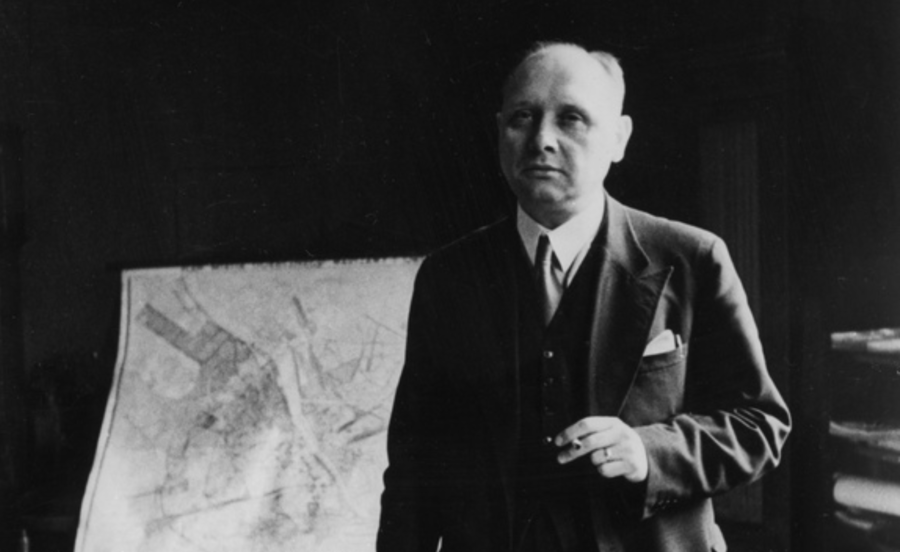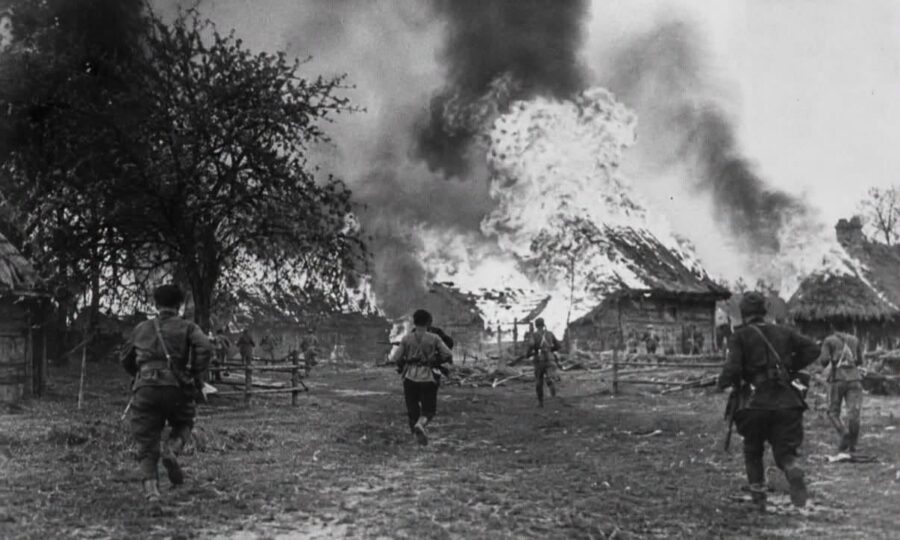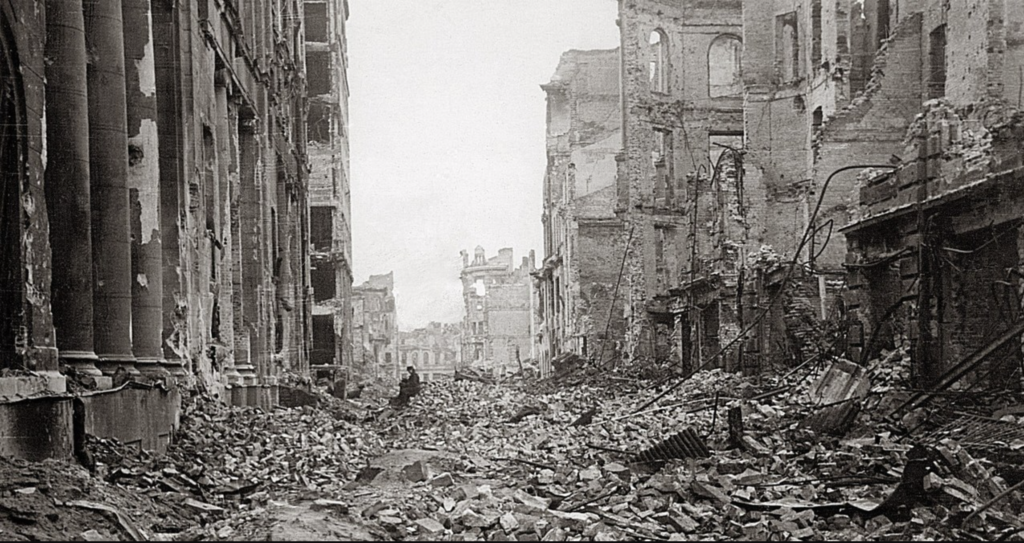
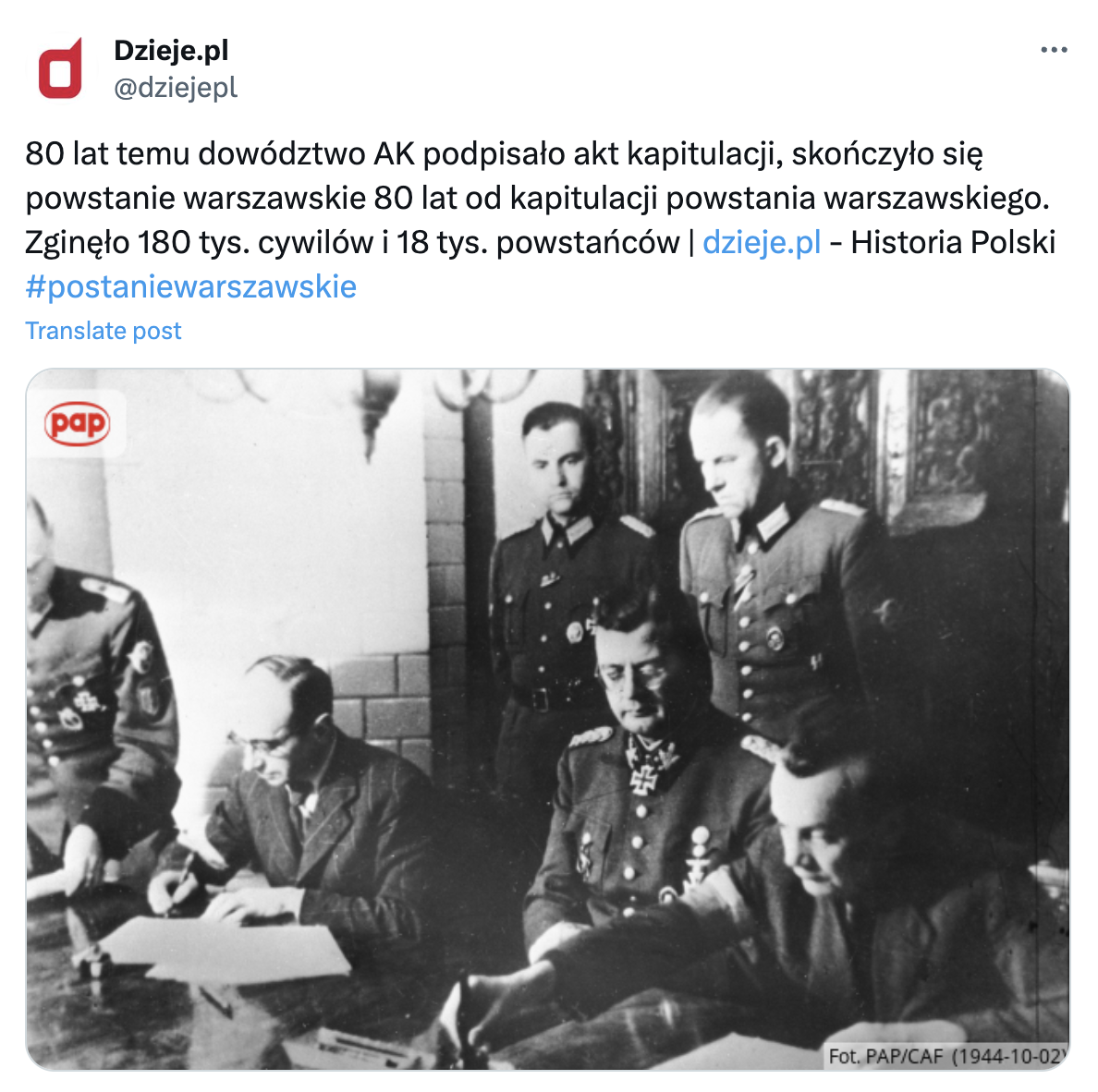
On 2 October 1944, delegates of the Home Army (AK) Headquarters signed the act of surrender to the Nazi German occupation. The Warsaw Uprising cost the lives of 180,000 civilians and 18,000 fighting insurgents. After the end of the Uprising, on a special order from Adolf Hitler, the city was demolished and its entire population displaced.
According to the plans, the uprising was to last a few days at most and was aimed at pushing the retreating Germans away from the Polish capital. The Home Army command hoped that the Wehrmacht, after the heavy losses it had suffered during Operation Bagration, was demoralised and not ready to face the AK partisans.
Hopes that such opinions were not exaggerated were based, among other things, on the sight of columns of wounded German soldiers heading through Warsaw from east to west.
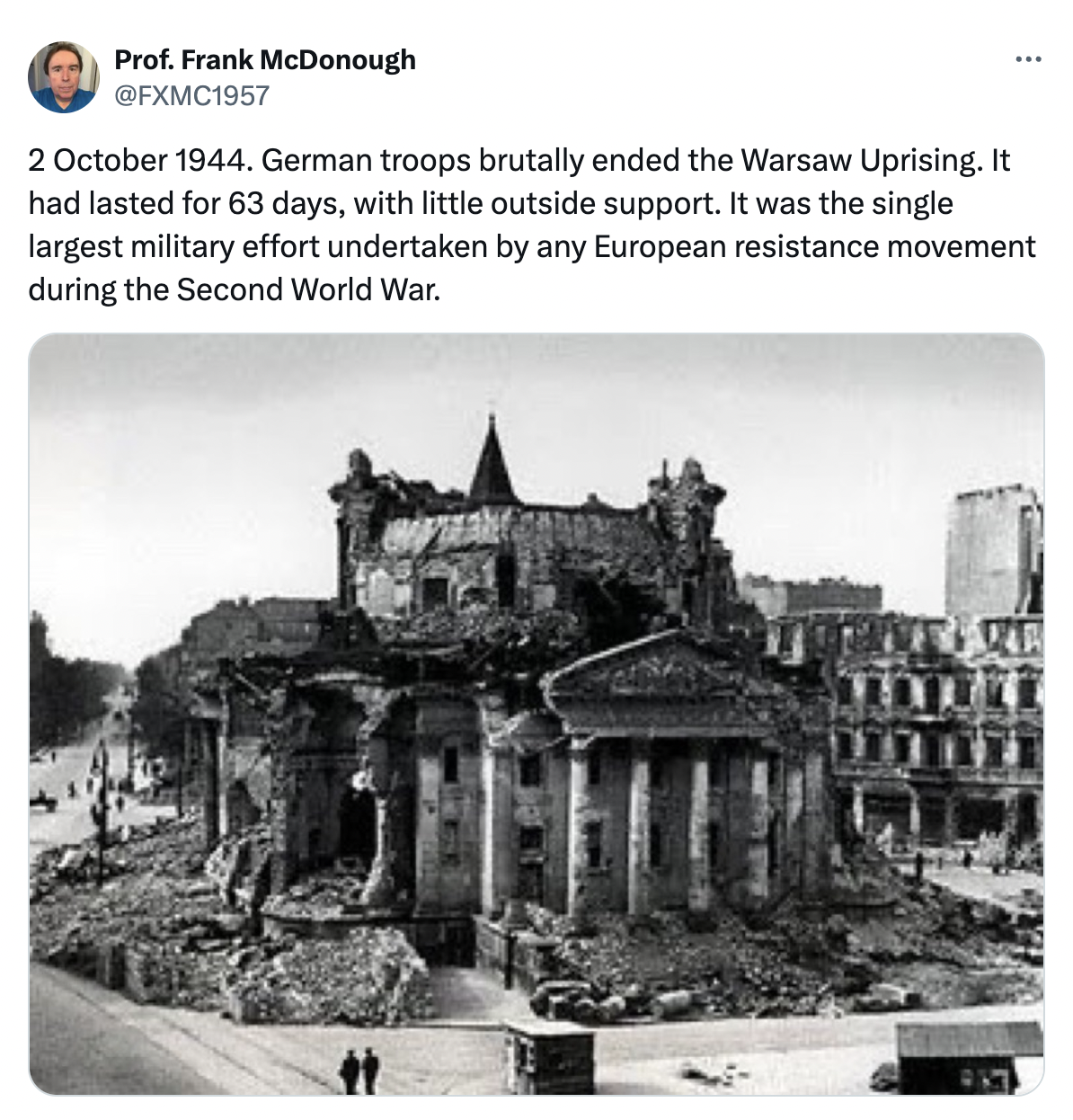
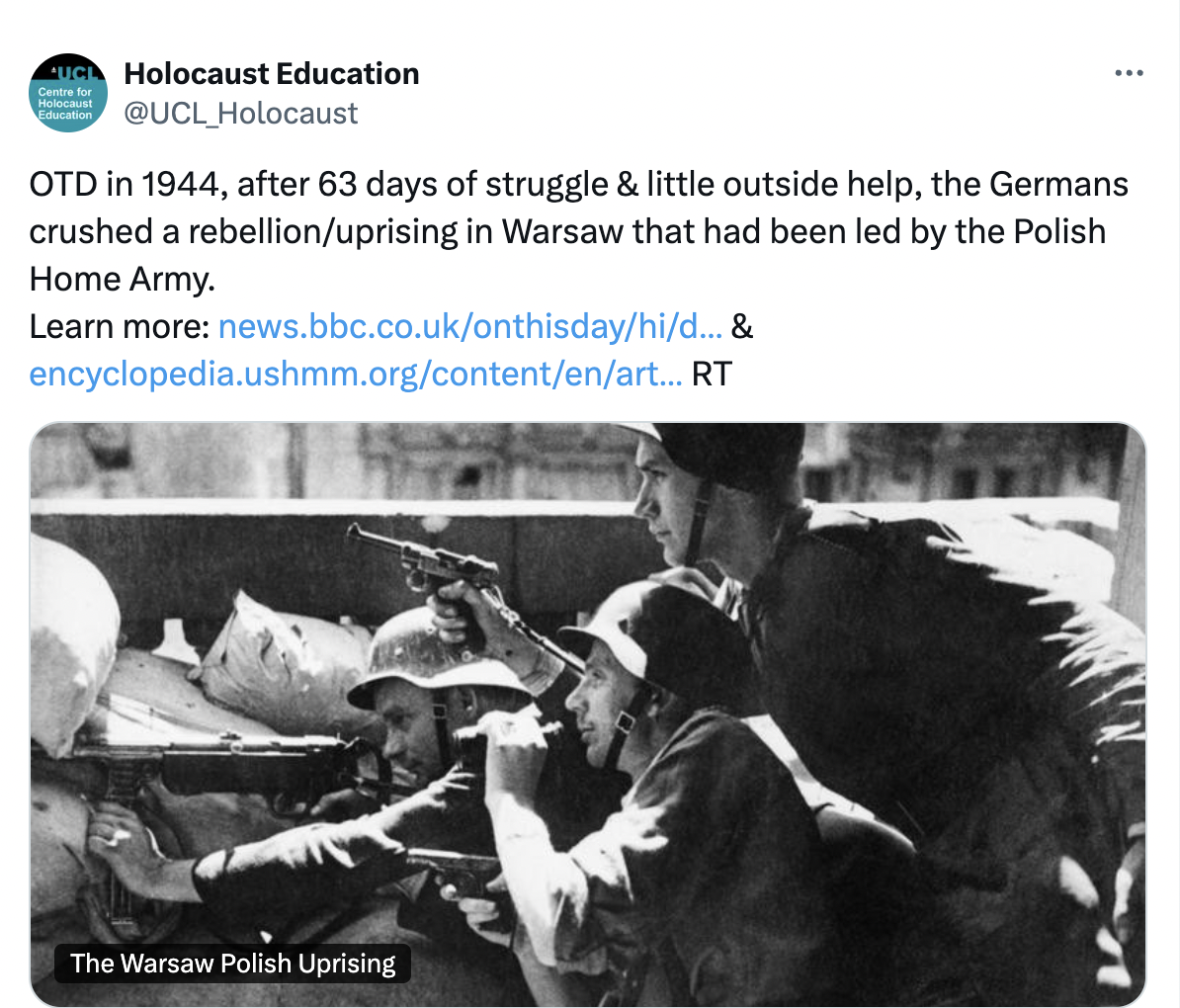
The Red Army provided no help to the insurgents. The British and American aid delivered by air from Italy was insufficient to change the course of the battle. Despite all negative factors the uprising lasted for 63 days which makes it the largest armed operation of the democratic underground in German-occupied Europe.
After being informed about the start of the Warsaw Uprising, Reichsfuhrer SS Heinrich Himmler issued an order stating: “Every inhabitant is to be killed, no prisoners are to be taken, Warsaw is to be razed to the ground and in this way, an intimidating example is to be set for all of Europe.”
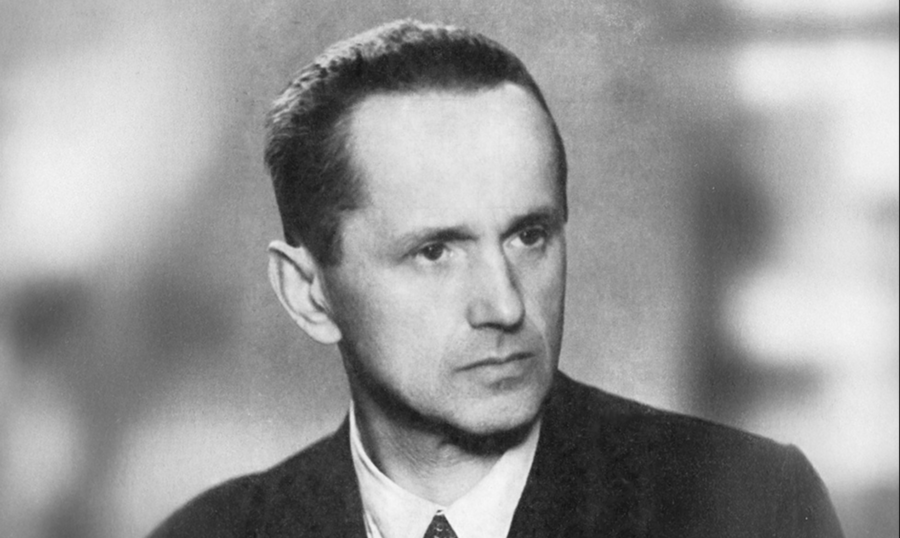
After 63 days on 2 October 1944, representatives of the Home Army HQ, Colonel Kazimierz Iranek-Osmecki ‘Jarecki’ and Lieutenant Colonel Zygmunt Dobrowolski ‘Zyndram’, signed the act of surrender of the Warsaw Uprising in the quarters of SS-Obergruppenfhrer Erich von dem Bach in Ożarów.
During the fighting in Warsaw, around 18,000 insurgents died and 25,000 were wounded. The Germans also killed 3,500 soldiers from the Kościuszko Division (servind under the Red Army’s command) who made their way to the city. The losses of the civilian population were enormous, amounting to about 180,000 dead. The surviving inhabitants of Warsaw, some 500,000, were driven out of the city, which was almost completely demolished after the uprising.
According to the capitulation agreement, AK soldiers were to enjoy all the rights of the 1929 Geneva Convention on the Treatment of Prisoners of War as soon as they laid down their weapons. The same rights were granted to soldiers of the Home Army who were taken prisoner by the Germans during the battles fought from the beginning of the Uprising in Warsaw.
In the signed document, the German side also stated that those recognised as prisoners of war “will not be prosecuted for their wartime or political activities both during the fighting in Warsaw and the preceding period, even if they are released from prisoner-of-war camps”.
Norman Davies wrote about the implementation of the agreements made in the Capitulation Agreement of 2 October 1944 in his book Rising `44:
‘In the first stage, the Germans certainly held to the provisions of the concluded agreement. After the Rising, the horrific massacres that occurred during the Rising did not return. There was no attempt to exterminate the Jews or any other undesirable element and – generally speaking – the evacuees to the transit camps were not beaten, starved or otherwise abused. Many thousands found a way to slip out, and many were immediately released. The vast majority of the Home Army prisoners of war were – by agreement – sent back to regular prisoner-of-war camps under the supervision of the Wehrmacht. Women prisoners of war were, according to the agreement, sent to special camps or simply released. However, as time passed and the initial number of prisoners decreased, the more unpleasant aspects of the Nazi machine became apparent. When the final count was made, it emerged that well over 100,000 Varsovians had been sent to forced labour in the Reich, in defiance of the agreement to cease hostilities in Warsaw, and tens of thousands more had been placed in SS concentration camps, including Ravensbrück, Auschwitz and Mauthausen.’
The surviving population of Warsaw, some 500,000, were driven out of the city, which was almost completely demolished after the uprising. Special troops that used dynamite and other heavy equipment, continued to methodically destroy the remains of whatever was left from the city for more than three months.
More than 15,000 insurgents, including 2,000 women, went into German captivity. Among them, almost the entire AK command, with Generals Bór-Komorowski, Pełczyński and Chruściel.
Source: PAP
Tomasz Modrzejewski
Photo: Wikipedia, public domain