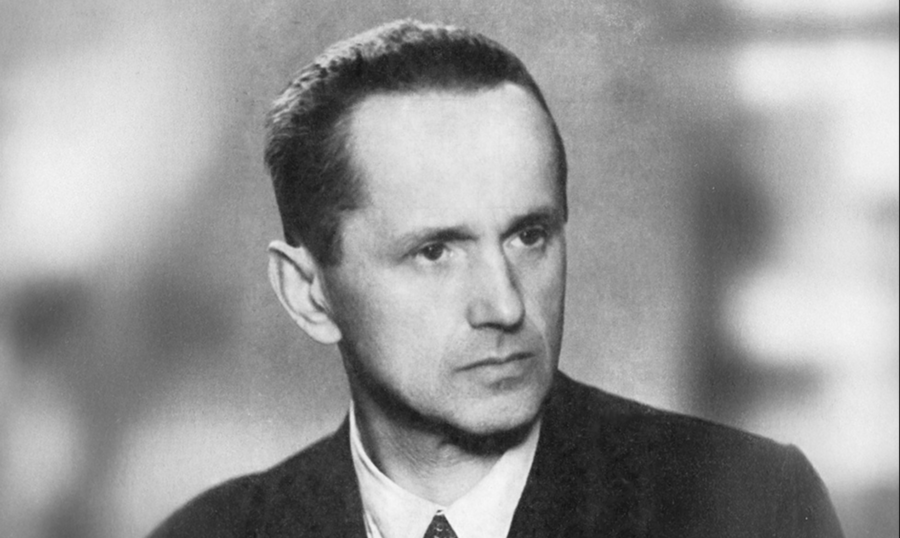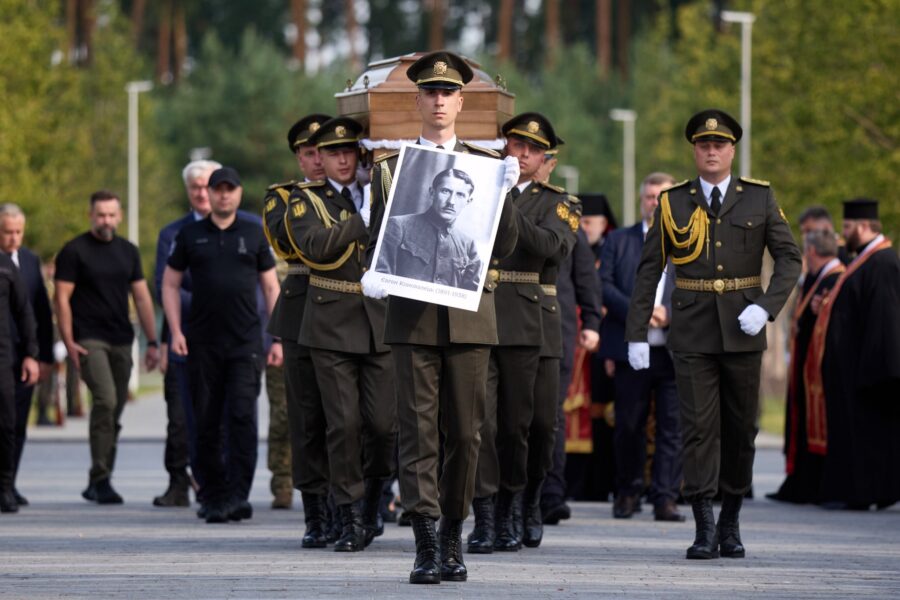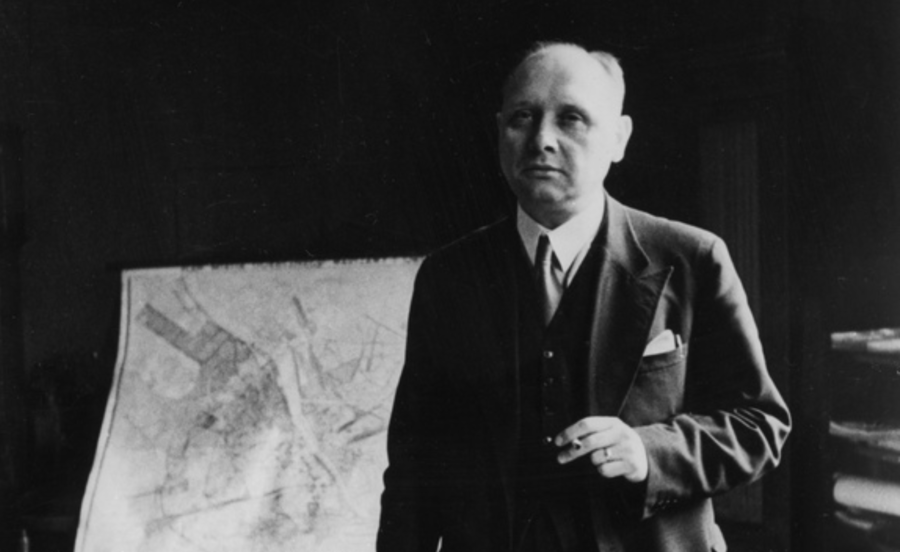
The 16 December 1922 was a tragic day in the history of young Polish independence, regained after 123 years of partitions. After a huge wave of political unrest a Polish art historian and painter, Eligiusz Niewiadomski shot the first president of Poland, Gabriel Narutowicz, during an exhibition opening in Warsaw’s famed Zachęta gallery.
The origin of the assassination was the process of electing the first president of Poland.
The Polish political stage at that time had two most important players.
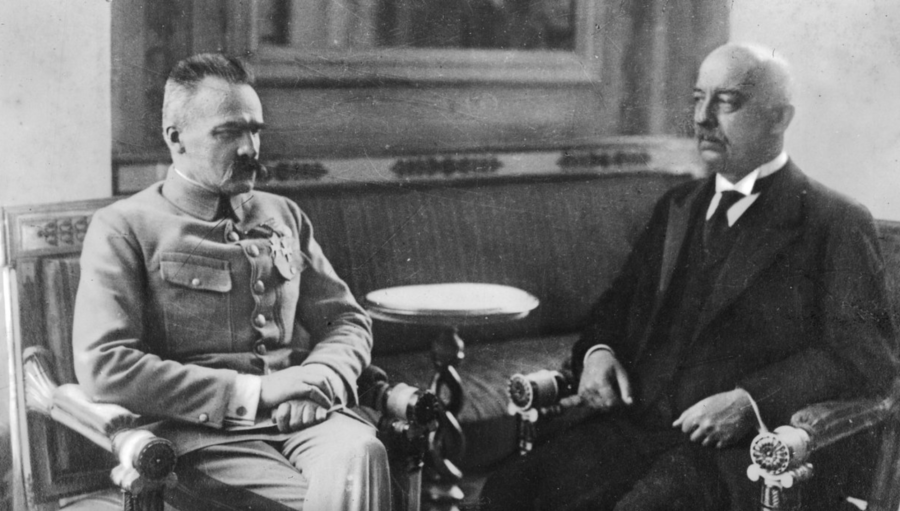
One was Roman Dmowski, who created and represented the most numerous political movements in the country by the name of National Democracy. His main opponent was Józef Piłsudski, a legendary political activist of the Polish Socialist Party and a former commander of the Polish Legions who fought during the Great War within the Austro-Hungarian army.
The political influence of Dmowski and Piłsudski was huge among different parts of Polish society and the profiles of those politicians dominated the parliamentary stage until 1926.
The most challenging moment of the initial years of Polish independence was the election of the President of Poland in 1922.
The candidates for the office were:
Jan Baudouin de Courtenay, supported by the national minorities
Ignacy Daszyński, supported by the Polish Socialist Party
Gabriel Narutowicz, non-partisan, supported by the Polish People’s Party ‘Wyzwolenie’
Stanisław Wojciechowski, supported by the Polish People’s Party ‘Piast’
Maurycy Zamoyski, supported by several right-wing parties.
In a situation in which it was the smallest political parties that had to play the key role in the selection of a new President, the almost sure leader Maurycy Zamoyski became a hostage of his family history.
Zamoyski was a candidate that could not be supported by the Polish People’s Party (PSL), not because of his aristocratic background. At the time of the election, Zamoyski was the greatest land owner in Poland and his leadership could involve an obstruction of the agrarian reform that was necessary due to the political emancipation of peasants in Poland, and the fact their votes represented a vast majority of the electorate.

As PSL decided not to support Zamoyski, it turned out, rather unexpectedly, that it was Gabriel Narutowicz who received the greatest number of votes.
The Parliament’s decision was a serious blow to the right wing of the political spectrum. Days after the decision the press commented on the situation as a boiling point.
Those more radical activists among the Polish right felt betrayed in a situation which brought a man supported by national minorities and left-wing groupings. Such a situation was in a sense against what was felt as just after the long-standing control of foreigners over the Polish state during the partition era.
The media also played a role in intensifying sentiments unfavourable to the newly elected president.
Gabriel Narutowicz held the office of President of the Republic of Poland for five days.
The inauguration ceremony took place on 11 December 1922. On the day of the swearing-in, demonstrators marched to the area of Wiejska Street in an attempt to prevent parliamentarians who supported Narutowicz from entering the Parliament.
During that day the Polish capital faced a wave of violent protests. On 12 December 1922, Narutowicz continued to receive life threats.
On 16 December 1922 during a visit to the building of the Zachęta National Gallery, Narutowicz was shot dead by a painter and art historian, Eligiusz Niewiadomski, who sympathised with National Democracy.
President Narutowicz’s funeral took place on 19 December 1922.
Niewiadomski was put on trial for the assassination of the President of Poland, which ended with the death penalty against him declared by the court.
Photo: @miedzywojnacore
Tomasz Modrzejewski