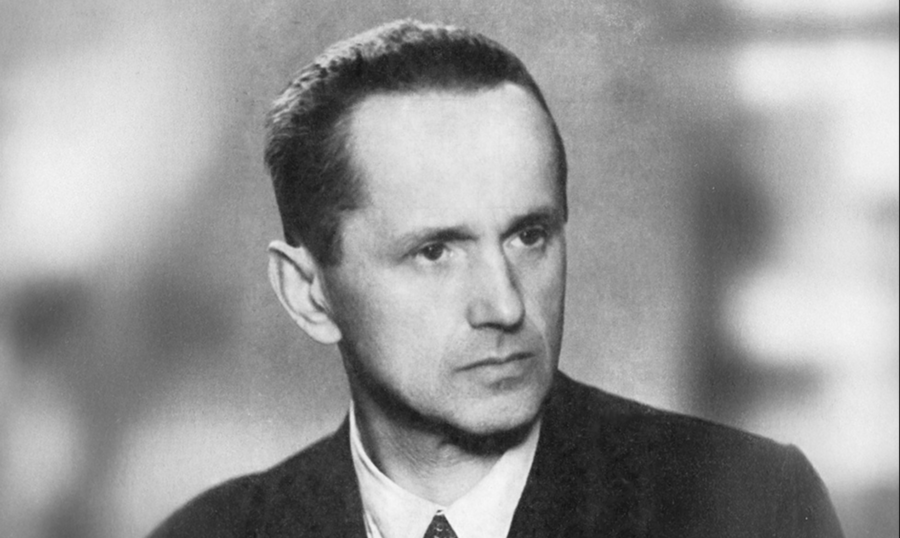
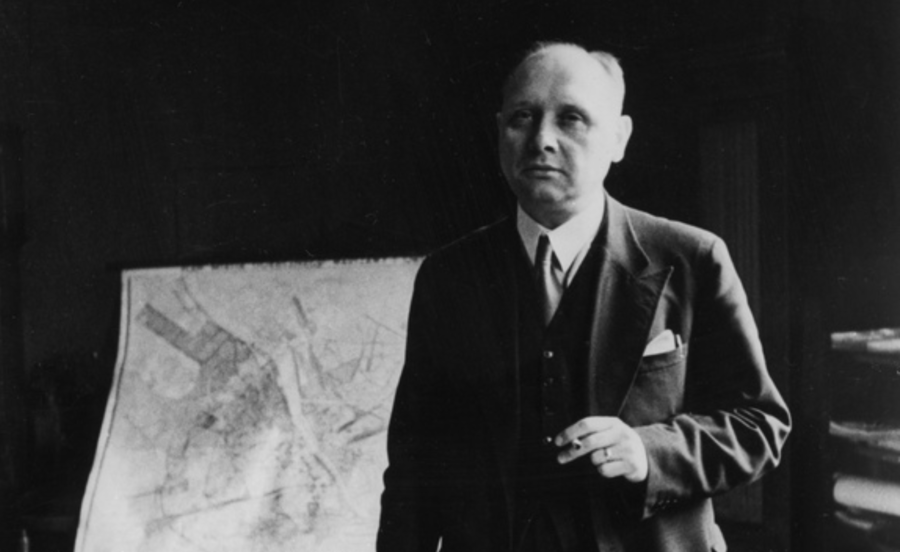
Józef Piłsudski is arguably one of the most important figures in the history of Poland. He contributed to putting his country back on the map and miraculously defeated Soviet Russia while the latter planned to take over Europe in 1920. He was a military genius, an outstanding strategist, and a visionary. Throughout his life, he developed a clear vision of how Poland is to be ruled and how it should operate in the geopolitical chessboard of Central and Eastern Europe. Let’s have a look at 5 of these principles
1. Poland needs a strong leader
Although Piłsudski was mostly in favour of the traditions of freedom and tolerance inherited from the 1st Republic, he also believed that in crisis situations, there needs to be one single figure of authority to take charge. Aware of his natural talents and charisma, he did not use false humility and openly admitted that the right person for the job was himself. His confidence gave him an aura that made him seem larger than life, and his belief in being a somewhat superior man became a self-fulfilling prophecy.
2. A powerful army is a must to ensure Poland’s sovereignty
Marshal Piłsudski understood that Poland had no chance of being taken seriously by its European partners and rivals without concrete military strength. Throughout his life, he emphasized developing the military and instilled in the Polish population a sense of duty toward the motherland. If Poland’s enemies perceived it as powerful or at least able to fight back fiercely, this would discourage them from launching any attack in the first place.
3. Russia represents Poland’s main existential threat
For Józef Piłsudski, stating that Moscow’s imperialistic ambitions threatened Poland’s mere existence was like saying that the water is wet. Despite being a Socialist himself, he warned against the rapid spreading of Bolshevism with the same fervour as about the appetite of the Tsar. The Marshall perceived Poland’s relations with its powerful eastern neighbour as doomed for perpetual confrontation due to the antagonistic interests of both countries in Eastern Europe.
4. Poland needs to be surrounded by independent states freed from foreign imperialism
Poland’s leader was a strong proponent of the establishment of an independent Ukrainian state. The latter would become a much-needed buffer zone separating his country from Russia. This was the cornerstone of his “Intermarium” vision for the region. Poland was to be surrounded by allies such as Hungary, Romania, and the Baltic States, gaining thereby leverage as a regional leader. These countries were to be encouraged to break free from Russian, German, and Austrian imperialism and create a new platform of small and medium states united by common geopolitical interests.
5. Poland can’t rely exclusively on the West
Although Piłsudski understood the need to establish various forms of cooperation with Western European partners (mainly France and the UK), he never failed to insist on the insufficiency of such relations. He was deeply convinced that in the midst of danger, any help or support from them would not be enough to make a decisive difference. In this vision, Poles were to engage with the West while keeping in mind that the only ones who were genuinely able to help their country were in the end no others than themselves.
Image: IPN/BP
Author: Sébastien Meuwissen