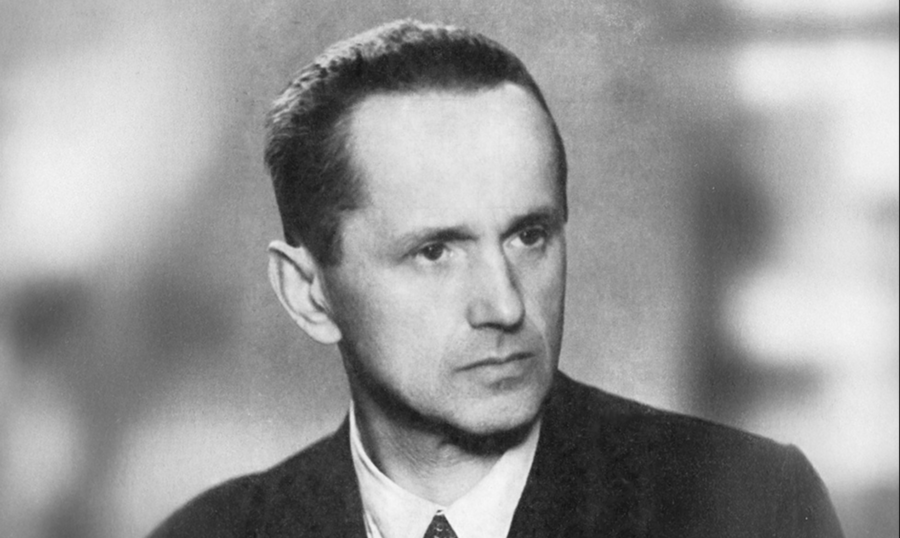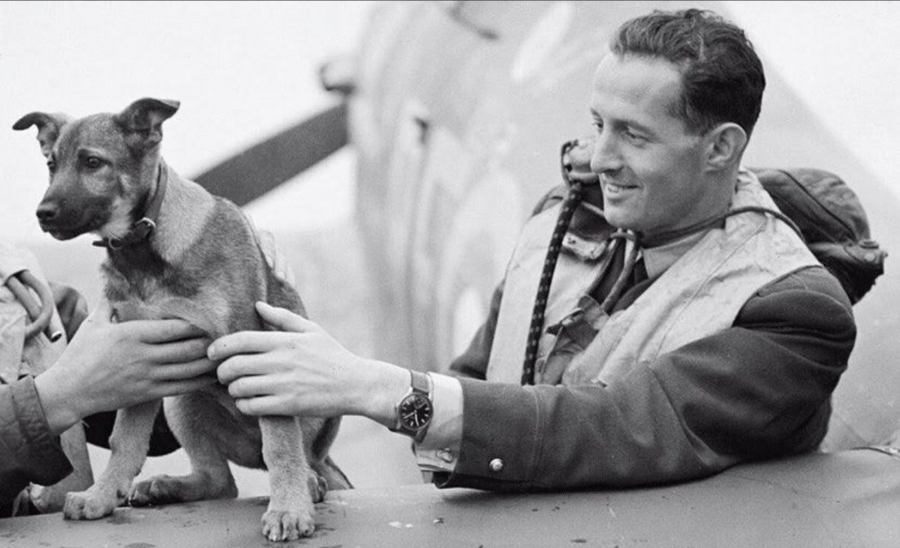
On 14 February 1942, Polish fighter ace and 303 Squadron pilot Mirosław Ferić was killed in a training flight accident at RAF Northolt. A veteran of the 1939 campaign and the Battle of Britain, Ferić was credited with 9 and one-third confirmed aerial victories. He is remembered as one of the standout heroes of the famed 303 Squadron—a unit that defied early British scepticism and became a symbol of Polish courage in exile.
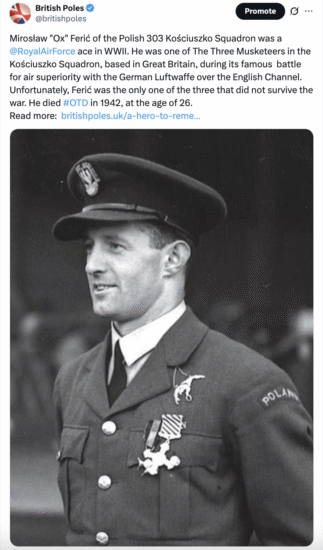
Born in Bosnia in 1915 to a mixed Croatian-Polish family, Ferić moved to Poland with his mother after World War I and grew up in Ostrów Wielkopolski, where he discovered his passion for flying. After graduating from secondary school in 1935, he entered the Polish Air Force Officer School in Dęblin and joined the 111th Fighter Squadron in 1938. Shot down during the September Campaign, he escaped internment in Romania, made his way to France, and later to Britain, where he joined No. 303 Squadron at the start of August 1940.
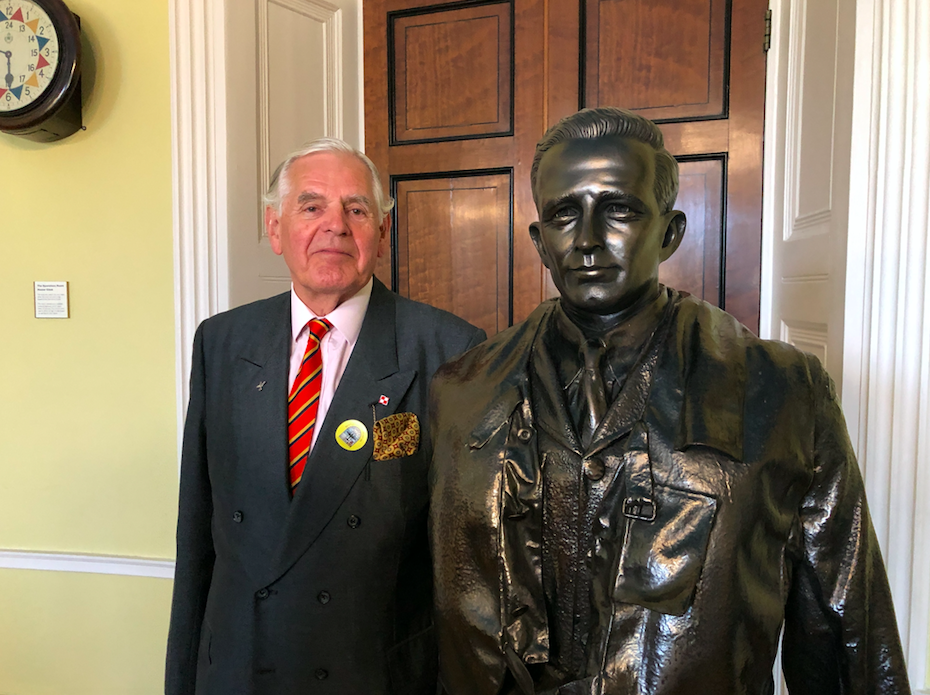
Flight Lieutenant Mirosław Ferić, one of Poland’s most accomplished WWII fighter aces, was officially credited with 9 and 1/3 confirmed aerial victories during his combat career, spanning from the September 1939 campaign to the height of the Battle of Britain and beyond.
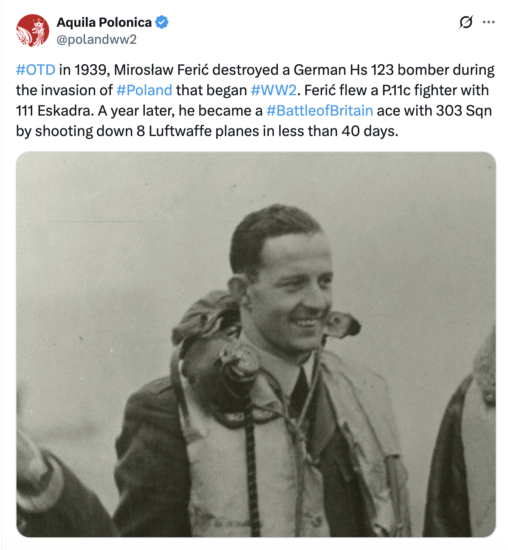
Confirmed Kills
8 September 1939: 1/3 share in downing a Henschel Hs 126 during the defensive war in Poland
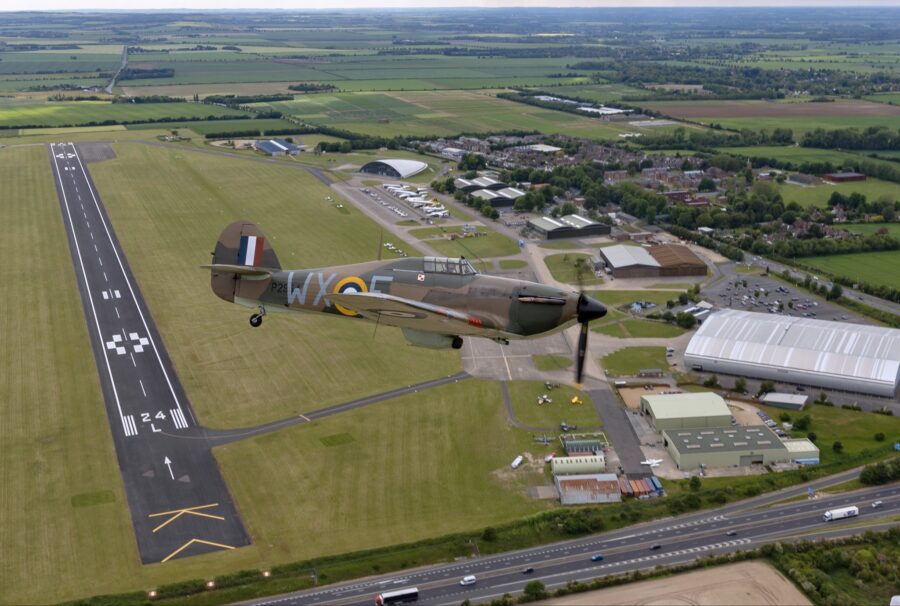
31 August 1940: Messerschmitt Bf 109 (E-7 variant, from 3./LG2)
6 September 1940: Bf 109 (flying Hurricane P3700; enemy aircraft from 9./JG27)
15 September 1940: Bf 109 (Hurricane R2685; aircraft from 1./JG52 or 1./JG53)
15 September 1940: Bf 110 (same sortie, Hurricane R2685; from 13./LG1)
27 September 1940: Heinkel He 111 (Hurricane V6681)
27 September 1940: Bf 109 (Hurricane V6681)
5 October 1940: Bf 110 (Hurricane V6681)
22 June 1941: Bf 109
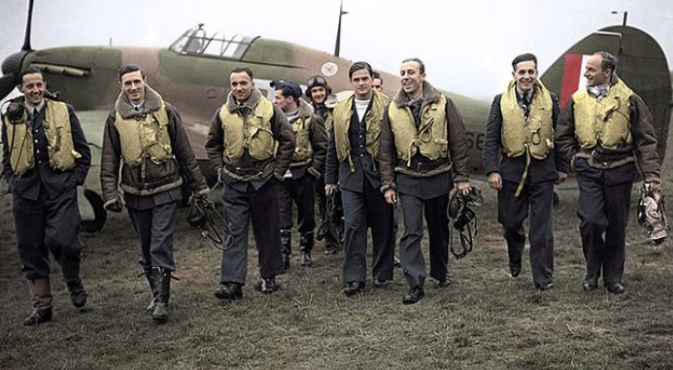
Probable Kill
2 September 1940: Bf 109 (flying Hurricane R4178; aircraft likely from 9./JG3)
Enemy Aircraft Damaged
27 June 1941: Bf 109
Professor Maciej Franz of Adam Mickiewicz University noted that while the 303 Squadron earned legendary status, its formation was met with initial doubt by the British: „They didn’t trust pilots from Eastern Europe, believing they lacked combat skill or morale after the fall of Poland.”
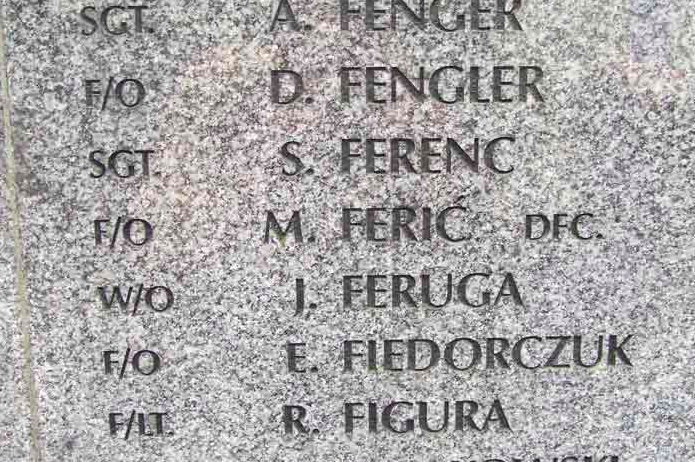
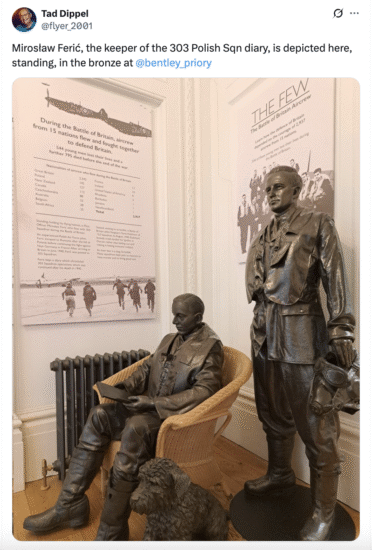
Ferić himself chronicled these early tensions in his diary, which later became the squadron’s official chronicle and inspired Arkady Fiedler’s celebrated book 303 Squadron. Even King George VI signed the diary during a visit to the base.
Ferić’s bravery saw him decorated with Poland’s Silver Cross of the Virtuti Militari, the Cross of Valour, and Britain’s Distinguished Flying Cross. Though his aircraft was repeatedly damaged in combat, he insisted on returning to the front lines after a brief period of rest in 1941. He died when his Spitfire crashed during a training flight and was buried at Northwood Cemetery.
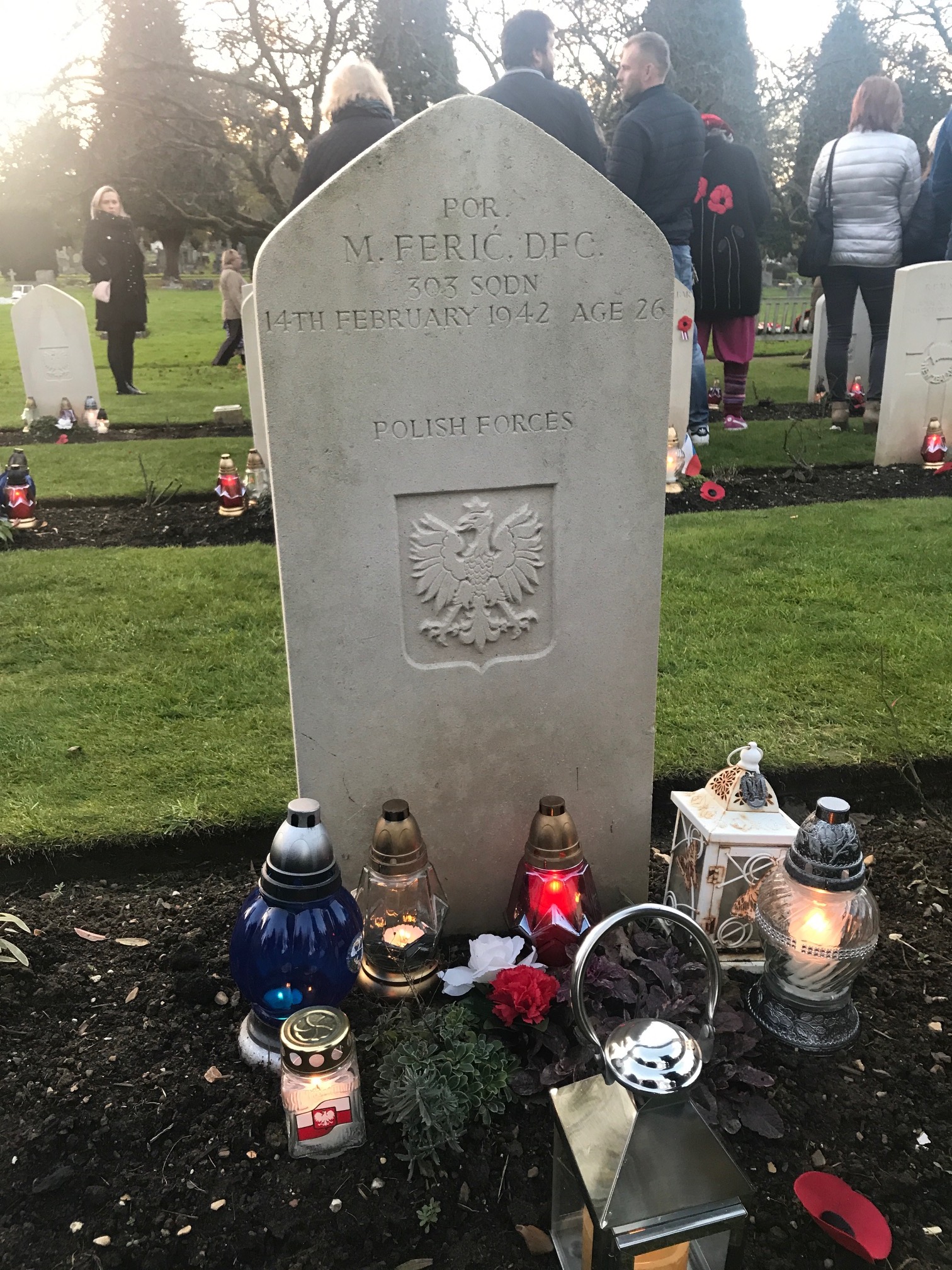
To this day, Ferić is honoured in his hometown. In 2015, Ostrów Wielkopolski marked the centenary of his birth with commemorative events celebrating his life and service.
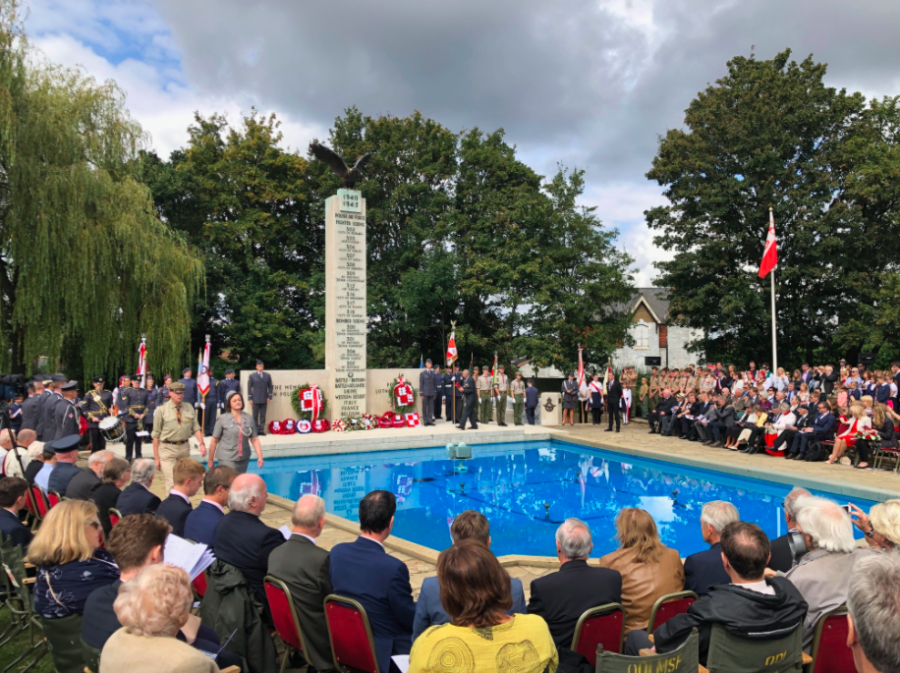
For several years, the British Poles have been organising the joint London – Polish Independence Day & British Remembrance Sunday commemoration at Northwood Cemetery, where 54 Polish airmen are laid to rest. Among them are 18 veterans of the Battle of Britain, including Pilot Officer Mirosław Ferić, as well as notable figures such as Flying Officer Marian Bełc, Sergeant Josef František, Flight Lieutenant Ludwik Paszkiewicz, and Flight Lieutenant Mieczysław Adamek. Their graves, arranged in three rows, are a solemn testament to their sacrifice.
The annual ceremony draws a growing number of attendees—Poles and, increasingly, Britons—who gather to honour these wartime heroes. Every grave is carefully tended, with candles lit in remembrance, and special tribute is always paid to Ferić.
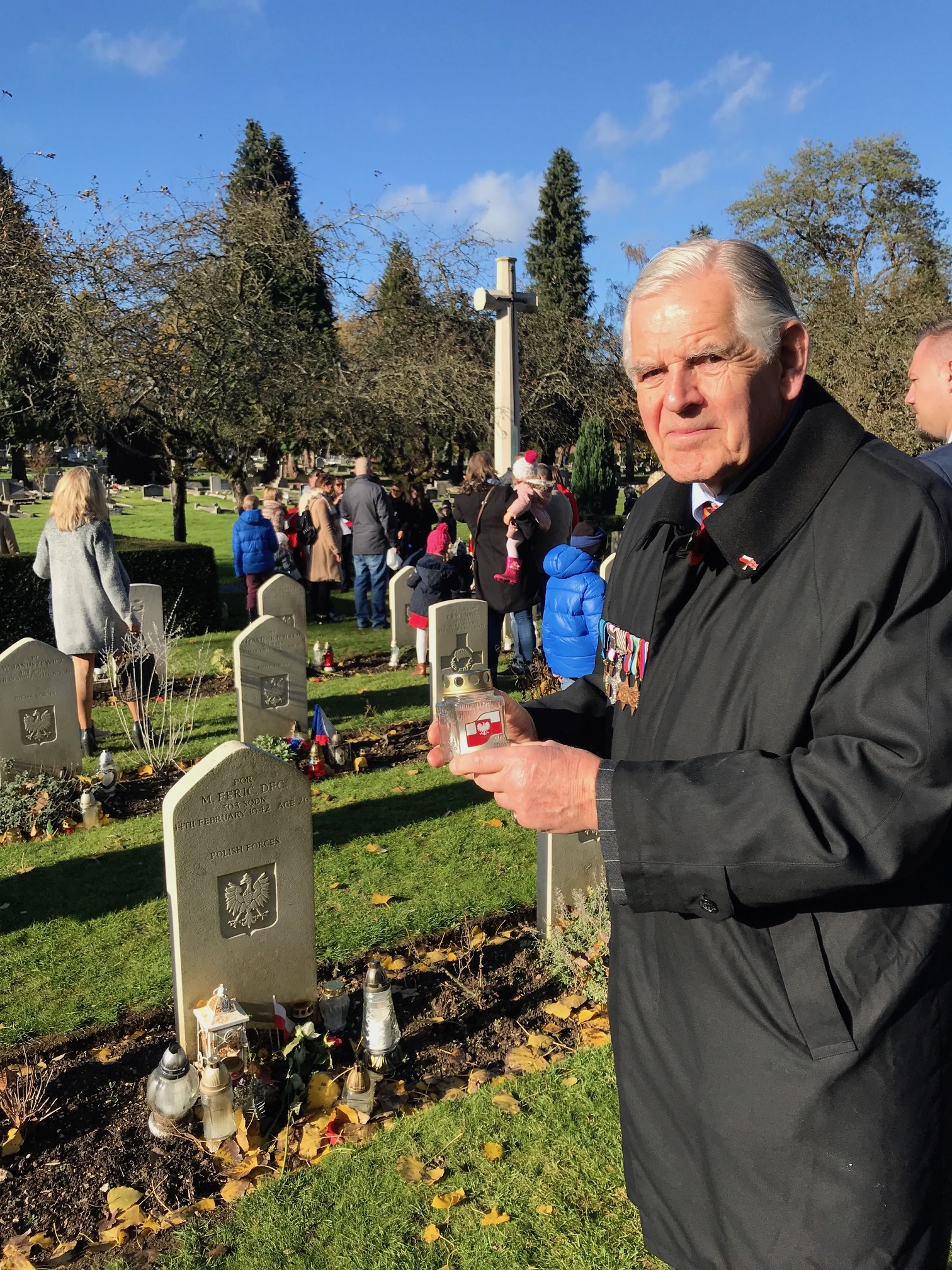
His son, Philip Ferić, regularly attends the event as a guest of honour, sharing personal memories and reflecting on the bravery of the young men who gave everything for freedom.
Source: PAP, BritishPoles.uk
Photos: British Poles
Tomasz Modrzejewski