The 81st anniversary of the biggest air battle conducted by a single WW2 Polish fighter squadron, and also a great loss…
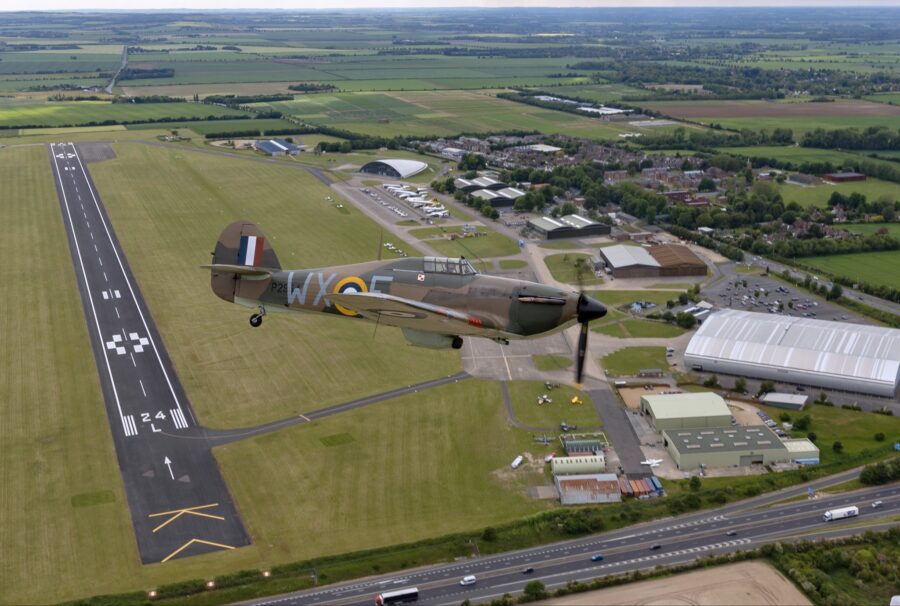
After 07:30 AM, 12 P-51 Mustang III fighters adorned with invasion stripes and RAF code letters PK crossed the English Channel. The Squadron was ordered to do a fighter sweep along the route: Le Touquet – Cormeilles – Romilly, the mission was code-named “Rodeo 385”. Then over Beauvals, a very unusual thing happened…
Back in the summer of 1944, the once mighty Luftwaffe was only the shadow of its former glory. Although the production of the aircraft was still in full swing, the lack of experienced pilots and shortages of fuel were the main factors that kept Herman Göring’s eagles grounded. The Allied superiority in the air over France was evident, but on that day, Poles from the 315 Squadron must have been really surprised.
At 08:00 AM over Beavals, Polish pilots encountered an unusually high number of German fighters airborne. Over 60 Fw-190s were sighted taking off from a nearby airfield. The German fighters belonging to the elite unit – II/JG26 “Schlageter” were probably in the process of being ferried to another base.
Although heavily outnumbered, the Poles had an advantage of altitude and could launch an unexpected attack. For the next 10 minutes, the skies over Beavals witnessed an aerial battle of epic proportions. We can only imagine how tough and stressful this was. The chaos, the shouts over the intercom, nerves stretched to the limit, the eyes glued to the sights, the evasive actions, the tight turns, and the short burst of bullets firing from Browning machine guns, hitting the German fighters.
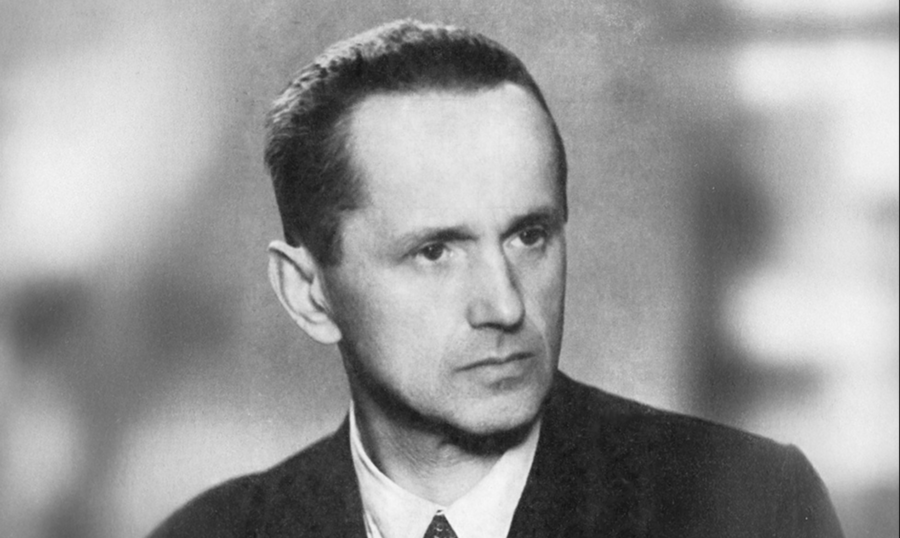
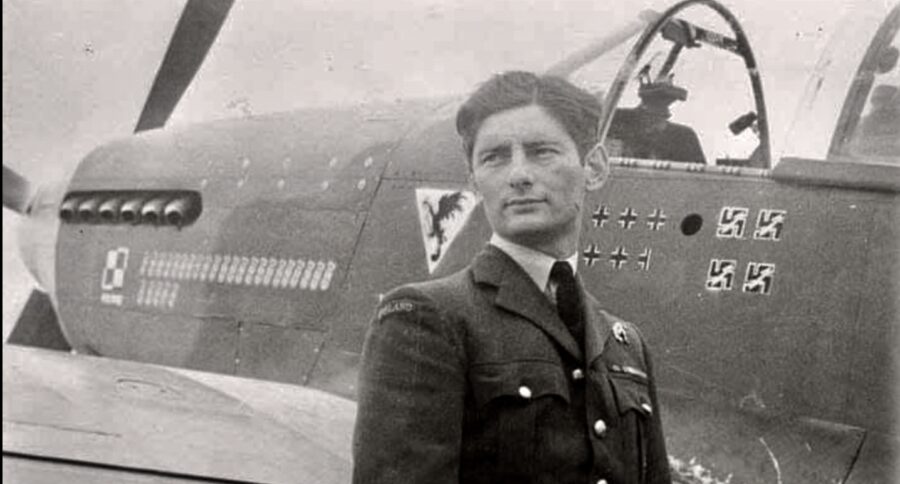
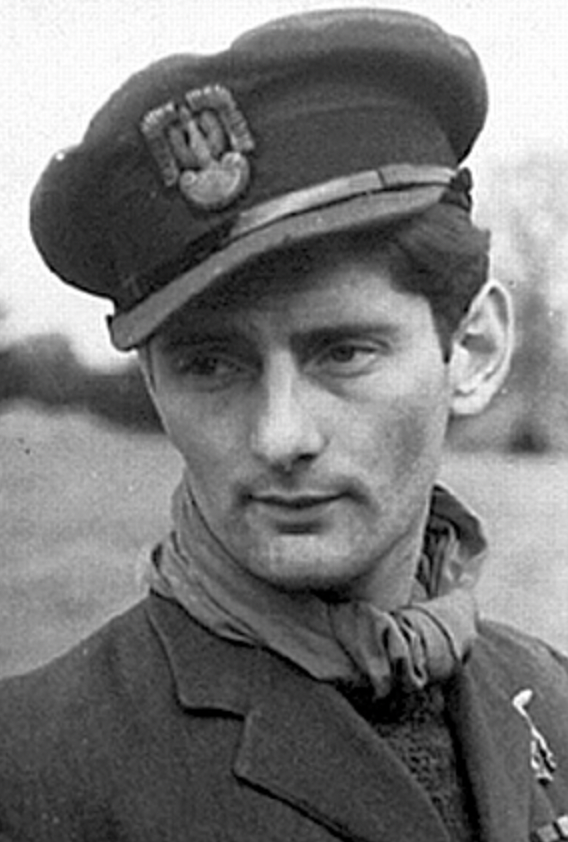
The results were remarkable! Poles were credited with shooting down 16 Fw-190. Yet, something went terribly wrong. Eugeniusz Horbaczewski nicknamed “Dziubek” was missing. His wingman F/O Bożydar Nowosielski witnessed at least 6 victories of the commander (3 of them were later officially confirmed) but none of the pilots noticed what happened to Horbaczewski. Was he shot down? Did he crash? The leading Polish fighter ace was declared missing in action.
On 11 October 1944 the commander of the Polish Air Force in Great Britain issued a document stating that Horbaczewski would now receive the highest Polish military decoration, the Order Virtuti Militari Gold Cross. It was granted to him for his overall achievements as the 315 Squadron commander including his bravery during the 18 August 1944 air battle. The document ends with the following words. “From this flight, Sqn Ldr Eugeniusz Horbaczewski did not return”.
The chances of him returning were getting slimmer with each passing day. When war ended, it was clear that he must have been killed in action but no one so far was able to identify the crash site and find the remains.
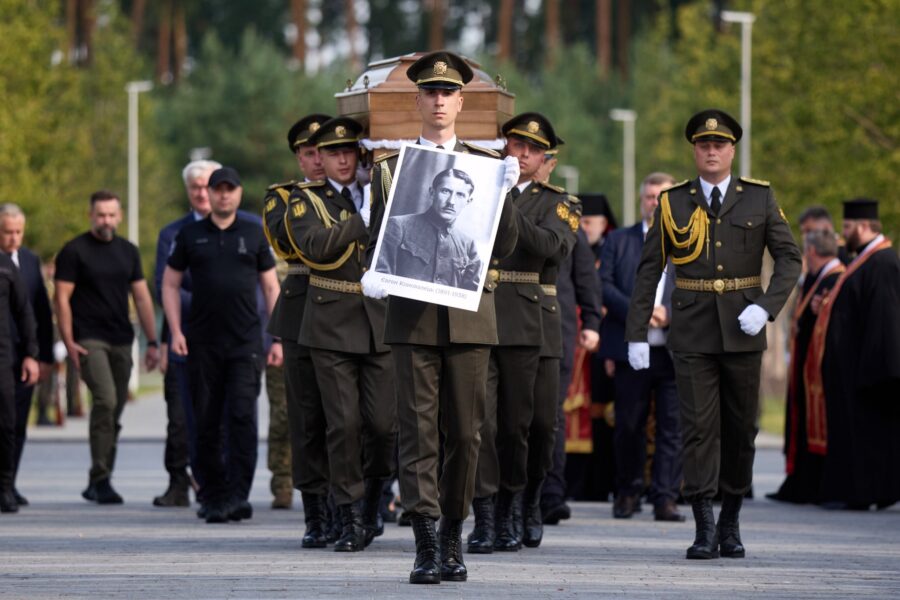
Things changed in early 1947. A wreckage of Mustang III PK-K (FB355) was found near Valennes, France. It was buried deep in the ground and had to be pulled up using a military crane. Inside there were human remains. Based on personal items the pilot was identified. It was Eugeniusz Horbaczewski.
To this day we don’t know the exact details of his last fight, but we might assume that he was shot down. On that day, pilots of II/JG26 reported shooting down six aircraft. Of that number, only three were confirmed, including two Mustangs. Horbaczewski may have been shot down by Lt. Wilhelm Hoffmann (28 victories) or Obfw. W. Mayer (15 victories).
Among Polish WW2 fighter pilots, “Dziubek” is considered a legend. He is at the top of the list of the most successful aces, sharing that space with the likes of Stanislaw Skalski and Witold Urbanowicz. His official confirmed score was 16 and ½. Before becoming commander of 315 Squadron in February 1944, he had previously served with other units, including the legendary 303 Squadron and the Polish Fighting Team in Africa.
Source: Institute of the National Remembrance