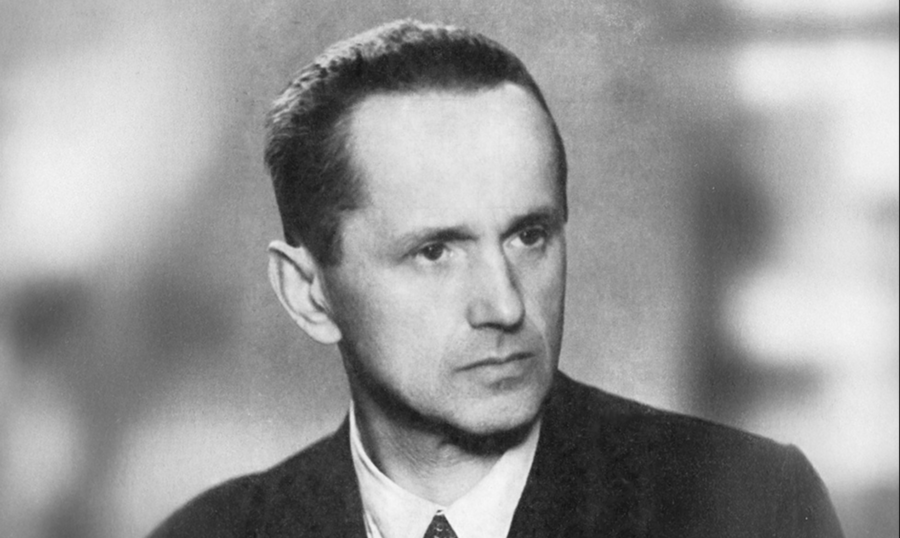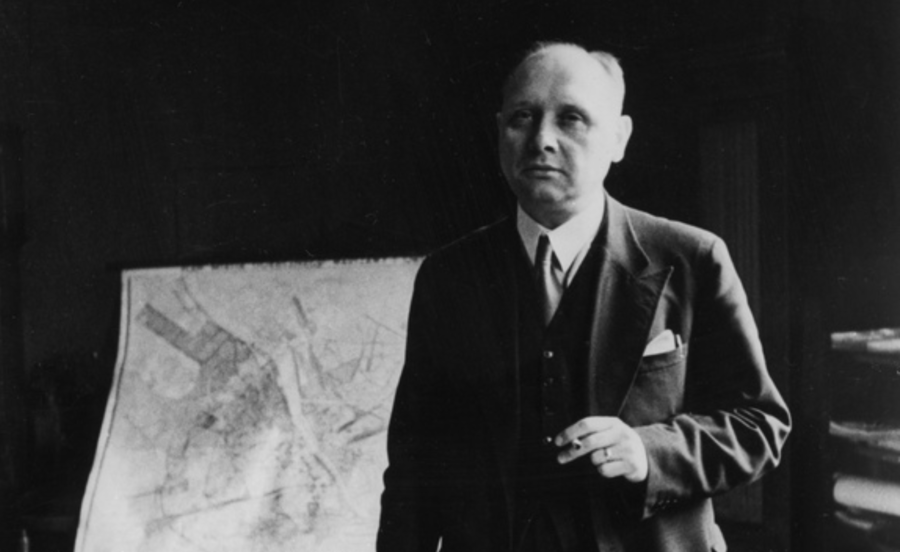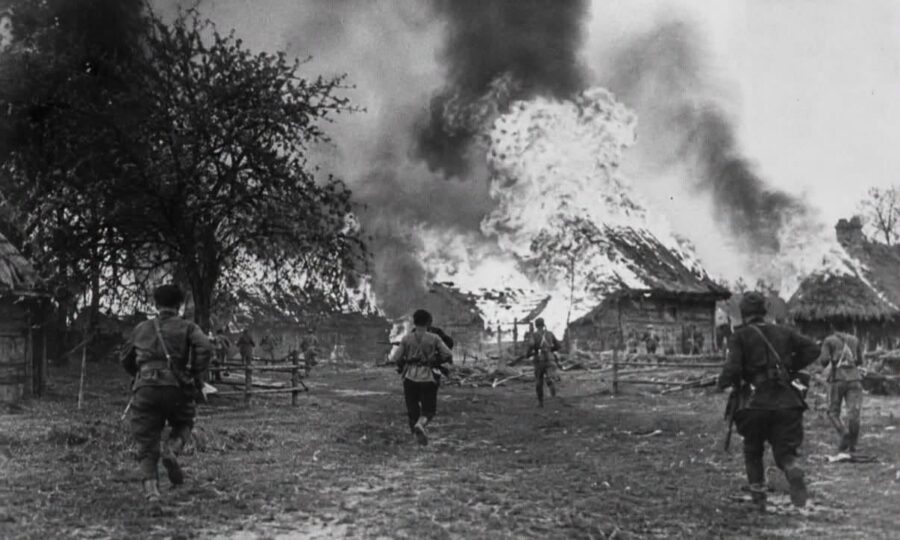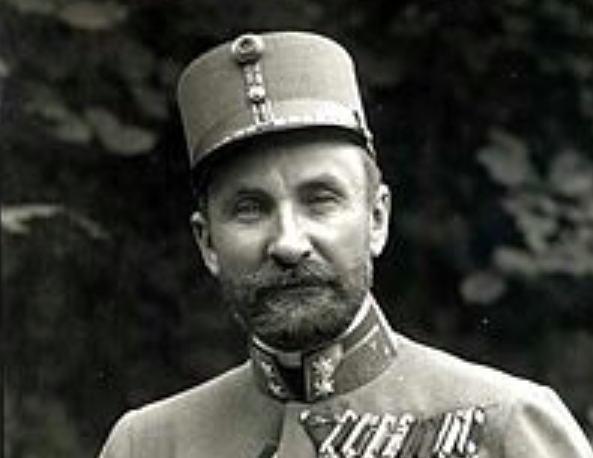
Tadeusz Rozwadowski was one of the most remarkable and yet often overlooked figures in modern Polish history. A brilliant military strategist, organiser and patriot, he played a crucial role in the rebirth of the Polish Army after the First World War and in the victory over the Bolsheviks in 1920. His life was marked by both spectacular achievements and personal tragedy.
Rozwadowski graduated from several prestigious military academies of the Austro-Hungarian Empire, including the elite War School in Vienna, reserved for the most talented officers of the Imperial and Royal Army. During his service in the Austro-Hungarian military, he rose to the rank of Field Marshal Lieutenant.
After Poland regained independence in 1918, Rozwadowski became one of the architects of the newly formed Polish Armed Forces. Serving as Chief of the General Staff under the Regency Council, he organised the foundations of the Polish Army, cavalry, border guard and even the beginnings of the Polish Navy. The military structures and conscription laws he helped create would later prove essential during Poland’s wars for its borders.
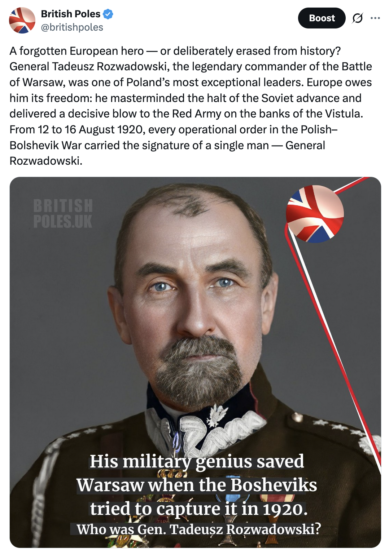
However, after Józef Piłsudski assumed power, Rozwadowski resigned due to disagreements over the organisation of the Polish military. Despite their differences, both men would later play key roles during the Polish-Bolshevik War.
Rozwadowski became the defender of besieged Lwów as Commander-in-Chief of Polish forces in Eastern Galicia. He reorganised the city’s modest defensive forces with extraordinary determination and courage. When he left Lwów in April 1919 to head the Polish Military Mission in Paris, he was given an emotional farewell by soldiers and civilians alike.
In Paris, he successfully advocated for Polish interests in Eastern Galicia, helped organise the American Legion to support the Polish Army, secured weapons supplies and negotiated the foundations of a future alliance with Romania.
Upon returning to Poland during the height of the Bolshevik threat in 1920, Rozwadowski was appointed Chief of the General Staff once again. During the Battle of Warsaw, often called the “Miracle on the Vistula”, he became one of the principal architects of the Polish counteroffensive. He developed the concept of the battle and coordinated the complex regrouping of Polish troops, which was carried out with remarkable precision.
Although much of the glory after the victory went to Piłsudski, Rozwadowski never publicly challenged this narrative, remaining loyal to the Commander-in-Chief despite political tensions between them.
Between 1921 and 1926, Rozwadowski served as General Inspector of Cavalry. However, he increasingly came into conflict with the Piłsudski camp, opposing the politicisation of the military and divisions within the army. His stance made him many powerful enemies.
During the May Coup of 1926, as a committed legalist loyal to the constitutional government, Rozwadowski commanded the defence of Warsaw against Piłsudski’s forces. The government eventually surrendered to avoid a civil war, and President Stanisław Wojciechowski resigned.
After the coup, Rozwadowski was imprisoned alongside several other officers. The harsh prison conditions severely damaged his health, but perhaps even more painful for him was the humiliation of being jailed alongside common criminals. He remained imprisoned until May 1927 and was released only after strong public protests demanding freedom for the detained generals.
Rozwadowski believed that a future conflict with both Germany and Soviet Russia was inevitable and predicted that it would come around 1936. His warnings would later prove tragically accurate.
He died on 18 October 1928 under circumstances that remain controversial to this day. Rumours circulated that he may have been poisoned, especially after the authorities refused to allow an autopsy. Before his imprisonment, the general had reportedly enjoyed excellent health.
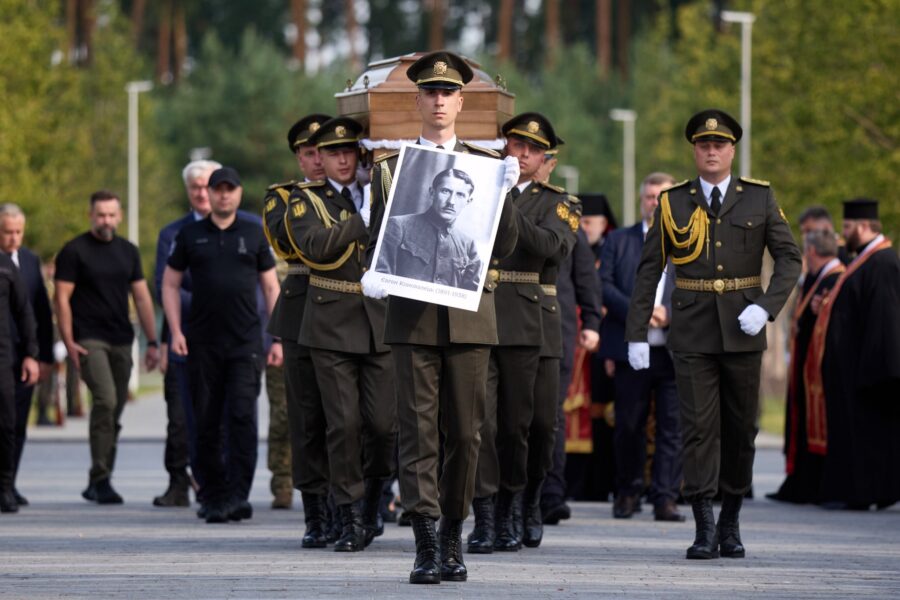
According to his wishes, Tadeusz Rozwadowski was buried at the Cemetery of the Defenders of Lwów among the soldiers he had commanded and fought beside.