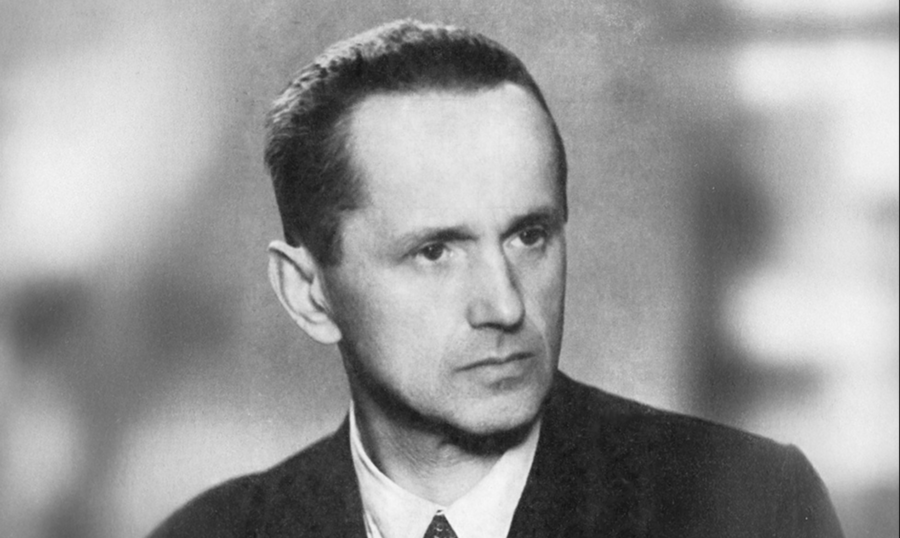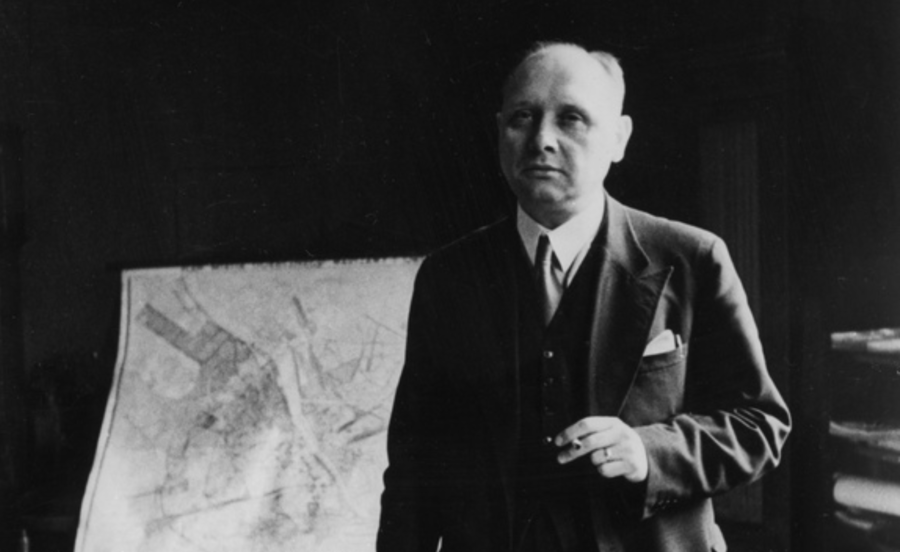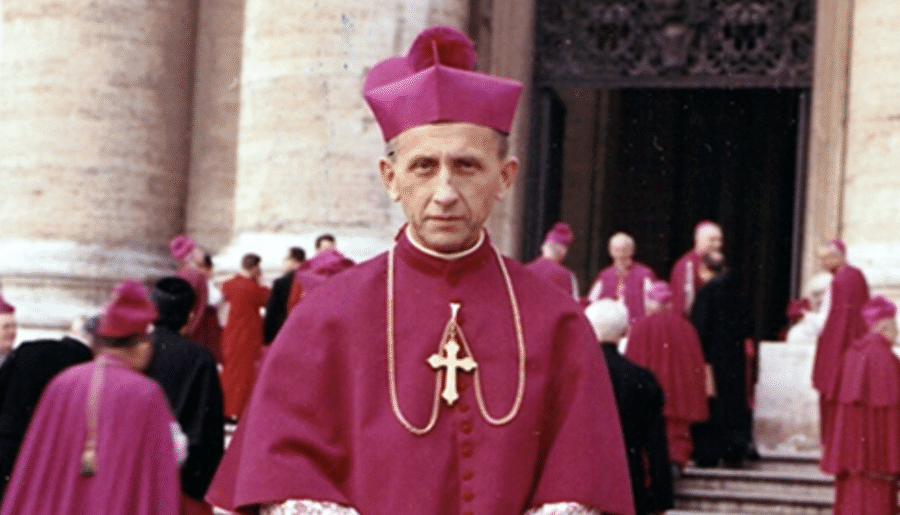
“The Church will never forget that you defended it in its darkest hour,” Cardinal Karol Wojtyła told a gravely ill Archbishop Antoni Baraniak during a visit in 1977, shortly before the prelate’s death. He was an amazing priest and Chruch official who suffered persecution and torture to preserve the Church structures in Poland even during the darkest night of Stalinism.
Born on 1 January 1904 in the village of Sebastianowo, Greater Poland, Baraniak was the sixth of eleven children of Franciszka and Franciszek Baraniak. Nine days later he was baptised by the local parish priest, Fr Antoni Wiśniewski, in the church at Mchy.
Raised in a devout and patriotic household, young Antoni attended the village primary school from 1911 to 1917, before his parents sent him to a Salesian grammar school in Oświęcim.
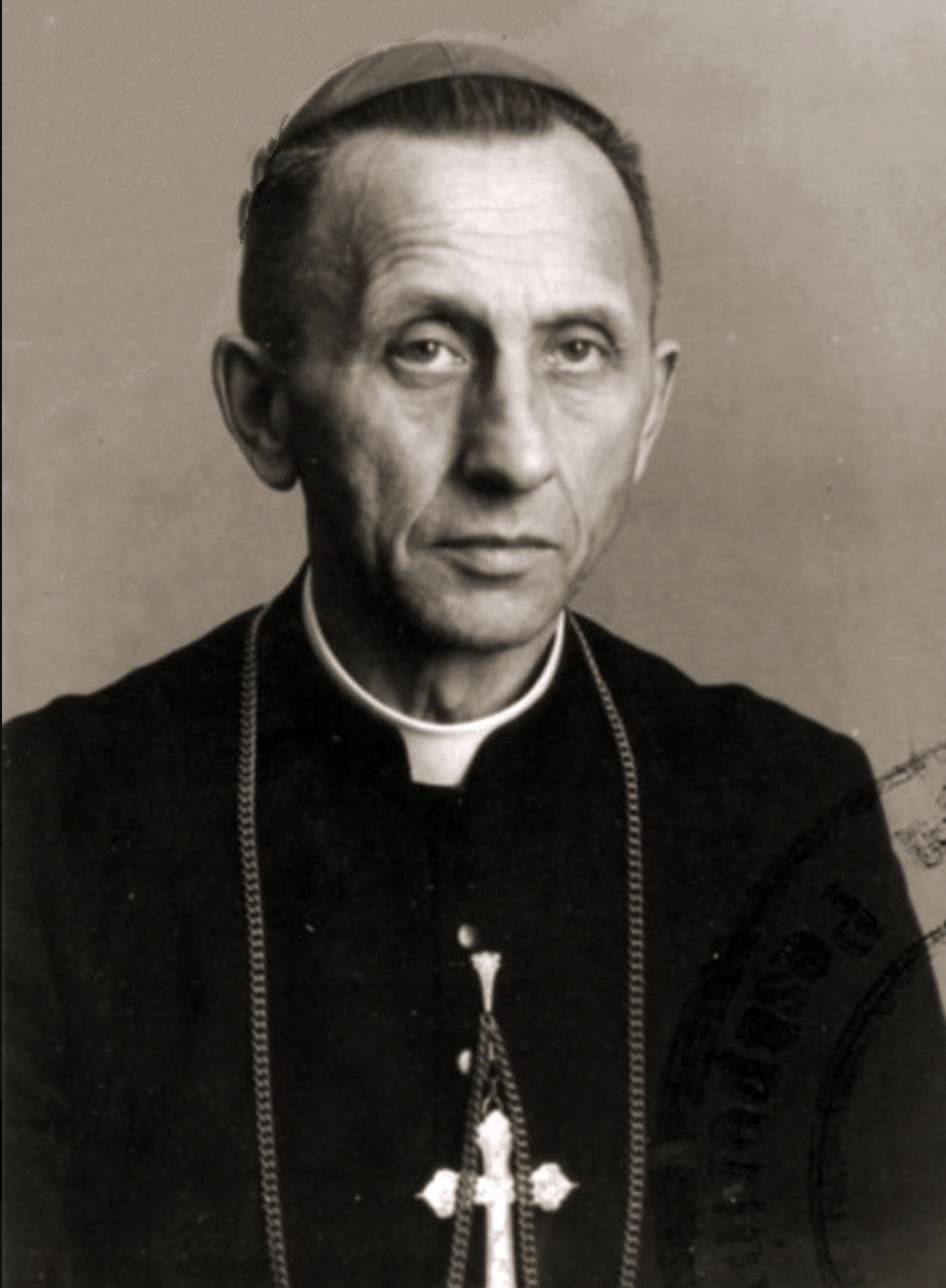
By 1920 he had decided to follow in the footsteps of St John Bosco, entering the Salesian order and continuing his formation in Klecza Dolna near Wadowice, Kraków, Czerwińsk and Warsaw.
In October 1927, Baraniak began theological studies at the Pontifical Gregorian University in Rome. On 20 July 1930, during his third year, he was ordained deacon and returned to Poland, where Archbishop Adam Sapieha ordained him priest on 3 August.
Back in Rome, he completed his doctorate in theology, followed by a doctorate in canon law at the Pontifical Institute of St Apollinaris in 1933.
That same year he became secretary to the Primate of Poland, Cardinal August Hlond. After the war, Baraniak rejoined Hlond in Rome, returning with him to Poznań in July 1945.
There he established the Primate’s Secretariat, which, after the communist regime unilaterally broke the concordat, also assumed the functions of the Apostolic Nunciature. Baraniak managed sensitive correspondence, coordinated meetings with state officials and diplomats, and served as the Primate’s chaplain.
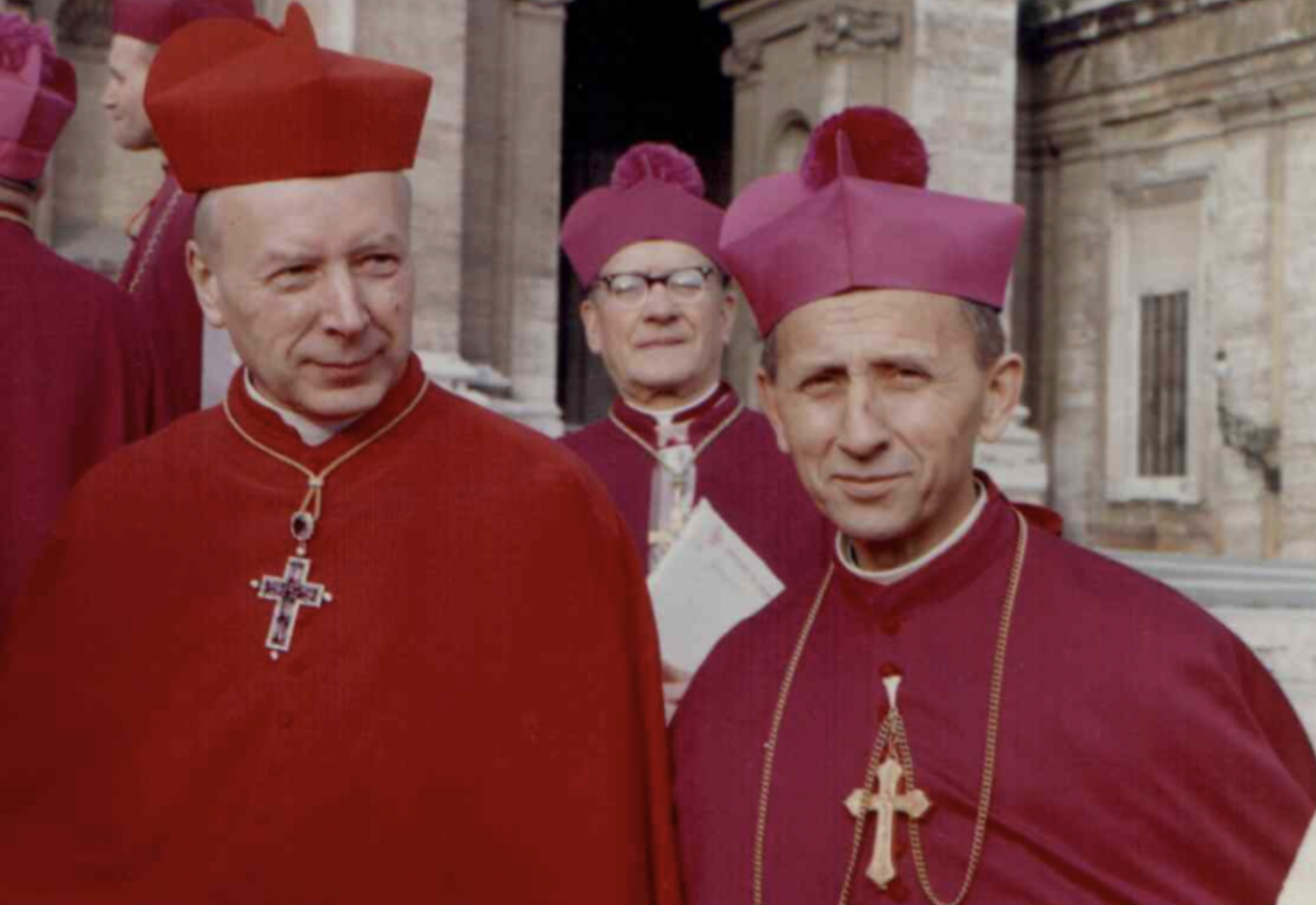
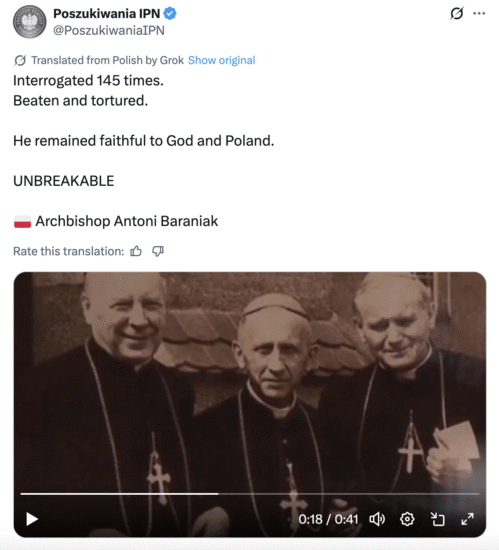
Following Hlond’s death in 1948, Baraniak remained a close aide to the new Primate, Bishop Stefan Wyszyński. In April 1950 Pope Pius XII named him auxiliary bishop of Gniezno, and he became one of Wyszyński’s most trusted collaborators, a fact that did not go unnoticed by the communist security services, who considered him an “ideal conspirator” with extensive connections in the Vatican.
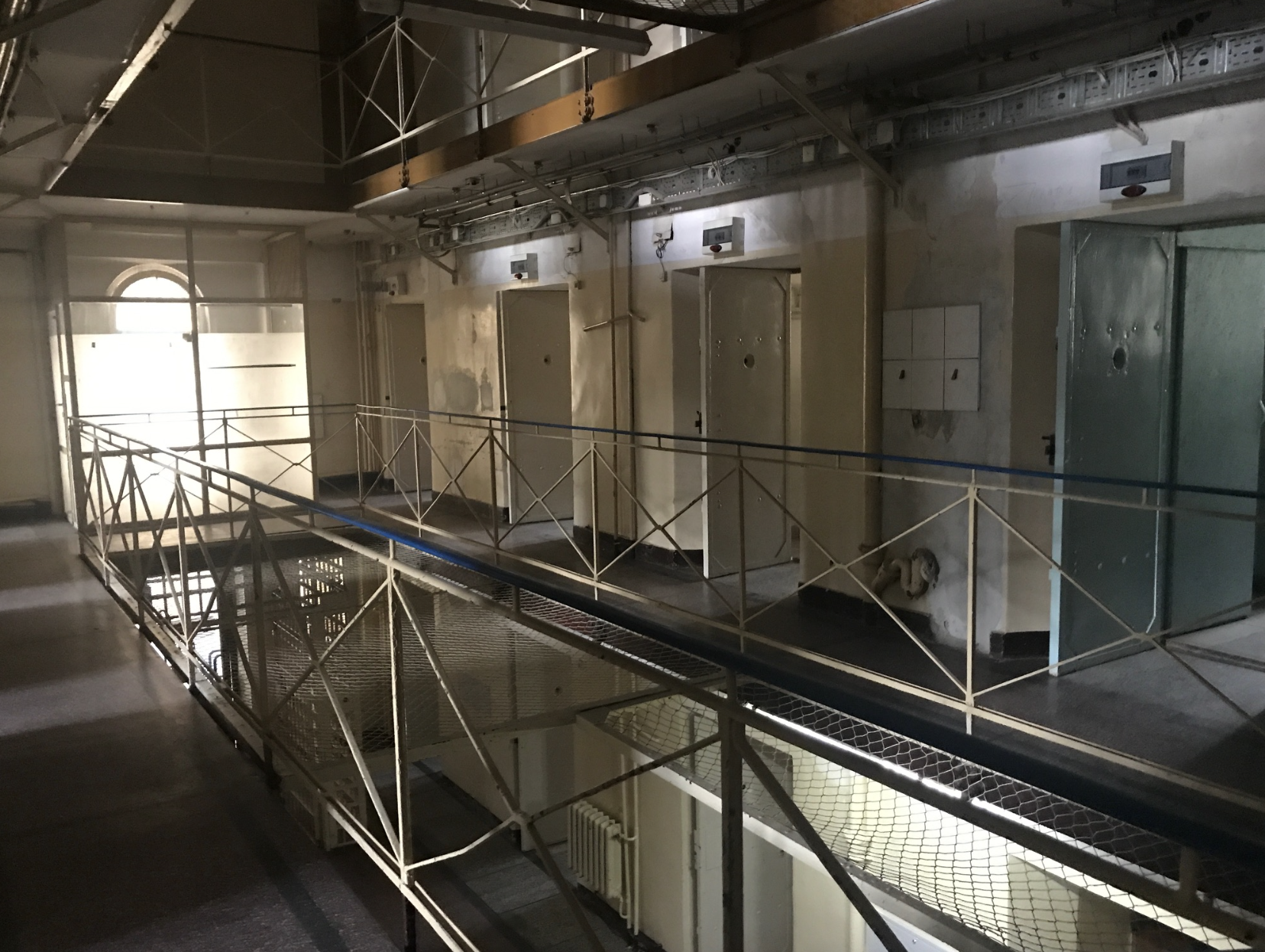
On the night of 25–26 September 1953, Cardinal Wyszyński was arrested and interned. The following day, Bishop Baraniak was also arrested by the Security Service (SB).
“They read out the prosecutor’s decision that I was under arrest—but didn’t hand me the paper. When I asked how I should dress, one of them said: ‘Better warmly,’” he later recalled.
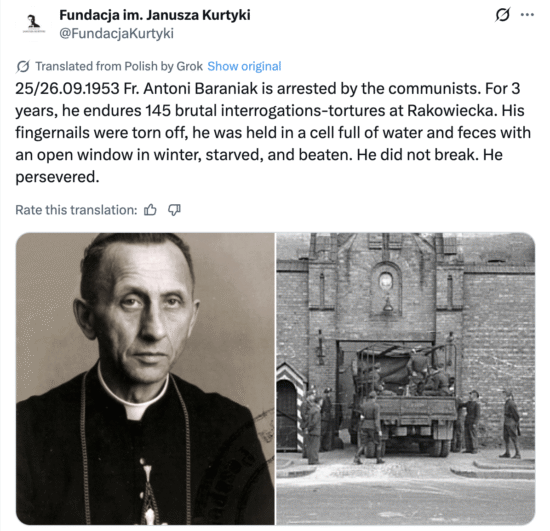
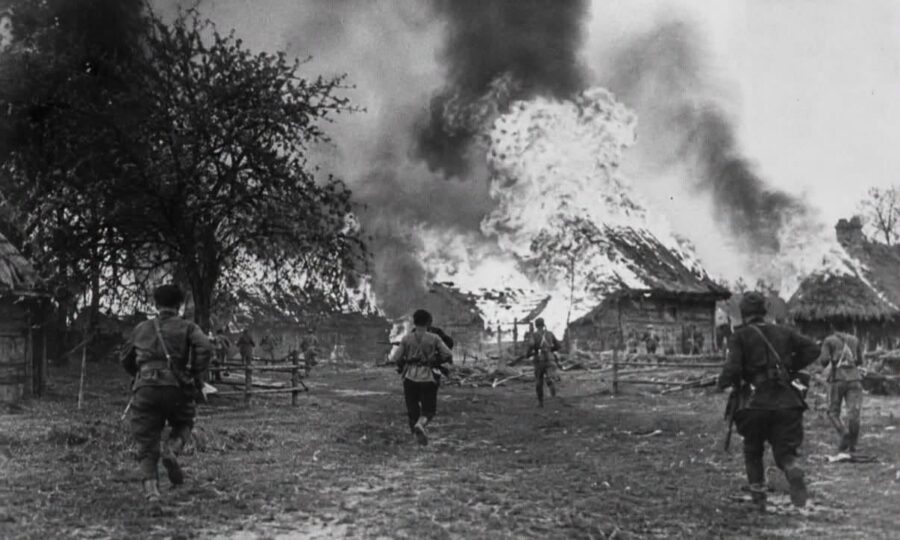
The regime wanted Baraniak to provide testimony against both Wyszyński and the late Primate Hlond, paving the way for a show trial that would cripple the Church. Instead, he endured two years of brutal interrogations, 145 in total, aimed to break him physically and psychologically. In August 1954, he was transferred to a prison hospital, not out of compassion, but from fear he might die during questioning, creating a political scandal amid the post-Stalinist period.
Released in late 1955, he returned to the Salesians, regained his post as head of the Primate’s Secretariat in 1956, and that same year witnessed the death of Poznań’s archbishop, Walenty Dymek. Despite his failing health, Baraniak was appointed Archbishop of Poznań in 1957.
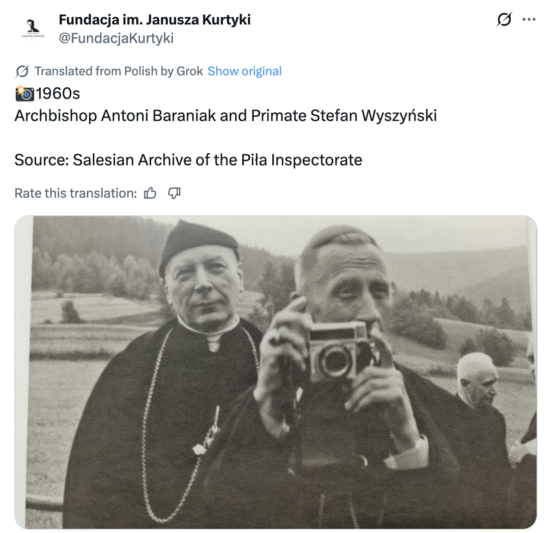
He outlined a pastoral programme rooted in the Decalogue and the commandment to love God and neighbour, aimed at strengthening faith in a nation scarred by war and communism.
He played a leading role in preparations for the Millennium of Poland’s Baptism in 1966, despite fierce state opposition, and later presided over a diocesan synod after a 230-year hiatus. Determined to expand the Church’s presence, he encouraged priests to seek permits for new parishes and churches, requests that the communist authorities almost invariably blocked.
Baraniak’s care for young people inspired numerous priestly and religious vocations; during his episcopate, he ordained over 700 priests. He was an active participant in the Second Vatican Council and chaired the Polish Bishops’ Council Commission, which monitored and coordinated the Polish hierarchy’s preparations and interventions in Rome.
His speech on 5 October 1965, warning against collaboration with atheist and totalitarian regimes, drew the ire of communist governments.
Trusted implicitly by Primate Wyszyński, Baraniak handled confidential Vatican correspondence and advised on episcopal appointments. The security services never ceased their surveillance and followed his movements, attempting to sow discord among his clergy, and intensifying pressure during the politically charged 1960s.
In 1975, he chaired the National Committee for the Holy Year, overseeing nationwide pastoral preparations. Even in his final years, under constant watch, he remained an unshakable defender of the Church’s independence.
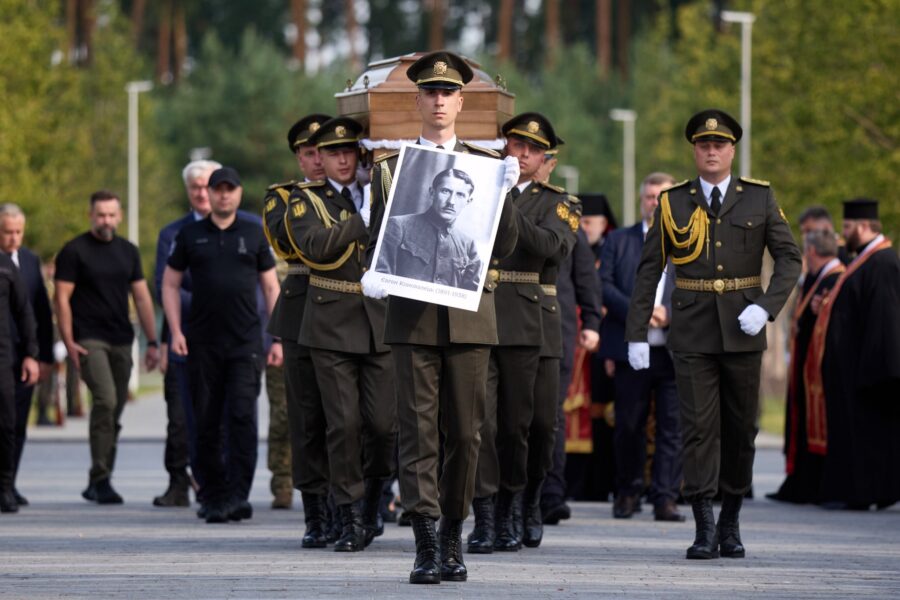
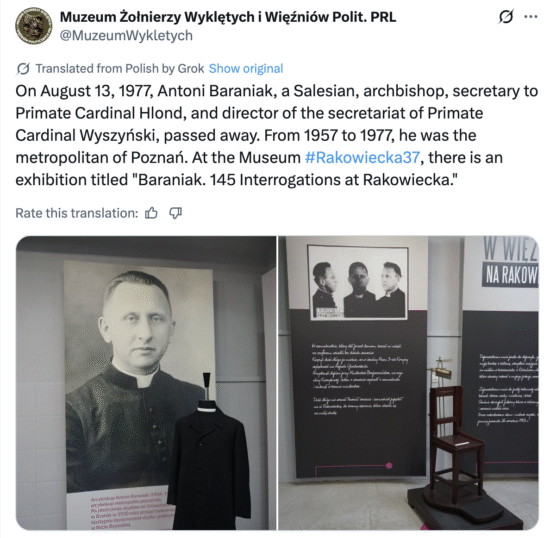
Archbishop Antoni Baraniak died on 13 August 1977. His funeral on 17–18 August at Ostrów Tumski in Poznań drew crowds of faithful, clergy and Poland’s top Church leaders, led by Cardinal Wyszyński.
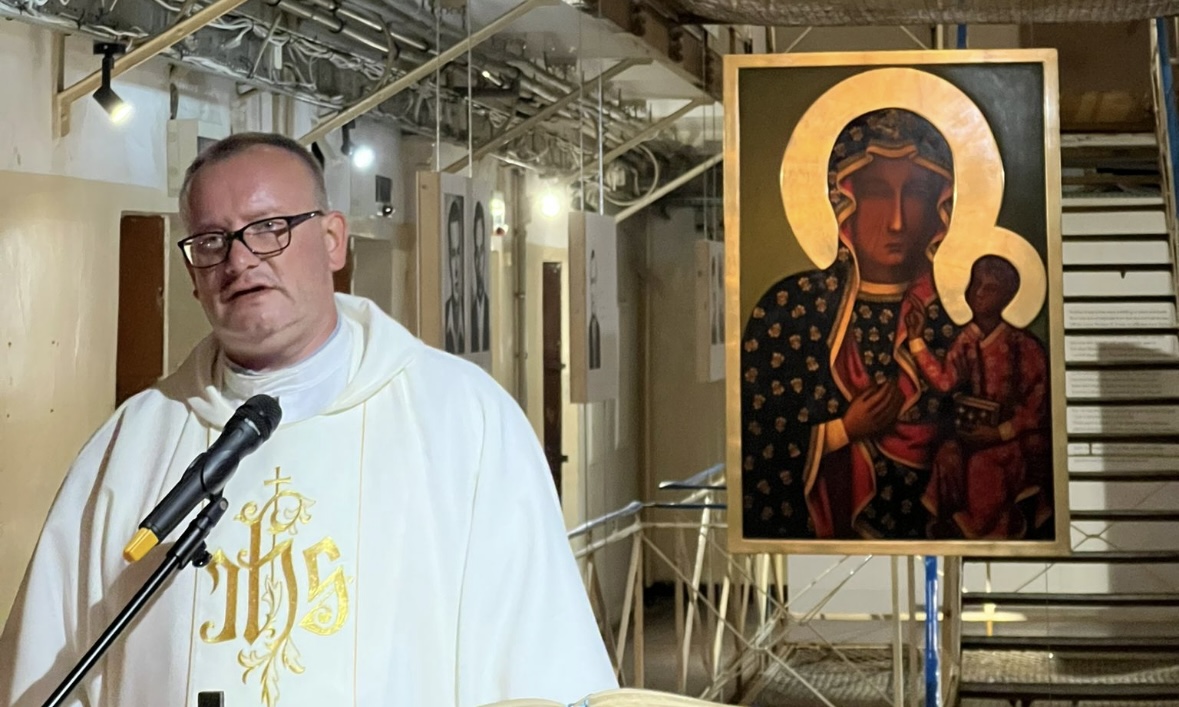
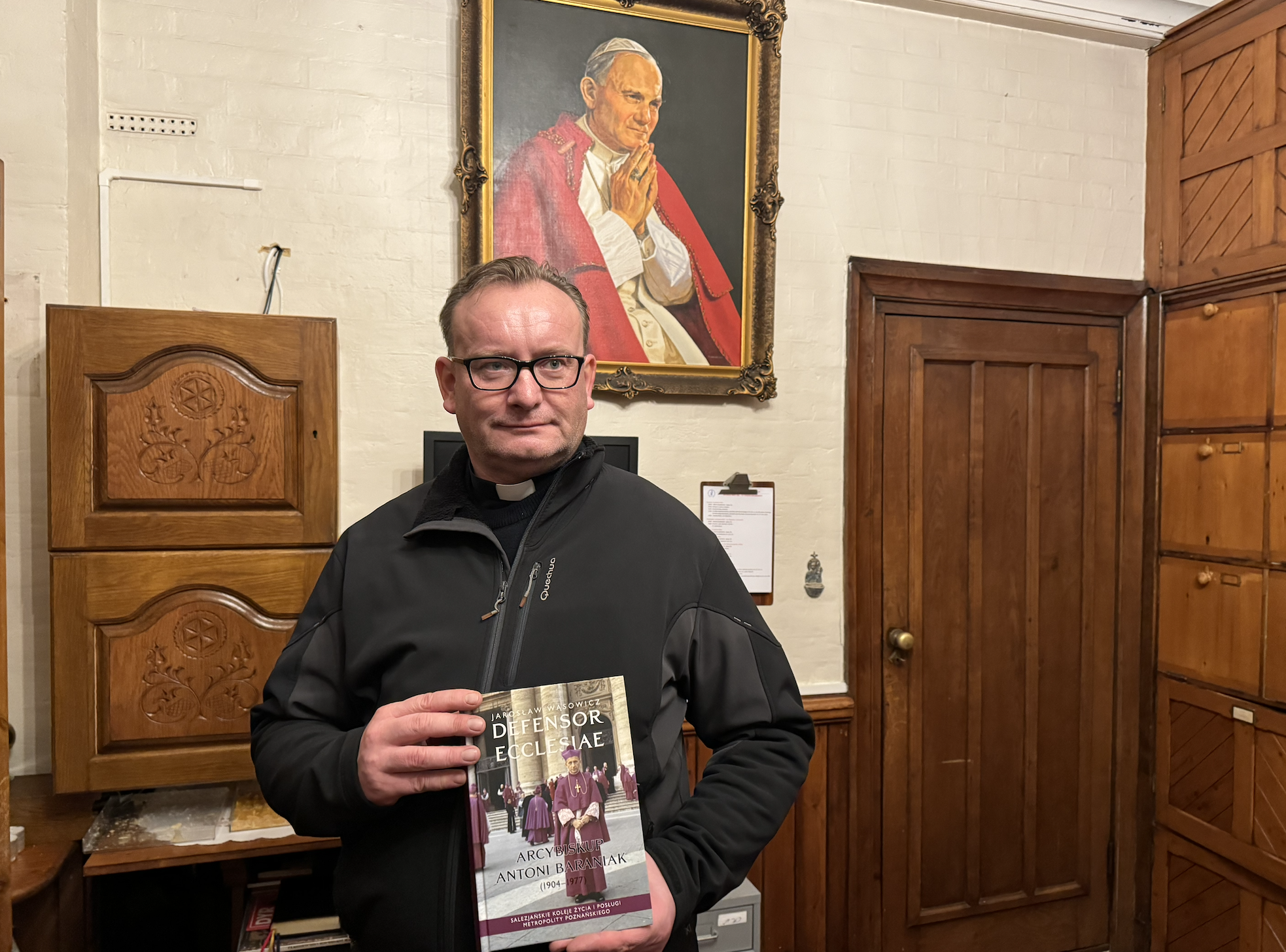
Decades later, Fr Jarosław Wąsowicz, now chaplain to the President of Poland Karol Nawrocki, continues to honour Baraniak’s memory, giving lectures on his life at the Museum of the Cursed Soldiers in Warsaw and, more recently, at the Polish Church of Christ the King at Balham in London.
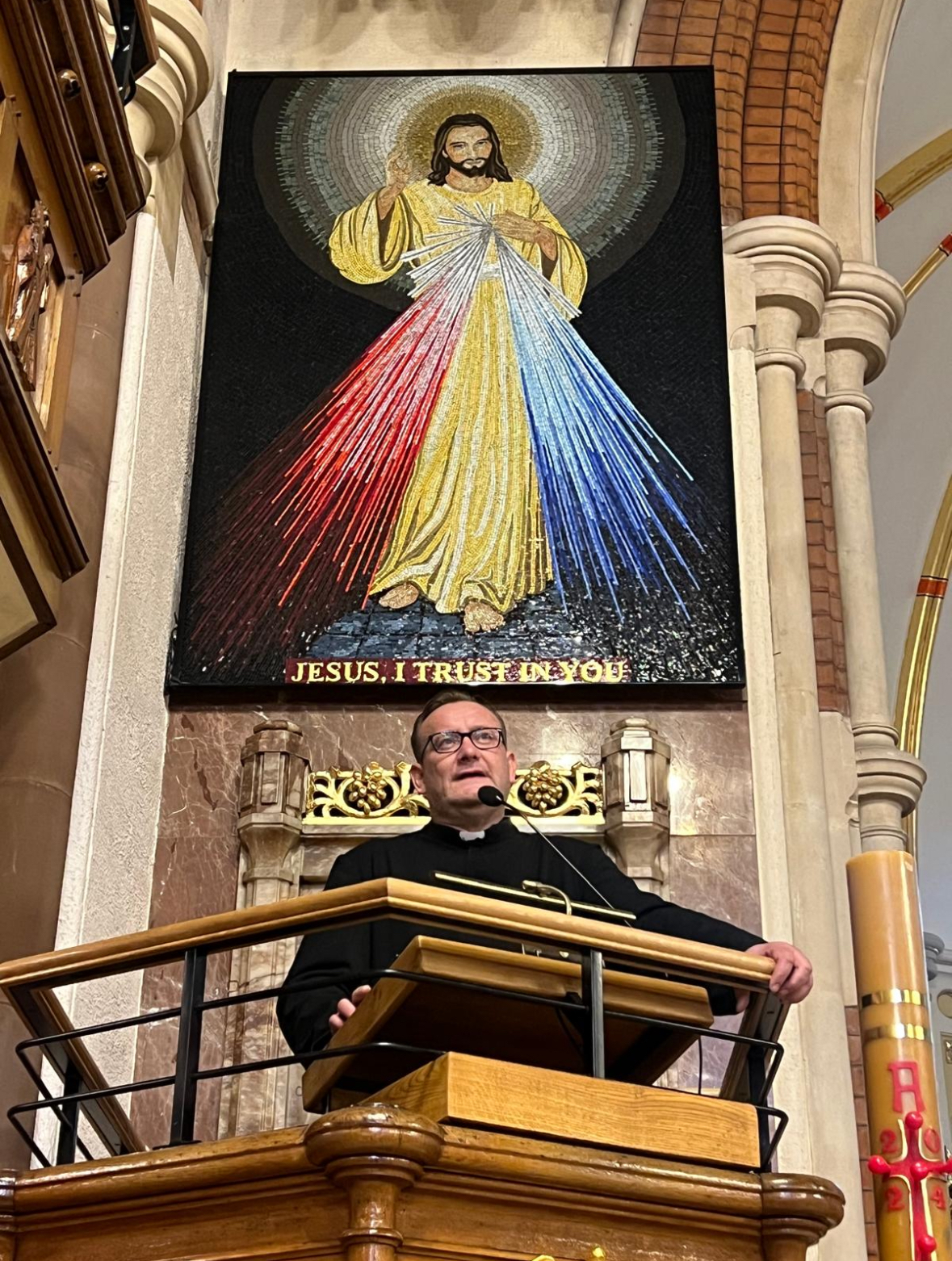
Fr Wąsowicz is also the author of a book about Baraniak’s life called “Defensor Eccleasiae”.
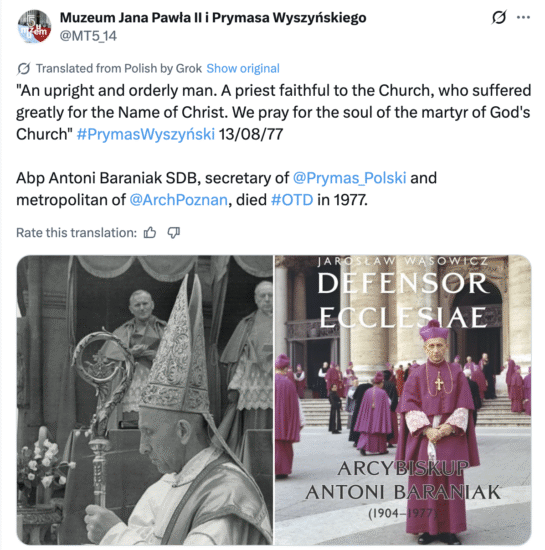
In October 2017, Archbishop Stanisław Gądecki announced the intention to initiate the beatification process of Bishop Baraniak.
Source: PAP, IPN
Photo: IPN, Church in Poland, Caroline Byczynski, British Poles
Tomasz Modrzejewski