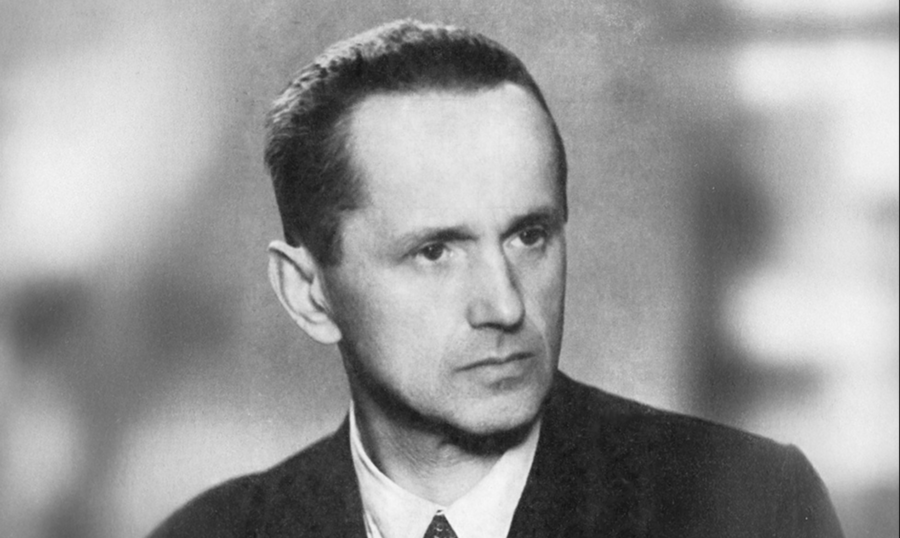
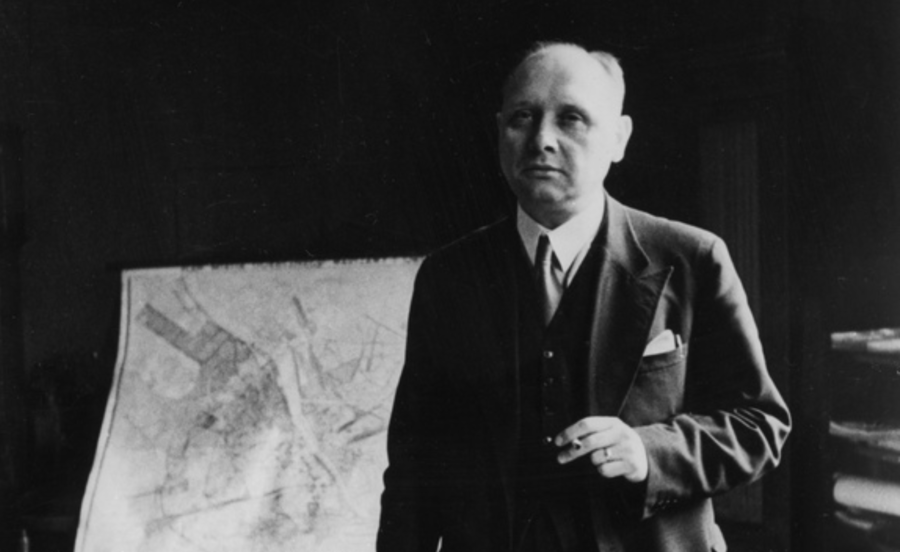
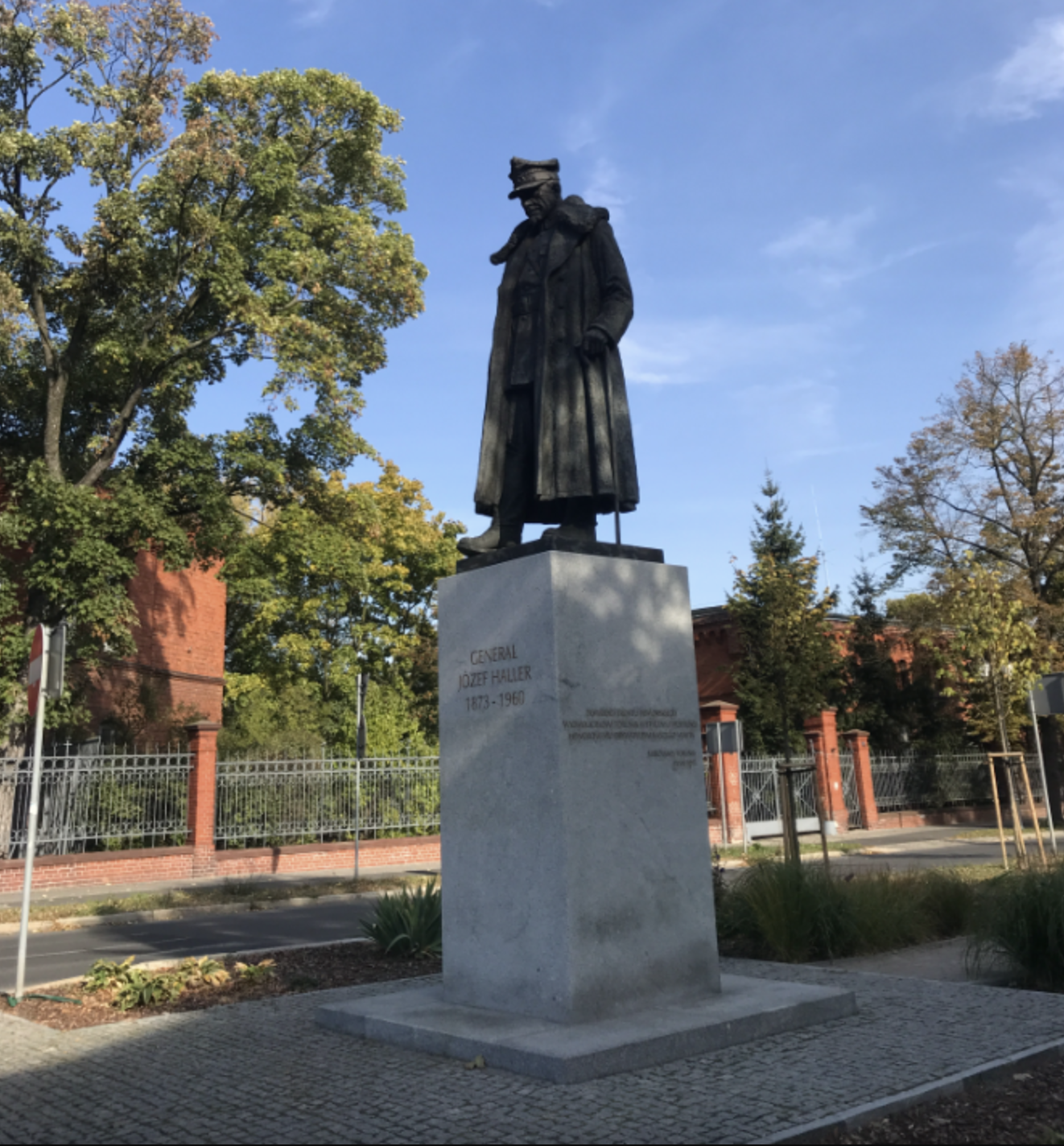
Józef Haller von Hallenburg was born on 13 August 1873 in his family estate near Kraków. He was Lieutenant General of the Polish Army, a legionary in the Polish Legions, President of the Polish Scouting and Guiding Association (ZHP), and a political and social activist. The Polish formation he created in France – the Blue Army – was a massive military boost for the reborn Poland of 1918.

Haller was born in Jurczyce near Kraków. He studied at the Technical Military Academy in Vienna and subsequently served with the Austrian Army, resigning after being promoted to the rank of captain. In 1916, during the First World War, he became commander of the Second Brigade of the Polish Legion, particularly the units that fought against Russia on the Eastern Front.
xHe initially attended a German primary school in Lviv. From 1883 he was a pupil of the lower secondary school in Košice. In 1890 he entered a higher real school (cadet corps) in Hranice, and after graduating from it he studied at the artillery department of the Military-Technical Academy in Mödling.
In 1909 he was promoted to the rank of captain and later became commander of the 43rd Howitzer Squadron of the Home Defence. He was granted a long-term leave of absence in 1910. He became involved in social work in the cooperative movement, serving, among other things, as an inspector at the Society of Agricultural Circles in Lviv from 1912.
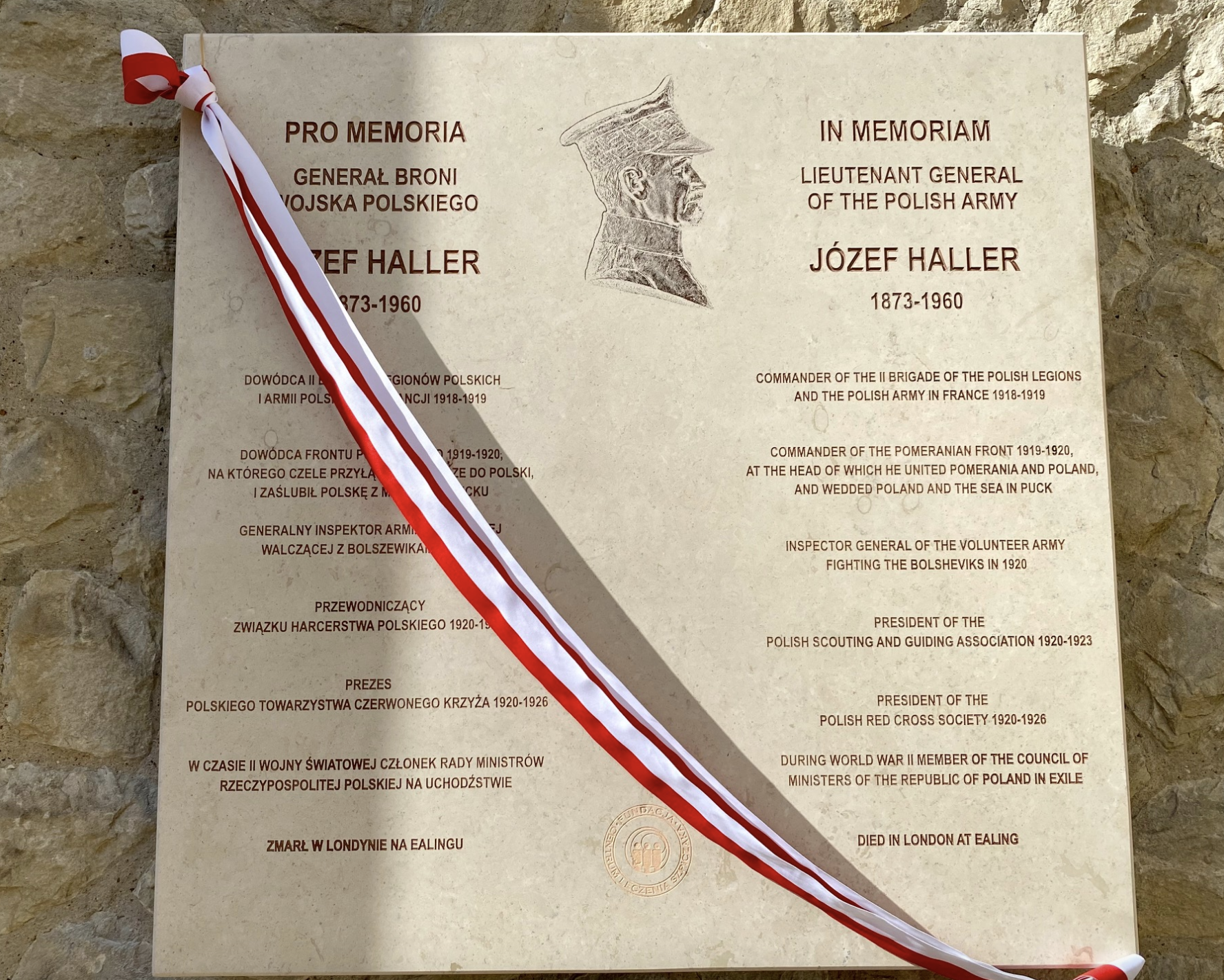
In 1912 he became a member of the „Sokol” Gymnastic Society and the main organiser of the „Sokol” Field Teams in the Lviv district. During this period he also cooperated with the scouting movement. After the outbreak of World War I, he was briefly mobilised into the Austrian army. Later transferred to the Eastern Legion, which was being formed in Lviv, and he became one of its organisers.
After his service in the Polish Legion under Austrian command on the night of 15-16 February 1918, in protest against the Treaty of Brest, the Second Legionary Brigade under his command broke through the Austro-Russian front at Rarańcza and on 6 March joined forces with the Polish Second Corps in Soroki.
Haller then escaped to Moscow and reached France, where on 17 July 1918, he joined the Polish National Committee, which appointed him commander of the Polish Army in France on 4 October 1918.
The Blue Army was a significant military asset for the reborn Poland as it was armed by the French and professionally trained for war. After the end of the Great War Haller’s army was transported to Poland through Germany. The Polish units numbered some 60,000 men and 10,000 horses.
After his return to Poland, he was commander of the South-Eastern Front from April to 2 June 1919. In this position, he led a victorious offensive against the Ukrainians in eastern Lesser Poland. He then commanded the South-Western Front until 25 September 1919.
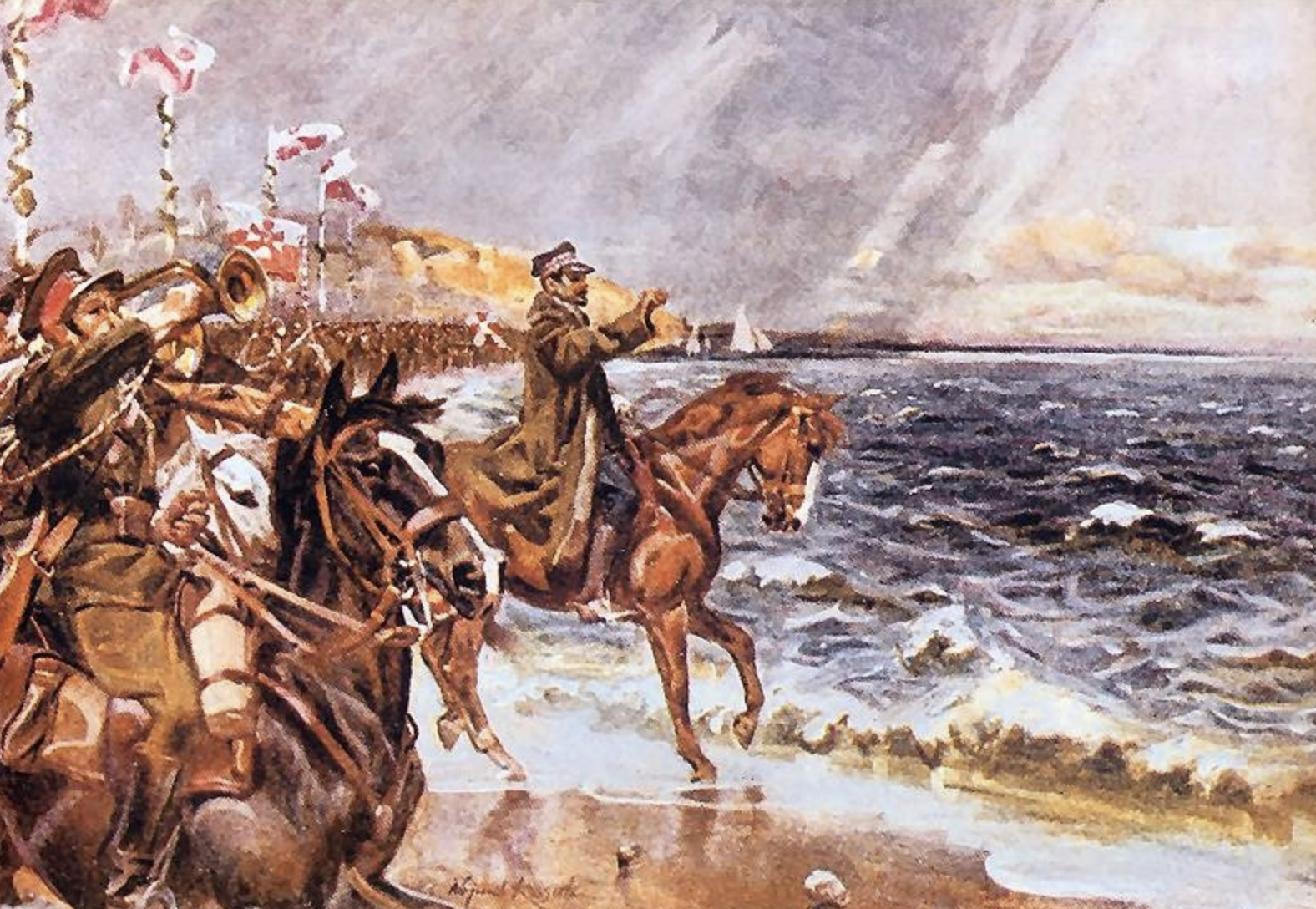
Later as commander of the Polish army in Pomerania he symbolically engaged Poland with the Baltic Sea. The scene was painted by Wojciech Kossak and remains an important symbol.
General Haller was an excellent military leader, he also was active in political life. Haller served as Education Minister at General’s Sikorski Polish Government-in-Exile, which operated from London during the 2 World War.
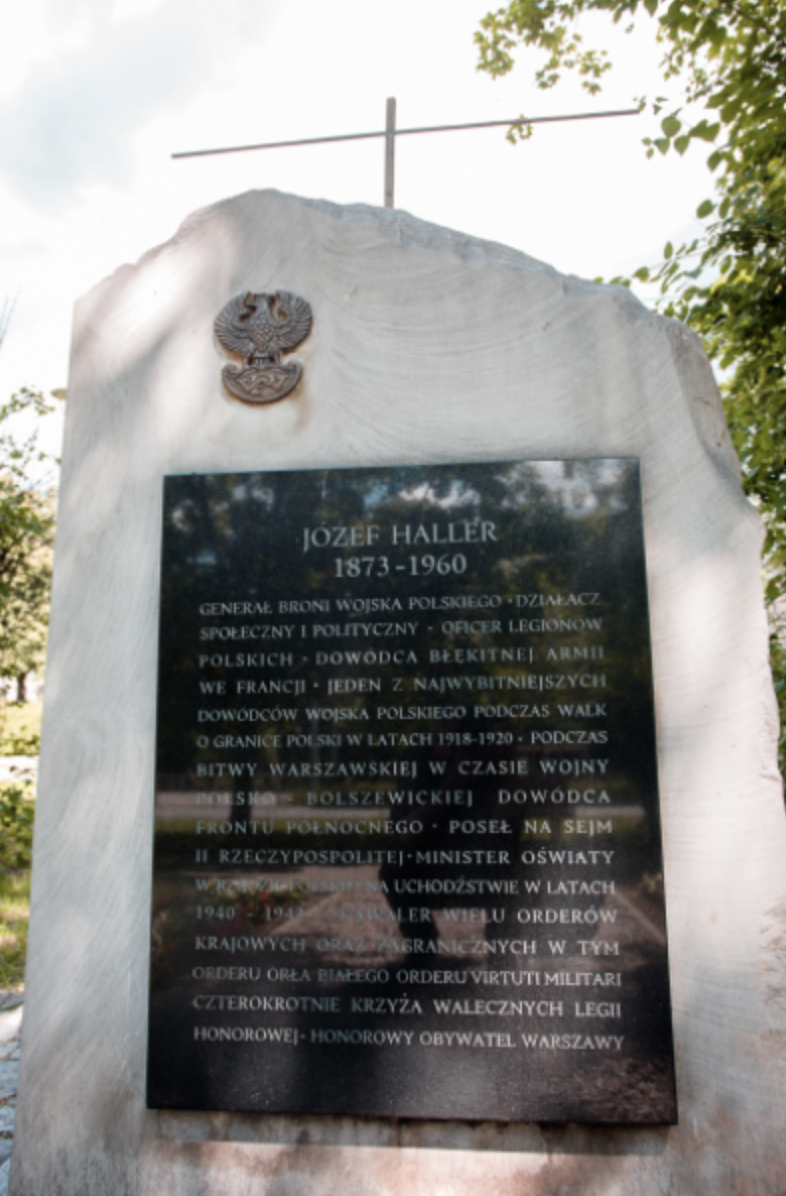
After the end of the war, Józef Haller decided to remain in exile and settled in Great Britain. He made occasional appearances on the Polish Radio Free Europe. He died in London on 4 June 1960 at the age of 86. He was buried in Gunnersbury Cemetery, but in the 1990s his remains were moved to Poland and buried at St. Agnes Garrison Church in Kraków.
Source: IPN, Dzieje.pl
Tomasz Modrzejewski