To this day, many are unaware that the decision was taken at a moment of great uncertainty and in the face of growing contradictions between the Polish government-in-exile in London and the Home Army command operating in Poland.
The fate of Poland was first decided during the Teheran conference of the Big Three in which Stalin began dominating the other two Allies in matters concerning Central and Eastern Europe’s geopolitics. It became more and more obvious that Stalin’s position became stronger every day as his troops fought the Germans and started to re-enter the territory of Poland. This situation was much different in the view of both the Polish government in exile and the Home Army.
The government in exile presented a mistaken political meaning of its importance to the Polish resistance in the country and ensured the Home Army had the fate of Poland under control thanks to the close cooperation with the British and the US. The reality was shifting in a very different course.
As the famous Polish emissary Jan Karski later recalled, the Polish authorities in London were sure there would be no decision made without their knowledge, and that was the information he received despite his concerns about political reality.
It seemed that the command and soldiers of the Home Army hoped for support from the Western Allies and maybe the Soviets if they would start a major military operation against the Germans in 1944.
The first phase of the tragedy was the famous Burza Operation, directed by Armia Krajowa, which was aimed at supporting the Soviet troops in their battles with the German forces. Unfortunately, even if the “allied” forces coordinated their fight, just days after German defeats, most of the Home Army soldiers were arrested and either deported to Siberia or enlisted into the so-called Berling Polish Army, dominated by the Soviets.
While the fight with the Germans continued more and more attention was redirected to the Home Army stronghold of Warsaw. Will the capital fight? One of the problems was that the ammunition and weapon depots were almost empty as the supplies were redirected to the partisans taking part in the Burza Operation across Poland. In such terrible conditions, with Soviet troops coming near Warsaw, a decision if Poland shall fight must have been made.
On 25 July 1944, General Komorowski sent information to Commander-in-Chief General Kazimierz Sosnkowski in London, about the military readiness of the Home Army:
‘We are ready at any moment to fight for Warsaw. The arrival of the Parachute Brigade for this fight will be of great political and tactical importance. Prepare the possibility of bombing airfields near Warsaw at our request. I will report the moment of the start of the battle’.
On the same day, the Council of Ministers issued a resolution authorising the Government Delegate ‘to take all decisions required by the impetus of the Soviet offensive, if necessary without prior agreement with the Government’.
Next day the Prime Minister Stanislaw Mikołajczyk told the Minister of the Interior to send another information to Poland: ‘At a meeting of the Government of the Republic of Poland a resolution was unanimously passed authorising you to declare an uprising at a time chosen by you.’
That last message was considered a free rein to the country’s command for the decision.
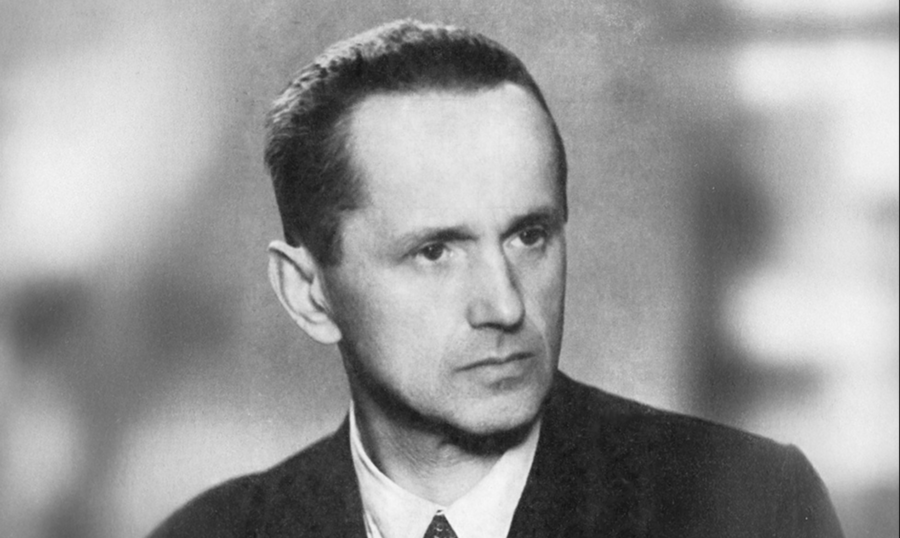
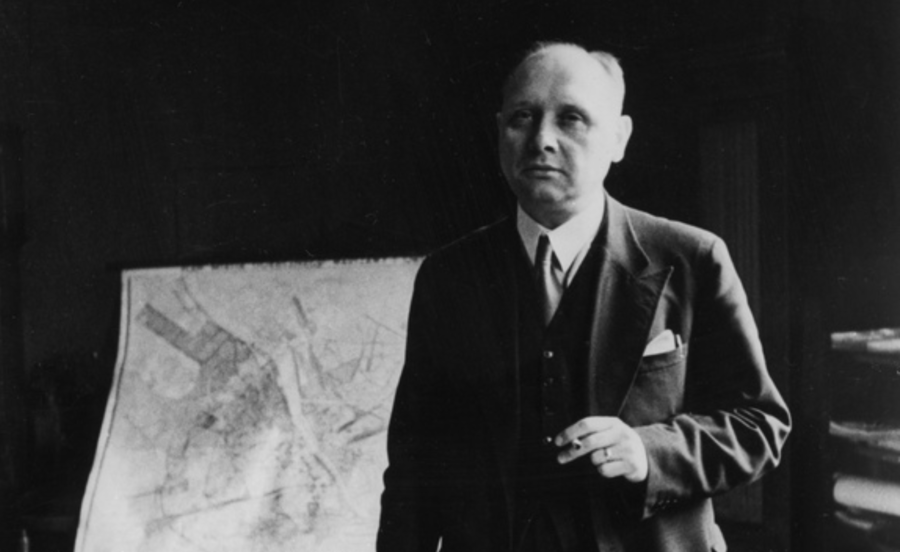
On the afternoon of 31 July, Home Army commander General Tadeusz Komorowski ‘Bór’ met with Colonel Antoni Chruściel, who discussed inaccurate reports about Soviet tanks operating in the suburbs of Warsaw. This unverified information was one of the reasons why the still hesitant ‘Bór’ finally decided that the Uprising would break out on 1 August.
‘On that day the commander of the Warsaw-Miasto District, ‘Monter’, was expected at headquarters at 6 o’clock in the afternoon. He turned up unexpectedly at 5 o’clock, with the news that Soviet armoured units had broken into the German bridgehead, disorganised its defences and that Radość, Miłosna, Okuniew, Wołomin and Radzymin were already in Russian hands. After a short discussion, I decided that the right moment had come to begin the battle for Warsaw,’ General Komorowski later recalled.
As it appeared later, the intelligence was not verified and even if the Soviet tanks would operate near Warsaw, their intention was not to support the Uprising aimed at the fight for Polish independence.
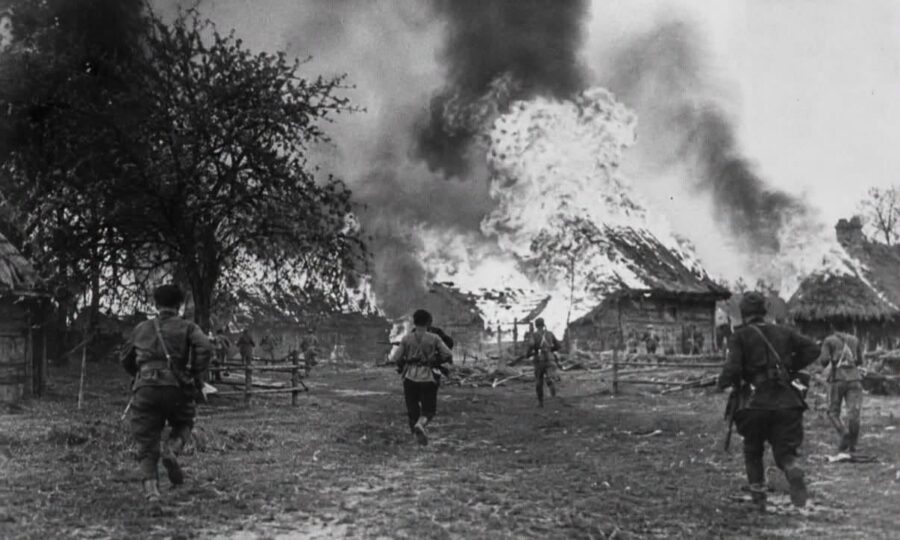
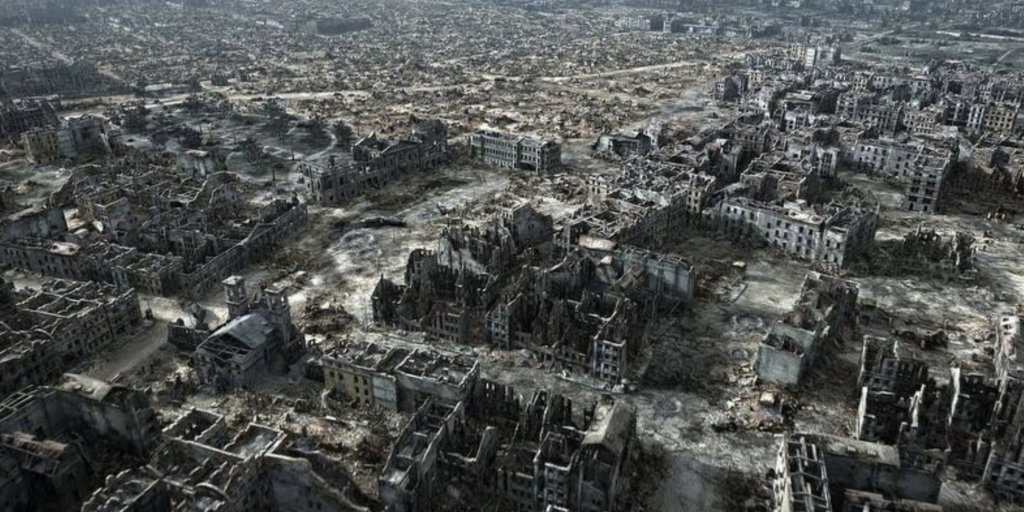
The next day soldiers left their homes ready to fight for 3 days. They lasted for 63 days of brutal fighting and German atrocities.
Photo: Institute of National Remembrance
Tomasz Modrzejewski