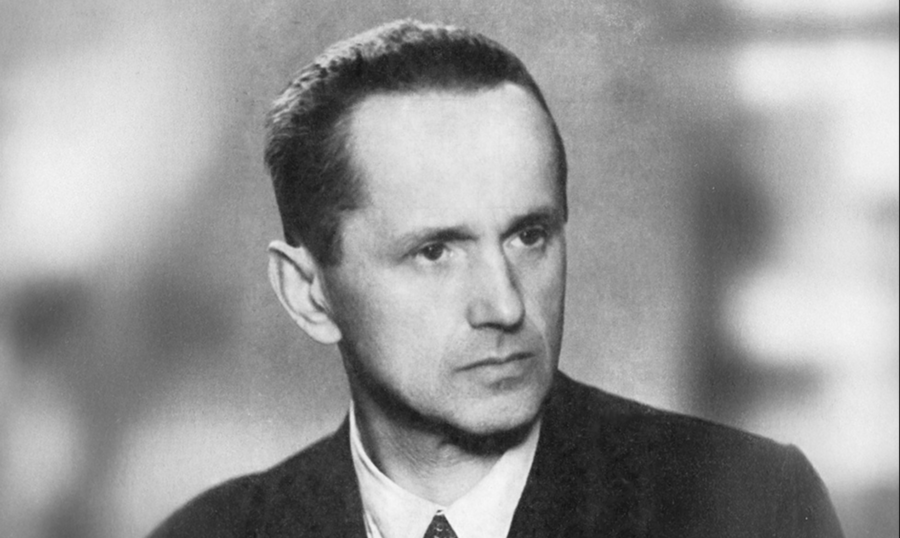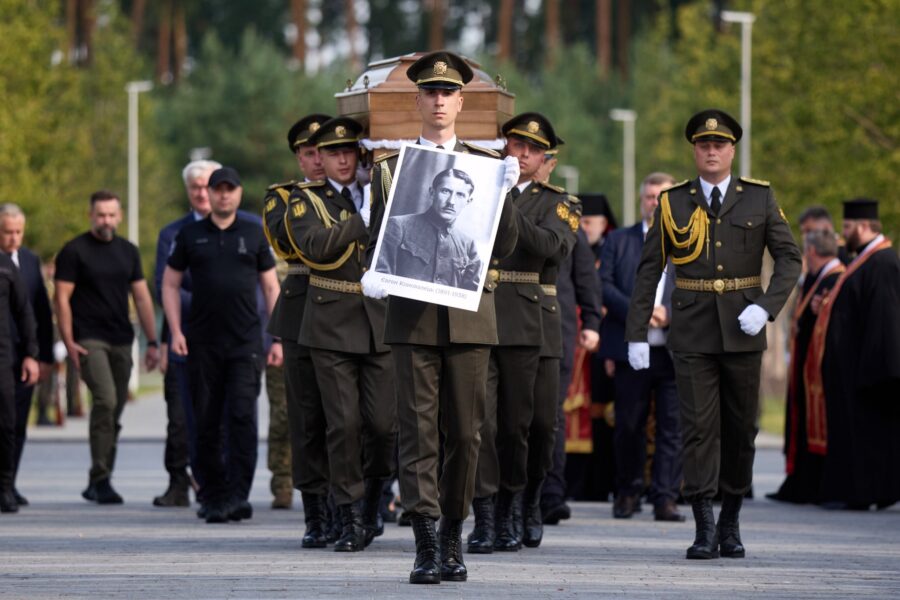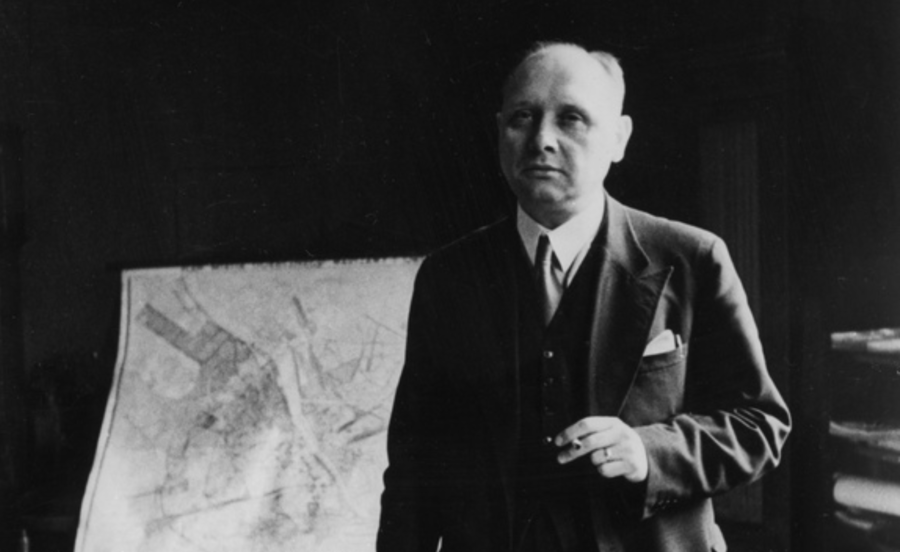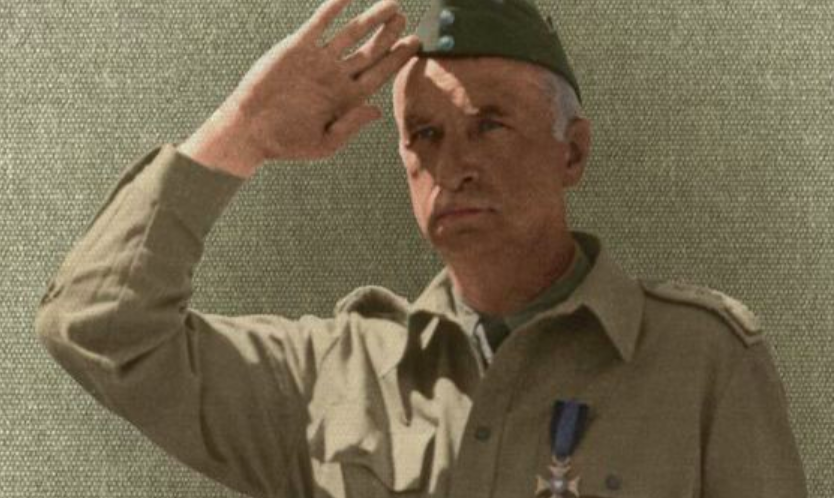
Despite his unquestionable merits in the context of the fight against Nazi Germany during World War II and the high positions he held throughout his career, the Polish General Kazimierz Sosnkowski remains a mostly unknown figure to the public.
Kazimierz Sosnkowski was born in 1885 in Warsaw. At the age of twenty, he joined the Polish Socialist Party (PPS) and met with one of its charismatic leaders, Józef Piłsudski. In the following years, Sosnkowski became one of the closest collaborators of the future Polish Marshall. He was among the initiators of the renowned Union of Active Struggle as well as the Rifflemen’s Association.
In 1917, he was arrested by the Germans along with Piłsudski, and both were imprisoned in Magdeburg. After Poland regained its independence and defeated The Soviet Union during the Polish-Bolshevik war of 1919-1920, Kazimierz Sosnkowski got into a conflict with Marshal Piłsudski on the ground of differences of opinion regarding the leadership of the Polish troops. Piłsudski’s putsch in 1926 did not make things easier for the Varsovian. In the early 1930s, Kazimierz Sosnkowski was among the first Polish officials to warn about an imminent military threat from Germany. He even proposed a plan of a preventive attack on the III Reich, which most of his high-ranked colleagues ignored.
Once World War II broke in September 1939, he was among the most efficient army leaders to combat the Wehrmacht. In November of the same year, he managed to emigrate to Paris in order to join Władysław Sikorski’s government in exile. He soon became Chair of the Committee for Home Country Affairs as well as deputy of the Commander-in-Chief. In June 1940, after Hitler’s takeover of France, he led the evacuation of the remnants of the Polish army to Great Britain.
Kazimierz Sosnkowski had a complicated relationship with the Polish Prime Minister Władysław Sikorski who, according to the British intelligence services, was jealous of the latter. In 1941, he criticised a Polish-Soviet pact signed on the 30th of July, known as the Sikorski-Majski Agreement. He argued that this agreement would not secure Poland’s Eastern border and that the Soviet Union is not a trustworthy negotiation partner. After the death of the Polish Prime Minister in a plane car in Gibraltar on the 4th of July 1943, Sosnkowski became the new Commander-in-Chief under the new pro-Soviet Prime Minister Stanisław Mikołajczyk, with whom the collaboration was difficult from the start.
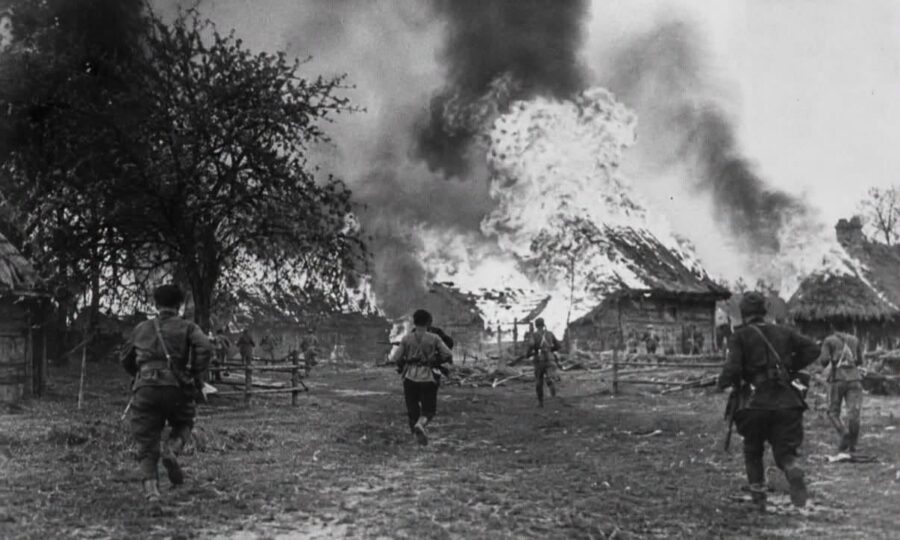
In 1944, Kazimierz Sosnkowski tried to convince his fellow Poles to refrain from organising an uprising against the German occupier. However, Varsovians were upset with five years of repressions and humiliation by the Nazi invader. Refusing to listen to the warnings, they initiated what is today known as the Warsaw Uprising. In the meantime, the Soviet troops were waiting patiently on the Eastern side of the Vistula as the Germans were crushing the rebellion in bloodshed. Sosnkowski did what he could to help his compatriots. He urged Poland’s British and French allies to provide some military help to the Poles. He asked them for their support in organizing an attack from the air using planes, but this proposition was also rejected.
On the 1st of September 1944, exactly five years after the start of the war, he wrote a letter to his soldiers in which he accused the British of having deceitfully drawn Poland into war with Germany and of having failed to provide any military help to Poland despite the guarantees given by the Allies. He called this indifference regarding the Warsaw Uprising a “burden of the world’s conscience with the sin of terrible and unprecedented harm”. Shortly after, British Prime Minister Winston Churchill himself put pressure on Polish authorities in order to put an end to Sosnkowski’s political career. As a result, the latter was dismissed on the 30th of September 1944.
Soon after this, Kazimierz Sosnkowski moved to Canada. The local authorities had been asked by London to keep him away from politics. In 1949, the British refused him a visa to enter Great Britain. They also asked the Americans not to let him enter the USA. He lived the last years of his life on a farm in Quebec where he worked in order to sustain himself and his family. He died in 1969 at the age of 84 in the town of Arundel.
Sébastien Meuwissen
Photo: Twitter: @ipngovpl_eng