Jan III Sobieski was born on 17 August 1629 in a family estate of Olesko in today’s Ukraine. He served as a hetman (general) in several great wars of Polish history and became the king of Rzeczpospolita in 1674. The 22 years of his reign brought stabilisation after wars with Sweden and Cossack uprisings in Ukraine. His greatest achievement was the victory over the Ottoman Turks in the Battle of Vienna in which he personally commanded the famous Polish Winged Hussars that stopped the Muslim armies from entering the city.
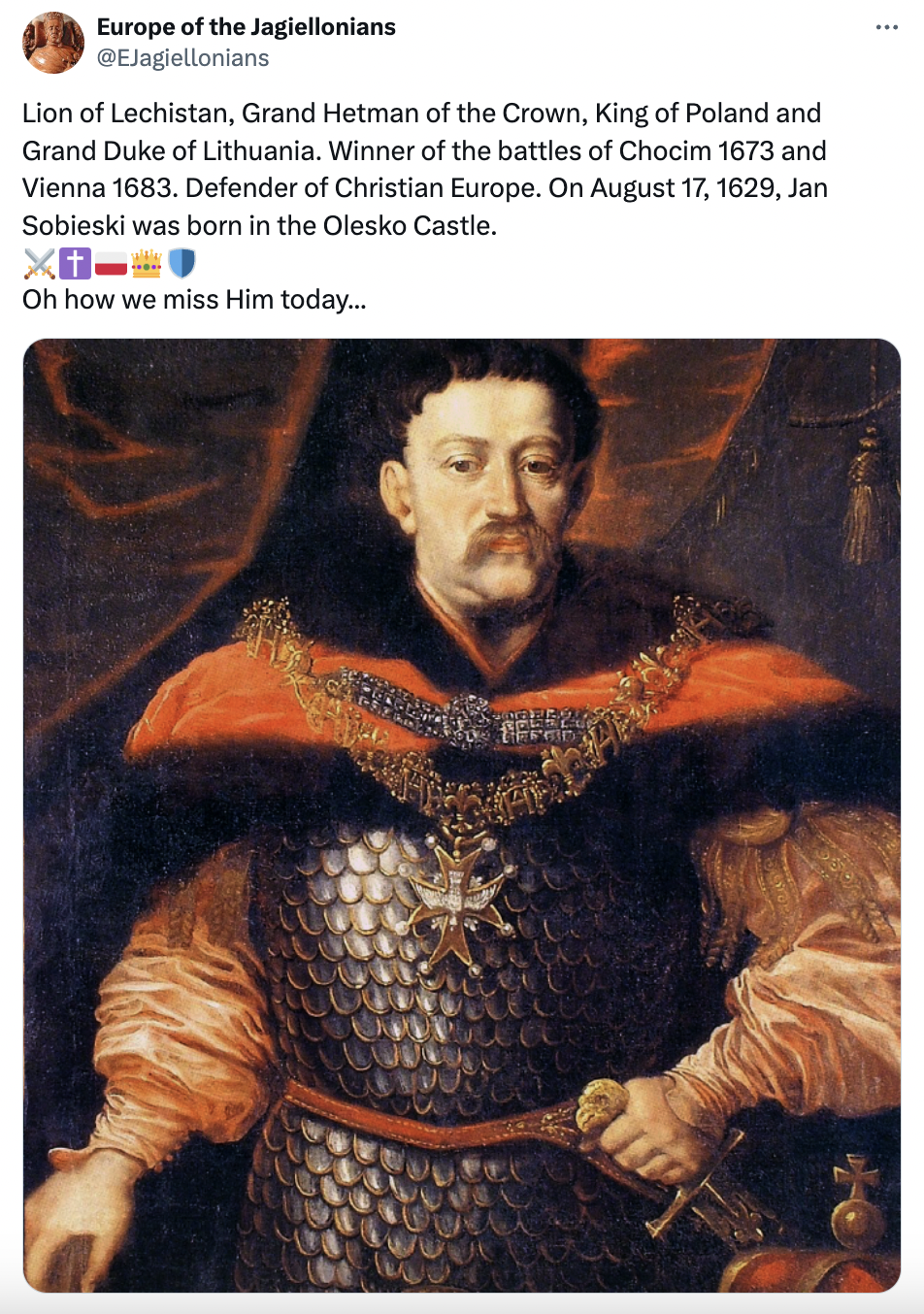
For his extraordinary command and the crushing defeat he inflicted on the Ottoman army, the sultans called him the Lion of Lechistan. In recognition of his fight for Christianity, Pope Innocent the XI awarded him the title of Fidei Defensor – The Defender of Faith.
Jan Sobieski came from the Sobieski family of Sobieszyn, which joined the ranks of the high aristocratic or magnate families during the lifetime of his grandfather Marek Sobieski. His father, Jakub Sobieski, served as the castellan of the capital city of Krakow. He was also the great-grandson of the Great Hetman of the Crown Stanisław Żółkiewski.
His family fought and died in battles with Muslim Tatars and Turks. Sobieski recalled the family history: “Great-grandfathers, grandfathers, uncles and brothers died of pagan hands.”
Sobieski received a careful education. Jakub Sobieski recommended that his sons acquire a thorough knowledge of several languages. In addition to learning vocabulary and grammar, his father also ordered them to engage in conversations in foreign languages. Thanks to his talent Sobieski learned Latin, German and Turkish.
Sobieski and his brother took part in a grand tour around the most prominent Western European cities and universities in which the young aristocrats learned mathematics and geography. Young Jan was also particularly interested in natural sciences.

From 29 March to 21 May 1654, he stayed incognito with a Polish envoy in Istanbul, further practising the Turkish and Tartar languages.
After returning to Poland Sobieski fought in the tragic Chmielnicki Cossack uprising. He was seriously wounded in the victorious battle of Beresteczko.
At the beginning of the Swedish Deluge, together with many other troops, he surrendered at Ujście under the protection of the Swedish King Charles X Gustav. On 16 October 1655, as colonel of the quartermaster army under Aleksander Koniecpolski, he swore allegiance to the Swedish king. Today, historians claim that the damage done to Poland by his unfaithfulness was later compensated by Sobieski thanks to, among other things, the skills he acquired during this period. It was then that he learnt the secrets of warfare in one of the best and best-organised armies in the world at the time. On 24 March 1656, he left the Swedish ranks and reported to Stefan Czarniecki’s command at Łańcut. In response, Charles X Gustav ordered portraits to be hung on the gallows and plaques bearing the names of Sobieski and other commanders of the quartermaster army who had returned to their rightful ruler.
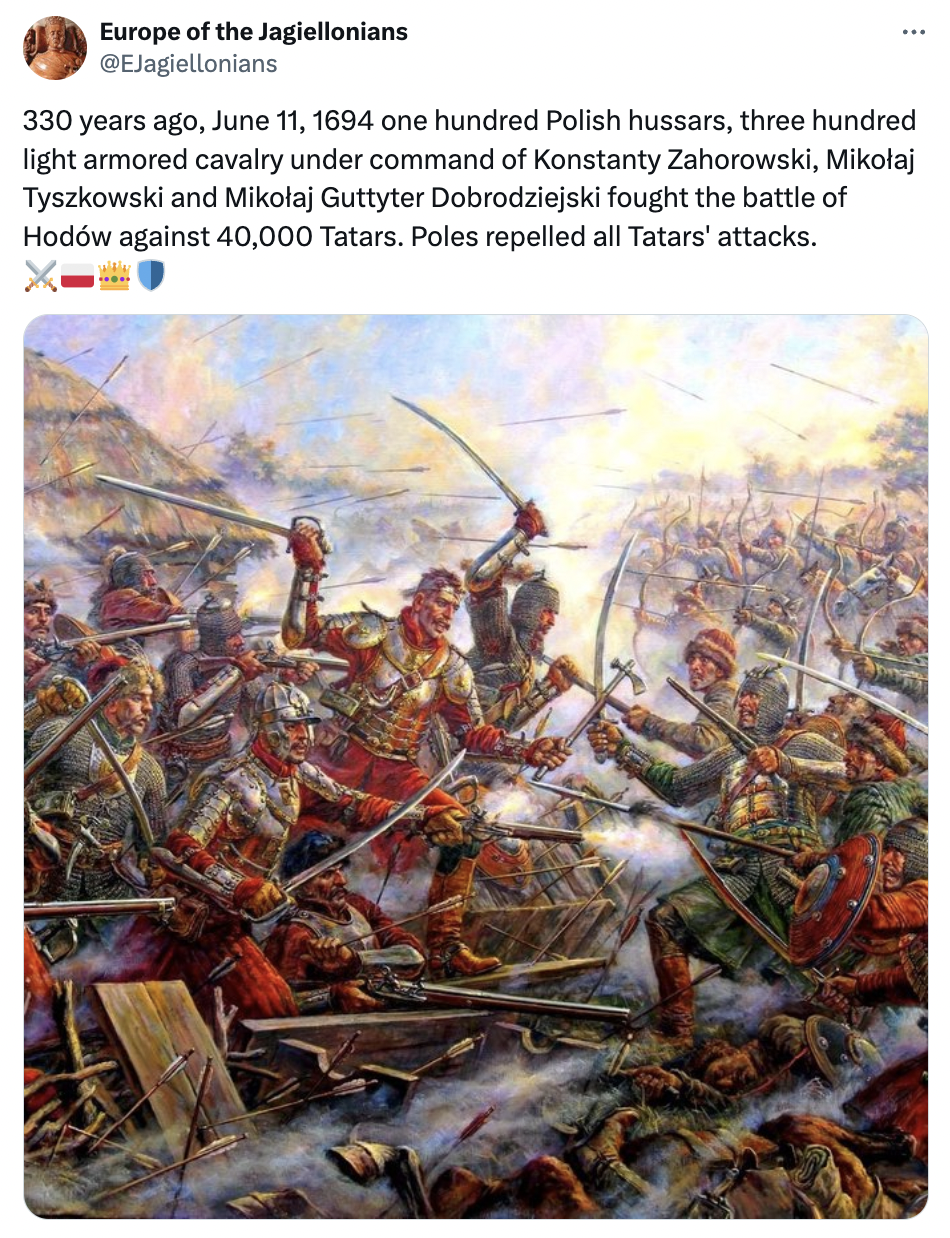
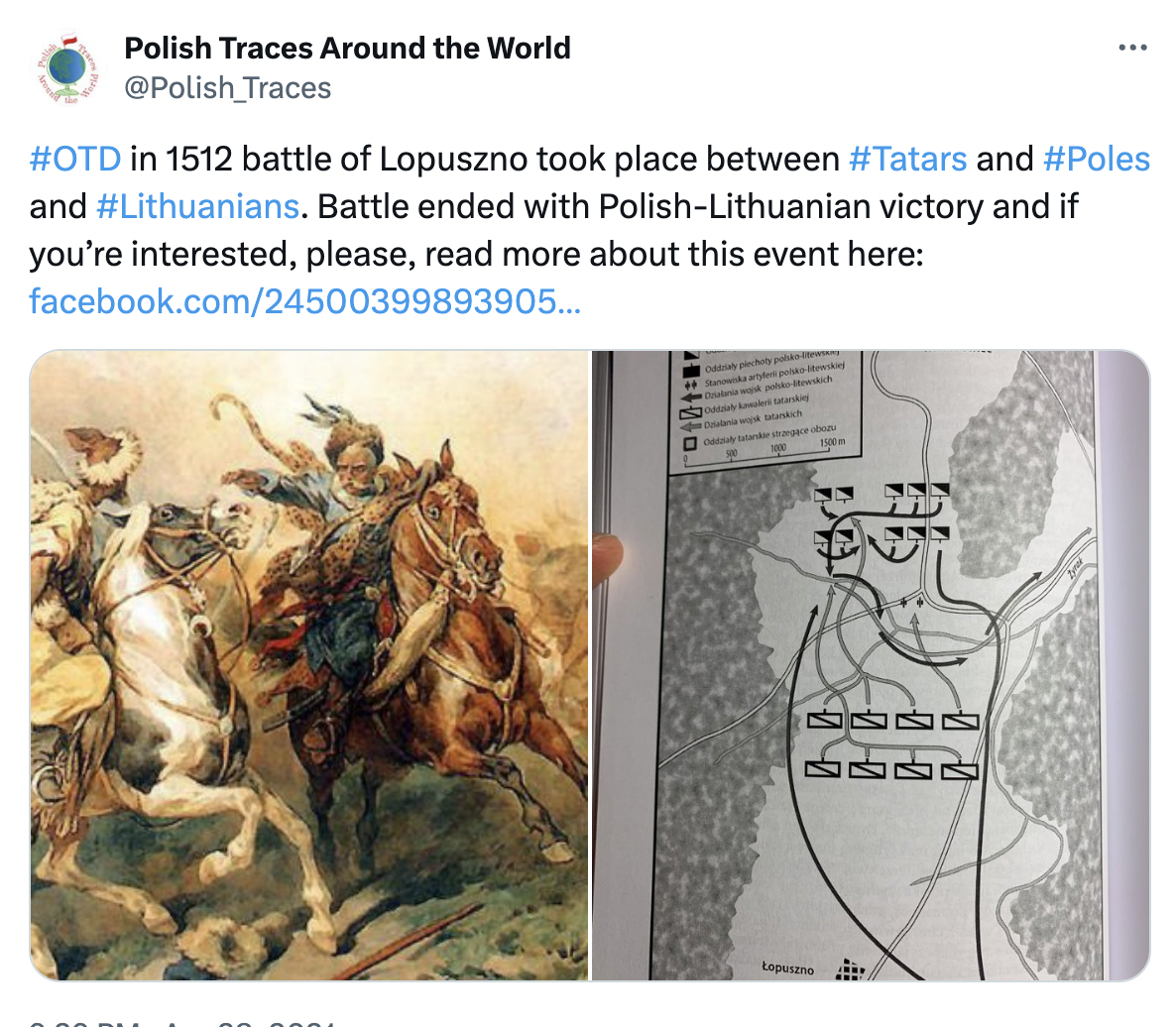
After the abdication of Polish King John Casimir Vasa Sobieski was perceived as a protector of the country during the interregnum, he was famous for his military campaigns against the Tatars who saw chaos in the Eastern parts of Rzeczpospolita.
After the death of the next Polish King, the incompetent Michał Korybut Wiśniowiecki the nobility elected Jan Sobieski as his successor at the electoral assembly on 21 May 1674, with little opposition from Lithuanian deputies.
At first, the King’s main objective was to ensure Poland’s strong position on the Baltic and the revindication and direct incorporation of the Duchy of Prussia. To this end, he aimed to neutralise Polish-Turkish relations and enter into close cooperation with Sweden and France. This idea unfortunately was not successful, and finally led to the humiliation of the Polish king in the so-called Berlin Affront in which his son was denied a promised marriage.
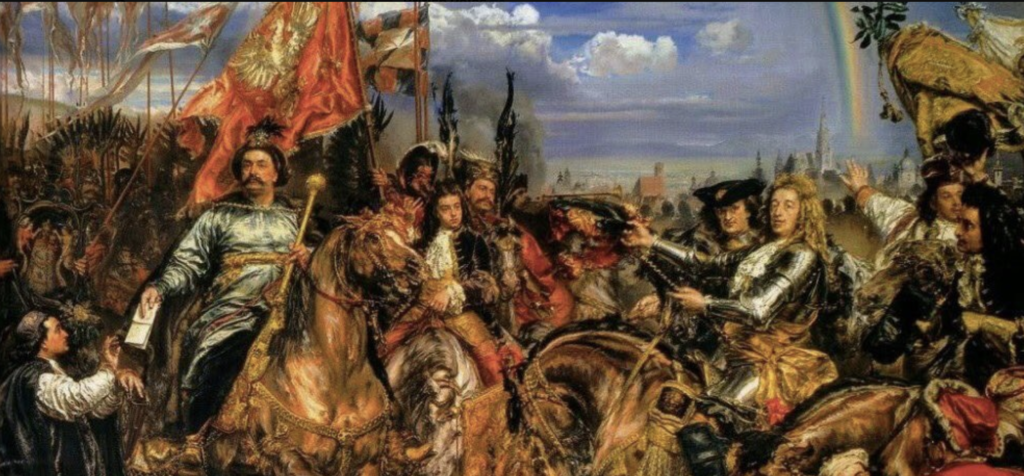
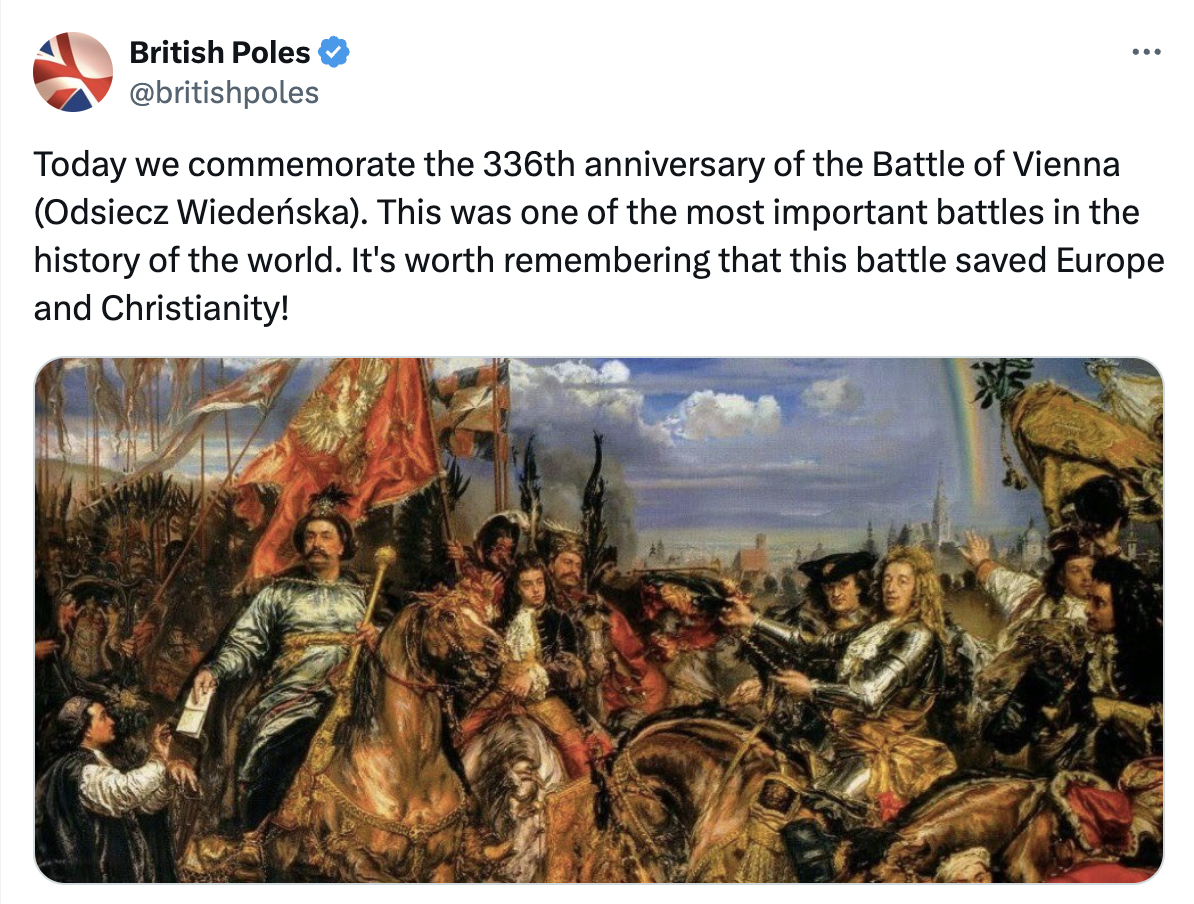
As mentioned before his greatest achievement was the victory in the Battle of Vienna. After the king learned the Turks besieged Vienna, without waiting for reinforcements from Lithuanians, Sobieski and the Crown army marched to the relief of the Austrian capital.
Sobieski became the supreme commander of all Polish and German coalition forces. The Polish winged hussar cavalry attacked the Turks from the Kahlenberg Heights and completely defeated the Ottoman army under the command of Kara Mustafa, the Grand Vizier.
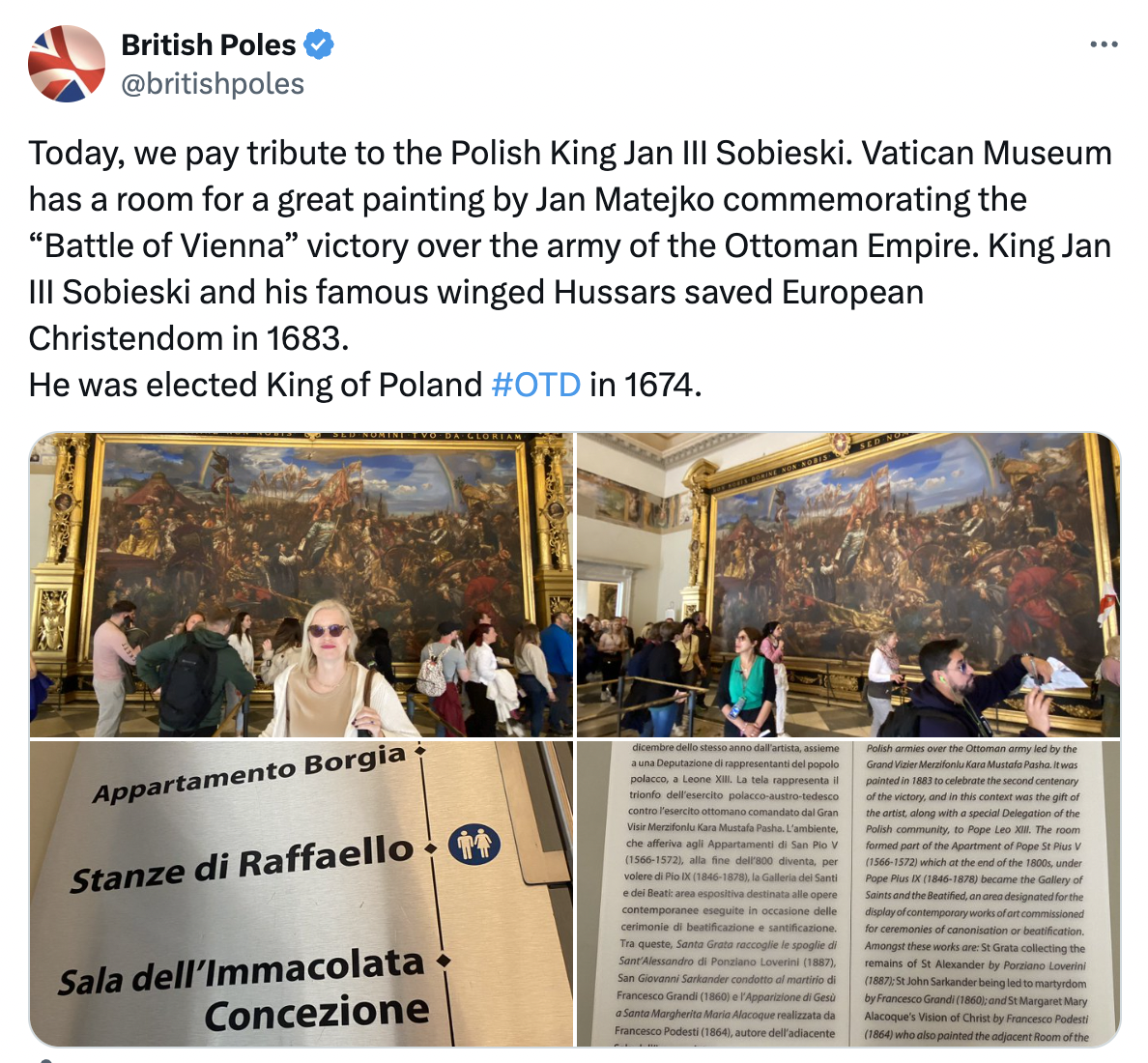
His victory was celebrated with a famous procession of the victorious Polish knights that rode horses inside Rome, gifting the crowds with precious spoils of war. At the end of the procession, the Polish envoy gave the Pope a letter from the king with a precise report from the battle and a green banner embroidered in gold, that was presented over Kara Mustafa’s tent just a few days before.
Up till today, the Polish king has his exhibition room in the Vatican Museums that presents a great painting of the battle.
Unfortunately, the battle was one of the last of his great deeds. Jan III Sobieski built a great palace on the outskirts of today’s Warsaw – in Wilanów. There the king died on 17 June 1696 after a heart attack.
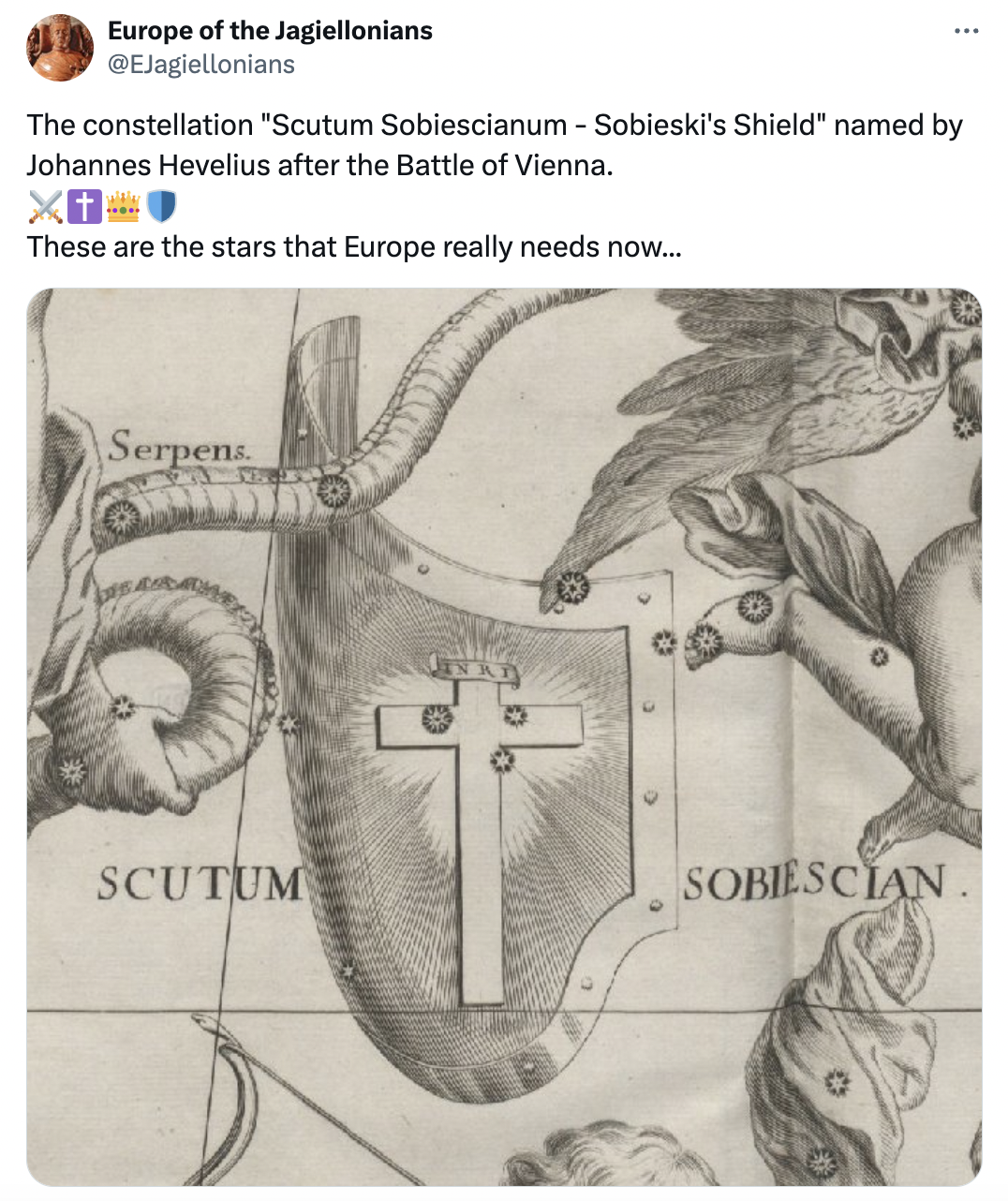
Jan III Sobieski was also famous for his love for books and science. His name became immortal after the greatest astronomer of the era, Johannes Hevelius, named part of the constellations Scutum Sobiescianum – the Sobieski’s Shield. The idea came after Jan III Sobieski helped the scientist rebuild his laboratory that was destroyed in a fire.
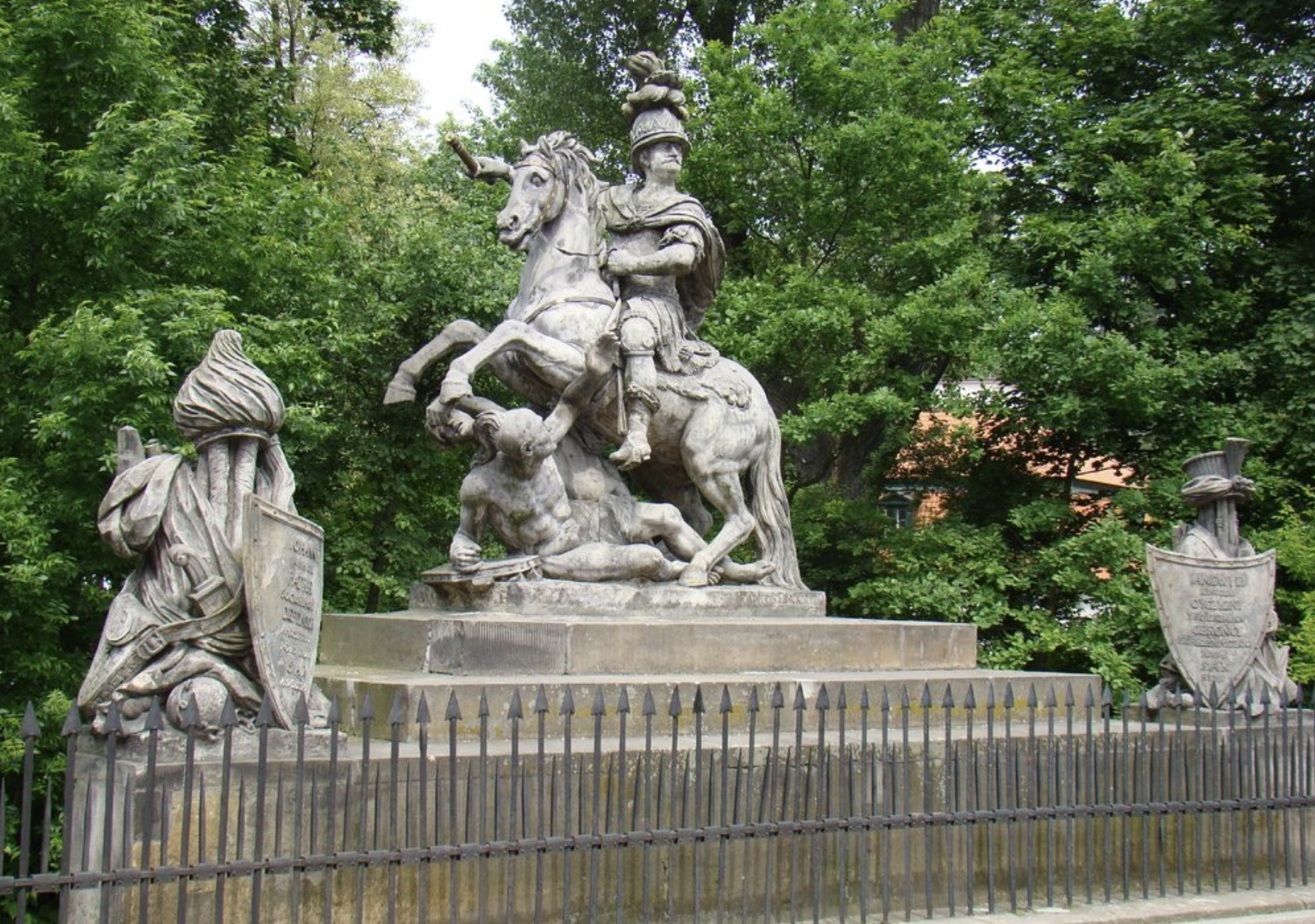
Source: Muzeum Pałacu Króla Jana III Sobieskiego w Wilanowie, Aletheia
Tomasz Modrzejewski
Photo: the Vatican Museums