In the first days of August 1944, the Allied planes appeared above Warsaw to drop supplies of weapons and ammunition in material and moral support for Warsaw Uprising. According to the PolskieRadio24 website, this obvious support was crucial for the Uprising fighters.
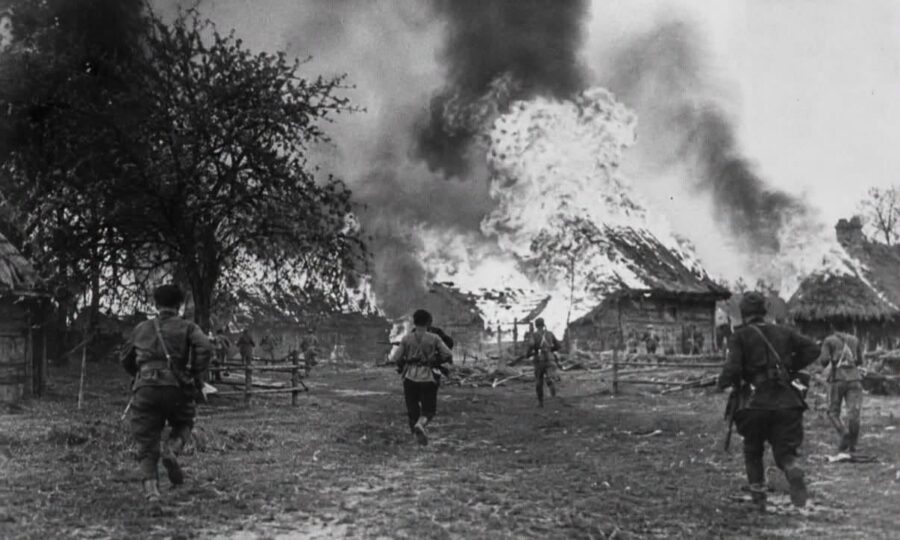
This is what Stanley Johnson, a British pilot, remembers about his mission: “We could see Warsaw from afar as the whole city was like one gigantic sea of flames. The sight of such devastation was heartbreaking, and our thoughts were with Polish fighters and residents of Warsaw”.
Appeal for help, Brindisi-Warsaw-Brindisi
The Warsaw Uprising started on the 1st of August. Soon after, General Tadeusz Bor-Komorowski sent an urgent report to London asking for a supply of weapons and ammunition. Many civilians were helping the Home Army to build barricades and many wanted to join the fighters and support the Uprising, but there were no weapons for volunteers. Therefore, General appealed for help, and at that moment, he was optimistic the Uprising would need several more days to succeed.
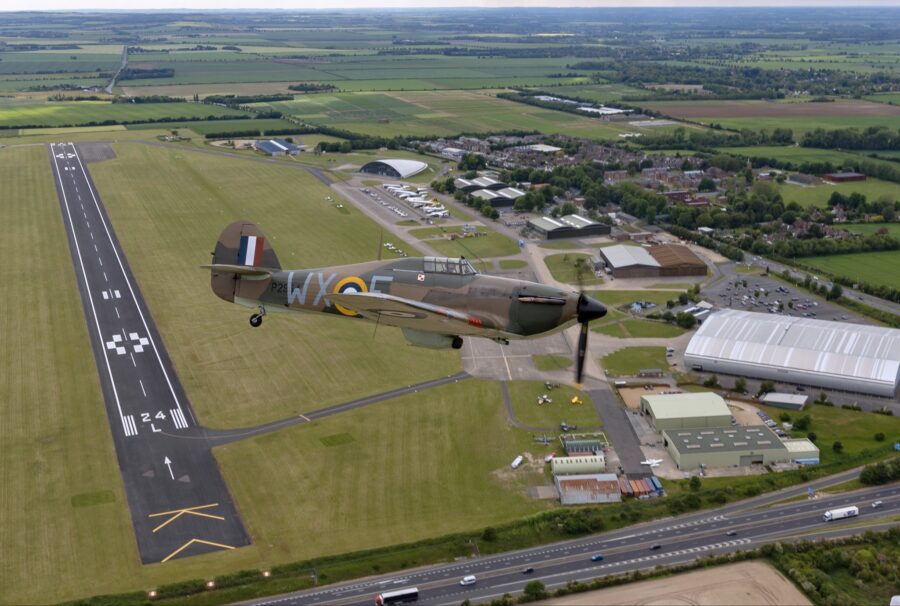
At the beginning of August 1944, Stanisław Mikołajczyk, Polish Prime Minister in exile, decided to ask Joseph Stalin, whose troops had been fast approaching the Polish capital city, for Soviet Army support for Uprising fighters. Unfortunately, Stalin was reluctant to help, and finally did not even agree that the Allied planes should land at Soviet airports to refuel and to make any necessary repairs. Instead, they had to fly from southern Italy Allied Air Force base at Brindisi to Warsaw on one tank of fuel. According to Royal Air Force Marshal, John Slessor, who was in charge of this operation, the air route was 1300 km of extremely difficult flight over high mountains in hard natural conditions with intense German anti-aircraft defence and night patrols controlling airspace. Many planes returned from missions with damage and injuries on board.
Allied pilots memories for the Radio Free Europe broadcast
“From a great distance, we could see a huge, red glowing cloud above the city. When we were getting closer, this cloud turned into a gigantic sea of flames. Soon we lost sight of flames when the anti-aircraft spotlights temporarily blinded us, and we nosedived into air filled with bursting grenades. We dropped all supply containers and took photos to record their landing spots. Luckily we were able to return to our airbase” – the South Africa pilot, Captain Marsh shares his memories with the Radio Free Europe.
Polish pilots flew first
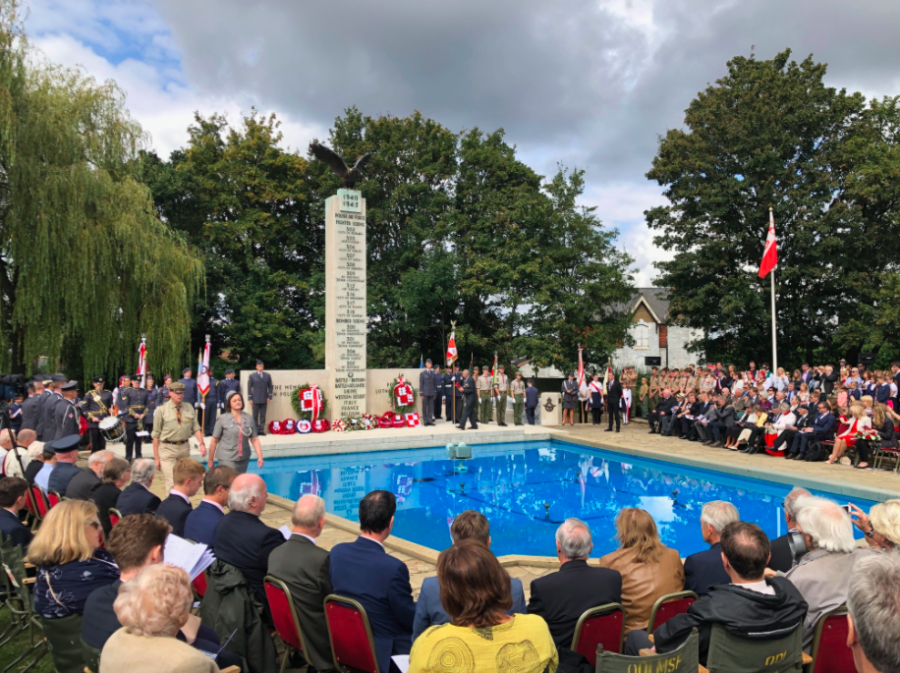
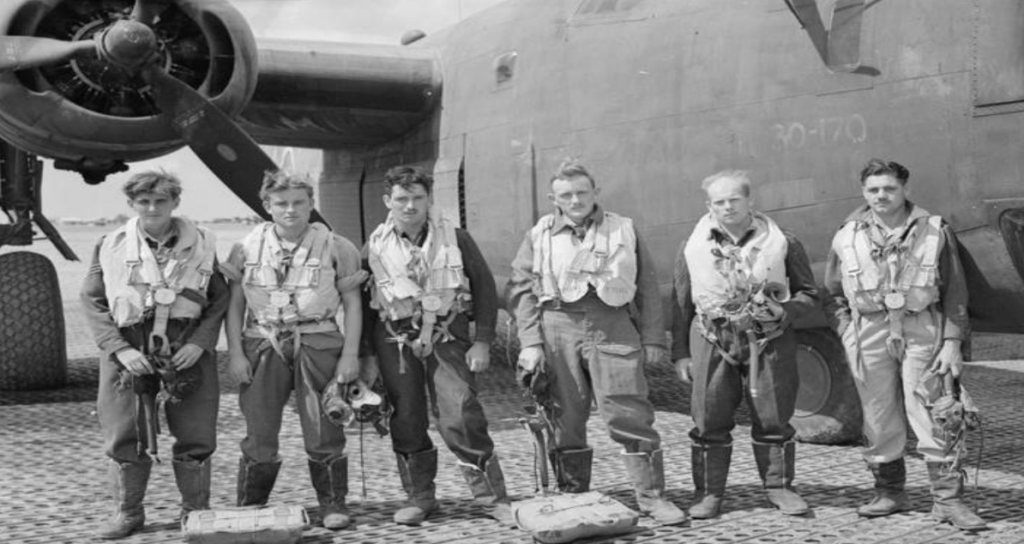
Polish pilots were first to make this near-suicidal mission, they volunteered in compliance with the Polish squadron’s banner motto ‘Love needs sacrifice’. Captain Tadeusz Zenczykowski who was a Home Army soldier and Uprising fighter, in his interview with Radio Free Europe, remembered the moments when first Allied aircrafts appeared over Warsaw: ‘In the middle of the night on 4th August, all of the sudden we heard the powerful sound of approaching planes. At that moment, we knew we were not alone, that we could expect support from our Western brothers in arms, but we did not yet realise fully the extend of real prize we had to pay for the Uprising.’ After several successful Polish pilot missions, Marshal John Slessor allowed participation of the crews of other nationalities. The whole operation began to gain momentum. Airmen of Allied forces of Poland, Great Britain, South Africa, Australia and the United States participated successfully in the support of the Warsaw Uprising.
Frantic VII
Soon, night drops of supply proved insufficient for Uprising support, therefore different strategy, such as daytime area bombing, was proposed and accepted by the US Eight Air Force which was headquartered at that time in England. They were ready for action as soon as August 11th. For maximum efficiency planes needed access to Soviet’s military airports, but again, Stalin did not give his approval to provide any assistance for this operation. Therefore, for a time being, the pilots continued their journey from Brindisi airbase although the supply they could carry was much smaller than real-life Home Army needs, but any help was greatly appreciated.
In the end, on the 10th of August, Stalin gave permission for Allied planes to land on the Red Army airports. Due to bad weather conditions, an American operation Frantic VII, could not commence flights earlier than September 18th. More than 100 B-17 Flying Fortress fighter bombers each flanked by fighter aircraft, dropped nearly 1300 supply containers with weapons, ammunition and even cigarettes. Unfortunately, only a small part of the whole supply was available to Uprising soldiers who, at that time, had under control only a small part of Warsaw. The air raid which took place during the daytime made a huge impression on the Warsaw residents.
Warsaw Uprising is coming to the end
Unfortunately, the Soviets did not extend permission for another American air forces flight over Warsaw and more help for the Uprising. Instead, they arranged their own drops, but it was mainly for propaganda purposes and not for the real support of fighting Warsaw. “The Soviet drops were sparse and came much too late to make any difference for the Uprising fate. The supplies were dropped without parachutes and all that we got was already damaged or entirely useless” – says Captain Tadeusz Zenczykowski during his interview with Radio Free Europe. Soon, supply flights ceased altogether when the Uprising was slowly coming to the end. The whole operation of the Warsaw Uprising support organised from the Italian Brindisi airport brought heavy losses for the Allied air forces, 19 RAF planes were shot down and 133 British pilots were killed, Polish air forces lost 15 planes and 105 pilots were killed.
“It was incredibly heartbreaking to see fires, ashes and ruins of Warsaw We knew that Polish soldiers, volunteers and ordinary civilians were dying there” – Captain Stanisław Litak tells Radio Free Europe about emotional experiences of those who were doing their best to help Warsaw Uprising.
Source: sa/NB/polskieradio24.pl
Translation: Jolanta Pitera