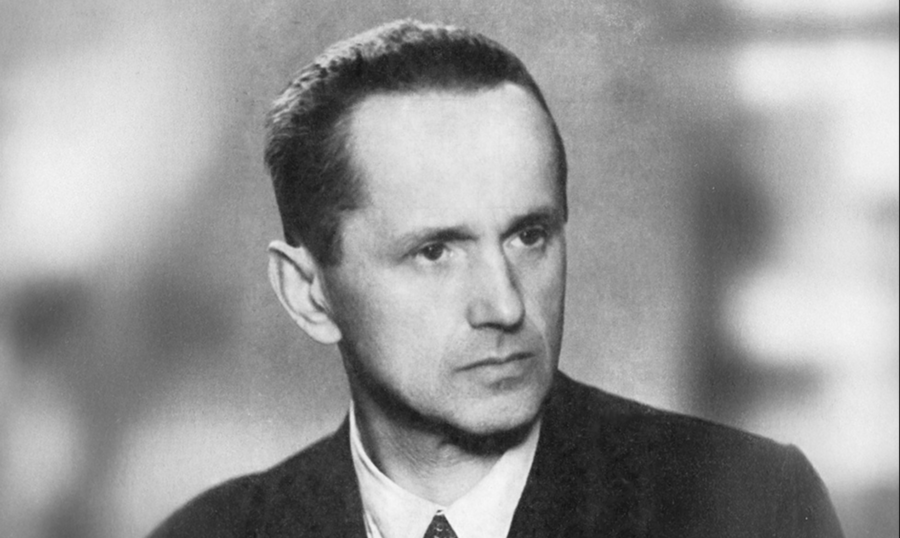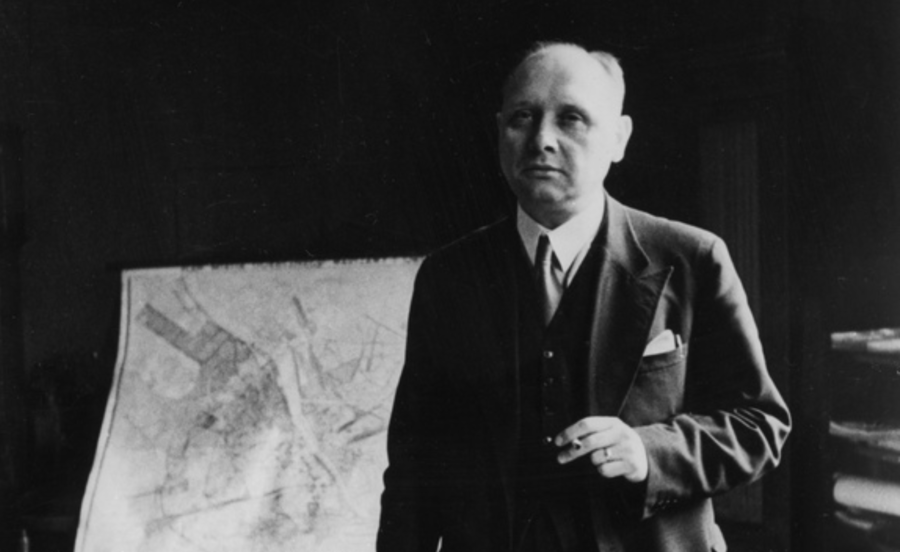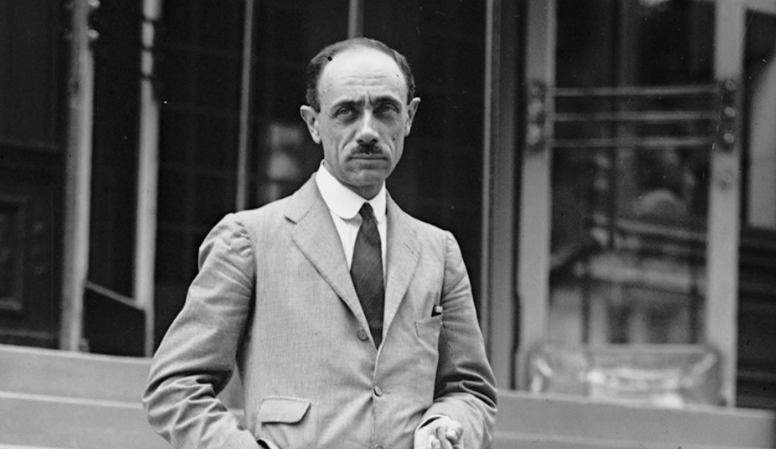
One is immediately drawn to Pál Teleki (1879-1941) when thinking about the centuries-long Polish-Hungarian friendship. He was one of the most important Hungarian politicians in the 20th century and remains considered a symbol of good relations between Magyars and Poles.
Teleki served as PM twice in the interwar period. During his first time in office (1920-1921), he played a crucial role in providing ammunition and military equipment to the Polish army during the Polish-Bolshevik war. At the same time, he thought very early about developing partnership relations with Poland, even though the peace treaties concluded after the end of WWI pushed both countries to camps that were (to some extent) opposing each other.
In the long term, Poland was interested in maintaining the status quo in Central Europe and Hungary – in modifying it. It’s important to bear in mind that the aftermath of the Great war represented an absolute disaster for Hungary, which, as a result of the Trianon Treaty, got amputated two-thirds of its territory and population.
On 20 July 1920, while Soviet Russia was dangerously advancing toward Warsaw, Teleki presented the government’s program in parliament. Speaking about foreign policy, he emphasised the importance of establishing friendly relations with Poland as a foundation: “Here we see the Polish nation, which for centuries has been our brotherly friends in the struggles with the East, and which today is as heroically fighting this struggle as many times in the past […] We, on our part, can only regret that at the moment we are not able to help them. But we also […] demand with all our strength that Europe supports Poland […] For centuries, we have been the standard-bearers of Europe and Christianity. In these struggles, we will be faithful companions of Poles […] and we will provide them with all possible help.”
In 1924 Teleki travelled via Warsaw to Estonia and Finland, and in 1934 he participated in an international geographic congress in the Polish capital. He always spoke with great appreciation about “friendly Poland” in his official statements. In the spring of 1939, when Carpathian Ruthenia was brought back to Hungary, he persuaded Western diplomats about the necessity of creating a Polish-Hungarian border.
In the summer of 1939, he told Hitler that Hungary would not take part in any military attack against Poland. The Hungarian Prime Minister explained that despite the fact that Hungary was formally allied with Germany, the possibility of Hungarians taking place in the murdering of Poles was categorically excluded, as it’s “a question of honour for a Hungarian not to harm his Polish friend.” “I’d rather blow up Hungary’s railways than conduct a military attack on Poland” – he reportedly told the German dictator.
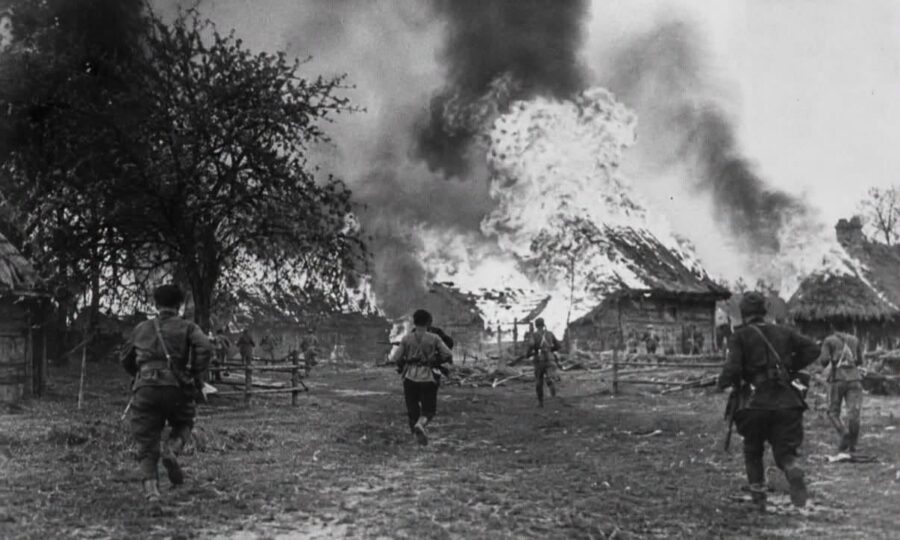
When Germany struck, Hungary welcomed thousands of Polish soldiers and civilians on its territory, organised their stay, and allowed most of them to leave for Western Europe. The then-Hungarian authorities defended Polish refugees from attacks by extremist movements and resisted Germany’s demands to arrest or persecute them.
Teleki died in April 1941, officially, by committing suicide. He is remembered as a genuine friend of our nation and a man of honour.
Image: Universal History Archive/Universal Images Group via Getty Images
Author: Sébastien Meuwissen