The Battle of Britain was one of the Allies’ first and most significant victories over Nazi Germany during WWII. Polish airmen considerably contributed to its success.
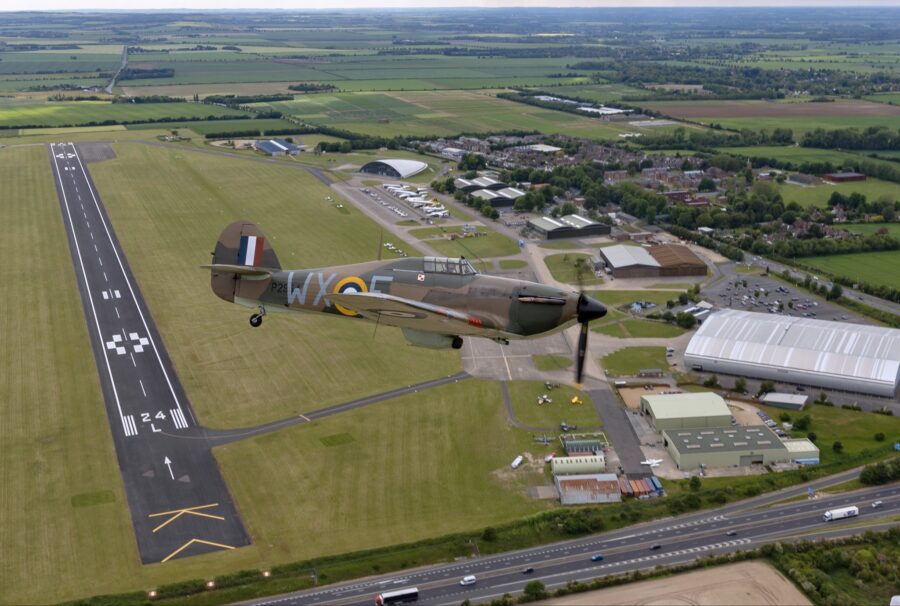
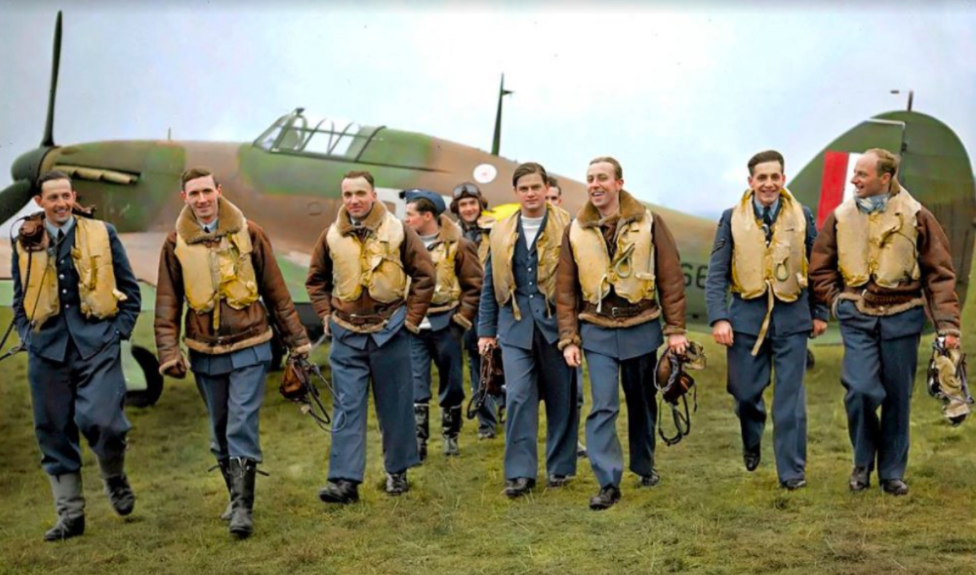
In June 1940, Hitler felt unstoppable. He took over France in no time and turned his attention to Britain. His Luftwaffe launched an attack against the UK’s Royal Air Force (RAF) in the hope of taking over yet another part of the European continent. Over 140 Polish airmen fought on the side of the Brits.
Here are 7 keywords that come to mind when talking about the contribution of Polish airmen in the Battle of Britain.
- Justice
The history of Poland is so exceptional among others because Poles have usually been the “good guys” in the numerous wars they were involved in. Poland was generally the side defending itself from belligerent neighbours. WWII was no different. It’s even a perfect illustration of the Polish spirit of freedom and a sense of righteousness in the midst of injustice and brutality. Nazi Germany aimed at enslaving other nations. Along with the Allies, Poles fought this evil force vehemently. They did so on many different fronts: England, the Netherlands, Belgium, Italy,…
- Courage
Not only did Polish airmen join the British RAF, but they did so in a context of general contempt. Brits didn’t take them seriously. Most of them spoke no English. They had a reputation for being undisciplined, and some even believed that they would embarrass the British army. Yet their fearlessness in the midst of German attacks sparked admiration from all who witnessed them in action. They seemed ready to give their lives, if necessary, to prevail over the invader. So many of them could have deserted. Yet, they decided to do the right thing.
- Revenge
Such dedication was due to a boiling desire for revenge. Germans had been destroying and looting Poland for a year. So many innocent lives were brutally taken. Children, wives, elderly people,… Innumerable artifacts were stolen and buildings were reduced to ashes. Poles were determined to make Germans pay for their crimes. The energy with which they hunted German planes can’t be explained without this powerful emotional element. Their anger made them ruthless. Their fingerspitzengefühl made them deadly.
- Efficiency
Polish aces were the most efficient fighters in the North Sea sky. The legendary 303 Squadron recorded (by far) the best kill-to-loss ratio in the Battle of Britain. Although figures vary depending on the sources taken into account, even the most “pessimistic” of them regarding the number of German aircraft taken down by Poles reveal that they were the best. This was later confirmed by a Canadian airman of the 303 Squadron, Johnny Kent (Johnny Kentowski), who later wrote he had never seen anyone fighting as the Poles did.
- Unpredictability
Poles were indeed not the most disciplined. Besides, most of them had learned to fly in considerably worse conditions than their British counterparts and with less advanced technology. However, their boldness, intuition, and outstanding observational skills allowed them to target the Germans in the most unconventional way. It was not rare that Polish airmen disregarded some of their British superior’s orders when they felt they knew better what is the right action to be taken. Their improvisational mobility made them impossible to read. Germans simply had no way to predict their next move.
- Victory
Poles did not pay too much attention to their military inferiority in comparison to Germany. As they did from September 1939 and later in August 1944 during the Warsaw Uprising, they confronted the enemy in an uncompromising way. Although the Battle of Britain was one of many confrontations between the Allies and the Third Reich, its importance is to keep in mind. We can wonder what would have happened if this decisive battle was lost. Hitler’s downfall would most likely be delayed in time. Yet, the Allies prevailed with considerable contribution from Polish airmen who hunted the Luftwaffe like they were in trance.
- Remembrance
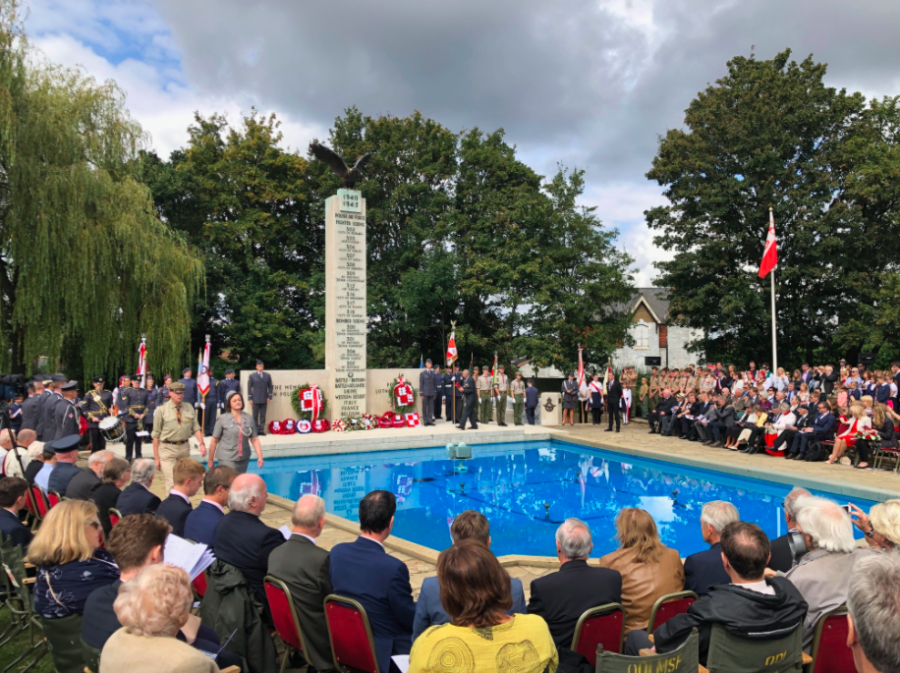
Despite all their merits, Polish airmen were mostly forgotten once WWII ended. To say that their decisive role wasn’t emphasised after 1945 would be an understatement. The sad truth is that they couldn’t count on appreciation even in their homeland, which was just taken over by Stalin. The example that best illustrates this oblivion was the 1946 victory parade, which took place in the streets of London in the absence of any Polish forces.
Image: IPN
Author: Sébastien Meuwissen