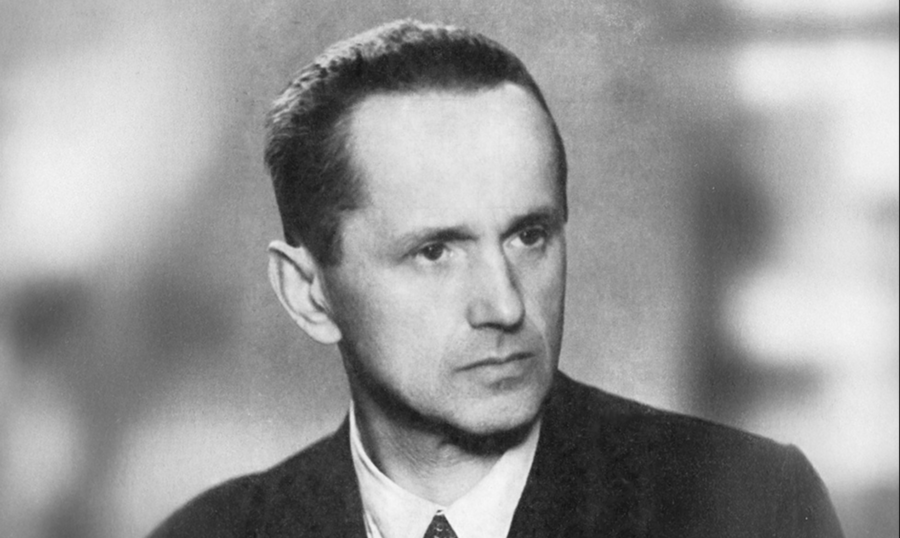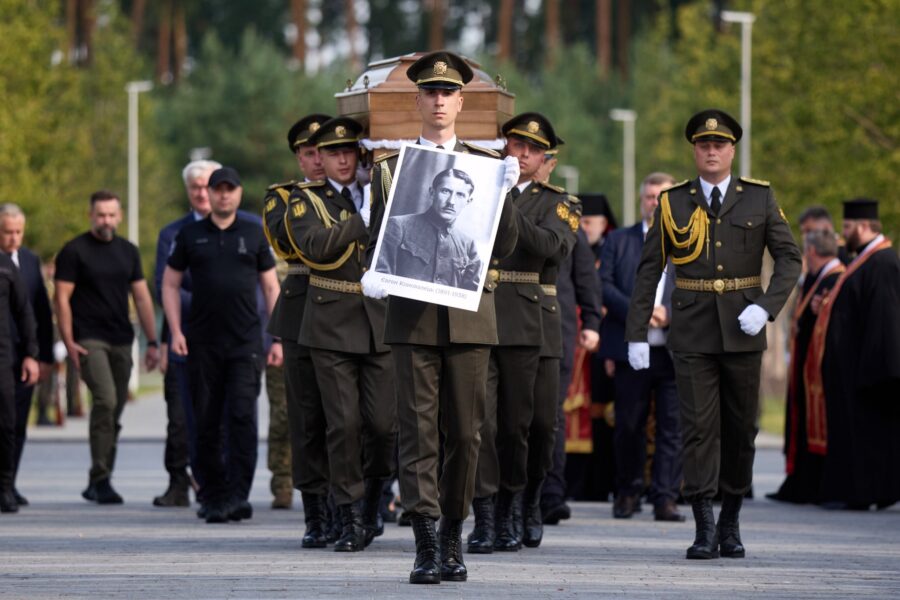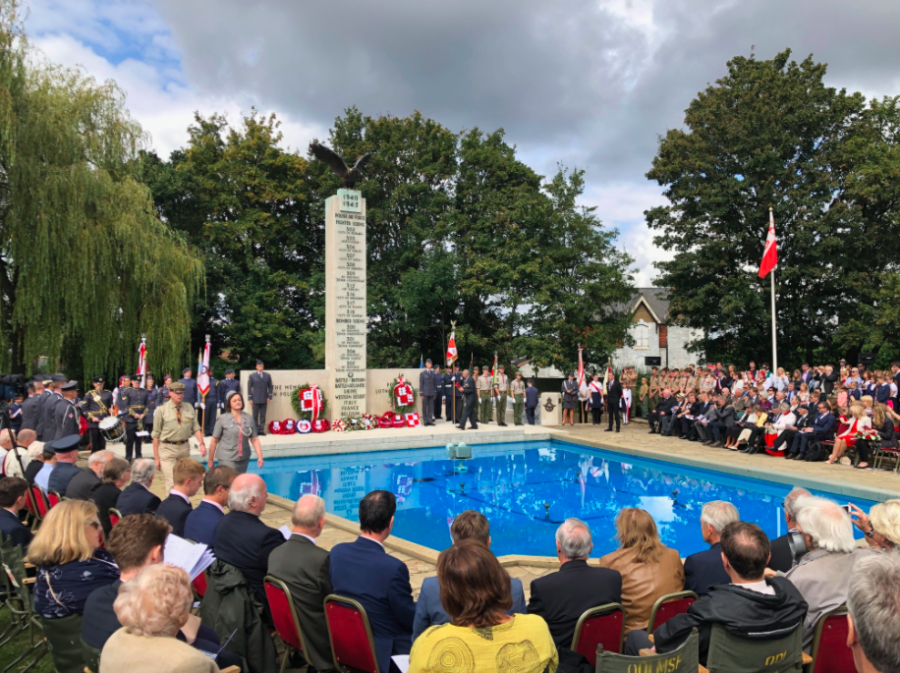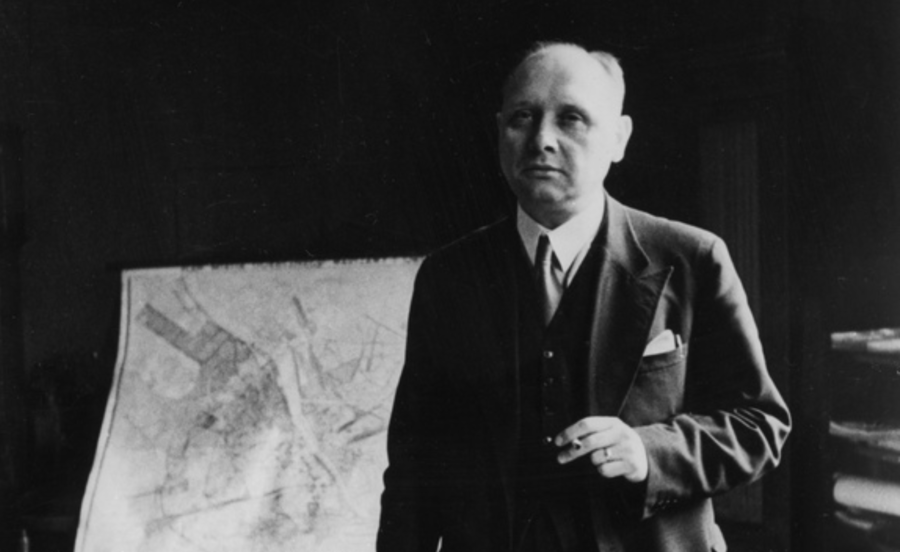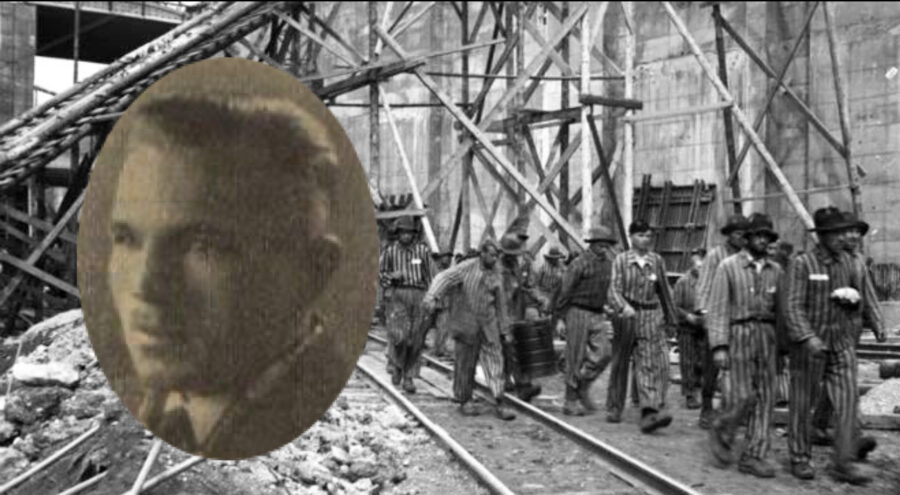
Stanisław Komaszewski, born 12 November 1906 in Nadułki near Płock, was a talented sculptor, a graduate of Warsaw’s Fine Arts Academy and associate in leading art studios of his time. Komaszewski fell victim to Nazi German extermination through labour, inside the Natzweiler-Struthof Concentration Camp, where prisoners worked under murderous conditions at a Daimler-Benz factory. He died there at the age of 38.
Komaszewski studied at the School of Fine Arts in Warsaw; under the eye of great artists and architects of his age: Tadeusz Breyer, Władysław Skoczylas and Bohdan Pniewski. He joined the Forma artistic group in his first year of studies. From 1933, he acted as a host in Tadeusz Breyer’s studio for two years. He graduated in 1935 and took part in an international art exhibition in Berlin. He also presented his works in a series of international exhibitions in Paris in 1937, Venice in 1938 and New York in 1939.
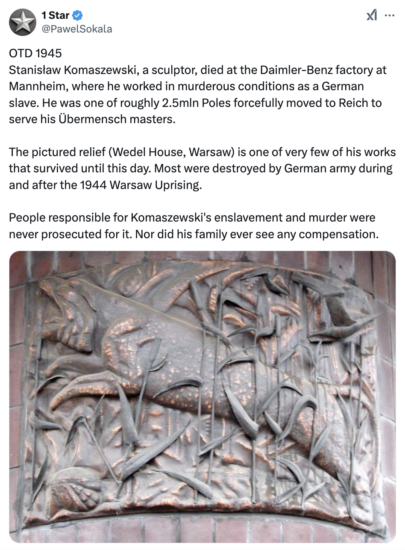
Komaszewski was a talented artist who became famous for creating sculptures of animals. He was also interested in portrait and figural sculpture. He was also the author of designs for gravestone monuments in the Old Powazki cemetery and bas-reliefs, among others, on the ‘Wedel House’ at Puławska Street in Warsaw and in the representative chambers of the building of the Ministry of Religious Denominations and Public Enlightenment.
After the start of the 2 World War, he was involved in the underground school system.
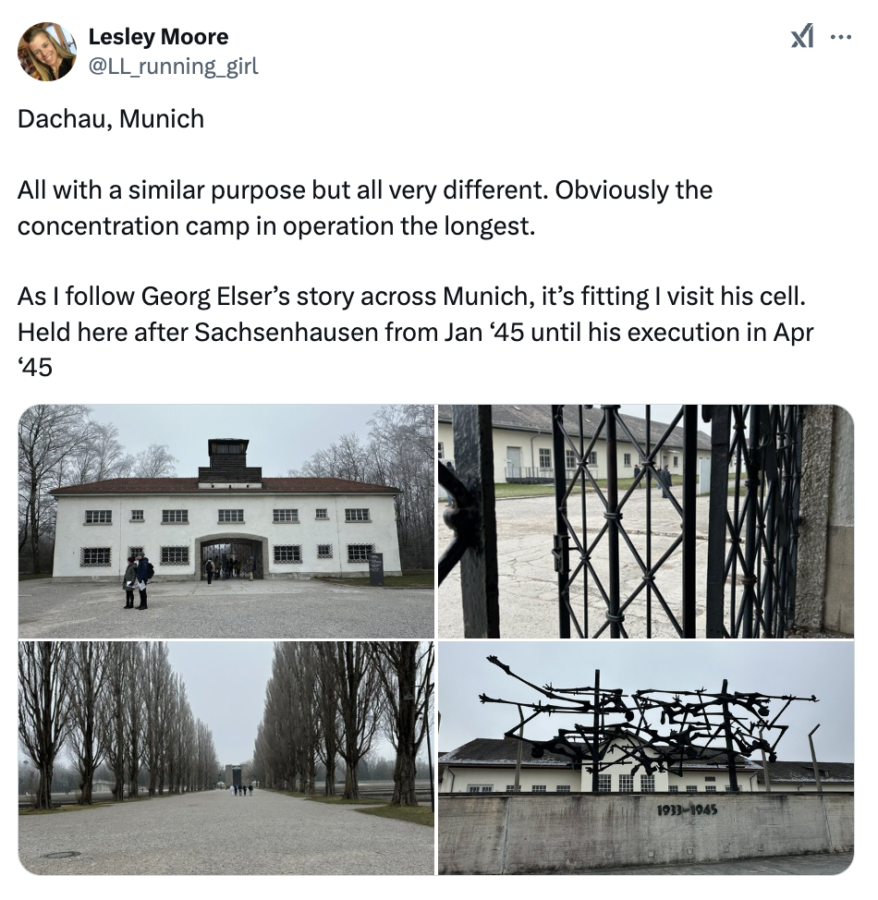
In the very first days of the Warsaw Uprising, the artist was captured and imprisoned by the Germans, and then, following selection, he was sent to the Dachau death camp in Germany.
Stanisław Komaszewski died at the Daimler-Benz factory in Mannheim, where he worked in murderous conditions as a German slave labourer. He was one of roughly 2.5 million Poles forcefully moved to the German Reich to serve as slaves in the German war industry.
The Wedel House Relief in Warsaw is one of very few of his works that survived the 1944 Warsaw Uprising and the later destruction of the city by the Germans.
Those responsible for Stanisław Komaszewski’s enslavement and death were never prosecuted. The family of the artist never received any compensation for their tragic loss.
The slave labour of more than 2,5 million Polish workers for Nazi Germany is one of the most forgotten chapters of the Second World War.
Source: @PawelSokala, Wikipedia
Photo: Wikipedia, public domain
Tomasz Modrzejewski