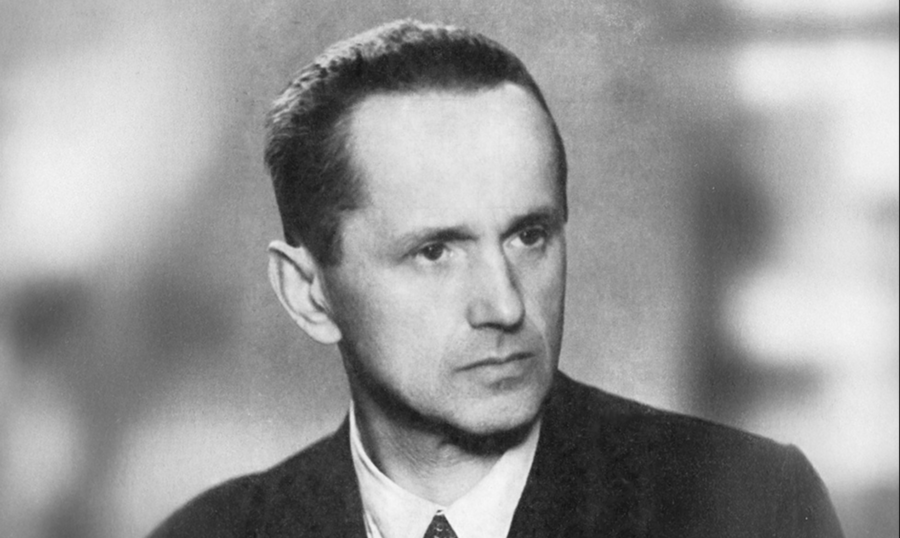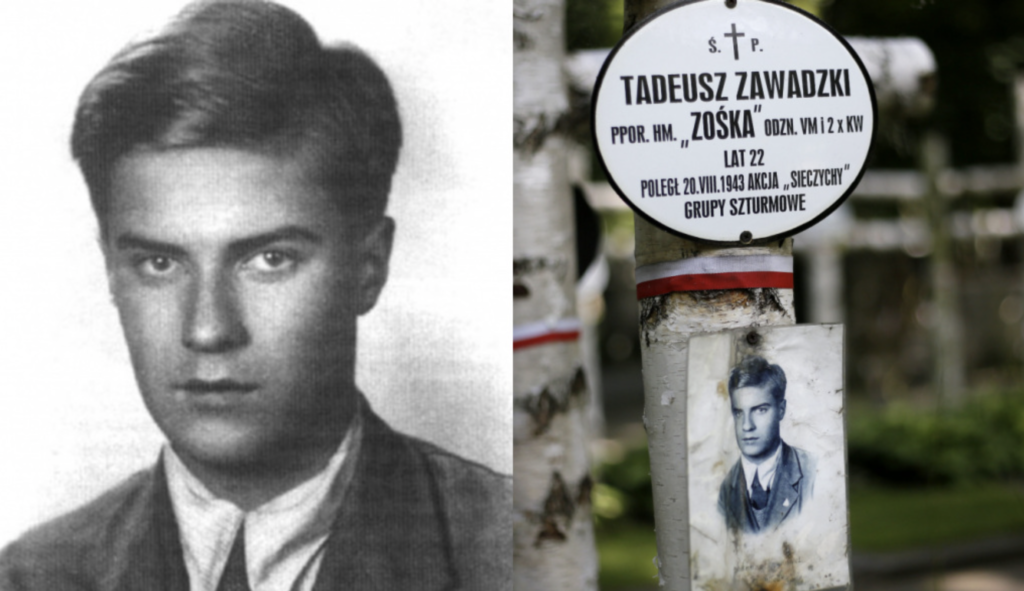
Tadeusz Zawadzki was a scout leader and a lieutenant of the Home Army. He became known as a legendary hero of Aleksander Kamiński’s book “Kamienie na Szaniec” (Stones for the Rampart). “Zośka” was decorated with the Order of Virtuti Militari 5th Class and twice with the Cross of Valour. He was born on 24 January 1921.
His father was a professor of chemistry and rector of the Warsaw University of Technology. His mother, Leona née Siemieńska, was involved in various social and educational activities.
In 1931-1939, Tadeusz was a student at the famous Stefan Batory Secondary School in Warsaw and a scout of the 23rd Warsaw Scout Troop Pomarańczarnia (‘Orangery’), where he held the post of senior scout troop leader from January to April 1939.

He had been active in the underground since October 1939, and when the 23rd Warsaw Scouting Troop scouts organised a military unit he became its leader.
Zawadzki became famous for painting the largest number of “anchors” of the Fighting Poland (the symbols of the Polish anti-German resistance movement) in the Mokotów district.
But his most important achievement was the famous “Action at the Arsenal”. ‘Zośka’ planned the military action, aimed at rescuing his arrested friend “Rudy” (Jan Bytnar) and when the fight became excessively protracted, he tipped the scales of victory in favour of the underground soldiers with a daring attack on the defending Germans.
At the same time, in December 1939 and January 1940, he participated in actions of small sabotage of the secret organisation called the Polish People’s Independence Action. From January to July 1940, he was a liaison officer in the ZWZ unit.
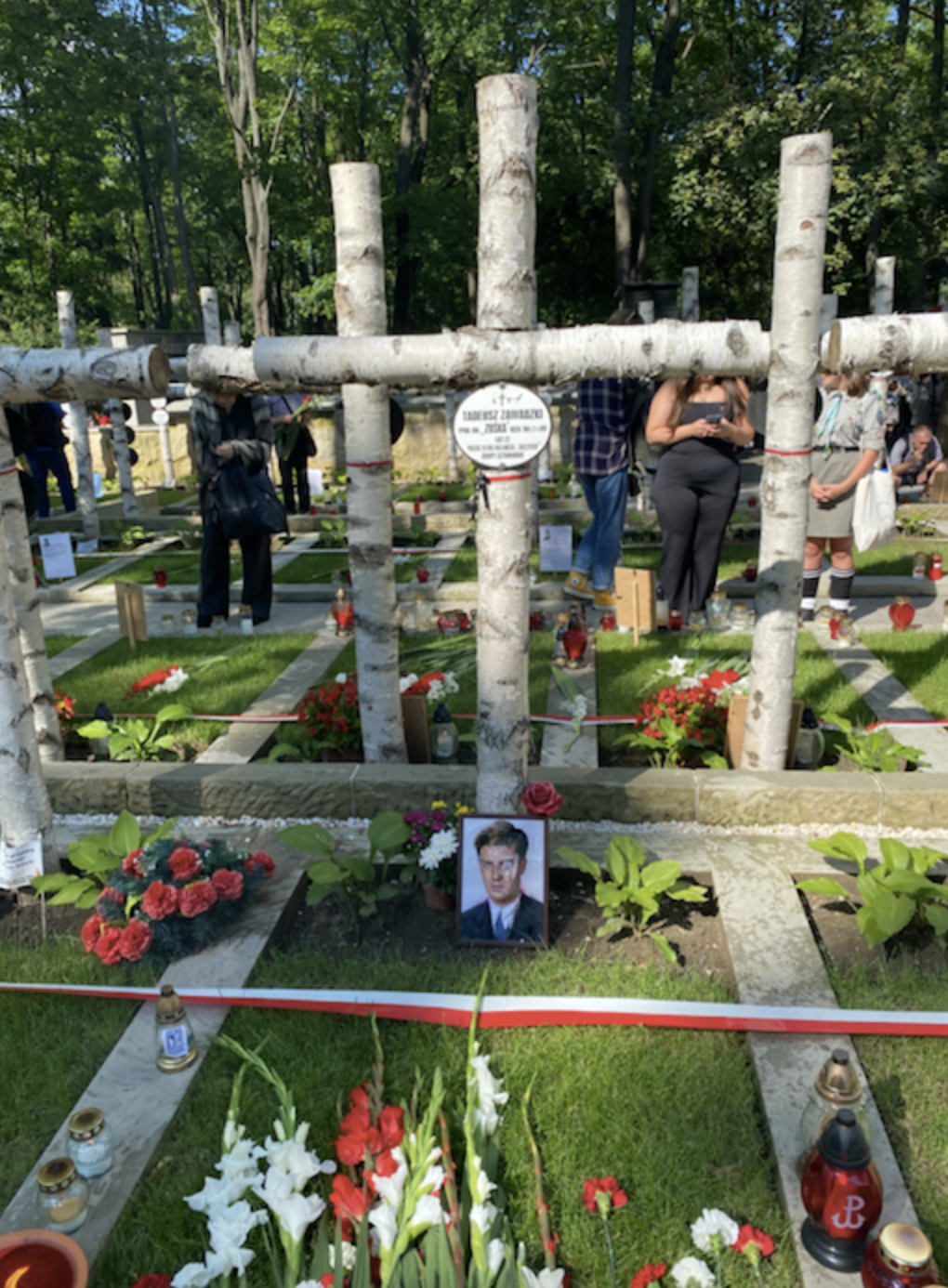
He died during an attack on a Grenzschutzpolizei guard post in Sieczychce near Wyszków on the night of 20-21 August 1943.
From the memoirs of Stanislaw Nowakowski a.k.a. ‘Murarz’:
‘We made a quick roll call. Under a tree ‘Zośka’ was lying covered with a blanket. His face was uncovered and he looked as if he was sleeping, he had a smile on his face. I did not look at my colleagues, but when we were told that he had left us, that he had died, I cried. Me a simple man, an old soldier.”
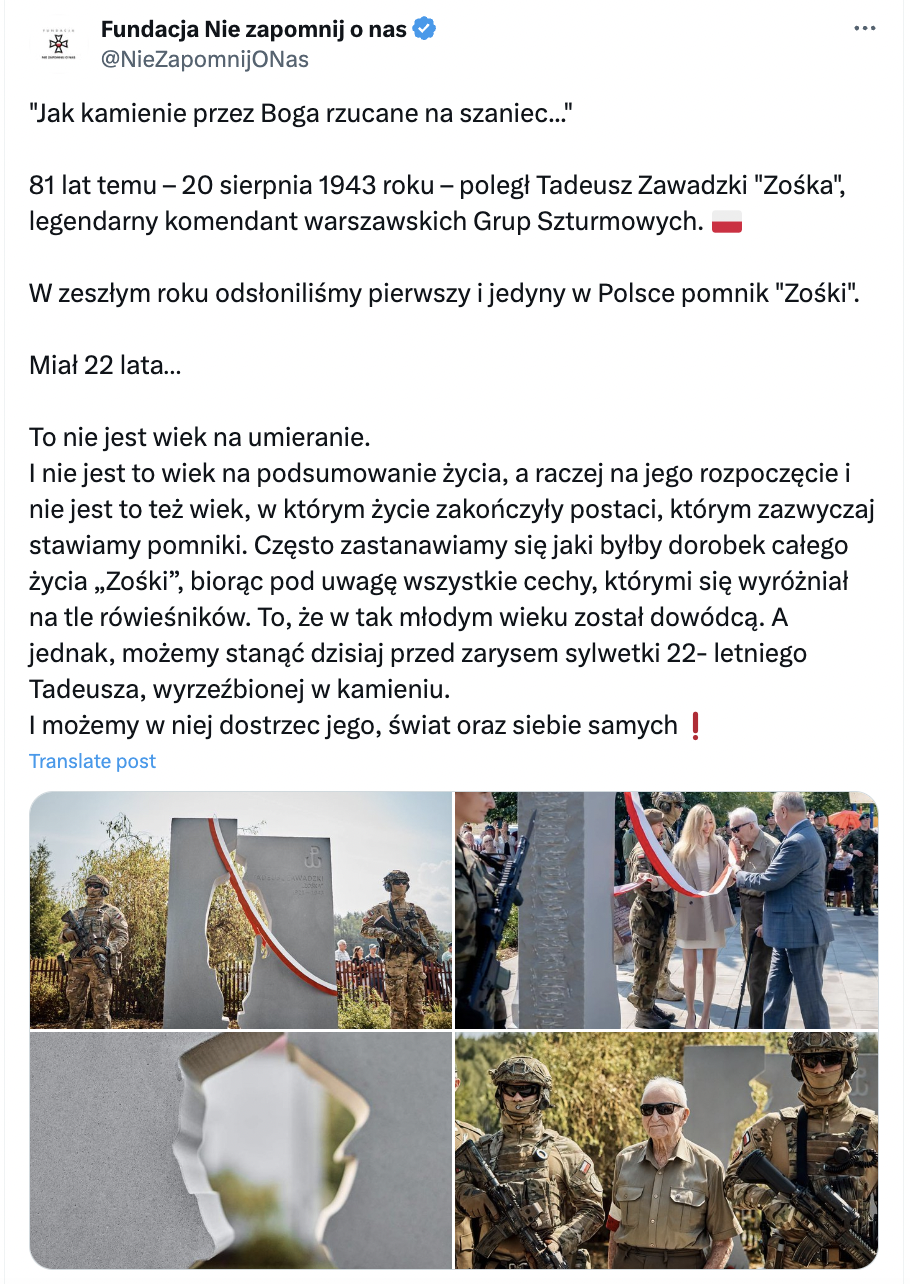
A special monument dedicated to Tadeusz Zawadzki’s last battle was unveiled in Sieczychce on the 80th anniversary of his death.
Source: IPN, Polonijna Agencja Informacyjna, British Poles
Tomasz Modrzejewski