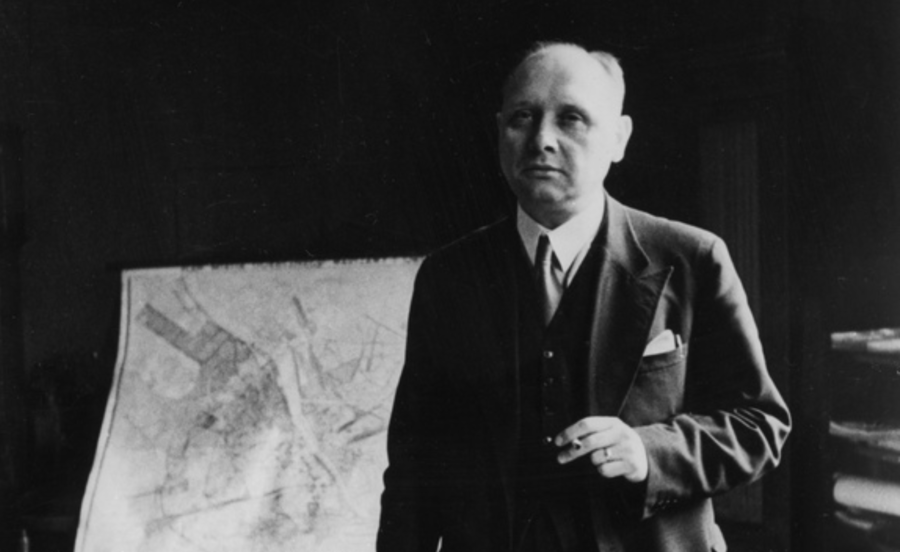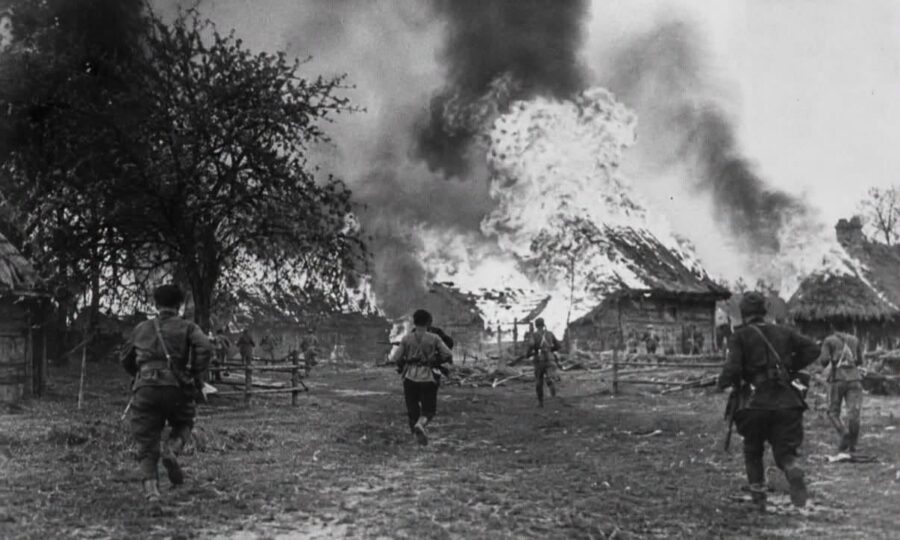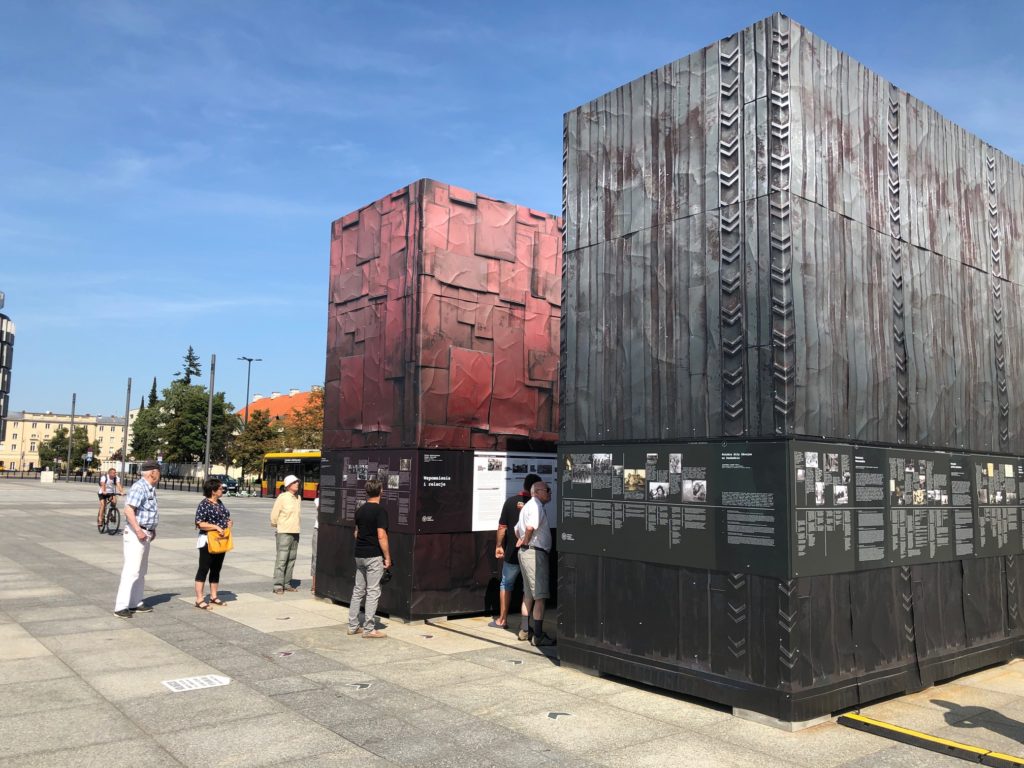
The exhibition organised by the Institute of National Remembrance, Walls of Totalitarianism, was opened at Pilsudski Square in Warsaw on August 23rd. There is no better moment for opening ceremony, for, in the first three weeks of September 1939, Poland was attacked by two neighbouring states, Germany and the Soviet Union.
This well-prepared invasion followed the treacherous and secret pact signed by Ribbentrop and Molotov on 23rd of August 1939 in which two totalitarian regimes decided world war 2 outbreak, the fourth division of Poland and disappearance of Polish state from the map of Europe. The additional top-secret pact’s protocol contained four points, of which the fourth one concerned the future of Poland: “in case of territorial and political transformations in areas belonging to the Polish State, the border of the zones of interest for Germany and the USSR will run approximately along the rivers of Narew, Vistula and San. The question of whether it would be desirable and in mutual interest to maintain the independent Polish State and what the borders of that state would be can only be finally clarified in the course of further political events. In any case, both governments will settle this issue through a friendly agreement”.
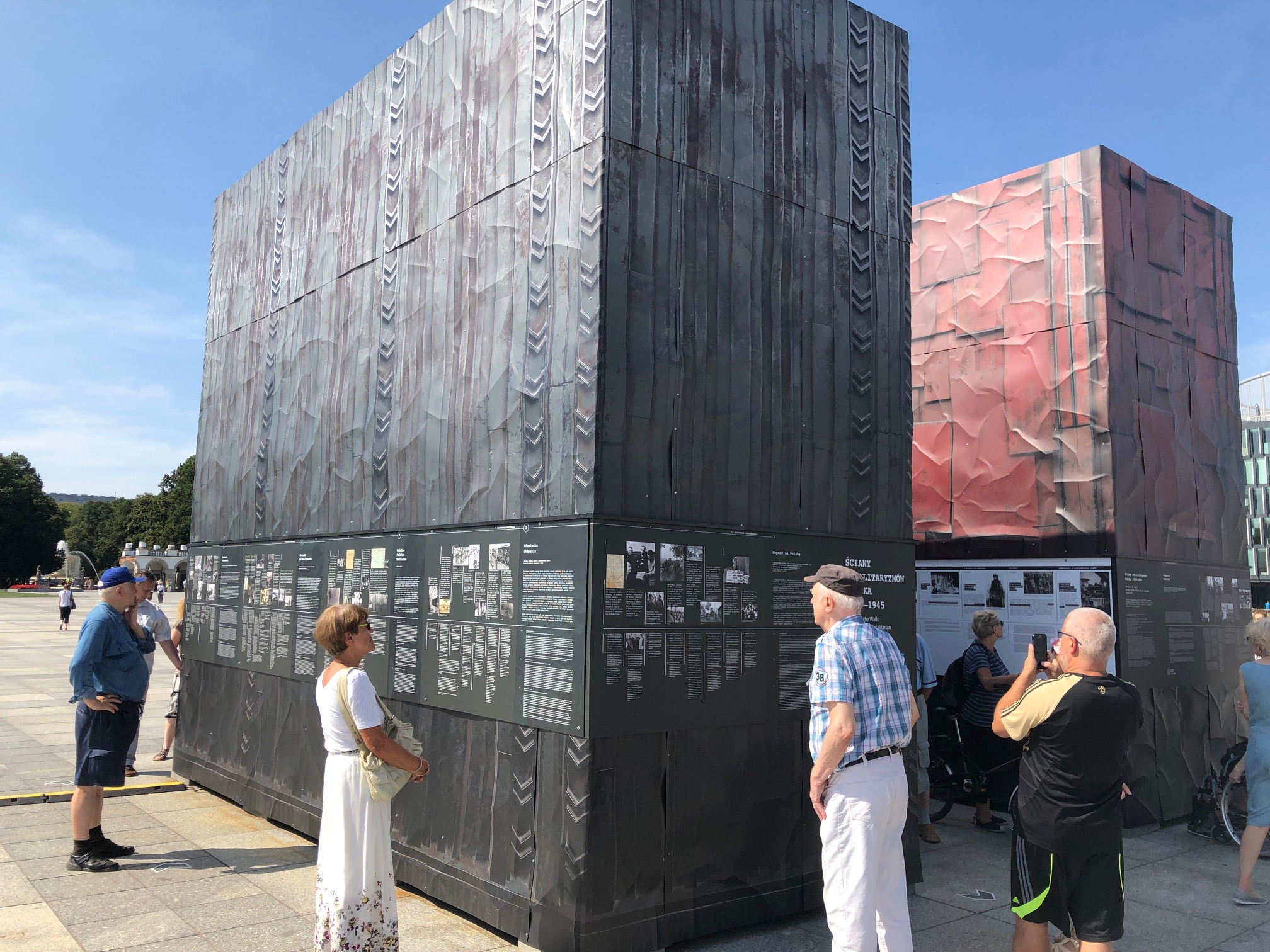
The exhibition design is unusual, for the story is presented on two massive walls, all inspired by the movie „Invincible”, originally made and produced by the Institute of National Remembrance. The exhibition presents Poland’s WW2 history in a nutshell and stories of many Poles during years of German and Soviet occupation.
Two walls symbolise two totalitarianism, the Third Reich and Soviet Russia and drama of polish families fighting for freedom. Installation is story-rich, illustrated by lot of photographs and most of all, presents memories of survivors. On the ‘German’ wall, for example, are included concentration camps description (Witold Pilecki report), examples of resistance and heroism of terrorised population, the stories of Home Army, the Warsaw and Ghetto uprisings (Karski report).

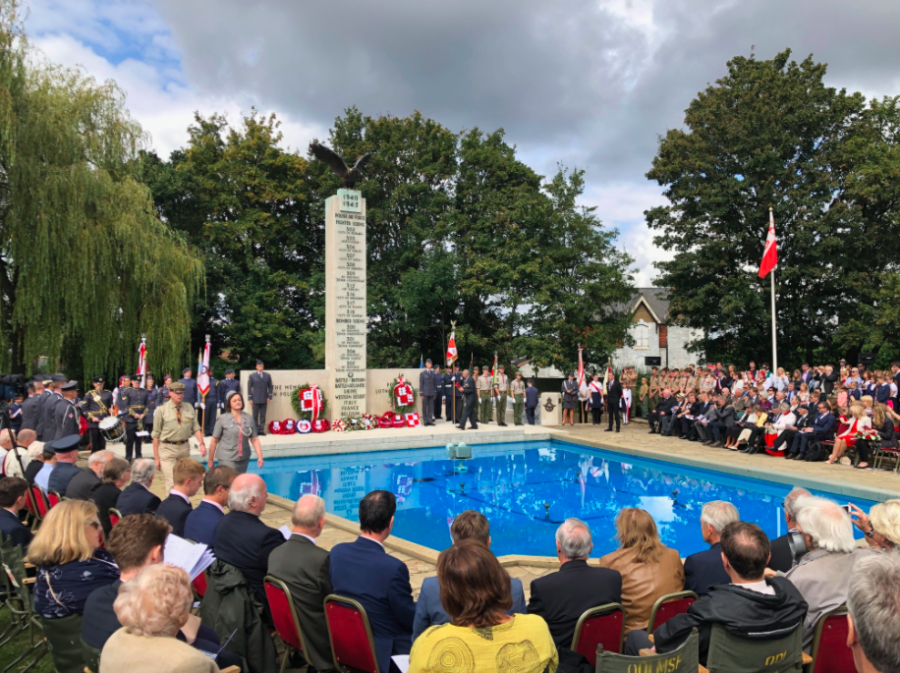
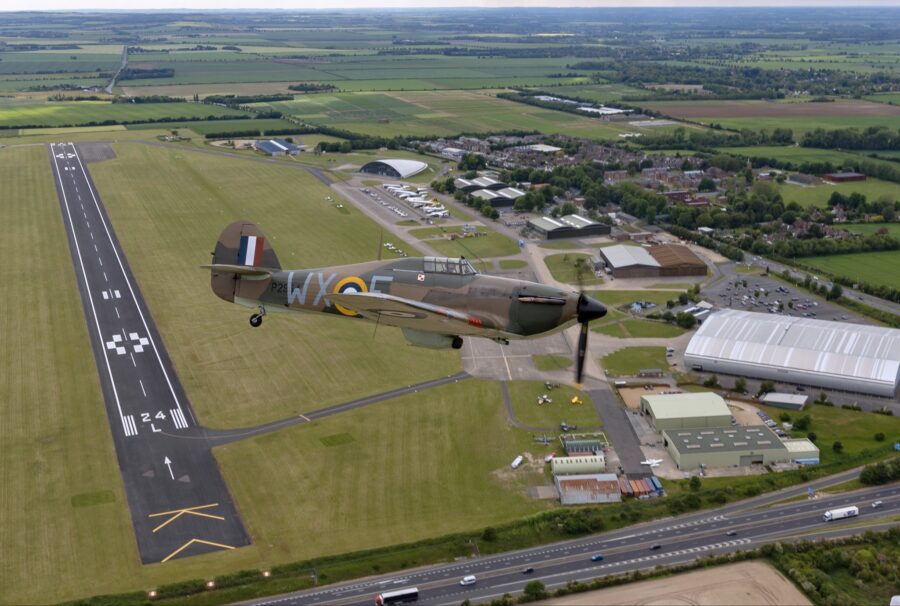
A large part of the exhibition is devoted to the Polish forces participation in many allies battles including Battle of Britain and Battle of Monte Casino. The „Soviet” wall tells the story of Siberia, Katyn, Anders Army and finally, Yalta betrayal.
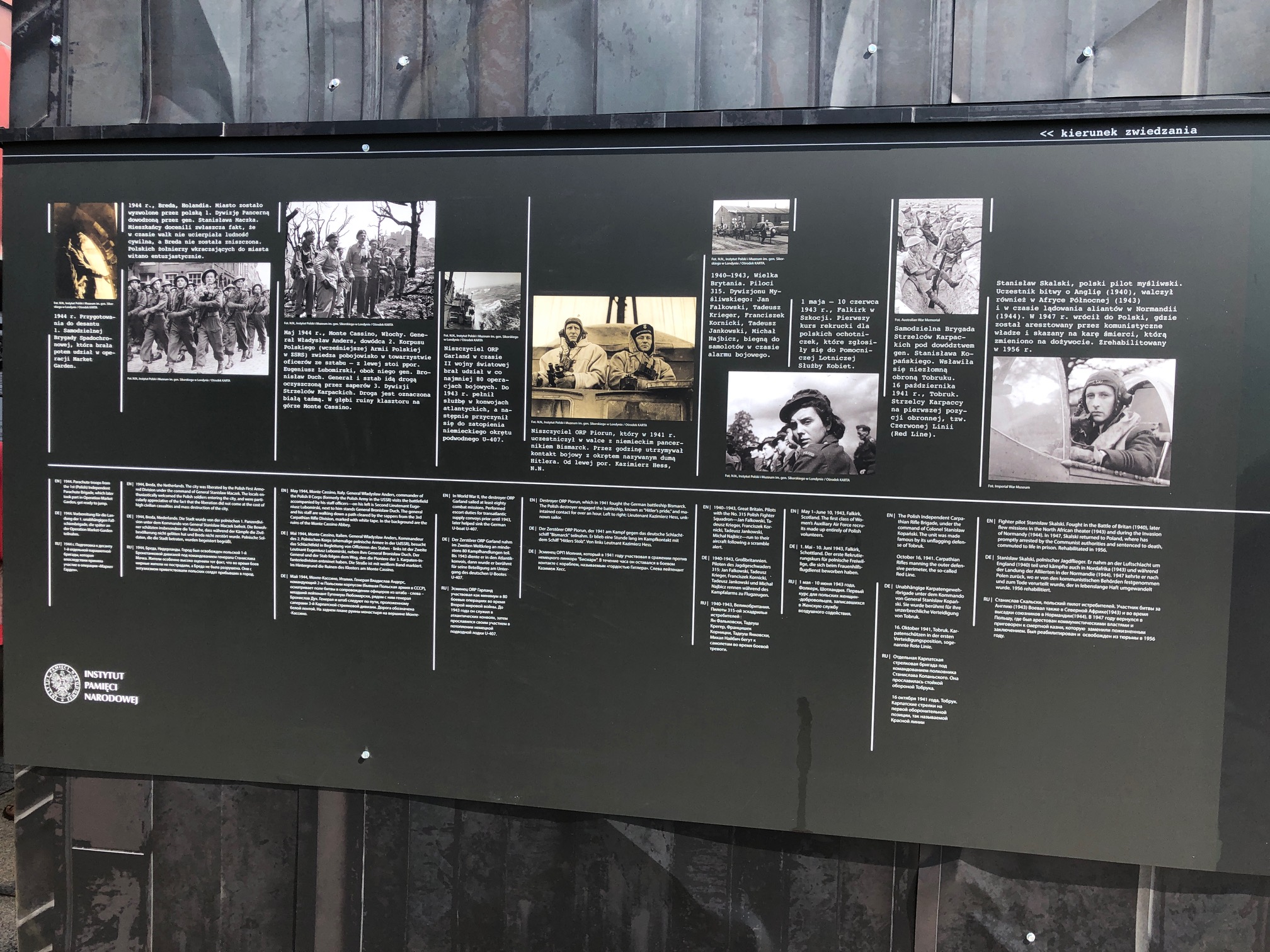
Each photo description and individual memories are told in four languages, Polish, English, Russian and German. The exhibition has an excellent location and draws a lot of tourist’s attention. It’s a unique opportunity for foreigners to learn more about dramatic and heroic past of our country and what its citizens had to endure during years of WW2. The exhibition shows our experiences and helps to understand and appreciate this part of world history told from the Polish perspective. The exhibition is open until 30th September.
If you are planning to visit Warsaw in September, do not miss this exhibition, because we owe remembrance to all those who gave life for Poland’s freedom, emphasised dr Jaroslaw Szarek, IPN director, during exhibition opening ceremony.
The exhibition is open until 30th September.
Text: Nel Badowska
Photos taken by: BritishPoles
Translation: Jolanta Pitera