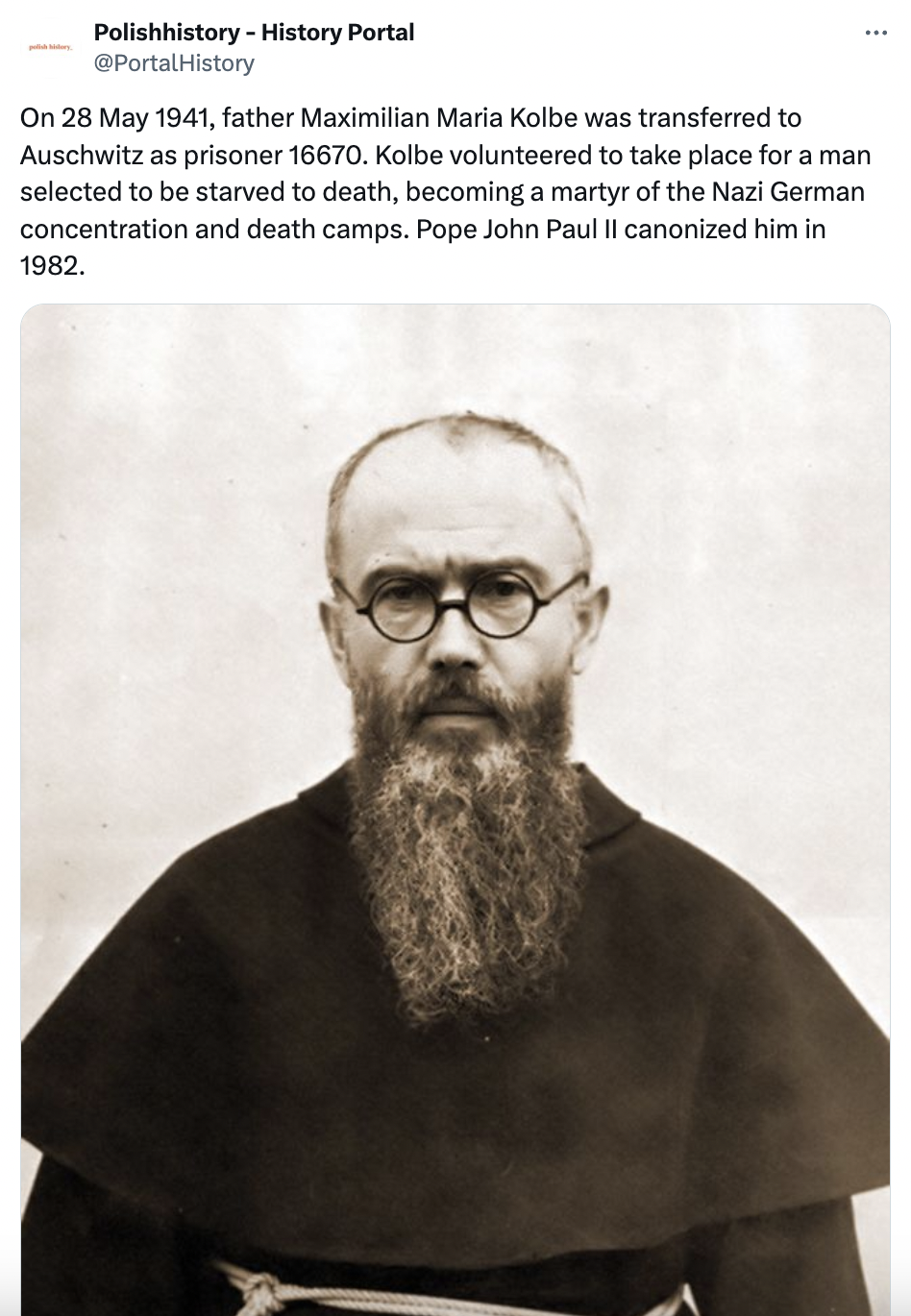
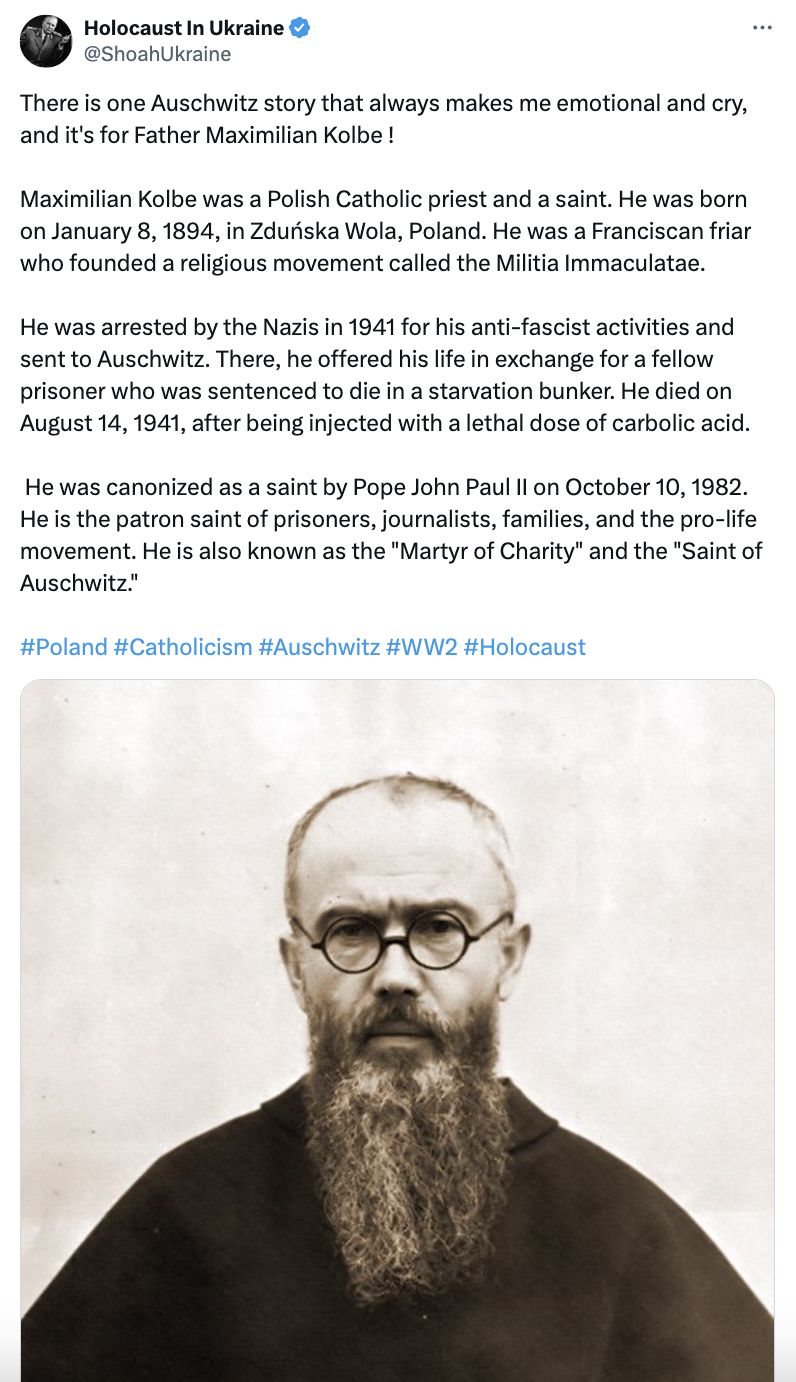
The figure of Saint Father Maksymilian Kolbe, a Polish clergyman who lost his life in the German-Nazi death camp in Auschwitz, sacrificing it to a fellow prisoner Franciszek Gajowniczek, was once again widely discussed across Poland. The new directors of the WW2 Museum in Gdańsk decided to remove his picture and story from the permanent exhibition. Some explain the decision with Father Kolbe’s alleged antisemitism. So is there any truth in that allegation?
The criticism of Father Kolbe concentrates on the pre-war period and the newspaper he edited called “Rycerze Niepokalanej”. In the newspaper, some contributors criticised the predominant position of Jewish-owned businesses in the Polish economy as well as an above-average representation of Jews in the independent professions. The phenomena was widely discussed in many other, non-religious media of that historical period.
In one of his editorials Father Kolbe wrote: “However, let us never forget that our primary goal is always the conversion and sanctification of souls, that is, winning them [i.e. Jews] for the Immaculate, love for all souls.”
This tendency, predominant in the media of the 1930s, was described by Janusz Rudziński in his work “Historic Dictionary of Polish Journalists”:
“Kolbe’s attitude towards Jews did not contain any racial prejudices, it was characterised by anti-Judaism, not anti-Semitism,” Rudziński explains, stating that the key difference between Kolbe and Jewish circles in Poland was religious, and cannot be compared with the antisemitic, racist ideology of the German 3rd Reich.
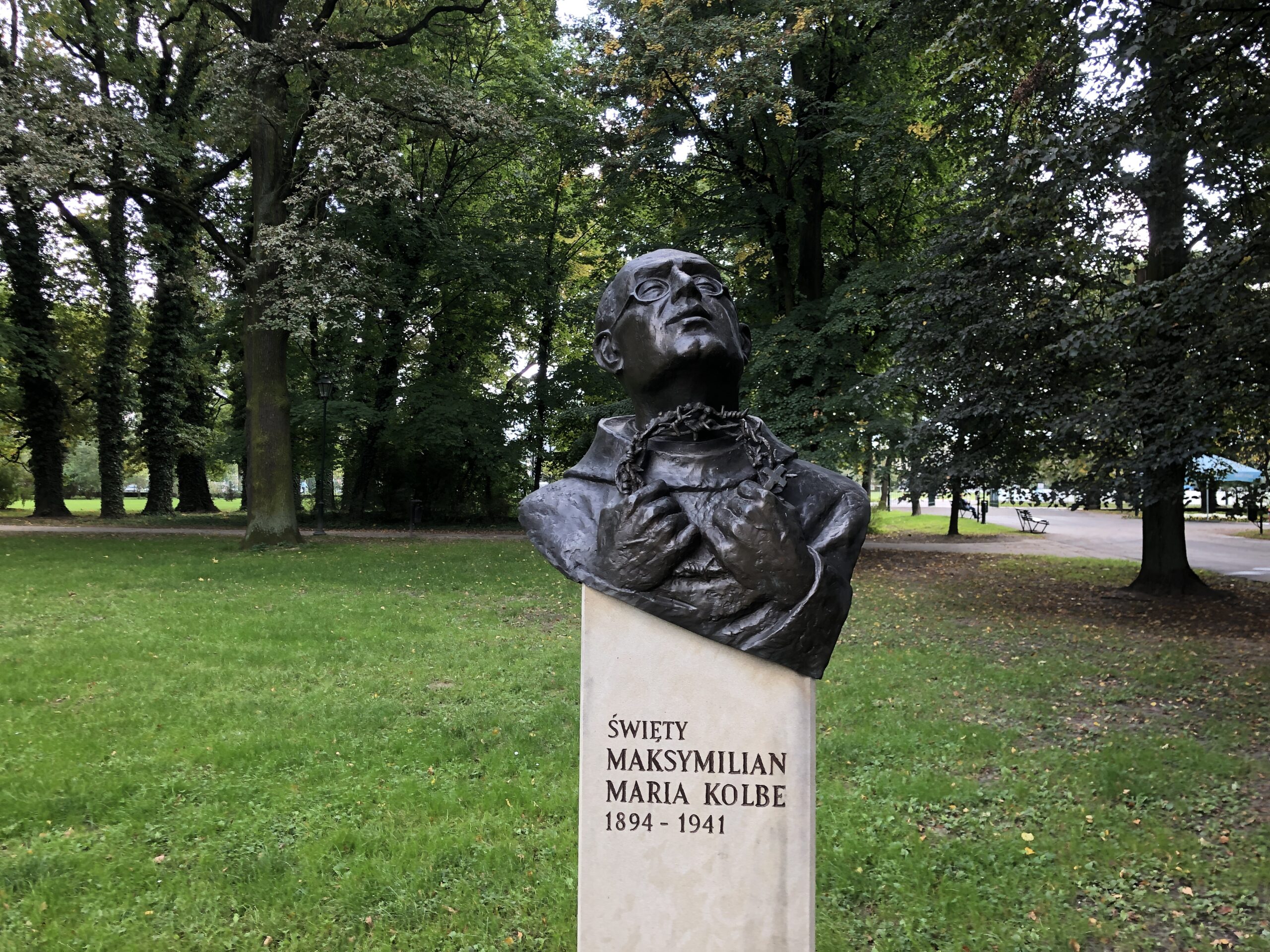
It should also be noted that Father Kolbe, while not being the editor-in-chief during his mission in Japan, tried to eliminate any extremist authors who wanted to use Catholic media for their propaganda by strongly opposing any such publications in his newspapers.
The most important argument against the claim Father Kolbe could be considered an antisemite is his conduct during the German occupation of Poland and his time in Auschwitz.
Jewish testimony
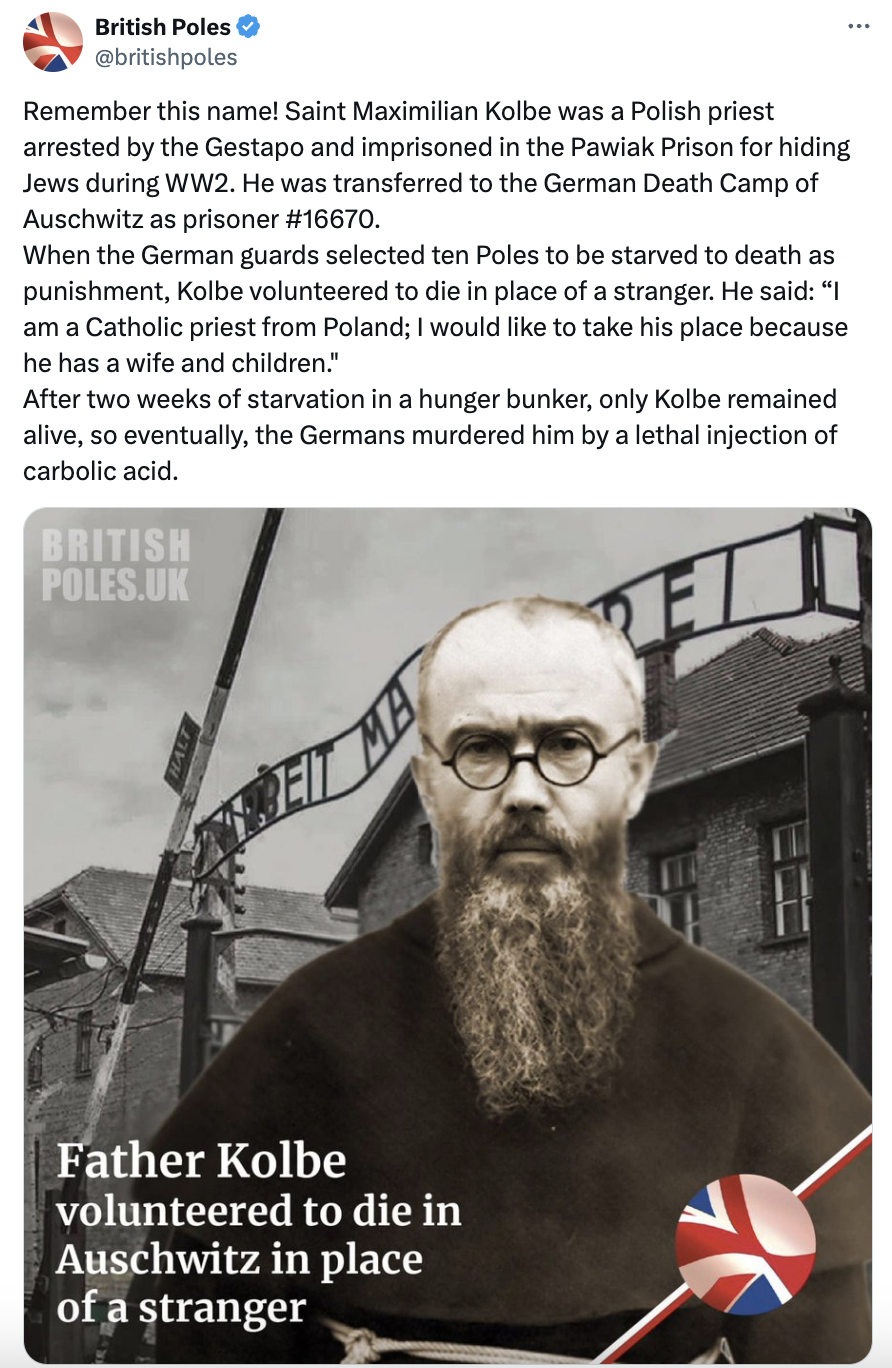
Father Kolbe was known to support other prisoners of the death camp in Auschwitz with his words of hope and prayer. One of those prisoners, Sigmund Gorson, recalled in his memories that he never felt any hostile sentiment from Father Kolbe:
“I was always looking for someone who had some connection with my murdered parents, some friend of my father’s, some neighbour or anyone in the whole crowd of people who knew them. It’s so I don’t feel lonely. […] Kolbe met me and talked to me. He was like an angel to me, and like a mother taking her nestlings under her wings, he took me in his arms. He always wiped away my tears. From that moment on, I believed in God much more because since my parents died, I kept asking myself, „Where is God?” And I lost my faith. Kolbe gave it back to me! He knew I was a Jew, but that made no difference. His heart made no distinction between people and it did not matter to him whether they were Jews, Catholics or any other religion: he loved everyone and gave love, nothing else but love […],” Sigmund Gorson recalled.
Niepokalanów monastery – a shelter for Polish Jews
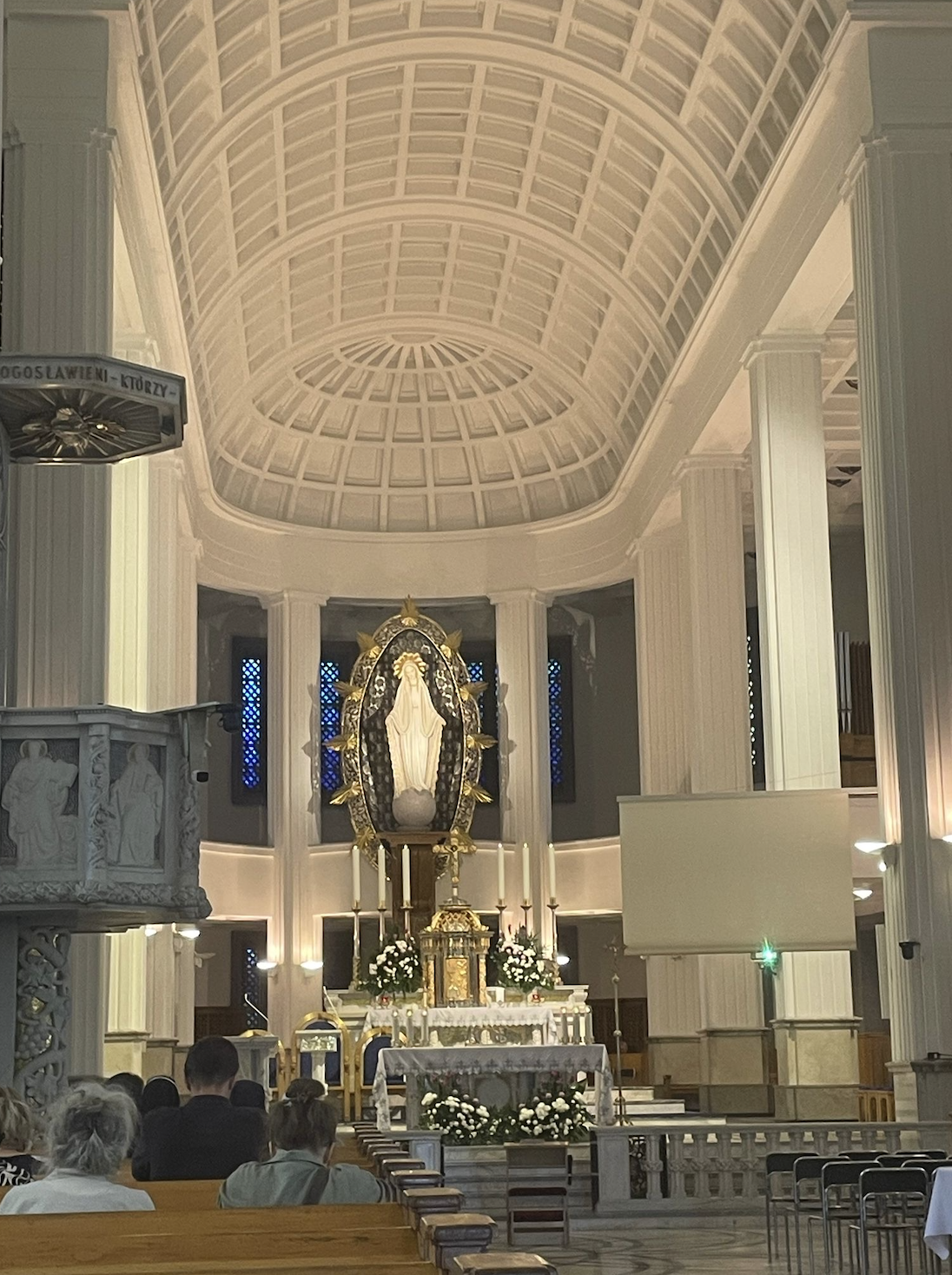
The cases of aid for persecuted Jews are presented on the Niepokalanów Monastery (a Catholic convent founded by Father Kolbe) website, describing the fate of Jewish families that survived thanks to Father Kolbe and his brothers:
„It was at the end of July 1941 – recalls Fr. Iwo Achtelik. – Brother Hieronim Wierzba saved a Jew from being shot by the Gestapo, who was then brought to Niepokalanów in a wagon. Exhausted by hunger, he was in a state of agony, barely able to say a word. After bathing him and putting him in clean clothes, I waited on him and fed him with his brothers, Hieronim and Tymoteusz said a Jew named Wiesenthal came to our gate and asked me to present his request to Father Maksymilian. He wanted to be allowed to live with his wife, a Pole, in Niepokalanów and thus hide from the Germans. I presented the matter to Father Maksymilian. The father agreed, and ordered everything to be prepared. The Wiesenthals lived in Niepokalanów for eleven months. On October 14, 1941, the Gestapo arrived and arrested 7 brothers and Wiesenthal, and took them all to prison in Warsaw. After some time, we received a message from Wiesenthal that he was in prison in Łowicz and asked to send him food. Br. Longin Chalciński delivered parcels to him every month.”
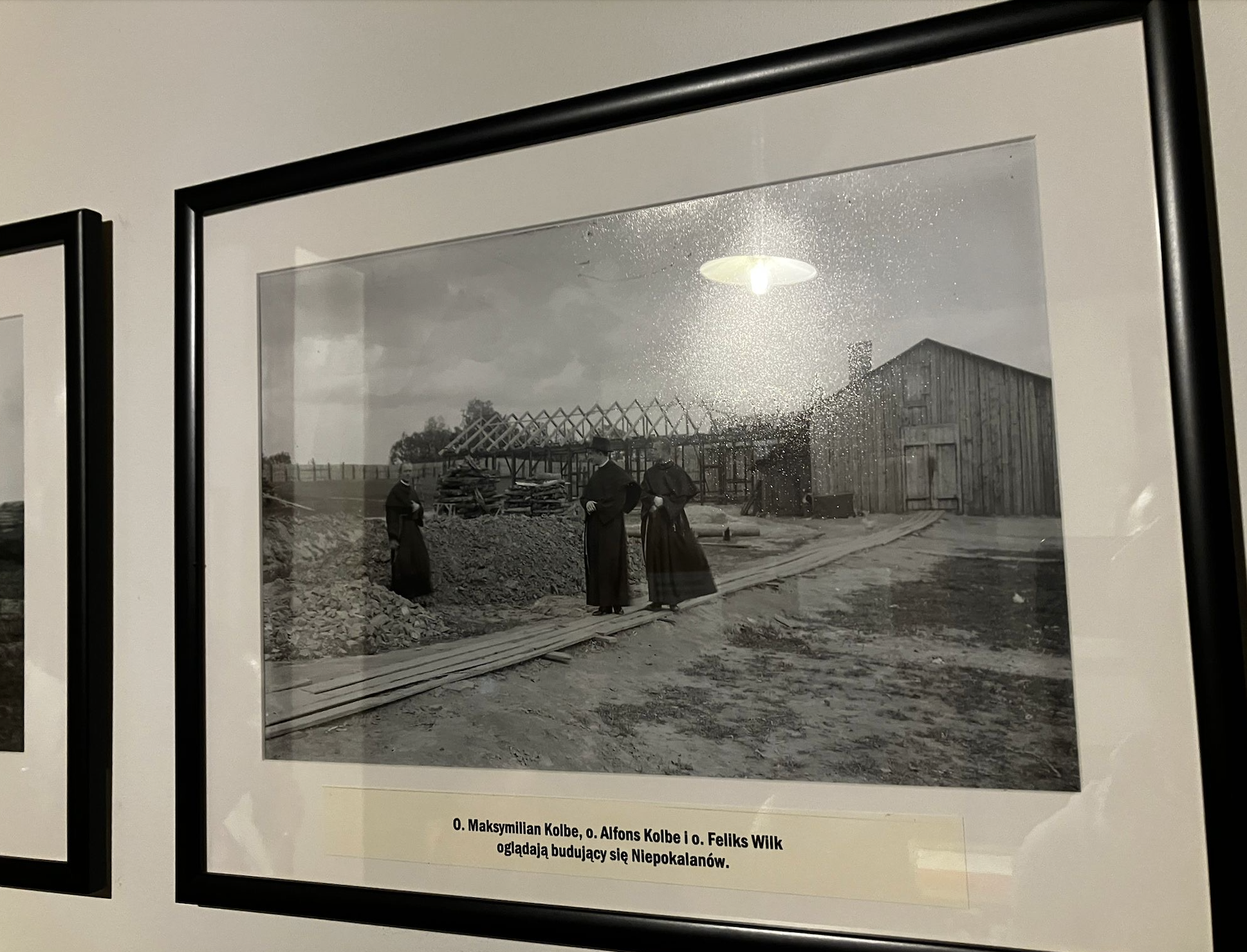
The help also was provided for the Jews just after the start of the German terror in Poland:
“On December 12, 1939, approximately 1,500 Jews, refugees from the western regions of Poland, mainly from the Poznań Province, settled in Niepokalanów. The monastery provided them with food. In addition, sick Jews received special portions depending on the type of their physical ailments. They also received enough fuel to heat their apartments. In addition, each station was equipped with electric stoves, with which individual families prepared additional meals,” those residing in the Monastery recalled.
Father Kolbe was a man of his era, functioning in the specific social context of multi-ethnic Poland, Europe, and over time the world, as well as in the specific language of the media (present in media around the World at that time) that functioned before the Holocaust.
Considering all the given facts it is clear that a closer analysis of Father Kolbe’s words must take into account the context and a much different sensitivity in religious press of the period. And even despite that context, Father Kolbe’s martyrdom gives the final proof of unconditional love of all humankind and absolute obedience to the Catholic teachings which are contrary to any form of hatred, with no distinction for its reason.
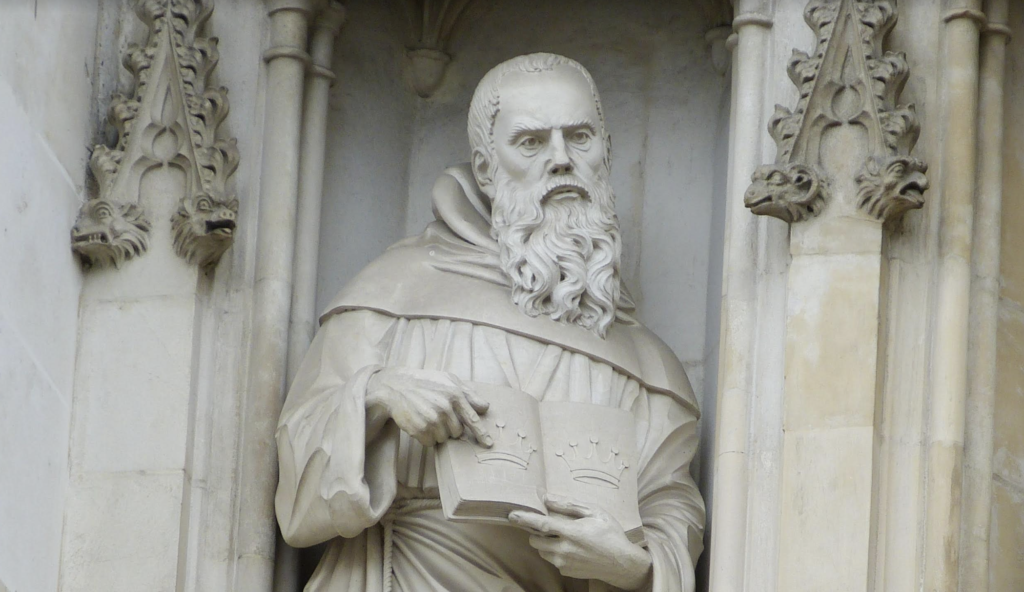
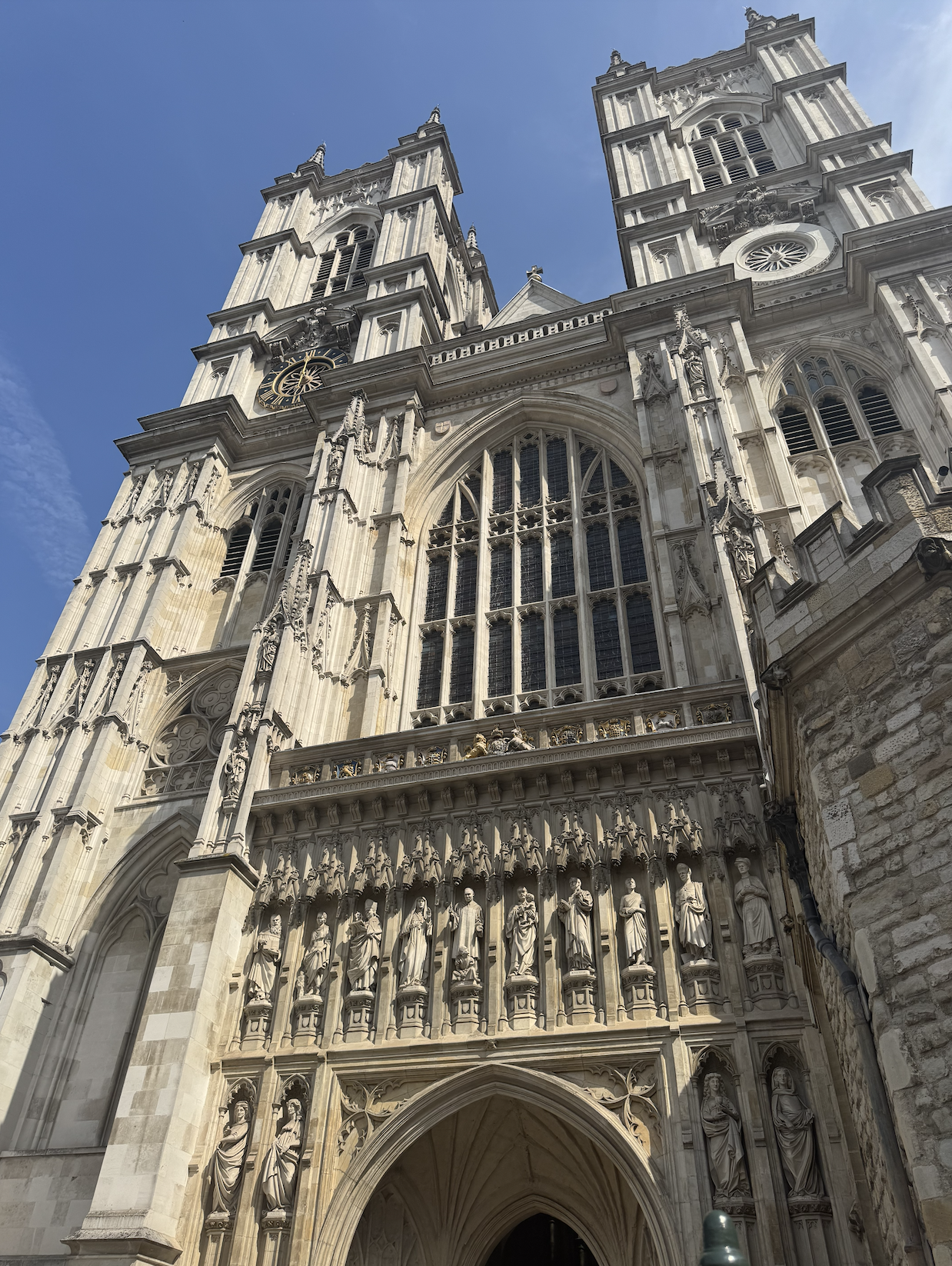
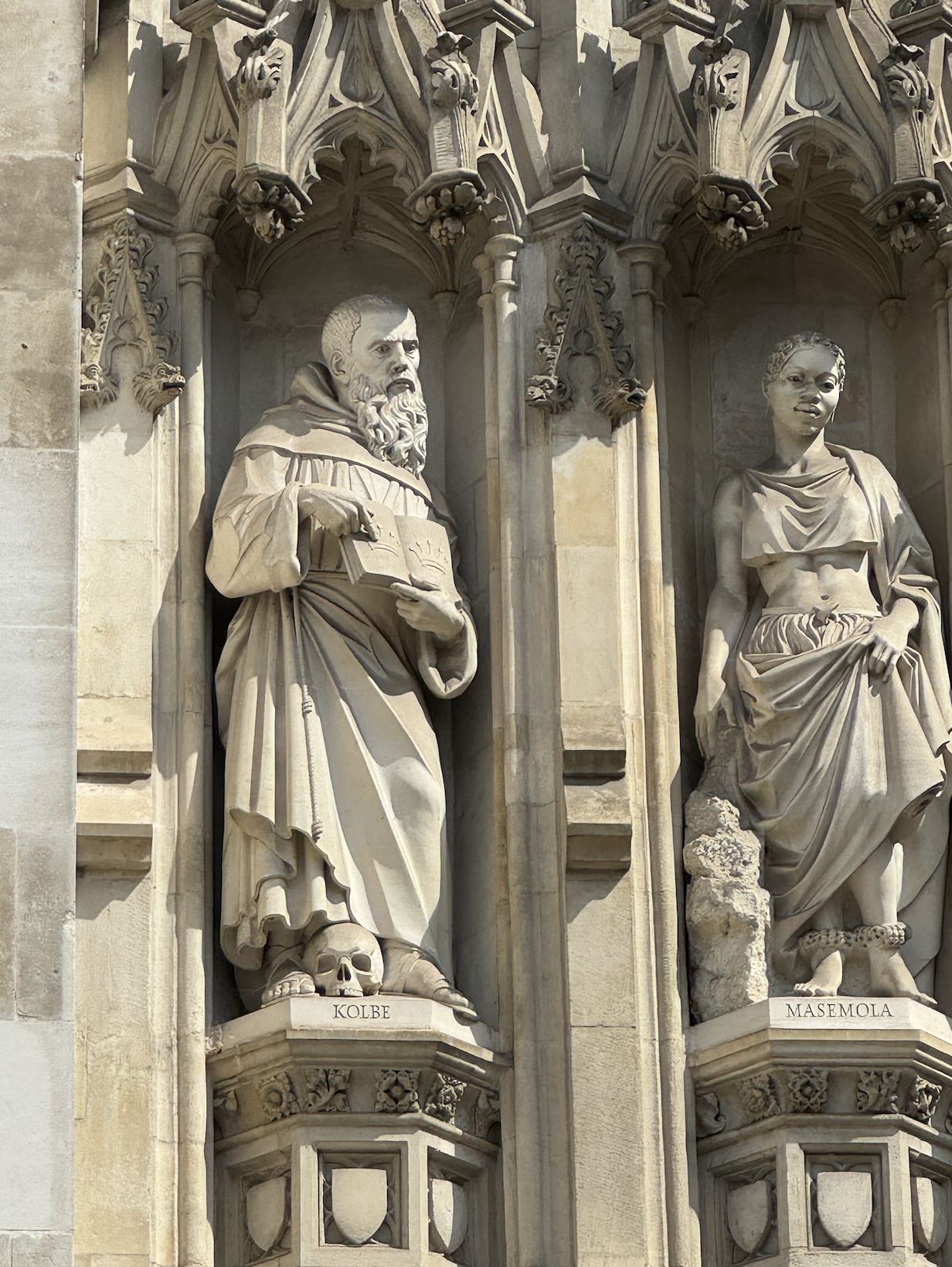
Cover photo: Statue of St Maximilian Kolbe at the Westminster Abbey. He is one of the Ten Modern Martyrs commemorated in statues above Westminster Abbey’s west entrance and unveiled in July 1998
Photo: falco/Pixabay/British Poles/ IPN
Tomasz Modrzejewski