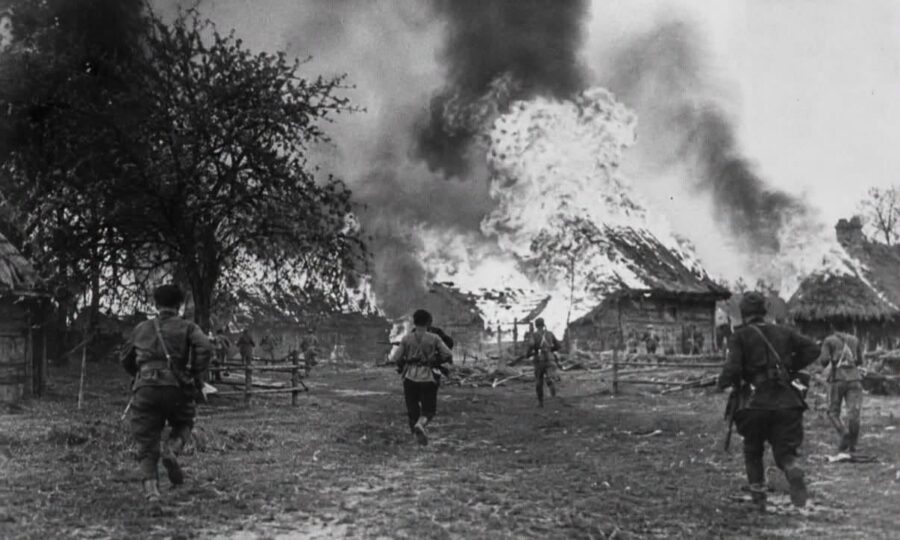
Do you know how many Jews survived Holocaust in German-occupied Poland thanks to Polish people? Irena Sendler was one of them and one of the main Polish heroes during the II World War. This remarkable Catholic woman defied the German regime, and saved over 2,500 Jewish children by smuggling them out of the Warsaw Ghetto.
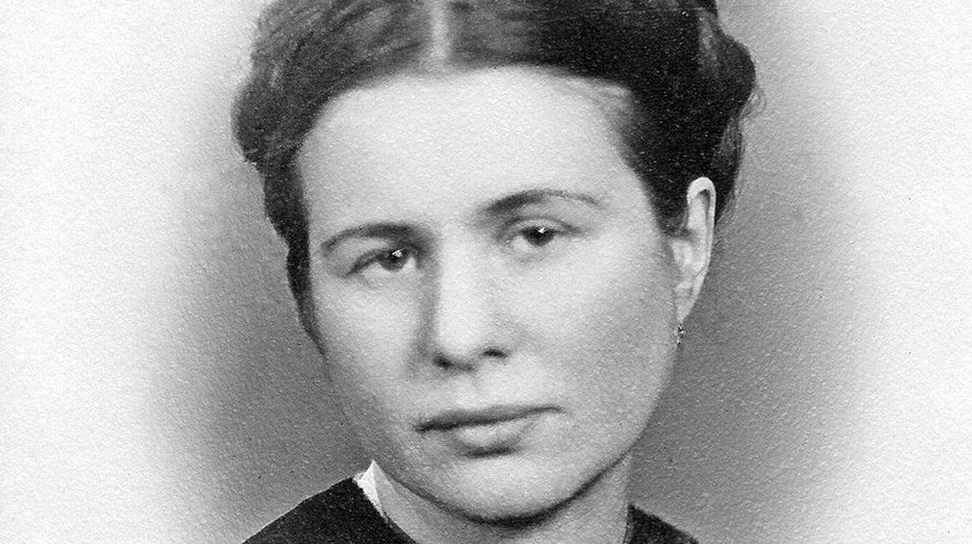
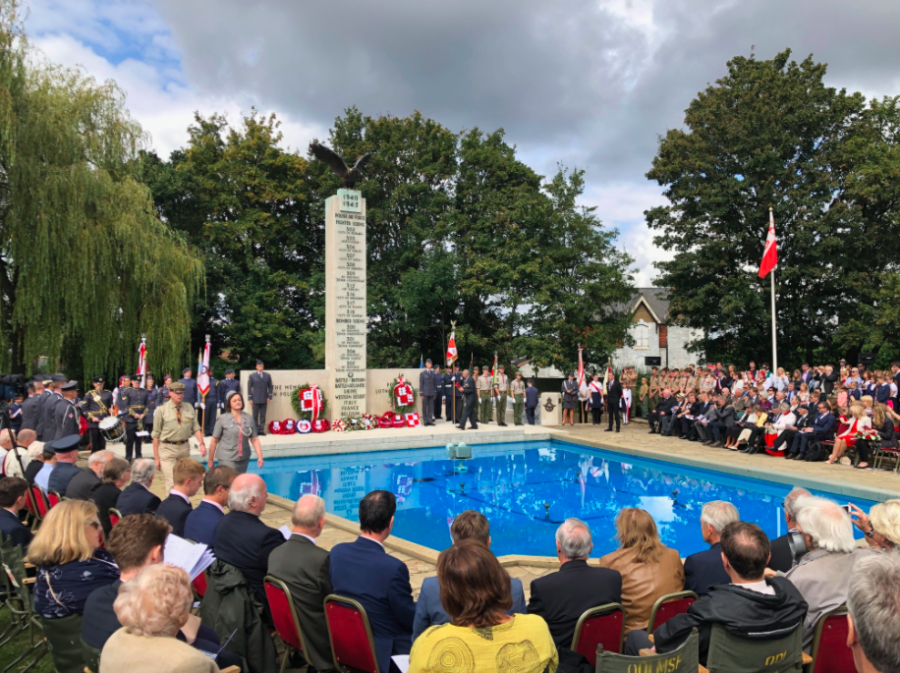
Yesterday’s unveiling ceremony of the Righteous Among the Nations Irena Sendler statue took place at Fountain Gardens in Newark, Nottinghamshire. The sculpture has been made by Andrew Lilley who said at the unveiling: „I really tried to replicate the stress she would have been under.”
The statue was financed by the Institute of National Remembrance (IPN).
Irena Sendler and her associates saved several hundreds of Jewish children from the Warsaw Ghetto, effectively saving them from death in the Holocaust. The statue was unveiled by the Polish ambassador Arkady Rzegocki and Air Chief Marshal Sir Andrew Douglas Pulford. Town mayor Lisa Geary said: „Newark is honoured to be able to provide a location for this statue which will be a fitting tribute to the life of Irena Sendler”.
Newark has many connections to Poland and plays home to many Polish war graves. The Newark Cemetery includes a special section for the burials of 397 Polish soldiers that served in World War II, (mainly in the air force). There were 14 Polish air squadrons in Britain and several based out of Newark. Polish pilots would fly over the Newark Cemetery during the war to honour their fellow soldiers who had died in the fighting. Former Polish prime minister Władysław Sikorski was also once buried at Newark Cemetery.
https://twitter.com/NSDCouncil/status/1408782893254578177?s=20
As a member of Żegota, a secret organisation set up in the WW2 to rescue Polish Jews, she organised a small group of social workers to smuggle the children to safety. She sneaked the children out between 1942 and 1943 to safe hiding places and found non-Jewish families to adopt them. She provided them with false identity documents and saved them from the Holocaust.
https://twitter.com/NSDCouncil/status/1408740730433122306?s=20
She changed the identity of the children she rescued and placed them with Polish families. She made the lists of the children’s real names and hid them in a jar. She buried the jar under the apple tree (hoping that the families would be brought together after the war). She made sure that each family knew the children must be returned to Jewish relatives after the war.
The Gestapo arrested Irena in 1943. Though they broke the bones in her legs and feet, she did not give up the identities of the children she had saved. She was sentenced to death, but on the day of her scheduled execution, in February 1944, got saved by Żegota (the underground Polish Council to Aid Jews in German-occupied Poland). She spent the rest of the war in hiding, working with the Polish underground.
In 1965 Irena was recognised by Yad Vashem as a Righteous among the Nations for her wartime heroism. In the Communist Poland she remained unknown and lived out the next 50 years in anonymity. She became much better known in 1999, after a group of American high school students from Kansas produced a play about her story “Life in a jar”.
In 2007, Irena was nominated for the Nobel Peace Prize (she lost to Al Gore who was awarded for “efforts to build up and disseminate greater knowledge about man-made climate change”). She passed away in 2008 in Warsaw at the age of 98.
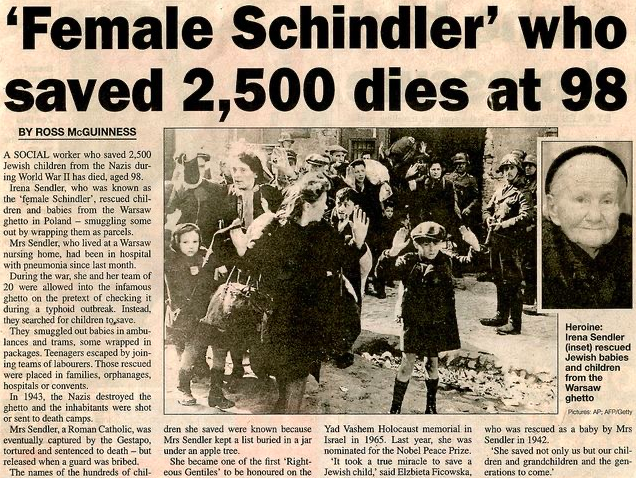
Motivated by her Catholic charity, and armed with compassion and a belief in human dignity, Irena Sendler proved to the world that an ordinary person can accomplish extraordinary deeds.
Natalia Jasińska
Main picture: Polish Cultural Institute in London