When people think about the defence of wartime London, they often picture RAF pilots battling German bombers during the Blitz. Few realise that one of the greatest contributions to Britain’s survival came hundreds of miles away, in occupied Poland, where members of the Polish resistance carried out one of the Second World War’s most daring intelligence operations.
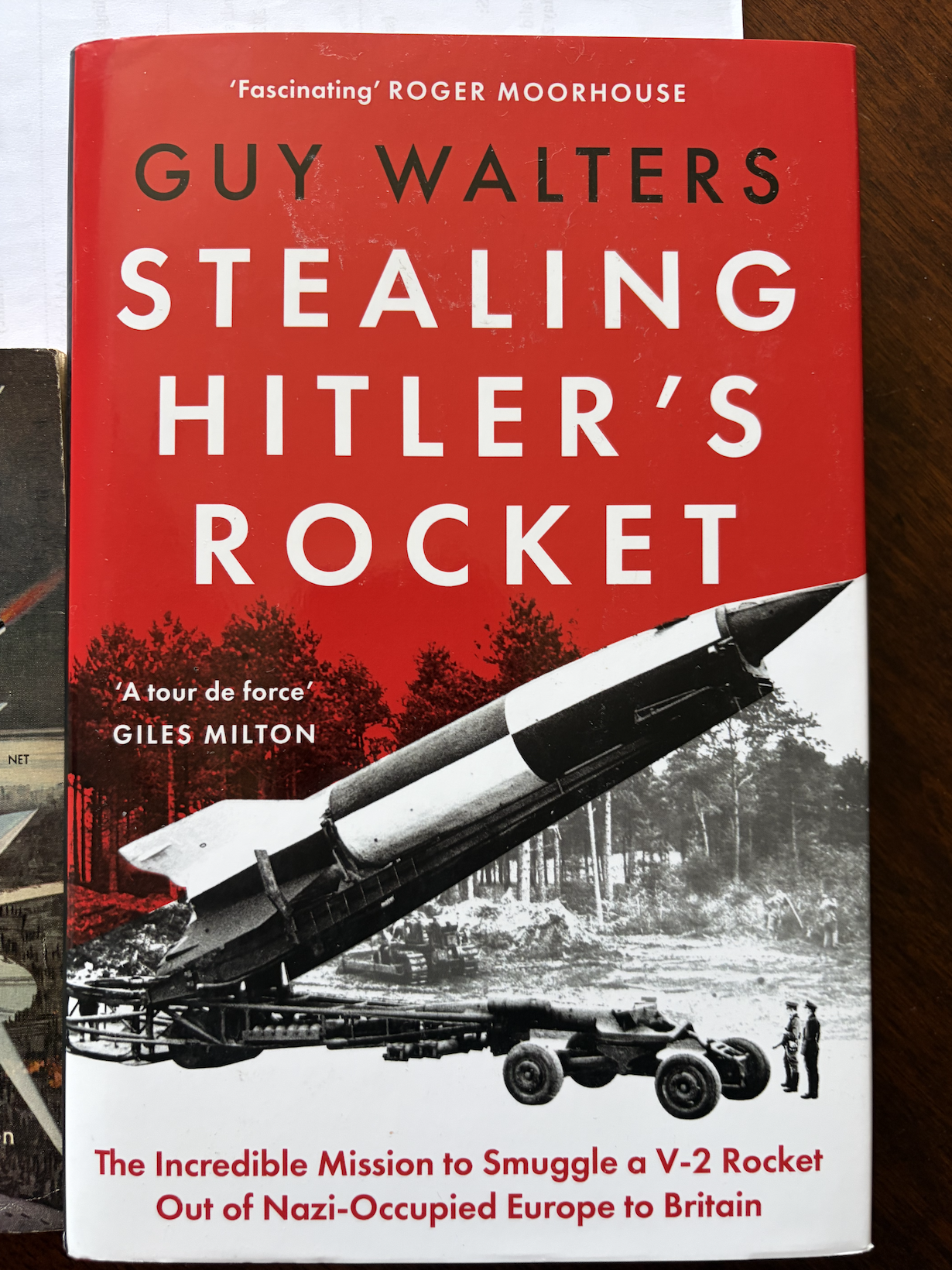
The mission became known as “Operation Most III” or “Operation Wildhorn III” in British records, and it provided the Allies with their first opportunity to study Adolf Hitler’s feared V-2 ballistic missile.
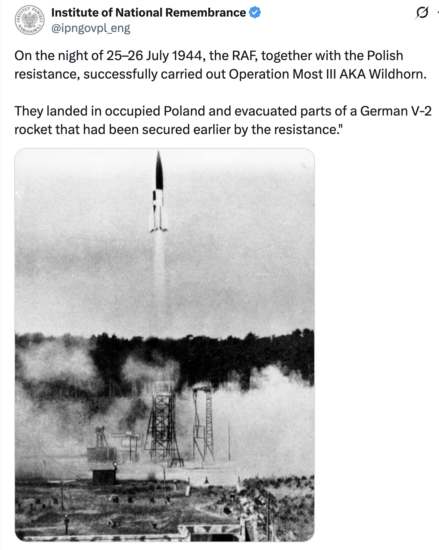
By 1944, Germany had begun testing the V-2 rocket, the world’s first long-range guided ballistic missile. Fired from occupied Europe, it travelled faster than the speed of sound, making it impossible to intercept once launched. Britain had little understanding of the weapon’s design or capabilities, even as intelligence reports warned that it could soon become a devastating threat to London.
Following a series of test launches from the German proving ground near Blizna, one V-2 crashed into marshland without exploding. Before German recovery teams could arrive, Polish underground fighters secured the largely intact rocket and secretly transported its components to Warsaw. There, Polish scientists carefully examined the missile, documenting its construction, engine and guidance systems.
The challenge was now getting this priceless intelligence into Allied hands.
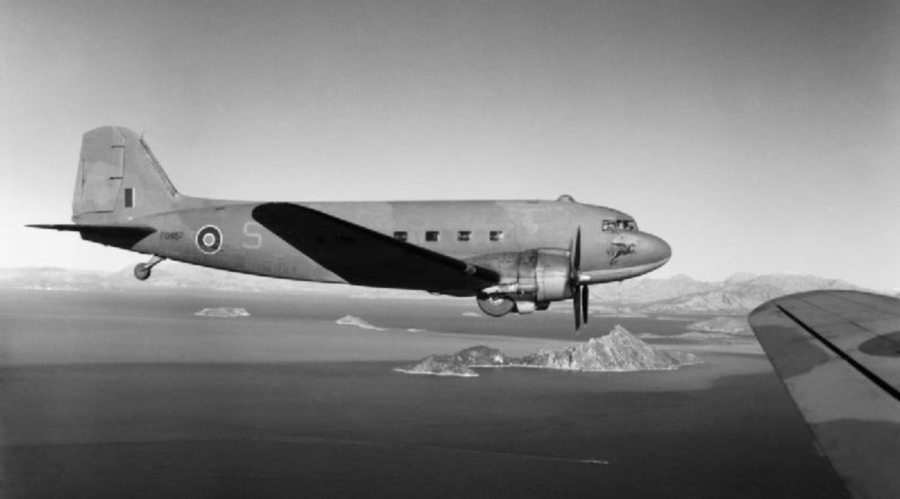
In July 1944, British and Polish planners organised a highly secret joint operation. Under the cover of darkness, an RAF Dakota aircraft flew from Brindisi in southern Italy to a concealed makeshift landing strip near Tarnów in occupied Poland.
The airfield was nothing more than a carefully prepared meadow surrounded by German-controlled territory.
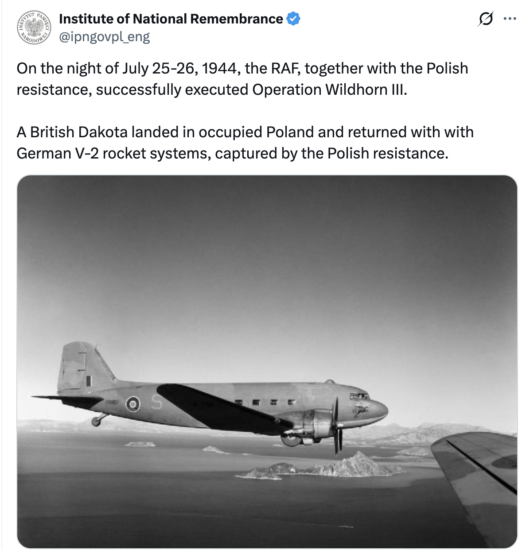
As resistance fighters secured the area, the aircraft landed safely. The V-2 components, scientific reports and other intelligence material were hurried aboard. Several important underground couriers and political figures also boarded the aircraft for evacuation.
The departure, however, nearly ended in disaster.
Heavy rain had left the field soft and muddy, trapping the Dakota’s wheels. Every extra minute on the ground increased the risk of German discovery. Resistance fighters dug desperately beneath the landing gear, placed wooden planks under the wheels and pushed with all their strength until the aircraft finally broke free and lifted into the night sky.
The precious cargo reached Britain only days later.
British scientists immediately began examining the captured missile parts and technical documentation. For the first time, Allied experts gained direct insight into the V-2’s engineering, fuel system and guidance technology.
Although they ultimately discovered that radio jamming would not stop the missile, the intelligence significantly improved Allied understanding of Germany’s advanced weapons programme and supported military planning during the final year of the war. It also confirmed many earlier reports supplied by the Polish resistance, whose intelligence network had become one of the Allies’ most valuable sources behind enemy lines.
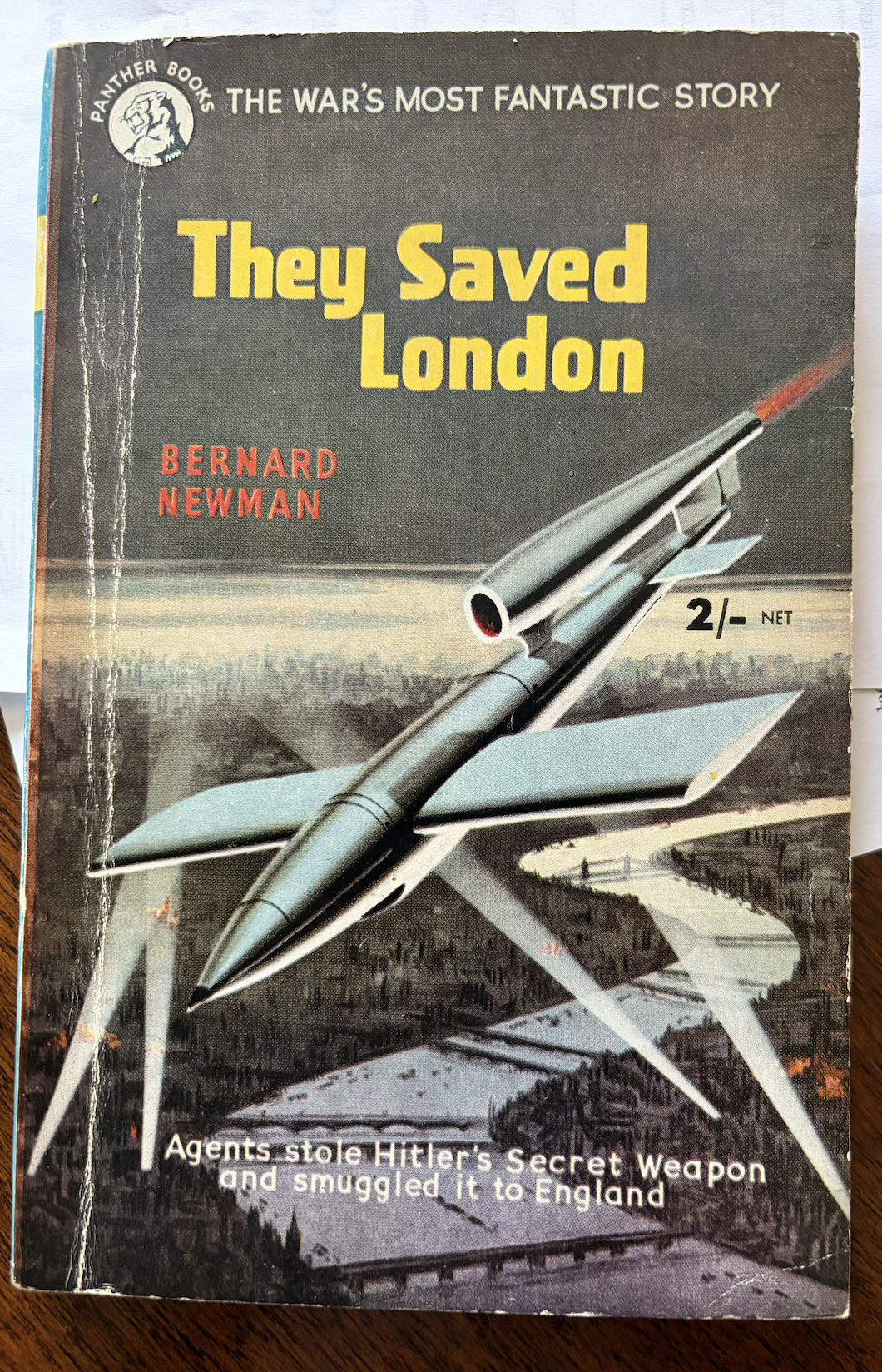
While Operation Most III could not prevent every attack, it provided Britain with crucial technical knowledge at a critical moment in the conflict. The extraordinary bravery of the Polish underground earned lasting recognition, inspiring the title of Bernard Newman’s 1955 book “They Saved London”.
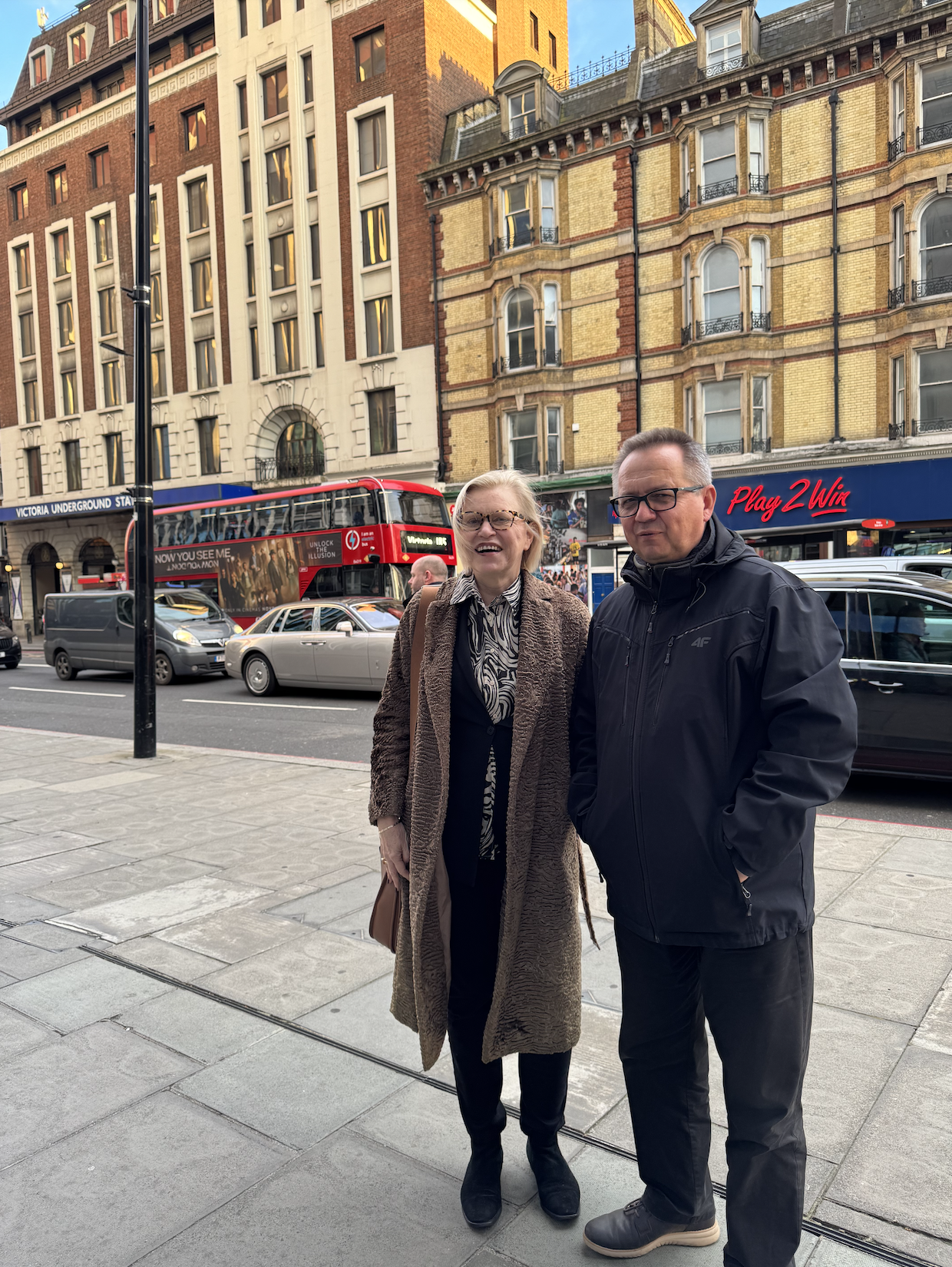
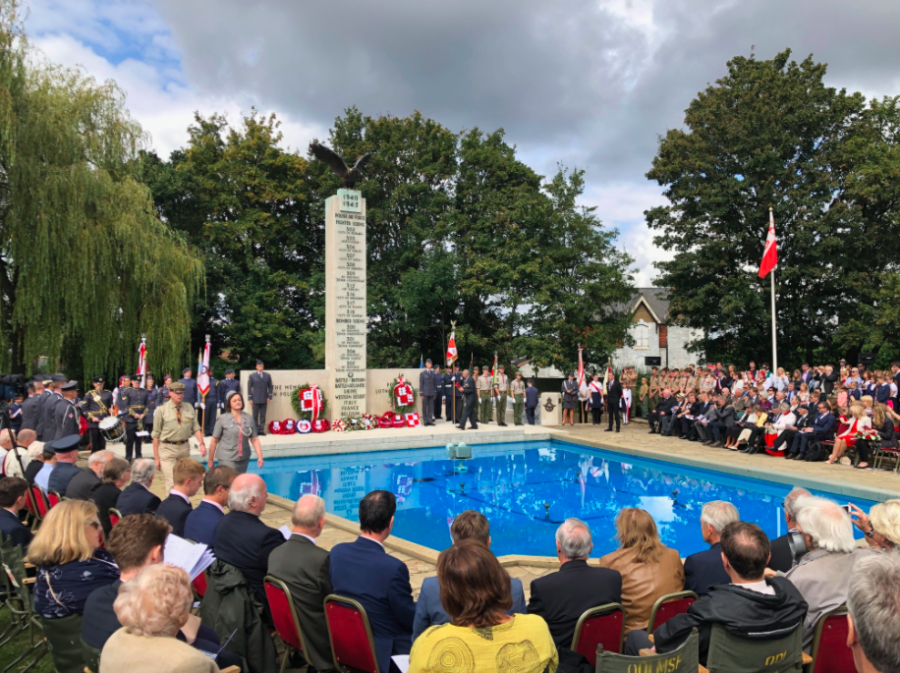
Father Szostak told British Poles: “Operation Most-3 was a key event that significantly influenced the course of the Second World War thanks to the cooperation between the Polish Home Army and the Allies. The Home Army in the Tarnów area was exceptionally well organised and enabled the Dakota aircraft to land on the makeshift airfield ‘Motyl’.
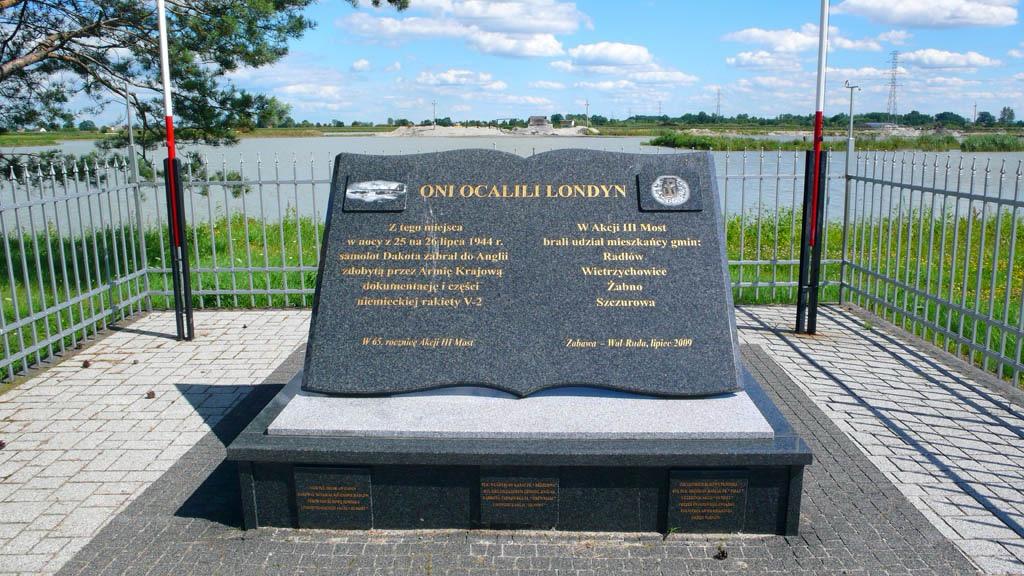
Schedule for 26 July 2026:
- 9:30 – Gathering at the monument in Wał-Ruda (approx. 4 km from Zabawa)
Laying of wreaths, official speeches, and paying tribute to the heroes of Operation Most 3. Military honour guard and colour parties will be present. - 11:00 – Holy Mass at the Sanctuary of Blessed Karolina in Zabawa
- 12:00 – Historical picnic at the hangar next to the „Operation Most III” Museum
British Poles is the media patron of the commemoration.
It is a reminder that one of Britain’s greatest wartime successes was made possible by the courage, ingenuity and sacrifice of Polish resistance fighters operating deep behind enemy lines.
Photo: IPN, British Poles
Maria Byczynski, Tomasz Modrzejewski